Miach Orthopaedics, Inc., developer of the BEAR® Implant for anterior cruciate ligament (ACL) restoration, has announced the publication of new two-year data from its post-commercialization Bridge Registry, providing additional real-world evidence on the performance of the BEAR Implant in patients undergoing ACL restoration. The findings, published in Knee Surgery, Sports Traumatology, Arthroscopy (KSSTA), demonstrate low ACL retear rates and continued improvements in patient-reported knee function through two years following surgery.
The publication comes as Miach Orthopaedics reaches another significant commercial milestone, with more than 10,000 patients treated with the BEAR Implant in the United States since the product’s commercial launch.
The Bridge Registry data offer an important perspective on the use of the BEAR Implant outside the controlled environment of earlier clinical trials. The registry includes patients treated in routine clinical practice and represents a broader patient population, including younger individuals who may face a higher risk of ACL reinjury as well as older patients who may have different clinical and activity profiles.
According to the two-year analysis, the first 100 patients enrolled in the Bridge Registry and followed for two years experienced an overall ACL retear rate of 5.6%. Importantly, there were no reported retears during the first postoperative year among these patients.
The analysis also found differences in retear rates associated with refinements to the surgical technique. Patients treated using a modified technique experienced a retear rate of 2.5%, compared with 8.0% among patients treated with the original technique.
Beyond structural outcomes, patients reported substantial improvements in knee function, pain and activity levels. At the two-year follow-up, the mean International Knee Documentation Committee (IKDC) score was 87.4. Patient-reported Knee injury and Osteoarthritis Outcome Score (KOOS) results were also strong, with scores of 94.7 for pain, 97.6 for activities of daily living, and 88.2 for sports and recreational function.
The researchers reported that the improvements were clinically significant and meaningful, with postoperative scores exceeding established patient-acceptable symptom-state thresholds.
The Bridge Registry was established to evaluate the use of the BEAR Implant following its commercial introduction and to collect clinical information from real-world patient populations.
Real-world evidence can provide valuable information about how medical technologies perform after they become available to a wider range of patients and surgeons. Unlike traditional clinical trials, which often operate under carefully defined inclusion criteria and standardized treatment protocols, post-commercialization registries can capture variations in patient characteristics, surgical experience and clinical practice.
For Miach Orthopaedics, the Bridge Registry provides an opportunity to evaluate the BEAR Implant as its use expands across the United States.
The two-year results from the first 100 patients provide early evidence from this broader clinical experience. The population includes patients who may differ from those enrolled in the company’s original clinical studies, giving surgeons additional information when considering ACL restoration for individual patients.
The overall retear rate of 5.6% at two years represents one of the key findings from the analysis. The absence of retears during the first postoperative year was another notable observation.
Researchers also identified a lower retear rate among patients treated using a modified surgical technique. In that group, the retear rate was 2.5%, compared with 8.0% for patients treated using the original technique.
The registry findings were not limited to retear rates. Patient-reported outcomes showed continued improvements in knee function during the two-year follow-up period.
At two years, patients recorded a mean IKDC score of 87.4. The IKDC assessment is commonly used to evaluate symptoms, function and sports activity in patients with knee conditions.
The KOOS results provided additional information about patients’ experiences after ACL restoration. The mean KOOS pain score reached 94.7, while the activities-of-daily-living score was 97.6. The sports and recreational function score was 88.2.
These results indicate substantial improvements across several dimensions of knee health and daily function.
For patients recovering from ACL injuries, returning to normal activities and, where appropriate, sports can be an important component of recovery. The reported improvements in sports and recreational function therefore provide relevant information about the longer-term functional experience of patients treated with the BEAR Implant.
The study authors determined that the improvements were clinically meaningful, with postoperative scores exceeding established patient-acceptable symptom-state thresholds.
This distinction is important because changes in a clinical score do not always translate into improvements that patients perceive as meaningful. In this analysis, the reported scores indicated that patients achieved levels of function considered acceptable from the patient’s perspective.
An important aspect of the Bridge Registry analysis is its documentation of how clinical experience has influenced the BEAR Implant procedure.
Miach Orthopaedics stated that the BEAR Implant itself has remained unchanged since its commercial launch. However, surgeons have continued to refine how the procedure is performed based on their experience treating patients.
The modified approaches documented in the registry include changes to fixation methods, stronger sutures and alternative suture patterns.
These refinements illustrate how surgical techniques can evolve as physicians gain experience with a medical technology. While the underlying implant remains the same, adjustments to procedural methods can potentially influence how the implant is used and how the reconstructed or restored ligament is supported during healing.
The lower retear rate observed among patients treated with the modified technique is therefore an important finding in the registry analysis.
The retear rate in this group was 2.5%, compared with 8.0% among patients treated using the original technique. Although the registry data represent a relatively early real-world experience and should be interpreted within the context of the study design, the results provide useful information about the potential impact of procedural evolution.
Miach Orthopaedics also highlighted changes in rehabilitation practices associated with growing clinical experience.
Rehabilitation following ACL restoration is an important component of recovery. The company said the BEAR Implant rehabilitation protocol has evolved based on feedback and experience from surgeons and physical therapists.
The refinements are intended to support the healing ligament while helping patients progress safely toward their individual functional goals.
A key focus of the updated approach is managing the pace at which patients return to activity. Rather than treating return to sports as a simple milestone, rehabilitation is designed to account for the healing process and individual patient progress.
This approach is particularly relevant for patients who participate in sports and other physically demanding activities.
Among Bridge Registry patients who participated in sports before their ACL injury, 87.2% had returned to sport by the two-year follow-up. The company said the finding highlights the importance of a measured and appropriately paced return to activity.
The objective is not simply to return patients to sports as quickly as possible, but to help them progress in a way that supports the healing ligament and reduces unnecessary risk during recovery.
The real-world findings may also provide surgeons with additional information when discussing treatment options with patients who have ACL injuries.
Jocelyn Wittstein, MD, lead author of the Bridge Registry two-year analysis, said the registry reflects real-world use of the BEAR Implant following commercial release.
According to Wittstein, the registry population includes younger patients considered to be at higher risk as well as older patients considered to be at lower risk. The diversity of the patient population provides additional context for understanding how the procedure performs outside the narrower parameters of an initial clinical trial.
The combination of low retear rates and continued improvement in patient-reported outcomes through two years may provide additional confidence for surgeons as they counsel patients and determine appropriate candidates for ACL restoration.
Patient selection remains an important part of ACL treatment. Individuals differ in age, activity level, injury characteristics, goals and overall health. Real-world clinical evidence can help physicians consider how a treatment may perform across a broader population.
The publication of the Bridge Registry data coincides with Miach Orthopaedics reaching more than 10,000 patients treated with the BEAR Implant in the United States since commercial launch.
The milestone represents a significant expansion in the use of the company’s ACL restoration technology.
As more surgeons gain experience with the procedure, the company continues to collect information about surgical techniques, rehabilitation and patient outcomes.
The growing patient population also creates an expanding body of real-world clinical experience. For Miach Orthopaedics, that experience is being used to support continued evaluation of the BEAR Implant and its application in ACL restoration.
The company believes that the combination of clinical evidence and growing surgeon experience can help advance adoption of its technology.
Jamal Rushdy, president and chief executive officer of Miach Orthopaedics, described the Bridge Registry results as real-world validation of the BEAR Implant procedure following commercial launch.
Rushdy also pointed to the more than 10,000 patients treated with the technology as evidence of growing surgeon adoption.
The company’s strategy centers on expanding the role of ACL restoration as an alternative approach to conventional ACL reconstruction. Through the BEAR Implant, Miach Orthopaedics is focused on supporting the body’s healing process while preserving the patient’s native ACL tissue.
The latest registry data add to the company’s evidence base by showing outcomes from routine clinical use.
As adoption grows, the company expects continued clinical experience to provide additional insight into the procedure, including surgical technique, rehabilitation and patient recovery.
ACL injuries are common among athletes and physically active individuals and can have significant consequences for mobility, sports participation and long-term knee health.
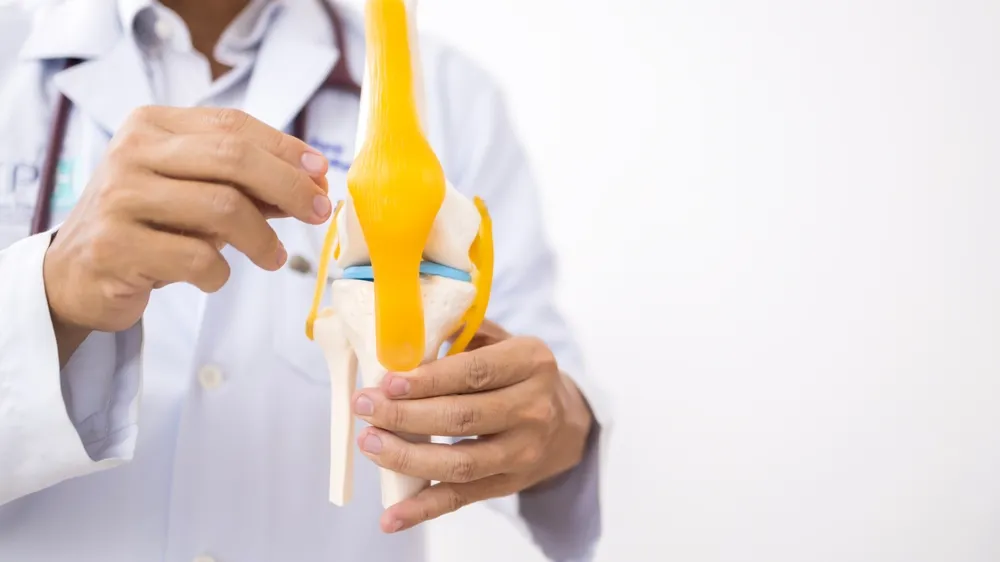
Treatment strategies have traditionally included ACL reconstruction, in which the damaged ligament is replaced with a graft. ACL restoration takes a different approach by seeking to support the body’s ability to heal the patient’s existing ligament.
The BEAR Implant was developed as part of this restoration approach.
Miach Orthopaedics continues to focus on expanding awareness and clinical adoption of the technology while collecting evidence on patient outcomes.
The Bridge Registry data represent an important component of that effort because they reflect experiences from patients treated after the product became commercially available.
The findings suggest that the procedure can produce favorable patient-reported outcomes while maintaining relatively low retear rates in a real-world population.
The publication of the two-year Bridge Registry results represents another milestone for Miach Orthopaedics as the company expands the use of the BEAR Implant in the United States.
The data from the first 100 patients followed for two years showed an overall ACL retear rate of 5.6%, with no retears reported during the first postoperative year. Patients treated using a modified surgical technique experienced a lower reported retear rate of 2.5%, compared with 8.0% for the original technique.
Patient-reported outcomes also showed substantial improvements at two years, including a mean IKDC score of 87.4 and strong KOOS scores for pain, activities of daily living, and sports and recreational function.
The results also highlight the importance of continued clinical learning. Although the BEAR Implant itself has remained unchanged since commercial launch, surgeons have refined procedural techniques, while rehabilitation protocols have evolved to support safe progression toward patients’ individual goals.
With more than 10,000 U.S. patients now treated with the BEAR Implant, Miach Orthopaedics is entering a new phase of commercial and clinical development. The growing real-world experience may provide additional evidence about patient outcomes and help physicians make informed decisions about ACL restoration.
For Miach Orthopaedics, the longer-term objective is to establish ACL restoration as an important approach to joint preservation. The latest Bridge Registry findings, together with the company’s expanding clinical experience, represent another step in that effort and reinforce its focus on improving outcomes for patients recovering from ACL injuries.
Source link: https://www.businesswire.com/