Varist has unveiled its new DICOM Detection Engine™, an advanced cybersecurity platform purpose-built to protect healthcare communications networks, electronic health records (EHRs), and picture archiving and communication systems (PACS) from increasingly sophisticated cyber threats. The announcement comes at a time when healthcare organizations are facing a growing wave of malware attacks, many of which are enhanced by artificial intelligence to automate, personalize, and scale malicious campaigns.
Designed specifically for healthcare and medical imaging environments, the DICOM Detection Engine combines large-scale file inspection with real-time behavioral simulation capabilities to identify suspicious content within milliseconds. By detecting both known and previously unseen threats, Varist aims to provide healthcare providers with stronger defenses while preserving the speed and reliability required for patient care.
Healthcare systems have become prime targets for cybercriminals due to the vast amount of sensitive information they process and the critical nature of their operations. Medical imaging departments, in particular, manage millions of files every day, creating a massive attack surface that traditional security tools often struggle to monitor effectively.
As hospitals and imaging centers continue their digital transformation, systems such as PACS, radiology information systems (RIS), and electronic health records increasingly rely on interconnected networks and standardized file formats. While these technologies improve efficiency and enable seamless sharing of patient information, they also introduce new opportunities for attackers to exploit vulnerabilities.
AI-powered malware has further intensified the threat landscape. Modern malicious software can adapt, evolve, and disguise itself to avoid detection, making conventional signature-based security approaches insufficient. Attackers are also becoming more sophisticated in embedding harmful payloads within seemingly harmless medical files, potentially turning diagnostic images into vectors for cyberattacks.
Recognizing these challenges, Varist developed the DICOM Detection Engine to provide specialized protection tailored to healthcare workflows and imaging systems.
Medical imaging relies heavily on DICOM (Digital Imaging and Communications in Medicine), the universal standard used to store and exchange imaging information. This standard ensures compatibility among various imaging modalities, including:
PACS platforms use DICOM protocols to facilitate image storage, retrieval, and sharing among clinicians and departments. These systems are essential to patient diagnosis and treatment planning, making them attractive targets for threat actors.
Conventional malware detection tools often focus on common file formats and may overlook the unique structures of DICOM images and associated healthcare communication standards. As a result, malicious code hidden inside image regions or manipulated metadata can escape traditional defenses.
Varist’s DICOM Detection Engine was specifically engineered to close these security gaps. The system performs deep analysis of healthcare files and communication streams without introducing delays that could disrupt clinical workflows.
According to Siggi Petursson, Chief Technology Officer at Varist, healthcare organizations need protection mechanisms capable of identifying sophisticated threats without compromising performance or patient privacy.
“A picture is worth a thousand words, especially when lives depend on it, and threat actors may be looking to use that to their advantage,” Petursson said. “Varist’s specialized detection for healthcare environments finds new self-evolving threats designed to evade detection by conventional systems, without adding delays or compromising patients’ care and privacy.”
The company’s approach emphasizes both speed and precision. Instead of relying solely on signature databases that recognize previously identified malware, the platform analyzes suspicious files in real time and predicts their behavior to uncover zero-day exploits and emerging attack techniques.
One of the key strengths of the DICOM Detection Engine lies in its support for healthcare-specific standards and protocols.
The platform incorporates dedicated detection capabilities for three major standards widely used throughout healthcare environments:
By focusing on these protocols, Varist provides deeper visibility into file structures and communication patterns that general-purpose security products may miss.
Attackers can manipulate DICOM headers to convert imaging files into executable files capable of delivering malicious payloads. Varist’s technology conducts extensive header analysis to identify unusual modifications and suspicious code that could indicate malicious intent.
This capability enables healthcare organizations to detect hidden threats before they spread across networks or compromise critical systems.
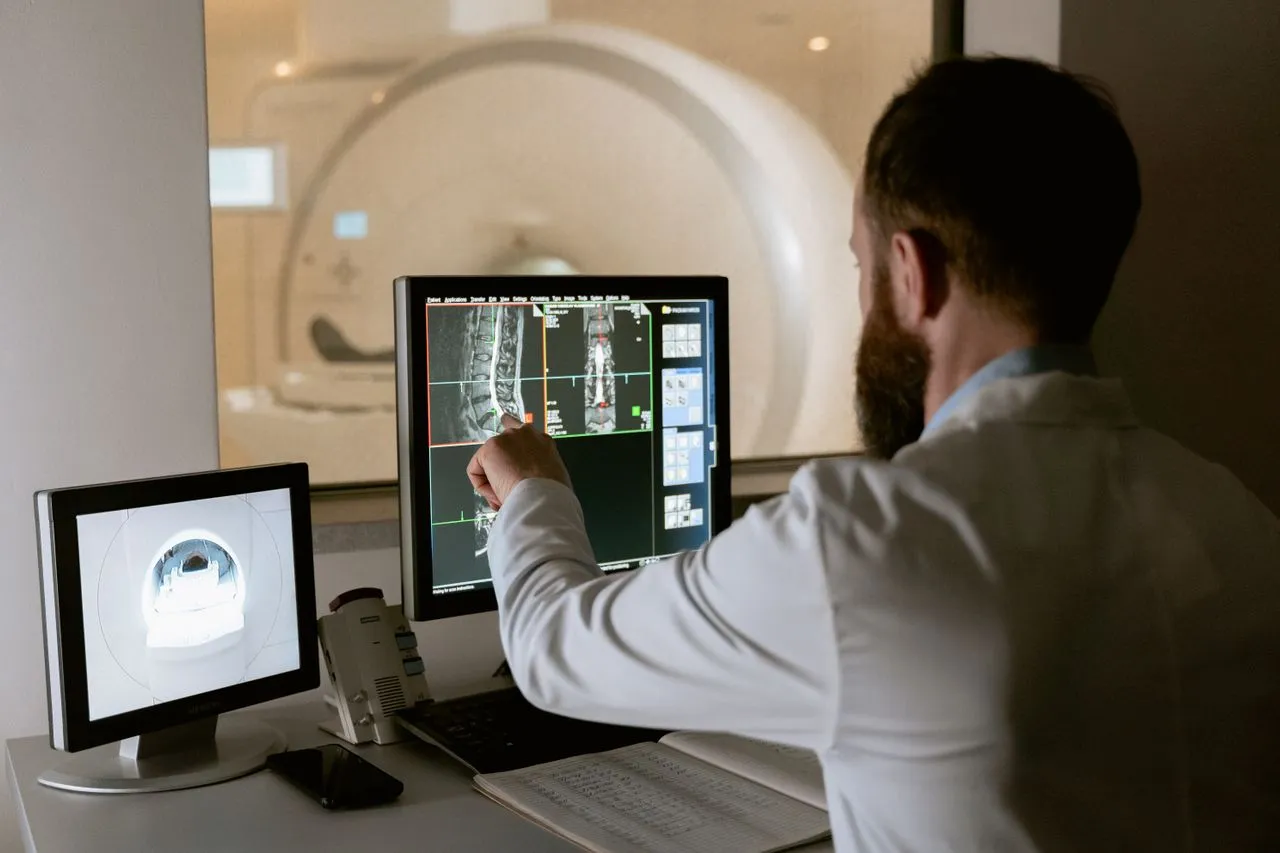
Modern imaging studies can generate extremely large files. MRI scans, for example, may exceed several gigabytes in size.
Traditional antivirus solutions often skip portions of large files to maintain performance, leaving blind spots that attackers can exploit. Varist’s engine supports comprehensive scanning of medical images up to 3GB in size, ensuring that malware concealed deep within image data regions does not go unnoticed.
By examining entire files rather than selective segments, the platform provides more complete protection against advanced threats.
One of the most innovative features of the DICOM Detection Engine is its predictive payload detection capability.
Instead of waiting for malware signatures to become available, the platform simulates the behavior of suspicious files in real time. This approach allows it to anticipate how unknown payloads might act if executed and identify malicious characteristics before they cause damage.
Such behavioral analysis enables the detection of zero-day attacks and novel DICOM exploits that have not yet been documented in conventional malware databases.
As AI-generated malware becomes more common, predictive techniques are expected to play an increasingly important role in healthcare cybersecurity.
Healthcare organizations operate under strict privacy regulations and compliance requirements. Uploading sensitive medical files to public cloud infrastructures for analysis may raise concerns regarding patient confidentiality and regulatory obligations.
Varist addresses this issue by enabling organizations to perform file scanning and threat analysis locally. Data remains within the healthcare institution’s environment, helping organizations maintain compliance while also satisfying cyber insurance requirements and internal security policies.
This localized approach minimizes exposure risks while preserving control over patient information.
Alongside the DICOM Detection Engine, Varist highlighted the performance advantages of its Hybrid Detection Engine (HDE), which combines multiple detection methodologies to deliver both speed and accuracy.
The hybrid architecture is designed to support enterprise-scale healthcare environments and high-volume imaging workflows.
Each HDE instance is capable of processing approximately 500 files every second. This throughput allows healthcare organizations to analyze large numbers of medical images and records without creating bottlenecks or delays.
The ability to maintain rapid processing speeds is particularly important for hospitals and imaging centers that depend on continuous access to diagnostic information.
When potentially malicious files are identified, Varist’s engine analyzes them in under nine milliseconds.
According to the company, this process is roughly 1,000 times faster than traditional sandbox-based approaches. At the same time, the platform maintains a false-positive rate below 0.001%, reducing unnecessary alerts that can burden security teams and interrupt clinical operations.
By balancing speed and accuracy, the system helps healthcare providers respond quickly to threats without overwhelming staff with false alarms.
Healthcare networks often span multiple hospitals, clinics, cloud environments, and imaging centers. To accommodate these complex infrastructures, Varist’s architecture supports horizontal scaling.
Additional processing nodes can be deployed to match growing workloads and support multi-site networks or multi-cloud deployments. This flexibility allows organizations to expand protection as their digital ecosystems evolve.
Cybersecurity has become a major concern for healthcare providers worldwide. Ransomware attacks, data breaches, and malware incidents have disrupted hospitals and delayed patient care, demonstrating the importance of securing medical infrastructure.
Systems such as PACS, RIS, and EHR platforms are indispensable to modern medicine. A compromise affecting these systems could interrupt diagnostic workflows, delay treatment decisions, and expose sensitive patient data.
By introducing specialized detection capabilities tailored to healthcare standards and medical imaging environments, Varist aims to strengthen defenses against a new generation of AI-enabled threats.
As cybercriminals continue to develop increasingly sophisticated attack methods, solutions that combine speed, behavioral analysis, scalability, and privacy protection are becoming essential components of healthcare cybersecurity strategies.
With the launch of the DICOM Detection Engine and its Hybrid Detection Engine architecture, Varist is positioning itself to help healthcare organizations protect critical imaging systems, maintain uninterrupted clinical operations, and defend patient information against the rapidly evolving threat landscape.
Source link: https://www.businesswire.com/