AccurKardia, a company specializing in electrocardiogram (ECG)-based diagnostic technologies, has announced that its innovative AK-AVS™ software has been accepted into the U.S. Food and Drug Administration’s (FDA) Total Product Life Cycle Advisory Program (TAP) pilot. The milestone represents another significant step forward for the company’s growing portfolio of artificial intelligence-driven cardiovascular diagnostic tools and highlights the increasing role of ECG-based technologies in the early detection of serious heart conditions.
The acceptance into the FDA TAP program follows the software’s receipt of the FDA Breakthrough Device Designation in October 2024. AK-AVS™ is designed to assist healthcare professionals in identifying moderate to severe aortic valve stenosis (AVS) in adults aged 22 years and older. The software utilizes artificial intelligence and data collected from routine 12-lead electrocardiograms, providing clinicians with an additional screening tool that could facilitate earlier diagnosis and intervention.
The FDA’s Total Product Life Cycle Advisory Program was established to provide medical technology developers with earlier and more frequent interactions with the agency. Through this initiative, companies receive guidance and support throughout the development, regulatory review, and commercialization phases of innovative medical devices.
Participation in the TAP pilot offers several advantages. It creates opportunities for accelerated regulatory review, facilitates collaboration with stakeholders involved in healthcare reimbursement, and provides pathways for engaging with the Centers for Medicare and Medicaid Services (CMS). These efforts can help streamline market access and ensure that transformative technologies reach patients more quickly.
AK-AVS™ becomes the second AccurKardia product to be included in the program. Earlier, in January 2025, the company’s AK+ Guard™ hyperkalemia detection software was accepted into the FDA TAP pilot. This achievement places AccurKardia among a relatively small group of medical technology companies with multiple Breakthrough Device-designated products participating in the initiative.
Aortic valve stenosis is among the most prevalent and severe forms of valvular heart disease. The condition develops when the aortic valve narrows, restricting blood flow from the heart to the rest of the body. Over time, this obstruction places additional strain on the heart and can eventually lead to heart failure, arrhythmias, or death if left untreated.
The prevalence of the disease increases significantly with age. Studies indicate that approximately 12.4 percent of adults over the age of 75 experience some degree of aortic stenosis, while severe disease affects nearly 3.4 percent of elderly individuals. Despite its seriousness, many patients remain undiagnosed until the disease reaches advanced stages.
One of the primary reasons for underdiagnosis is that aortic stenosis often progresses silently. Patients may not exhibit symptoms during the early stages, and current diagnostic pathways rely heavily on echocardiography, an imaging procedure that is not routinely performed on all individuals. Consequently, numerous cases remain undetected until symptoms become severe or complications arise.
AccurKardia’s AK-AVS™ software aims to address these diagnostic challenges by utilizing one of the most widely performed cardiac tests: the electrocardiogram.
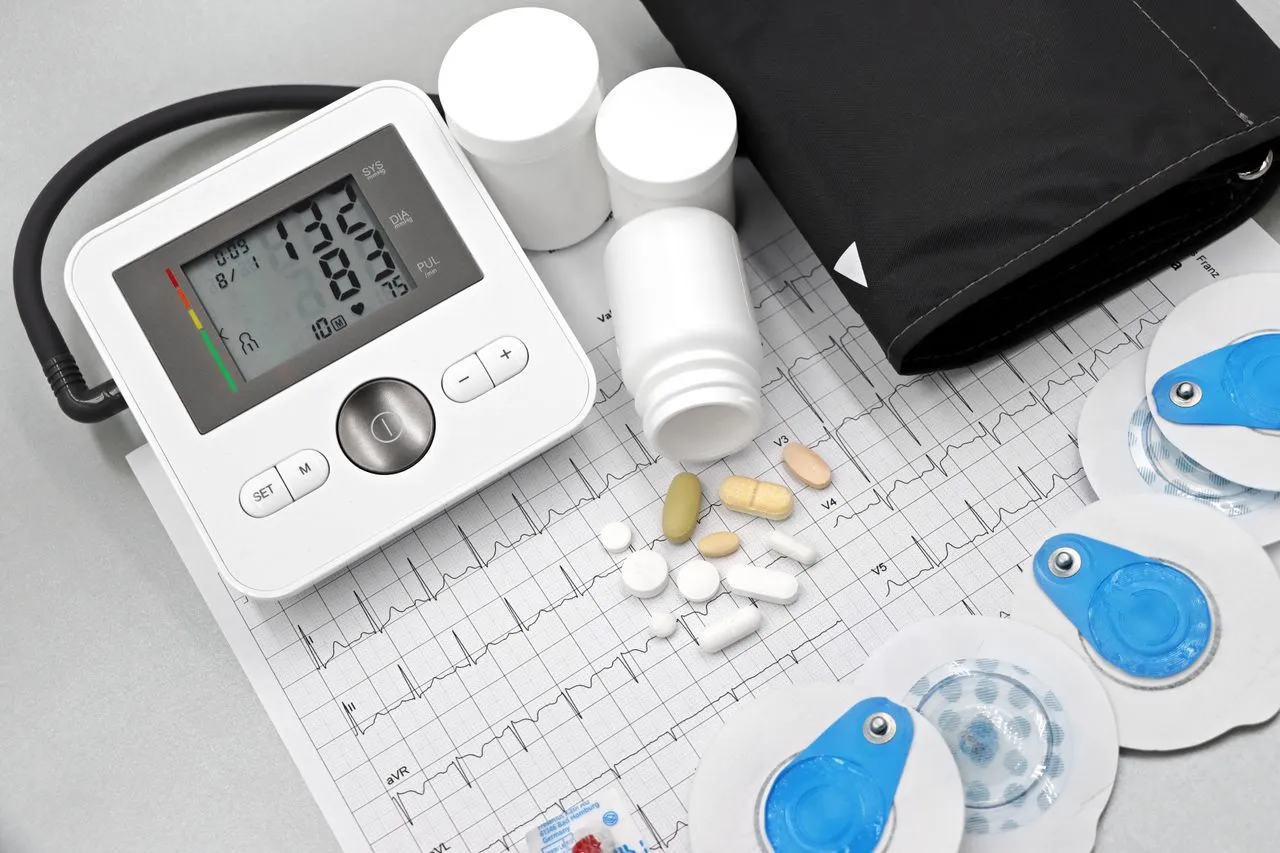
ECGs are commonly used in hospitals, outpatient clinics, and emergency departments around the world. Millions of ECG recordings are generated every year and stored within electronic health records. Traditionally, ECGs are used to identify rhythm abnormalities and other electrical disturbances in the heart. However, advances in artificial intelligence are revealing that ECG signals may contain valuable information about a wide range of cardiovascular conditions beyond their conventional applications.
AK-AVS™ analyzes standard 12-lead ECG data and applies sophisticated AI algorithms to identify patterns associated with moderate to severe aortic valve stenosis. By leveraging existing ECG records, the technology can potentially uncover hidden disease without requiring additional procedures or screening programs.
The approach allows healthcare providers to identify patients who may benefit from follow-up echocardiography, thereby improving prioritization and optimizing diagnostic resources. Instead of performing echocardiograms indiscriminately, clinicians can focus attention on patients identified as higher risk by the software.
Emerging clinical evidence suggests that AI-powered ECG screening may significantly improve the timeliness of aortic stenosis diagnosis.
A recent study conducted at Baylor St. Luke’s Medical Center in Houston demonstrated the potential impact of AK-AVS™. Researchers found that the software was capable of identifying patients with aortic valve stenosis up to 4.5 years before they received treatment.
This finding highlights the possibility of detecting disease years before symptoms emerge or before patients undergo conventional diagnostic imaging. Such early identification could allow physicians to monitor disease progression more closely, intervene sooner, and potentially improve long-term outcomes.
Early diagnosis is particularly important because effective treatment options, including surgical and transcatheter valve replacement procedures, are available. However, these interventions are most beneficial when performed before irreversible damage occurs to the heart.
Cardiology specialists believe technologies like AK-AVS™ could transform the way patients with aortic stenosis are identified.
According to Dr. Fuad Jan, Associate Program Director for the Cardiovascular Disease Fellowship and Interventional Cardiology faculty member at Aurora Health Care, early detection remains one of the most important challenges in managing aortic stenosis.
He emphasized that many patients currently receive diagnoses only after the disease has progressed to advanced stages. Because ECGs are already routinely collected during medical care, an AI-driven screening tool could identify at-risk individuals earlier and direct echocardiography resources toward those most likely to benefit.
Such an approach could improve efficiency within healthcare systems while simultaneously enhancing patient outcomes. Earlier intervention could potentially reduce complications and decrease healthcare costs associated with advanced disease management.
For AccurKardia, the acceptance of AK-AVS™ into the FDA TAP pilot represents more than just the advancement of a single product. The company is pursuing a broader vision centered on transforming ECG signals into powerful biomarkers capable of identifying multiple high-burden diseases.
According to Moin Hussaini, Chief Product Officer of AccurKardia, the company is focused on building a pipeline of clinically validated AI algorithms supported by strong regulatory strategies. Rather than developing isolated technologies, AccurKardia aims to establish ECG analysis as a versatile diagnostic platform that can address various cardiovascular and metabolic disorders.
The acceptance of a second device into the TAP program demonstrates continued engagement from the FDA and reinforces confidence in the company’s scientific and regulatory approach.
Hussaini noted that the milestone reflects the progress AccurKardia has made in advancing AI-powered diagnostics and underscores the potential of ECGs to evolve beyond traditional applications. He added that the company looks forward to continued collaboration with the FDA as AK-AVS™ moves through development and closer to commercialization.
Artificial intelligence is rapidly reshaping cardiovascular medicine. Researchers and clinicians are increasingly exploring ways to extract deeper insights from routine diagnostic tests, enabling earlier detection of disease and more personalized care.
AI-enhanced ECG analysis has emerged as one of the most promising areas in digital cardiology. Beyond aortic valve stenosis, researchers are investigating ECG-based detection of conditions such as hyperkalemia, heart failure, atrial fibrillation, hypertrophic cardiomyopathy, and coronary artery disease.
Because ECGs are inexpensive, non-invasive, and already widely used, they provide an attractive foundation for scalable screening solutions. AI algorithms can identify subtle signal patterns that may be invisible to human interpretation, creating opportunities for earlier diagnosis and improved clinical decision-making.
As healthcare systems increasingly embrace digital technologies and artificial intelligence, tools like AK-AVS™ may help bridge gaps in cardiovascular screening and reduce the burden of undiagnosed disease.
With acceptance into the FDA Total Product Life Cycle Advisory Program, AK-AVS™ moves one step closer to broader clinical adoption. The program’s support is expected to facilitate regulatory interactions and accelerate the pathway toward commercialization.
For patients living with undiagnosed aortic valve stenosis, earlier detection could mean earlier treatment and better outcomes. For clinicians, AI-driven ECG screening offers a practical way to leverage existing data to identify hidden disease. And for AccurKardia, the latest milestone reinforces its vision of transforming routine ECGs into powerful diagnostic biomarkers capable of addressing some of healthcare’s most pressing challenges.
As artificial intelligence continues to expand its role in medicine, innovations like AK-AVS™ demonstrate how familiar tools such as the ECG may become central to the next generation of preventive and precision cardiovascular care.
Source link: https://www.businesswire.com/