

A coalition of medical experts is calling on the governments of British Columbia and Alberta to take urgent action to safeguard infants from Respiratory Syncytial Virus (RSV), warning that the two provinces are falling behind national standards for protection. In a newly released position statement, the British Columbia and Alberta Infant RSV Protection Advocacy Group—convened by the Federation of Medical Women of Canada (FMWC)—is urging both provinces to align with recommendations issued by the National Advisory Committee on Immunization (NACI) and establish universal RSV immunization programs for infants before the upcoming respiratory virus season.
The group argues that while most provinces and territories across Canada have already embraced broad access to RSV prevention, British Columbia and Alberta continue to rely largely on a limited high-risk approach, leaving the majority of infants without protection against one of the leading causes of infant hospitalization in the country.
The newly published statement outlines evidence-based recommendations intended to help both provinces bring their policies in line with national guidance. According to the advocacy group, NACI’s recommendations support universal infant RSV immunization because the burden of disease extends far beyond children traditionally classified as high risk.
Medical leaders behind the statement emphasize that restricting access to infants with pre-existing medical conditions overlooks a large population of otherwise healthy babies who are also vulnerable to severe RSV infections. They contend that universal programs have already demonstrated significant public health benefits in other parts of Canada and should now be adopted nationwide.
The call comes as Canada prepares for another respiratory virus season, with healthcare systems still facing seasonal pressures from RSV, influenza, and other respiratory illnesses.
Respiratory Syncytial Virus is recognized as the leading cause of infant hospitalizations in Canada. Each year, approximately one in every 50 infants requires hospitalization because of RSV infection. Importantly, most of these hospitalized infants do not possess underlying health conditions or known risk factors.
RSV primarily affects the lungs and airways and can cause severe respiratory illness in babies and young children. Symptoms may begin similarly to a common cold but can rapidly progress to breathing difficulties, dehydration, and low oxygen levels that require emergency medical intervention.
Severe cases frequently result in:
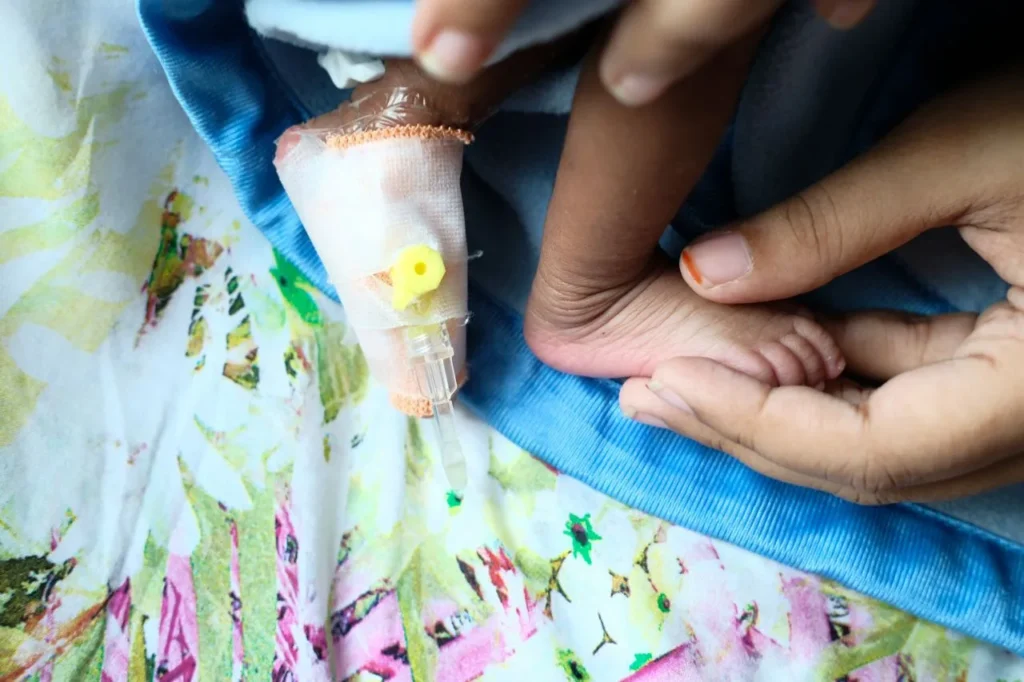
Unlike some viral illnesses, RSV currently has no cure. Treatment generally involves supportive measures such as oxygen therapy, intravenous fluids, and respiratory support, making prevention the most effective strategy for reducing illness and complications.
Recent data underscores the growing impact of RSV in Western Canada.
In Alberta, the current RSV season has resulted in more than 500 infant hospitalizations, with over 60 babies requiring intensive care treatment. Meanwhile, British Columbia has experienced a significant increase in RSV-related admissions, with hospitalization numbers reported to be roughly double those seen before the COVID-19 pandemic.
Healthcare professionals warn that these trends illustrate the inadequacy of relying solely on high-risk criteria. Since the majority of hospitalized infants are previously healthy, they argue that broader preventive programs are needed to reduce severe disease and lessen pressure on hospitals.
Dr. Shelley Ross, a family physician and co-chair of the FMWC BC and Alberta Infant RSV Protection Advocacy Group, believes the scientific evidence supporting universal protection is now overwhelming.
According to Dr. Ross, recommendations from the National Advisory Committee on Immunization are clear and should be implemented without delay.
She stressed that restricting preventive measures to narrow high-risk groups leaves countless infants exposed to a serious but preventable disease. Every child, she argued, should have equal access to protection regardless of where they live.
Health experts note that geographical differences in access create inequities across Canada. While families in provinces with universal programs can benefit from widespread protection, infants in British Columbia and Alberta may remain susceptible simply because of provincial policy decisions.
Advocates point to Ontario as an example of how universal RSV immunization programs can achieve widespread protection.
During the province’s first season implementing a universal strategy, approximately 73 percent of infants received protection against RSV. Nearly 69 percent of newborns were immunized before being discharged from hospitals following birth.
These high participation rates are viewed by healthcare experts as evidence that universal programs are both practical and effective. By integrating immunization into routine maternity care, hospitals can ensure that babies receive protection early in life, when they are particularly vulnerable to severe respiratory infections.
Public health specialists say Ontario’s experience demonstrates how coordinated efforts among hospitals, physicians, and public health agencies can significantly reduce disease burden.
Quebec’s experience has provided further support for universal RSV prevention.
According to reported data, the province observed approximately a two-thirds reduction in RSV-related infant hospitalizations following implementation of its universal immunization program.
Researchers also found that the program was more than 85 percent effective at preventing emergency room visits and admissions to intensive care units.
These results have attracted attention from healthcare leaders across Canada, who see them as evidence that broad immunization strategies can deliver immediate and measurable benefits.
International studies have similarly shown that universal RSV prevention programs reduce severe disease and improve outcomes for infants while lowering healthcare utilization.
Medical professionals warn that without broader prevention efforts, hospitals in British Columbia and Alberta will continue to experience seasonal surges that strain emergency departments and pediatric wards.
Winter RSV outbreaks often coincide with influenza season and increased demand for healthcare services, creating additional pressures on already stretched systems. Pediatric units can become overwhelmed, leading to longer wait times and challenges in providing timely care.
The situation is particularly concerning in rural and remote communities, where specialized pediatric services are limited. In some cases, critically ill infants must be transported by air ambulance to larger centers capable of providing intensive care.
Healthcare advocates argue that preventing severe RSV illness through universal immunization could significantly reduce these pressures and preserve healthcare resources for other urgent needs.
The FMWC advocacy group says current policy discussions often focus primarily on hospital expenditures while overlooking the broader economic and emotional consequences experienced by families.
Parents of hospitalized infants frequently face:
Experts also note that traditional economic assessments may fail to capture the lifelong consequences associated with severe RSV infections. Some children who experience serious illness during infancy later develop chronic respiratory conditions, including asthma and recurrent wheezing.
By excluding these long-term outcomes from cost analyses, policymakers may underestimate the overall value of universal RSV prevention programs.
Advocates argue that access to life-saving protection should not depend on provincial boundaries.
Most provinces and territories across Canada have already moved toward broader access to RSV prevention, creating disparities for families living in British Columbia and Alberta.
The advocacy group maintains that all infants deserve equal opportunities for protection regardless of their location, socioeconomic status, or underlying medical conditions.
Health experts say achieving equitable access would help ensure consistent standards of care nationwide and reduce disparities in health outcomes.
The British Columbia and Alberta Infant RSV Protection Advocacy Group is urging both provincial governments to act before the next RSV season arrives.
Specifically, the group is calling for:
Advocates stress that the evidence supporting universal protection is growing stronger each year. Experiences from Ontario, Quebec, and other jurisdictions have demonstrated that widespread RSV immunization can dramatically reduce severe disease and ease pressure on healthcare systems.
With another respiratory virus season approaching, medical leaders believe the opportunity to protect thousands of infants should not be delayed. They argue that timely action by British Columbia and Alberta could save hospital resources, reduce family hardship, and most importantly, prevent serious illness among the province’s youngest and most vulnerable residents.
Source link: https://www.businesswire.com/