ZAP Surgical Systems, a global innovator in non-invasive robotic brain surgery technologies, has announced the installation of its eighth ZAP-X® Gyroscopic Radiosurgery® platform in China, further strengthening the company’s presence in one of the world’s fastest-growing healthcare markets. The latest installation has been completed at Changchun Tumor Hospital in Jilin Province, enabling the institution to provide advanced stereotactic radiosurgery (SRS) for patients with brain tumors and other complex neurological conditions.
The new installation represents another milestone in ZAP Surgical’s international expansion strategy while reinforcing China’s growing adoption of innovative, patient-centered radiosurgery technologies. With the addition of Changchun Tumor Hospital, the company continues to expand access to precision radiation treatment that offers patients a completely non-invasive alternative to conventional brain surgery for appropriately selected conditions.
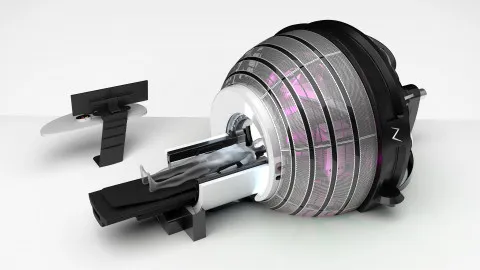
The ZAP-X platform is designed specifically for cranial radiosurgery and combines robotic precision, gyroscopic beam delivery, and advanced radiation targeting technologies to treat brain tumors and other intracranial disorders with exceptional accuracy. By eliminating the need for surgical incisions and radioactive cobalt sources, the system offers hospitals a modern approach to stereotactic radiosurgery while simplifying installation and operational requirements.
The installation at Changchun Tumor Hospital increases the total number of ZAP-X systems operating across China to eight, reflecting the country’s continued investment in advanced oncology and neurosurgical technologies.
China has become an increasingly important market for precision cancer care as healthcare providers seek innovative treatment options capable of improving clinical outcomes while enhancing patient experience.
The addition of another ZAP-X platform demonstrates growing confidence among leading Chinese hospitals in stereotactic radiosurgery as an effective treatment modality for selected brain tumors, metastatic lesions, and neurological disorders.
As hospitals continue expanding access to minimally invasive technologies, advanced radiosurgery systems like ZAP-X are becoming an important component of comprehensive neuro-oncology programs.
With the new installation, Changchun Tumor Hospital joins an internationally recognized network of healthcare institutions utilizing the ZAP-X platform to provide advanced stereotactic radiosurgery.
The hospital becomes part of an expanding group of neuro-oncology centers committed to delivering precision radiation therapy using one of the latest dedicated cranial radiosurgery systems available today.
Other leading institutions in China currently operating ZAP-X systems include:
Together, these institutions represent an expanding network of hospitals providing patients with access to advanced non-invasive treatment options for complex brain conditions.
Stereotactic radiosurgery (SRS) has become one of the most important technological advances in the treatment of neurological disorders over the past several decades.
Despite its name, stereotactic radiosurgery does not involve traditional surgery. Instead, the procedure delivers highly focused beams of radiation precisely to targeted areas within the brain without making any surgical incisions.
Using sophisticated imaging, computerized treatment planning, and robotic beam delivery, physicians can accurately concentrate therapeutic radiation on tumors or abnormal tissue while minimizing radiation exposure to surrounding healthy structures.
The technique is commonly used to treat:
Because the treatment is non-invasive, patients generally experience significantly less disruption compared with conventional brain surgery.
One of the major advantages of stereotactic radiosurgery is its ability to treat certain neurological conditions without requiring open surgical procedures.
Unlike conventional brain surgery, radiosurgery does not require:
Instead, treatment is typically performed on an outpatient basis.
Most patients undergo a single treatment session lasting only a short period before returning home the same day.
Many individuals are able to resume normal daily activities shortly after treatment, reducing both recovery time and the physical burden associated with more invasive procedures.
For appropriately selected patients, stereotactic radiosurgery provides an effective treatment option while minimizing many of the risks traditionally associated with cranial surgery.
According to Jinhua Yang, President of ZAP Surgical China, the continued expansion of ZAP-X installations reflects increasing demand among Chinese hospitals for innovative technologies capable of improving patient care.
Yang noted that healthcare institutions throughout China continue investing in advanced treatment platforms that combine clinical precision with operational efficiency and greater flexibility for healthcare facilities.
The addition of Changchun Tumor Hospital further demonstrates the country’s commitment to strengthening neuro-oncology services through adoption of modern radiosurgery technologies.
As hospitals increasingly prioritize patient-centered care, demand continues growing for treatment systems capable of delivering high-quality outcomes while improving patient comfort and simplifying clinical workflows.
A defining characteristic of the ZAP-X platform is its unique gyroscopic beam delivery system.
Unlike conventional radiation therapy systems that deliver radiation from a limited number of directions, ZAP-X employs gyroscopic mobility to direct radiation beams from thousands of potential treatment angles.
This expanded range of beam trajectories allows physicians to create highly conformal treatment plans that concentrate radiation precisely within tumors while reducing unnecessary exposure to surrounding normal tissue.
By increasing flexibility in beam positioning, the system provides clinicians with additional options for optimizing radiation dose distribution according to each patient’s anatomy.
This sophisticated approach helps maximize therapeutic effectiveness while minimizing collateral radiation exposure.
One of the central goals of stereotactic radiosurgery is preserving healthy brain tissue while effectively treating targeted lesions.
Because many brain tumors develop near structures responsible for vision, movement, speech, balance, or other essential neurological functions, treatment precision is critical.
The ZAP-X platform has been engineered to minimize radiation exposure to critical anatomical structures including:
Reducing radiation exposure to these structures may help preserve neurological function while lowering the risk of treatment-related complications.
The platform’s precision also supports physicians treating tumors located near sensitive regions that require especially accurate dose delivery.
Beyond protecting anatomical structures, minimizing radiation exposure to healthy brain tissue may also contribute to preserving cognitive function.
Maintaining memory, concentration, executive function, and overall neurological performance remains an important consideration when treating intracranial tumors.
Modern radiosurgery systems increasingly emphasize selective radiation delivery designed to reduce unnecessary exposure to normal brain tissue.
The ZAP-X platform aligns with this treatment philosophy by combining advanced imaging, robotic accuracy, and highly focused beam delivery to maximize treatment precision.
As neuro-oncology continues evolving, preserving quality of life alongside tumor control has become a central objective of treatment planning.
According to Dr. John R. Adler, Founder and Chief Executive Officer of ZAP Surgical and Emeritus Professor of Neurosurgery and Radiation Oncology at Stanford University, one of the platform’s most significant innovations is the elimination of radioactive cobalt sources.
Traditional dedicated radiosurgery systems often rely on Cobalt-60, a radioactive isotope that requires specialized handling, security protocols, periodic source replacement, and long-term regulatory oversight.
In contrast, ZAP-X utilizes a modern linear accelerator to generate therapeutic radiation.
Replacing radioactive cobalt with linear accelerator technology offers several operational advantages, including eliminating:
This design simplifies ongoing system maintenance while reducing operational complexity for healthcare institutions.
Another distinguishing feature of ZAP-X is its self-shielded architecture.
Conventional radiation therapy systems frequently require hospitals to construct heavily reinforced radiation bunkers using thick concrete walls or specialized shielding materials.
These construction projects can substantially increase installation costs while limiting where treatment systems may be located.
ZAP-X has been specifically engineered to operate without requiring a traditional shielded radiation vault.
Its integrated shielding technology allows hospitals to install the platform in standard clinical environments without constructing expensive concrete bunkers.
This capability offers healthcare providers greater flexibility when planning new treatment facilities while potentially reducing implementation timelines and infrastructure costs.
The elimination of traditional radiation bunkers also creates opportunities for more patient-friendly clinical environments.
Rather than placing radiosurgery systems within isolated concrete vaults, hospitals may position ZAP-X in more visible and accessible treatment areas.
Patient-centered design has become an increasingly important consideration in modern healthcare architecture.
Comfortable treatment environments may help reduce anxiety while improving the overall patient experience during cancer treatment.
For individuals already facing the emotional challenges associated with neurological disorders or cancer diagnoses, creating welcoming treatment spaces represents an important aspect of comprehensive patient care.
China continues making substantial investments in oncology infrastructure, advanced medical technologies, and specialized treatment centers capable of addressing the country’s growing cancer burden.
The expansion of ZAP-X installations aligns with broader national efforts to improve access to precision medicine and minimally invasive treatment options.
By introducing advanced radiosurgery technologies into leading hospitals across multiple provinces, healthcare providers can expand treatment capacity while offering patients alternatives to conventional surgery when clinically appropriate.
Growing availability of stereotactic radiosurgery also supports multidisciplinary neuro-oncology teams seeking comprehensive treatment strategies that integrate surgery, radiation oncology, medical oncology, and supportive care.
The installation of the eighth ZAP-X® Gyroscopic Radiosurgery® platform at Changchun Tumor Hospital marks another important milestone in ZAP Surgical Systems’ continued expansion across China. As more leading healthcare institutions adopt the company’s dedicated cranial radiosurgery technology, patients throughout the country will gain greater access to highly precise, non-invasive treatment options for brain tumors and other complex neurological conditions.
Combining gyroscopic beam delivery, robotic precision, self-shielded architecture, and a modern linear accelerator free from radioactive cobalt sources, the ZAP-X platform represents an innovative approach to stereotactic radiosurgery. With hospitals increasingly seeking technologies that improve clinical outcomes, enhance patient comfort, and simplify operational requirements, ZAP Surgical continues to strengthen its role in advancing the future of precision brain radiosurgery both in China and around the world.
Source link: https://www.businesswire.com/