EvoEndo, has announced a significant expansion in the availability of its sedation-free transnasal endoscopy (TNE) technology, enabling gastroenterology programs of varying sizes to provide advanced diagnostic and monitoring services directly within their outpatient clinics. The company’s innovative EvoEndo Endoscopy System eliminates the need for procedural sedation, making endoscopic care more accessible for hospitals, community clinics, and specialty practices that may not have dedicated anesthesia teams or operating room facilities.
The announcement reflects a growing shift in gastrointestinal care toward minimally invasive, patient-centered solutions that improve accessibility while reducing the logistical challenges traditionally associated with endoscopic procedures. By removing the requirement for sedation, EvoEndo’s platform is helping healthcare organizations streamline operations, reduce patient inconvenience, and expand services into regions where traditional endoscopy may be difficult to offer.
Conventional upper gastrointestinal endoscopy has long been considered the standard diagnostic procedure for evaluating disorders affecting the esophagus, stomach, and upper digestive tract. While highly effective, traditional endoscopy often requires intravenous sedation or general anesthesia, dedicated recovery areas, anesthesia professionals, and operating or procedural rooms equipped for sedated interventions.
These requirements can create scheduling bottlenecks, increase healthcare costs, and limit patient access, particularly in rural communities or smaller healthcare facilities where anesthesia resources are limited.
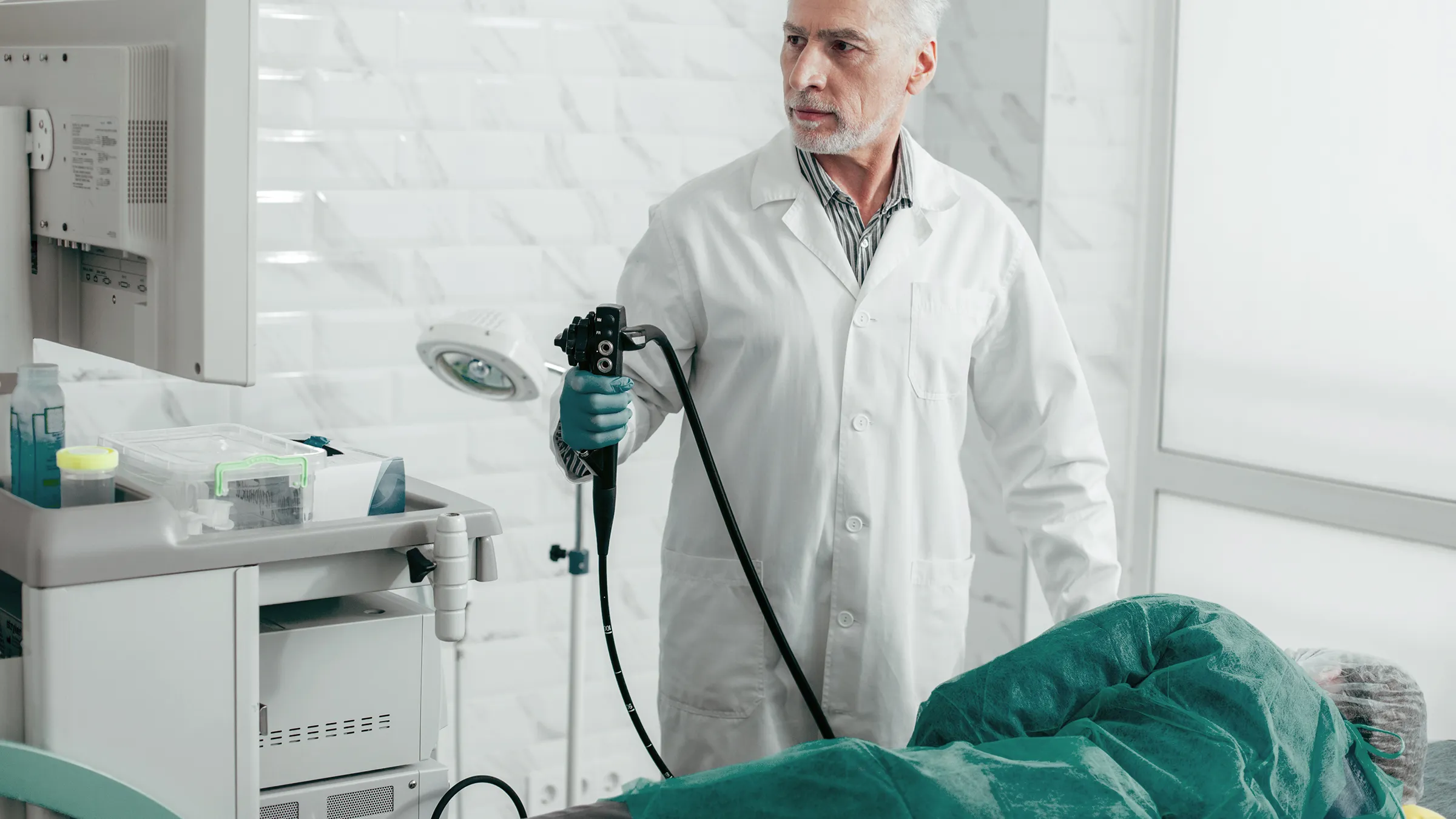
EvoEndo’s sedation-free transnasal endoscopy system addresses these longstanding challenges by allowing physicians to perform upper GI examinations without the use of sedation. Instead of introducing the endoscope through the mouth under sedation, the EvoEndo system utilizes a thin, flexible endoscope inserted through the nasal passage, allowing patients to remain awake throughout the procedure.
This alternative approach significantly changes how and where endoscopy can be performed.
According to Ryan Hartman, Chief Operating Officer of EvoEndo, eliminating the dependence on anesthesia fundamentally reshapes the delivery of gastrointestinal care.
He explained that sedation-free endoscopy enables healthcare providers to perform procedures without requiring anesthesia teams or operating room access, giving programs greater flexibility over scheduling while allowing patient evaluations to occur directly within clinic settings.
One of the most important aspects of EvoEndo’s announcement is its emphasis on expanding access beyond major academic medical centers.
Historically, sophisticated endoscopic services have often been concentrated within large hospitals capable of supporting specialized procedural infrastructure. Smaller gastroenterology practices and community clinics have frequently faced barriers due to staffing limitations, procedural space constraints, and financial considerations.
Sedation-free transnasal endoscopy removes many of these obstacles.
Healthcare organizations can now integrate diagnostic endoscopy into routine outpatient visits without coordinating anesthesia schedules or reserving operating room time. This flexibility enables physicians to evaluate patients more quickly while improving clinic efficiency.
As a result, organizations ranging from large university hospitals to regional community practices can incorporate advanced diagnostic capabilities into their own facilities.
The elimination of procedural sedation also creates meaningful advantages for patients and their families.
Traditional sedated endoscopy often requires patients to fast for extended periods, arrange transportation home after the procedure, and spend additional time recovering from anesthesia.
For parents bringing children to pediatric gastroenterology appointments, sedation can involve missed school, missed work, transportation challenges, and extended hospital visits.
Sedation-free TNE changes this experience considerably.
Patients generally remain alert during the examination, avoid anesthesia-related recovery, and can often resume normal daily activities much sooner following the procedure.
This streamlined care pathway improves convenience while reducing indirect costs associated with travel, childcare, and lost productivity.
A notable example of EvoEndo’s growing adoption comes from Arkansas Children’s Hospital, which has successfully expanded its transnasal endoscopy program beyond its primary campus in Little Rock to the Arkansas Children’s Hospital Jonesboro Clinic.
The expansion demonstrates how sedation-free technology can help extend specialized pediatric gastroenterology services into rural communities where access to advanced diagnostic care may otherwise be limited.
Dr. Sulaiman Bharwani, Pediatric Gastroenterologist at Arkansas Children’s Hospital, highlighted the program’s success since its launch in October 2024.
Over approximately nineteen months, the institution has completed nearly 100 sedation-free procedures while meeting important service objectives across rural Arkansas.
According to Dr. Bharwani, the benefits extend well beyond the clinical procedure itself.
Families have experienced measurable reductions in travel expenses, fuel costs, work absenteeism, and school absences among pediatric patients. These improvements illustrate how innovative medical technology can produce broader economic and social benefits alongside enhanced clinical care.
For families living considerable distances from major pediatric hospitals, minimizing unnecessary travel can significantly improve the healthcare experience while ensuring timely diagnosis and follow-up monitoring.
Another leading healthcare institution embracing sedation-free endoscopy is Tampa General Hospital.
Dr. Racha Khalaf, Division Chief of Pediatric Gastroenterology, Hepatology and Nutrition, emphasized that unsedated endoscopy aligns closely with the hospital’s commitment to delivering innovative, patient-centered care.
She noted that providing patients with a convenient alternative to sedation empowers families by offering more choice in how diagnostic procedures are performed.
Patients can avoid anesthesia, experience shorter recovery periods, and return to their normal daily routines more rapidly.
Additionally, remaining awake during the examination allows patients to stay actively engaged in their own care, fostering improved communication between physicians, patients, and caregivers throughout the diagnostic process.
Such engagement has become increasingly important within modern healthcare as providers seek to improve patient satisfaction while encouraging greater participation in treatment decisions.
The benefits of sedation-free transnasal endoscopy have also been demonstrated at Duke Children’s Hospital & Health Center, where clinicians have completed more than 100 TNE procedures.
Dr. John Lyles, Director of Pediatric Endoscopy for the Division of Pediatric Gastroenterology, Hepatology, and Nutrition at the Duke University School of Medicine, described the technology as an invaluable addition to pediatric gastrointestinal care.
He noted that both children and their families have benefited from the procedure and expressed enthusiasm for expanding beyond current applications.
Future opportunities may include additional diagnostic uses as well as therapeutic procedures performed using sedation-free endoscopy technology.
Such expansion reflects growing physician confidence in transnasal endoscopy as clinical experience continues to accumulate across leading pediatric healthcare institutions.
Healthcare systems worldwide continue to face increasing pressure from workforce shortages, rising operational costs, and growing patient demand.
Anesthesia professionals remain in particularly high demand, making efficient allocation of these specialists increasingly important.
By enabling certain diagnostic procedures to occur without anesthesia support, technologies such as the EvoEndo Endoscopy System can help healthcare organizations optimize valuable clinical resources.
Operating rooms and procedural suites can remain available for patients requiring more complex interventions, while routine diagnostic evaluations are performed efficiently within outpatient clinics.
This redistribution of healthcare resources supports improved capacity management while helping organizations reduce procedural delays.
Community gastroenterology clinics stand to gain substantial advantages from sedation-free endoscopy.
Many independent or smaller practices lack the infrastructure necessary to routinely perform sedated procedures on-site.
The EvoEndo system allows these practices to expand their diagnostic capabilities without investing heavily in anesthesia infrastructure or procedural facilities.
This creates opportunities to:
By maintaining diagnostic services within their own practices, physicians can strengthen long-term patient relationships while providing faster clinical decision-making.
Although sedation-free endoscopy offers benefits across patient populations, pediatric gastroenterology has emerged as one of its strongest areas of adoption.
Children often experience anxiety surrounding medical procedures, and avoiding sedation may reduce certain risks and simplify the overall care experience.
Parents also appreciate avoiding prolonged recovery periods and the logistical challenges associated with sedated procedures.
As more pediatric centers gain experience with transnasal endoscopy, clinical protocols continue to evolve, supporting broader implementation across children’s hospitals throughout the United States.
The successful outcomes reported by Arkansas Children’s Hospital, Tampa General Hospital, and Duke Children’s Hospital demonstrate increasing confidence in the technology among pediatric specialists.
Sedation-free endoscopy is particularly valuable for patients who require repeated monitoring of chronic gastrointestinal conditions.
Diseases such as eosinophilic esophagitis, gastroesophageal reflux disease (GERD), Barrett’s esophagus, and other upper GI disorders often require periodic endoscopic evaluation.
Reducing the burden associated with repeated sedated procedures may encourage better adherence to recommended monitoring schedules.
Patients who know they can undergo a quick clinic-based procedure without anesthesia may be more willing to participate in routine follow-up evaluations, potentially leading to earlier detection of disease progression and more timely treatment adjustments.
The healthcare industry continues to prioritize technologies that improve patient experiences while increasing operational efficiency.
Sedation-free transnasal endoscopy represents one such innovation by combining minimally invasive technology with workflow improvements that benefit physicians, healthcare systems, and patients alike.
As healthcare increasingly shifts toward outpatient care models, clinic-based procedures, and value-driven medicine, technologies that reduce complexity without compromising diagnostic quality are expected to play an increasingly important role.
EvoEndo’s continued expansion reflects this broader transformation occurring across gastroenterology.
EvoEndo continues to broaden access to its sedation-free endoscopy platform across healthcare organizations ranging from major academic medical centers to regional hospitals and community gastroenterology practices.
The company’s growing network of clinical users demonstrates increasing confidence in the ability of transnasal endoscopy to improve patient access while reducing operational barriers associated with traditional sedated procedures.
With successful implementations already underway at respected pediatric institutions including Arkansas Children’s Hospital, Tampa General Hospital, and Duke Children’s Hospital, the technology is helping reshape how gastrointestinal diagnostic care is delivered.
As adoption continues to grow, sedation-free transnasal endoscopy may become an increasingly important component of modern gastroenterology, offering healthcare providers greater flexibility, improving patient convenience, and expanding access to high-quality diagnostic care for communities of every size.
Source link: https://www.businesswire.com/