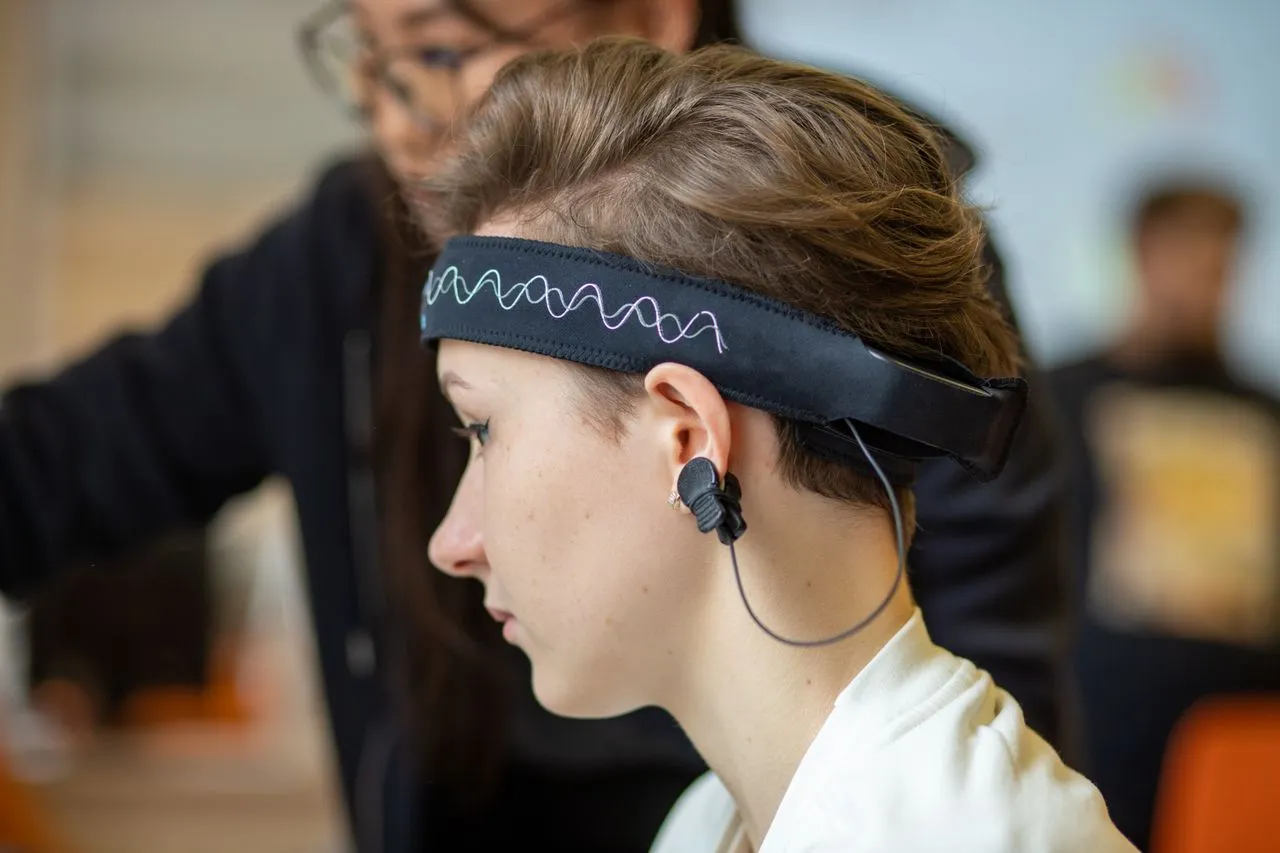
Epitel, a pioneer in AI-powered wireless brain health technologies, has successfully closed a $26 million Series B financing round, marking a significant milestone in its mission to improve access to neurological care through innovative remote electroencephalography (EEG) monitoring. The investment, co-led by Catalyst Health Ventures and Genoa Ventures, with participation from both new and existing investors, will accelerate the commercial expansion of the company’s REMI® Remote EEG Monitoring System, a wireless platform designed to extend EEG monitoring beyond traditional hospital settings while integrating artificial intelligence to assist clinicians in detecting neurological events.
The funding reflects growing investor confidence in the future of remote neurological monitoring and highlights the increasing demand for technologies capable of addressing one of healthcare’s longstanding challenges—timely and accessible diagnosis of epilepsy and other neurological disorders. By combining wearable wireless EEG technology with AI-driven analysis, Epitel is working to transform how seizures and other brain-related conditions are diagnosed, monitored, and managed.
Neurological disorders affect millions of individuals worldwide, with epilepsy and seizure disorders representing some of the most common and complex conditions requiring accurate diagnosis. In the United States alone, approximately 9.2 million people experience seizures annually, yet a substantial portion of these individuals encounter significant barriers to obtaining an EEG, the gold-standard diagnostic test used to detect abnormal electrical activity in the brain.
One of the primary reasons for this diagnostic gap is limited access to EEG equipment and specialized neurological services. According to Epitel, only about 27% of hospitals in the United States currently have EEG monitoring capabilities, leaving many patients without convenient access to essential diagnostic testing. As a result, nearly 40% of individuals who require EEG evaluations remain underserved, often facing prolonged wait times, multiple referrals, and delayed diagnoses.
This shortage is particularly problematic because many seizures occur without obvious outward physical symptoms. While some seizures involve convulsions or loss of consciousness, many others produce subtle changes in brain activity that can only be confirmed through continuous EEG monitoring. Without objective EEG evidence, physicians may struggle to establish an accurate diagnosis, delaying treatment and potentially increasing the risk of further neurological complications.
Conventional EEG monitoring has remained largely unchanged for decades despite significant advances in digital healthcare technologies.
Traditional EEG studies are commonly performed within hospitals or specialized epilepsy monitoring units, where patients are connected to wired recording equipment for monitoring periods typically lasting up to 72 hours. Although this approach provides valuable clinical information, it presents several limitations.
Perhaps the greatest challenge lies in the unpredictable nature of seizures.
Unlike medical events that occur consistently, seizures can happen sporadically, with episodes separated by days, weeks, or even months. Because standard EEG monitoring generally lasts only a few days, many patients complete testing without experiencing a seizure during the monitoring window.
When no seizure occurs during the recording period, physicians often lack sufficient objective evidence to confirm a diagnosis, forcing patients to undergo repeated testing or lengthy observation periods before treatment decisions can be made.
Hospital-based EEG also introduces additional challenges, including scheduling delays, inpatient admission costs, limited availability of monitoring beds, and the inconvenience of requiring patients to remain tethered to recording equipment in an unfamiliar clinical environment.
For pediatric patients and individuals living in rural or underserved communities, these barriers can be even more significant.
Epitel developed the REMI® Remote EEG Monitoring System to overcome many of these longstanding limitations by enabling extended-duration neurological monitoring in patients’ everyday environments.
Rather than restricting EEG recordings to hospitals, REMI utilizes lightweight, wireless wearable sensors that continuously record brain activity while allowing patients to remain at home and continue many of their normal daily routines.
The system significantly extends monitoring duration from the traditional three-day period to several weeks, substantially increasing the likelihood of capturing infrequent seizure events.
Longer monitoring periods provide physicians with richer clinical data, enabling more confident diagnoses while reducing the need for repeated testing.
Equally important, remote monitoring reduces many of the logistical burdens associated with hospital-based evaluations, including travel, scheduling challenges, and prolonged inpatient stays.
A defining feature of the REMI platform is its integration of REMI Vigilenz™ AI, an artificial intelligence solution designed to assist clinicians by automatically identifying potential seizure events within extended EEG recordings.
Continuous EEG monitoring over several weeks generates enormous volumes of neurological data that would traditionally require extensive manual review by neurologists and EEG technologists.
Artificial intelligence helps streamline this process.
Rather than replacing physician judgment, REMI Vigilenz analyzes recorded EEG data to identify patterns consistent with potential seizure activity and flags segments requiring closer clinical evaluation.
This intelligent prioritization enables neurologists to review extended-duration recordings more efficiently while maintaining diagnostic confidence.
The combination of wearable monitoring and AI-assisted interpretation allows healthcare providers to process significantly larger amounts of patient data without proportionally increasing clinical workload.
Epitel has achieved considerable regulatory success as it expands its product portfolio.
The REMI platform has now received five U.S. Food and Drug Administration (FDA) 510(k) clearances, covering both its wireless EEG monitoring technologies and AI-driven event detection capabilities.
These clearances demonstrate that the platform meets rigorous regulatory standards for safety and effectiveness while validating its growing role within modern neurological care.
The REMI system is approved for neurological monitoring in patients as young as one year of age, making it suitable for both pediatric and adult populations.
Additionally, the company’s AI-assisted seizure detection technology is cleared for use in patients aged six years and older, expanding the benefits of automated EEG analysis across a broad patient population.
This broad regulatory coverage supports Epitel’s vision of making long-term EEG monitoring accessible regardless of patient age.
Steve Pacelli, President and Chief Executive Officer of Epitel, emphasized that improving access to EEG remains central to the company’s mission.
He noted that millions of Americans with suspected seizures continue to experience delayed diagnoses because EEG services remain concentrated within major medical centers.
According to Pacelli, the REMI system was developed specifically to address these disparities by bringing extended neurological monitoring closer to patients while providing clinicians with the information necessary to make faster and more accurate diagnostic decisions.
He described the successful completion of the Series B financing as a pivotal moment for the company, providing the financial resources necessary to rapidly expand commercial operations and increase availability of the REMI platform throughout the healthcare system.
The funding will also support the growth of Epitel’s dedicated commercial field teams responsible for educating healthcare providers and facilitating implementation of the technology within hospitals, neurology practices, and outpatient clinics.
The newly secured $26 million will support several strategic initiatives designed to accelerate adoption of the REMI platform across the United States.
A significant portion of the investment will be directed toward strengthening Epitel’s commercial infrastructure.
The company plans to increase staffing across its sales, marketing, and customer success organizations, enabling broader physician outreach and supporting healthcare systems during technology implementation.
Growing commercial resources will help accelerate adoption while ensuring clinicians receive comprehensive training and ongoing support.
Epitel also intends to improve provider onboarding through streamlined deployment models that integrate smoothly into existing neurological workflows.
Simplified implementation reduces barriers for healthcare organizations considering adoption of remote EEG monitoring technology.
Efficient integration allows physicians to incorporate extended-duration monitoring without significantly disrupting established clinical processes.
Another important objective involves increasing access within ambulatory care settings.
Because the REMI platform now carries FDA clearance for patients beginning at one year of age, hospitals and outpatient neurology practices can extend long-term seizure monitoring to very young children without requiring admission to specialized epilepsy centers.
This expanded access may prove especially valuable for families living in geographically underserved regions where pediatric neurology services remain limited.
Dr. Daniel Friedman, Professor and Director of the Division of Epilepsy at NYU Langone Health, highlighted the clinical importance of extended EEG monitoring.
He explained that seizure disorders are inherently unpredictable, with many patients remaining unaware that seizures are occurring.
Traditional EEG technologies have historically been constrained either by relatively short monitoring durations, as seen in ambulatory EEG, or by the expense and artificial nature of prolonged inpatient video EEG monitoring.
According to Dr. Friedman, REMI introduces an important alternative by enabling neurological monitoring over clinically meaningful periods ranging from days to several weeks while allowing patients to remain in familiar home environments.
This patient-friendly approach improves convenience without sacrificing diagnostic value.
Patient experience has become an increasingly important consideration within modern healthcare, particularly for chronic neurological conditions requiring repeated evaluations.
Wireless EEG monitoring offers several advantages over conventional wired systems.
Patients experience greater mobility during testing, allowing them to participate in many everyday activities while maintaining continuous monitoring.
Remaining in a familiar home environment may also reduce anxiety and improve overall comfort, particularly for pediatric patients.
Because REMI eliminates many of the inconveniences associated with inpatient monitoring, patients may be more willing to complete extended recording periods, increasing the likelihood of capturing clinically relevant neurological events.
Improved patient adherence ultimately contributes to higher-quality diagnostic information and more informed treatment decisions.
Although Epitel’s initial commercial focus centers on seizure detection and epilepsy diagnosis, the broader applications of continuous wireless EEG monitoring extend well beyond these conditions.
Long-term brain activity monitoring may eventually play a role in managing a variety of neurological disorders, including sleep disorders, traumatic brain injury, neurodegenerative diseases, cognitive impairment, and other conditions where continuous assessment of brain function could improve clinical decision-making.
As artificial intelligence continues to evolve, increasingly sophisticated algorithms may provide clinicians with additional insights into neurological activity while reducing the administrative burden associated with reviewing lengthy EEG recordings.
The REMI platform positions Epitel to participate in this broader evolution toward digitally connected neurological care.
The successful completion of the Series B financing underscores growing confidence among healthcare investors in the future of digital neurology and remote patient monitoring.
Joshua Phillips, Founder and Managing Partner of Catalyst Health Ventures and Chairman of Epitel’s Board of Directors, described the ambulatory EEG market as an area that has long been in need of meaningful innovation.
He stated that Epitel has developed a solution well suited to meet increasing demand for accessible neurological monitoring.
According to Phillips, the new funding provides the company with sufficient resources to rapidly scale commercial operations while responding to strong market interest.
He also emphasized that beyond its technological innovation, Epitel’s clear mission to improve equitable access to neurological care distinguishes the company within the evolving digital health landscape.
With fresh capital, multiple FDA clearances, and increasing clinical adoption, Epitel is well positioned to expand the reach of its REMI Remote EEG Monitoring System across the United States. By enabling continuous wireless EEG monitoring in home settings and combining it with AI-assisted event detection, the company is addressing longstanding barriers to neurological diagnosis while improving efficiency for healthcare providers.
As hospitals, outpatient neurology practices, and ambulatory care centers continue to embrace remote monitoring technologies, Epitel’s platform has the potential to reshape the standard of care for epilepsy and other neurological conditions. By extending monitoring duration, simplifying access to EEG, and leveraging artificial intelligence to accelerate clinical review, the company is advancing a future in which timely neurological diagnosis becomes more accessible, efficient, and equitable for millions of patients.
Source link: https://www.businesswire.com/