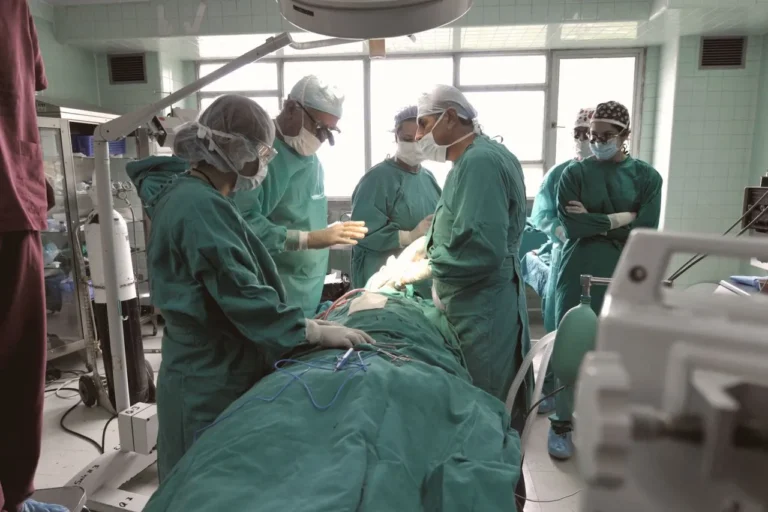
Mouwasat Hospital Khobar has successfully performed a complex total gastrectomy with lymph node removal using robotic-assisted surgery, marking what the hospital describes as the first procedure of its kind in Saudi Arabia’s private healthcare sector. The operation was carried out to treat a tumor located in the upper portion of the stomach and demonstrates the growing use of advanced minimally invasive surgical techniques for complex gastrointestinal oncology cases.
The procedure was performed under the supervision of Dr. Sami Al-Asiri, Consultant in Robotic Surgery and Gastrointestinal Oncology, as part of a comprehensive treatment pathway developed for a patient in his sixties. The patient’s treatment involved multiple stages, beginning with diagnostic examinations and clinical assessments before progressing to chemotherapy and radiation therapy.
Following completion of the planned cancer treatment, the patient underwent a total gastrectomy, involving complete removal of the stomach, together with removal of the associated lymph nodes. The surgical team then reconstructed the digestive pathway by connecting the esophagus directly to the small intestine.
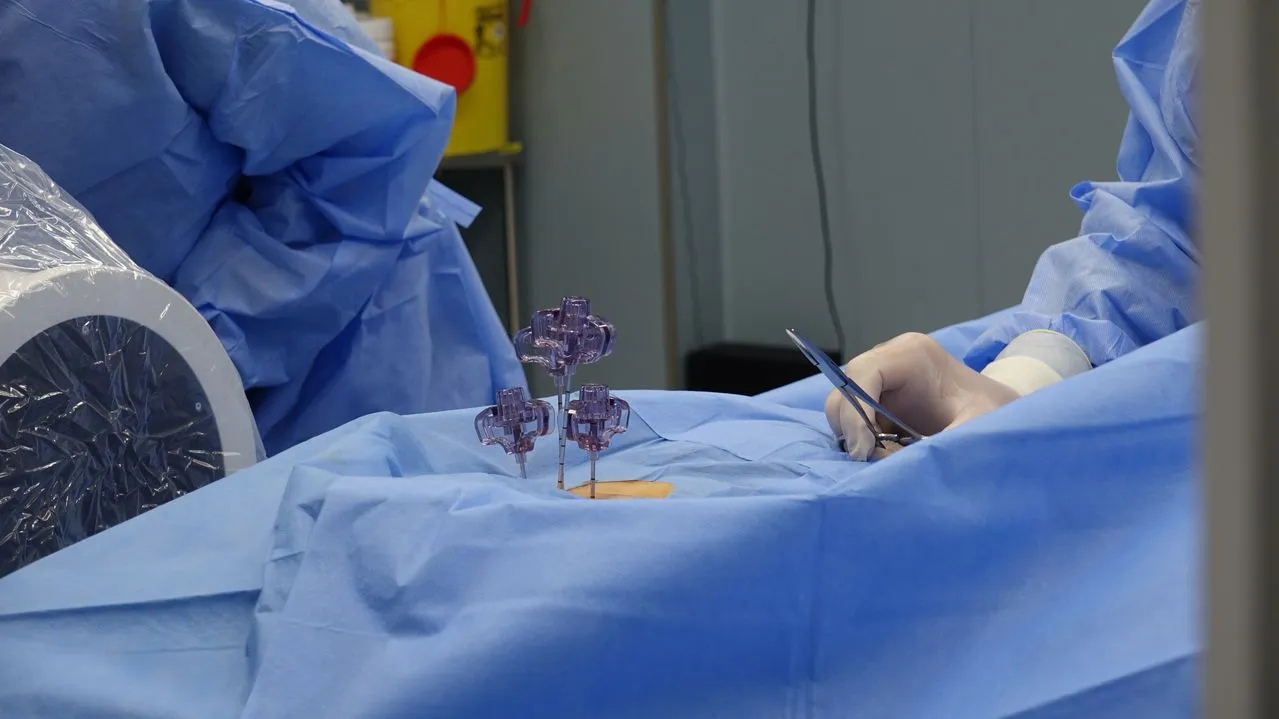
According to Mouwasat Hospital Khobar, the operation was completed using robotic surgery through small incisions, without the need for a conventional open abdominal or chest incision. The minimally invasive approach enabled the surgical team to perform the complex procedure with a high degree of precision while supporting the patient’s postoperative recovery.
Total gastrectomy is a major surgical procedure that involves removing the entire stomach. It can be required in certain cases of stomach cancer, particularly when a tumor’s location or extent makes partial removal inappropriate.
In this case, the tumor was located in the upper section of the stomach. The surgical plan involved not only removing the tumor and the entire stomach but also removing regional lymph nodes as part of the cancer treatment.
Lymph node removal can be an important component of surgery for stomach cancer because cancer cells can spread from the primary tumor to nearby lymphatic structures. Removing and examining these lymph nodes can form part of the surgical management and assessment of the disease.
The complexity of the operation requires careful coordination among surgeons, oncologists, anesthesiology teams, nurses and other healthcare professionals. For the patient treated at Mouwasat Hospital Khobar, the surgical procedure was undertaken after the patient had completed chemotherapy and radiation therapy as part of the broader treatment plan.
The use of robotic technology added another dimension to the surgical approach, allowing the team to perform the procedure through minimally invasive access.
Robotic-assisted surgery is increasingly being used for complex procedures because it can provide surgeons with enhanced visualization and precise instrument control.
During the procedure at Mouwasat Hospital Khobar, the surgical team used robotic technology through small incisions rather than opening the abdomen or chest. This approach is designed to reduce the physical impact associated with conventional open surgery while allowing surgeons to perform detailed surgical maneuvers.
For complex gastrointestinal oncology procedures, precision can be particularly important. Surgeons must work around important anatomical structures while removing the affected tissue and lymph nodes.
The robotic platform allows specialized instruments to be controlled by the surgeon while providing an enlarged view of the surgical field. This can assist with precise dissection and reconstruction during complex procedures.
In the case performed at Mouwasat Hospital Khobar, the technology was used to support the complete removal of the stomach and lymph nodes followed by reconstruction of the digestive tract.
Following removal of the stomach, the digestive system must be reconstructed so that food and digestive fluids can continue to pass through the gastrointestinal tract.
In this procedure, the surgical team connected the esophagus directly to the small intestine. This reconstruction allows the digestive pathway to bypass the stomach, which has been completely removed.
The reconstruction is a critical stage of total gastrectomy. It requires careful surgical technique to establish a secure connection between the esophagus and small intestine.
The successful completion of both the cancer removal and reconstruction phases is therefore an important part of the overall procedure.
Because total gastrectomy fundamentally changes the digestive system, patients typically require medical and nutritional support as they adapt following surgery. The postoperative period involves monitoring the patient’s recovery and ensuring that the reconstructed digestive pathway functions appropriately.
At Mouwasat Hospital Khobar, the patient reportedly progressed through the postoperative period in stable condition and experienced a rapid recovery following the procedure.
The operation was not an isolated surgical intervention. It formed part of a broader treatment plan involving several stages of cancer care.
The patient’s pathway began with medical examinations and assessments to determine the nature and extent of the tumor. The patient then received chemotherapy and radiation therapy before proceeding to surgery.
This sequence reflects the multidisciplinary nature of modern cancer treatment. Depending on the type, location and stage of a tumor, patients may require combinations of systemic therapy, radiation and surgery.
Chemotherapy can be used to target cancer cells throughout the body, while radiation therapy can be directed toward the tumor and surrounding area. Surgery can then be used to remove the primary disease and, where clinically appropriate, affected lymph nodes.
The coordination of these treatments requires collaboration between different medical specialties.
For this patient, the surgical component was led by a specialist in robotic surgery and gastrointestinal oncology, with the procedure carried out following completion of the planned chemotherapy and radiation treatment.
Gastrointestinal oncology surgery involves some of the most technically demanding procedures in cancer care. The stomach is located within a complex anatomical region surrounded by important blood vessels, organs and lymphatic structures.
A total gastrectomy therefore requires detailed knowledge of anatomy and careful surgical planning. When lymph node removal is also required, the procedure becomes more extensive.
Robotic surgery can provide technological support for such procedures by offering surgeons high-definition visualization and controlled instrument movement.
The approach used at Mouwasat Hospital Khobar allowed the surgical team to access the affected area through small incisions. According to the hospital, the tumor and lymph nodes were completely removed during the operation.
The hospital considers the procedure an important achievement for its robotic surgery and gastrointestinal oncology capabilities.
One of the key characteristics of the procedure was its minimally invasive nature.
Traditional open surgery generally requires a larger incision to access the abdominal cavity. Robotic-assisted surgery can allow surgeons to perform certain complex operations through several smaller incisions.
Smaller surgical access points may contribute to reduced postoperative discomfort and support recovery, although individual outcomes vary depending on the patient’s condition, the complexity of the surgery and other clinical factors.
For the patient treated at Mouwasat Hospital Khobar, the hospital reported reduced pain and rapid recovery following the robotic procedure.
The approach also avoided the need to open the abdomen or chest through a conventional large incision.
The use of robotic technology therefore provided the surgical team with a minimally invasive method for carrying out a procedure that traditionally requires extensive surgical access.
The successful operation highlights Mouwasat Hospital Khobar’s investment in advanced surgical services.
The hospital provides specialized medical services across multiple disciplines and has developed capabilities in robotic surgery and gastrointestinal oncology.
Robotic surgery requires not only advanced equipment but also specialized clinical expertise, trained surgical teams and appropriate supporting infrastructure. Successful implementation also depends on coordination among surgeons, anesthesiologists, nurses, operating room staff and postoperative care teams.
The procedure demonstrates how these capabilities can be brought together for complex cancer cases.
Dr. Sami Al-Asiri’s role in supervising the operation reflects the importance of specialist expertise in robotic and gastrointestinal oncology procedures. The combination of surgical specialization and advanced technology provides a foundation for managing cases that require complex intervention.
The procedure also reflects the continuing development of advanced medical services within Saudi Arabia’s private healthcare sector.
Healthcare providers in the Kingdom have increasingly invested in specialized treatment programs, advanced surgical technologies and multidisciplinary care models.
Robotic surgery is one area where technological development is creating new possibilities for minimally invasive treatment.
The use of robotic systems in gastrointestinal oncology can provide an additional option for appropriately selected patients who require complex procedures.
The Mouwasat Hospital Khobar operation represents an example of how private hospitals are expanding their ability to manage sophisticated surgical cases within the Kingdom.
According to the hospital, the procedure is the first total gastrectomy with lymph node removal performed using robotic surgery in Saudi Arabia’s private healthcare sector.
Following the operation, the patient remained in stable condition during the postoperative period. The hospital reported that the patient experienced a rapid recovery.
Successful recovery following total gastrectomy involves careful monitoring because the procedure is extensive and significantly changes the patient’s digestive system.
Patients may require close observation following surgery, including monitoring of the reconstructed gastrointestinal tract, nutritional status and overall recovery.
The medical team must also monitor for potential postoperative complications and ensure that the patient is able to transition appropriately through the stages of recovery.
In this case, the hospital reported a positive postoperative course, adding to the significance of the procedure.
The case also demonstrates the importance of integrated cancer care, in which diagnosis, medical treatment, radiation therapy, surgery and postoperative management are coordinated as part of a single treatment pathway.
For complex stomach tumors, treatment can involve several medical specialties. Surgical oncology plays an important role when removal of the tumor and surrounding lymph nodes is required, while medical and radiation oncology can contribute before or after surgery depending on the patient’s treatment plan.
The patient treated at Mouwasat Hospital Khobar underwent chemotherapy and radiation therapy before the surgical intervention.
This integrated approach allows treatment decisions to be made around the patient’s individual condition rather than relying on a single treatment method.
The involvement of specialists in robotic surgery and gastrointestinal oncology further supports the hospital’s focus on complex cancer cases.
The reported procedure represents an important milestone for Mouwasat Hospital Khobar and its robotic surgery program.
Performing a total gastrectomy with lymph node removal robotically requires significant technical expertise because the procedure combines extensive cancer surgery with complex reconstruction.
The ability to complete the procedure without opening the abdomen or chest demonstrates the potential of minimally invasive surgical technology in appropriately selected gastrointestinal oncology cases.
The successful outcome also highlights the importance of combining advanced technology with experienced clinical teams.
While robotic systems provide sophisticated surgical capabilities, patient outcomes depend on appropriate patient selection, careful planning, surgical expertise and comprehensive postoperative care.
Mouwasat Hospital Khobar’s successful robotic total gastrectomy with lymph node removal adds another example of advanced surgical care being delivered within Saudi Arabia’s private healthcare sector.
The procedure combined robotic technology, gastrointestinal oncology expertise and a multidisciplinary cancer treatment pathway to manage a complex stomach tumor.
For the patient, the treatment included diagnostic assessment, chemotherapy, radiation therapy, robotic total gastrectomy, lymph node removal and reconstruction connecting the esophagus to the small intestine.
The hospital reported that the tumor and lymph nodes were completely removed and that the patient experienced a stable postoperative course and rapid recovery.
The achievement also highlights the broader development of robotic surgery in Saudi Arabia. As hospitals continue to invest in advanced technologies and specialist expertise, robotic-assisted procedures may become increasingly important in the management of complex surgical conditions.
For Mouwasat Hospital Khobar, the procedure reinforces its capabilities in robotic surgery and gastrointestinal oncology and reflects its broader focus on providing advanced treatment options for complex cases.
The hospital’s achievement demonstrates how modern minimally invasive technology can be integrated with specialized medical expertise to deliver sophisticated cancer surgery. As Saudi Arabia’s healthcare sector continues to develop, such procedures may contribute to expanding access to advanced surgical care while giving appropriately selected patients additional minimally invasive treatment options.
Source link: https://www.mouwasat.com/