For many families across the United States, accessing healthcare can be more difficult and time-consuming than expected. Long waits for primary care appointments, increasing out-of-pocket expenses, high-deductible health plans and a fragmented healthcare system can make it challenging for people to receive timely care. In some cases, these barriers may lead people to postpone medical attention or manage health concerns without professional guidance.
Retail healthcare is increasingly providing another way for patients to access services. By bringing medical care into convenient community locations and expanding virtual and digital options, retail health providers are creating additional entry points into the healthcare system.
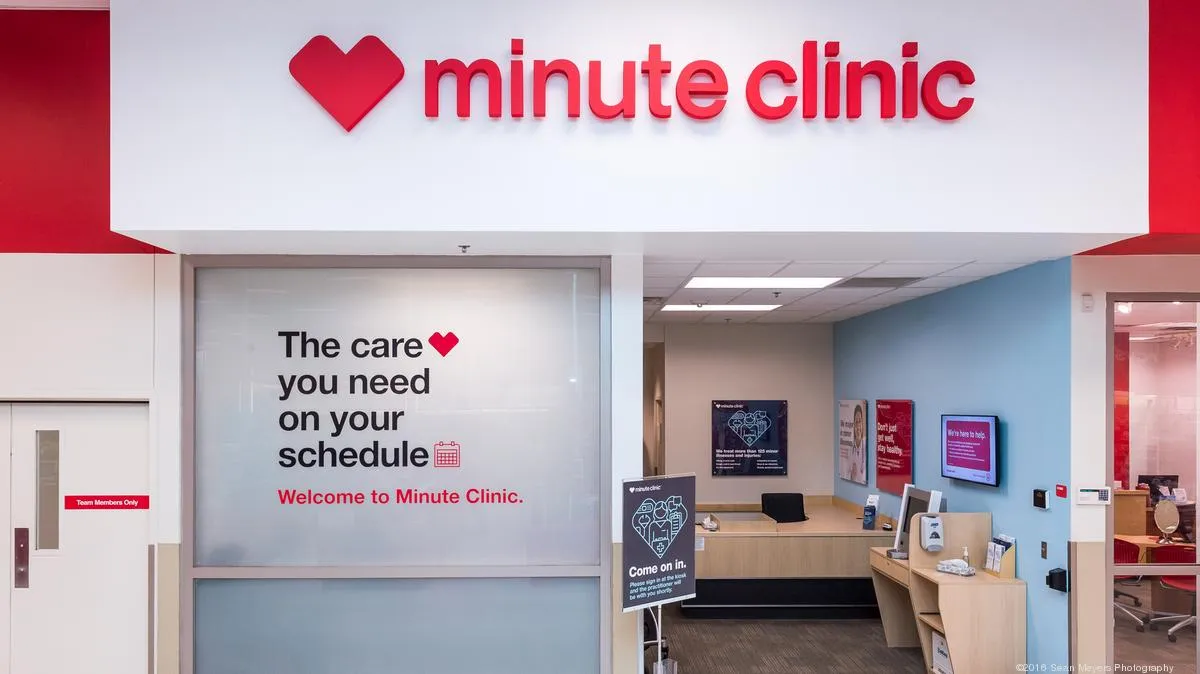
MinuteClinic, the medical clinic located inside select CVS Pharmacy stores, is one example of this approach. The service offers patients access to same-day care, preventive services, primary care, women’s health services, chronic condition support and other healthcare options through in-person, virtual and digital channels.
The company is expanding its range of services with a focus on affordability, convenience and access, giving patients more ways to seek care according to their individual needs.
Healthcare access continues to be influenced by both cost and availability. For patients, finding an appointment at a convenient time can be difficult, while the financial responsibility associated with care can also affect healthcare decisions.
Approximately four in 10 privately insured adults are enrolled in high-deductible health plans, according to data from the Centers for Disease Control and Prevention. Higher deductibles can mean patients face greater out-of-pocket expenses before insurance coverage begins to contribute more significantly toward certain healthcare costs.
These financial considerations can encourage patients to look for healthcare options that provide greater transparency and convenience.Retail clinics have emerged as one option for people seeking care outside traditional primary care settings. Research cited by CVS Health indicates that two-thirds of retail clinic users return because of convenience and cost savings.
MinuteClinic is designed to serve patients who need convenient access to healthcare while also providing services that extend beyond treatment for common illnesses.“Retail health is becoming an important resource in communities for those facing long wait times and limited availability of care,” said Jon Thiboutot, President, Retail Health, CVS Health.
Thiboutot noted that many people associate MinuteClinic primarily with treatment for coughs, colds and flu. However, the organization provides a broader selection of services, including preventive care, primary care, women’s health services and weight-management support.
The role of retail healthcare has evolved considerably. While retail clinics have traditionally been associated with treating relatively straightforward conditions, providers are increasingly offering services designed to support broader healthcare needs.MinuteClinic provides patients with opportunities to access care for both immediate concerns and longer-term health needs.
Common illnesses remain an important part of the service. However, patients can also seek support related to preventive healthcare, chronic conditions, weight management and women’s health.This broader range of services can give patients additional opportunities to connect with healthcare professionals without necessarily waiting for a traditional primary care appointment.
The model also provides flexibility in how patients receive care. Depending on the service and location, patients can access care in person, virtually or through digital services.
Virtual healthcare has become an increasingly important component of healthcare delivery. For patients who have difficulty traveling to a clinic or finding an appointment that fits their schedule, virtual services can provide another way to connect with qualified healthcare professionals.MinuteClinic Virtual Care is available nationwide 24 hours a day, seven days a week, including holidays, according to CVS Health.
Patients can use the service with or without insurance, and an upfront cash-pay option of $89 is available.The availability of virtual care can be particularly useful for patients dealing with common conditions that may not require an in-person examination. Instead of traveling to a healthcare facility, eligible patients can communicate with a board-certified provider remotely.
Virtual care can also help patients fit healthcare into busy schedules. People managing work, family responsibilities or transportation challenges may find digital appointments more accessible than traditional visits.At the same time, virtual care is not intended to replace every form of medical evaluation. When a condition requires an in-person examination or a higher level of care, patients can be directed toward an appropriate setting.
MinuteClinic is also expanding services related to weight management and chronic health conditions.Conditions such as diabetes and heart disease often require ongoing management rather than a single visit. Patients may need regular monitoring, treatment adjustments, medication management and continued support.
MinuteClinic offers services intended to support some of these needs through in-person and virtual appointments.For eligible patients, a $29 digital weight-loss visit provides an opportunity to connect with a licensed clinician who can assess whether GLP-1 treatment may be appropriate.
Patients who begin treatment can continue working with MinuteClinic providers for follow-up appointments, medication adjustments and ongoing support.This provider-guided approach is intended to ensure that treatment decisions are made following an evaluation of the patient’s needs rather than simply providing medication without clinical oversight.
David Fairchild, MD, Chief Medical Officer, Retail Health, CVS Health, said the demand for weight management and support for conditions such as diabetes and heart health continues to grow.He emphasized that MinuteClinic provides provider-guided care through in-person and virtual visits, as well as secure messaging in appropriate circumstances.
According to Fairchild, these services allow providers to create individualized treatment plans and connect patients with specialized care when necessary.
One of the largest challenges facing the U.S. healthcare system is the availability of primary care.Primary care providers play an important role in preventive services, wellness examinations, routine health assessments and the long-term management of chronic conditions. However, many communities have fewer primary care providers than are needed to meet demand.
Federal data cited by CVS Health indicates that more than 100 million Americans live in federally designated primary care shortage areas.Appointment availability is another challenge. According to data referenced by the company, new patients nationally wait an average of 31 days for a primary care appointment, representing a 19% increase since 2022.
Long appointment waits can create difficulties for patients who need routine preventive care or want to establish an ongoing relationship with a primary care provider.Retail health clinics can provide another access point for eligible patients.
MinuteClinic has expanded its primary care services to address some of the challenges associated with accessing ongoing healthcare.Adults can access primary care at more than 65% of MinuteClinic locations across 17 states and Washington, D.C., through affiliations with payers and health systems.
The company’s experience since launching adult primary care in 2024 provides early indications of how patients are using these services.According to CVS Health, 60% of MinuteClinic primary care patients returned for a wellness examination within six to eight weeks after their initial care. In addition, 15% of acute-care patients chose to establish primary care with MinuteClinic.
These figures illustrate how an initial healthcare interaction can potentially develop into a longer-term relationship.A patient may initially visit a retail clinic because of an immediate illness or health concern. That encounter can then provide an opportunity to establish ongoing primary care, including preventive services and health monitoring.
For people who have not recently seen a primary care provider, navigating the healthcare system can be challenging.Patients may be unsure where to begin, particularly when they have a health concern that does not require emergency treatment but still needs professional attention.
Retail healthcare locations can provide a relatively accessible entry point.By offering services in community-based locations and through virtual platforms, MinuteClinic is creating multiple ways for patients to seek medical attention.
This approach can be especially relevant for people who have difficulty obtaining traditional primary care appointments.Rather than relying on one channel, patients can choose among available in-person, virtual and digital options depending on their circumstances and the type of care they need.
MinuteClinic is also introducing additional digital healthcare options.In select states, patients can use Care Consult, a $29 digital service that allows them to seek care for certain conditions without scheduling a traditional in-person visit.
The service covers conditions including urinary tract infections, sinus infections, acne and pink eye, as well as weight-management needs.Patients complete a series of questions online, after which a licensed provider reviews the information. The provider then determines an appropriate treatment plan and communicates the plan to the patient.
This model is designed to simplify the process for conditions that may be suitable for digital evaluation.Importantly, the process also includes escalation when additional assessment is necessary. If the information provided indicates that a patient requires further evaluation, the patient can be directed to a higher level of care.That creates a connection between digital convenience and clinical oversight.
Virtual care is becoming an established part of the healthcare delivery system.The global telehealth market has been projected to expand substantially over the coming years, reflecting growing interest in remote healthcare services.
For healthcare providers, virtual services can extend access beyond physical locations. For patients, they can reduce some of the logistical barriers associated with traditional appointments.However, virtual care works most effectively when it is integrated into a broader healthcare system rather than treated as a standalone replacement for every type of medical service.
MinuteClinic’s combination of physical clinics, virtual appointments and digital services reflects this integrated approach.Patients can access different levels and formats of care depending on their needs, while providers can direct patients to in-person or specialized services when necessary.
Convenience is increasingly becoming an important consideration in healthcare.Patients have work schedules, family responsibilities, transportation limitations and other obligations that can make traditional healthcare appointments difficult to manage.
Retail health models are designed to address some of these practical challenges by bringing care closer to where people live and work and by offering digital alternatives.MinuteClinic’s model combines neighborhood-based medical clinics with virtual care and digital consultations.
This gives patients multiple options for accessing healthcare and may make it easier for them to seek attention for concerns they might otherwise postpone.
While accessibility is an important component of retail healthcare, clinical quality and appropriate treatment remain central considerations.MinuteClinic’s services are structured around licensed and qualified healthcare providers who evaluate patients and determine appropriate care.
For chronic conditions and weight-management services, ongoing provider involvement can support monitoring and treatment adjustments.For digital consultations, providers review patient information before developing treatment recommendations, while patients who need additional evaluation can be directed to a higher level of care.
This combination of convenience and clinical oversight is an important part of the company’s approach to expanding access.MinuteClinic’s expanding service portfolio reflects broader changes in the way Americans access healthcare.
The traditional healthcare journey often depends on securing a primary care appointment, traveling to a medical office and navigating a system that can involve significant waiting times and costs. Retail health is creating additional pathways by combining physical clinics with virtual and digital services.
MinuteClinic is expanding beyond its traditional association with treating common illnesses and now supports a wider range of healthcare needs, including preventive care, adult primary care, women’s health, weight management and chronic-condition support.Its virtual care services provide another way for patients to connect with board-certified providers, while digital services such as Care Consult offer additional convenience for eligible conditions.
The company’s expansion of adult primary care also provides an opportunity for patients to establish longer-term relationships with providers. Early results, including wellness-visit follow-up and the transition of some acute-care patients into primary care, indicate how retail clinics can function as more than locations for one-time healthcare needs.
As healthcare costs and appointment availability remain important considerations for American families, convenient care models are likely to remain an important part of the healthcare delivery landscape.
MinuteClinic’s combination of neighborhood locations, virtual care, primary care and digital healthcare services is designed to give patients greater flexibility in how they access medical support.
Ultimately, the company’s approach is centered on making healthcare more accessible within the realities of people’s everyday lives. By providing different pathways to care and connecting patients with qualified providers, MinuteClinic is seeking to make it easier for more Americans to receive timely care, manage ongoing health needs and establish connections with the healthcare system.
Source link: https://www.cvshealth.com/