RadNet, a provider of outpatient diagnostic imaging services and developer of digital health solutions, has announced a new collaboration with WIN-NextGen, a workforce innovation network focused on developing talent across STEM, supply chain and skilled trades. The initiative is designed to introduce middle school students, high school students and young adults to career opportunities in medical imaging and radiology.
The collaboration comes as the medical imaging field faces workforce challenges while demand for diagnostic imaging services continues to increase. RadNet and WIN-NextGen are seeking to address the long-term workforce pipeline by introducing students to imaging careers earlier, providing educational resources and creating opportunities for mentorship and real-world exposure.
Through the program, students between the ages of 12 and 17 across Maryland, Washington, D.C., and parts of Virginia, along with young adults between 18 and 24, will have access to WIN-NextGen’s digital workforce platform. The platform will feature age-appropriate educational modules, interactive career experiences, mentorship opportunities and opportunities to visit and shadow professionals at imaging centers.
The organizations expect the collaboration to evolve over time, with potential additions including internship and scholarship opportunities.
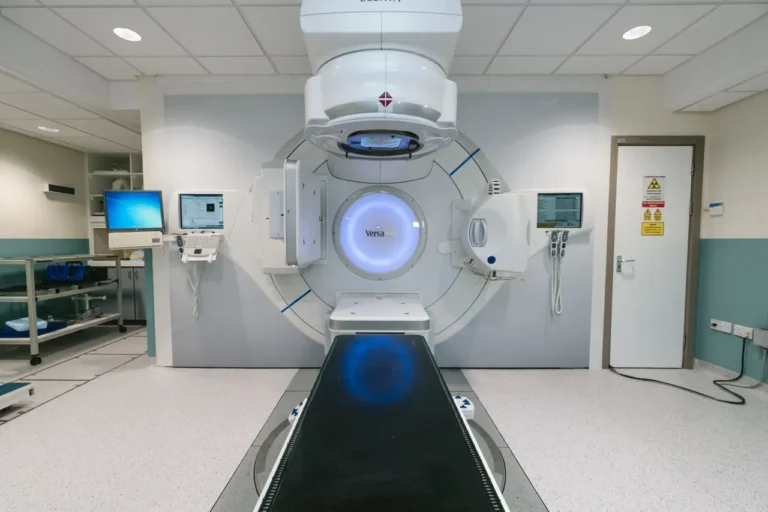
Medical imaging is an essential part of modern healthcare. Technologies such as X-ray, magnetic resonance imaging, computed tomography and other diagnostic imaging modalities help healthcare professionals identify and monitor a wide range of medical conditions.
As demand for diagnostic imaging grows, healthcare organizations require a steady supply of qualified professionals capable of operating imaging equipment, supporting patients and contributing to diagnostic workflows.
The workforce challenge extends across multiple roles within medical imaging. The pipeline of future radiologists and radiologic technologists needs to grow alongside the demand for imaging services.
Addressing that challenge requires more than recruiting people who are already preparing to enter the healthcare workforce. It also requires introducing younger students to healthcare careers and helping them understand the educational and professional pathways available to them.
The RadNet and WIN-NextGen collaboration is designed around that longer-term approach.
Rather than waiting until students reach college or begin searching for jobs, the initiative introduces medical imaging careers during middle school, high school and early adulthood.
The goal is to help young people understand what professionals in medical imaging do, what skills are required and how their interests and abilities can translate into careers in radiology and related fields.
The initiative will provide participants with access to educational content and career experiences designed for different age groups.
Students ages 12 to 17 will have the opportunity to explore medical imaging through learning modules and interactive experiences. Young adults ages 18 to 24 will also be able to participate, providing opportunities for individuals who may already be considering healthcare careers or exploring alternative professional pathways.
The digital workforce platform is expected to serve as an important component of the program. Participants will be able to engage with educational material at an age-appropriate level while learning about the different roles available within medical imaging.
Mentorship will provide another layer of career exploration.
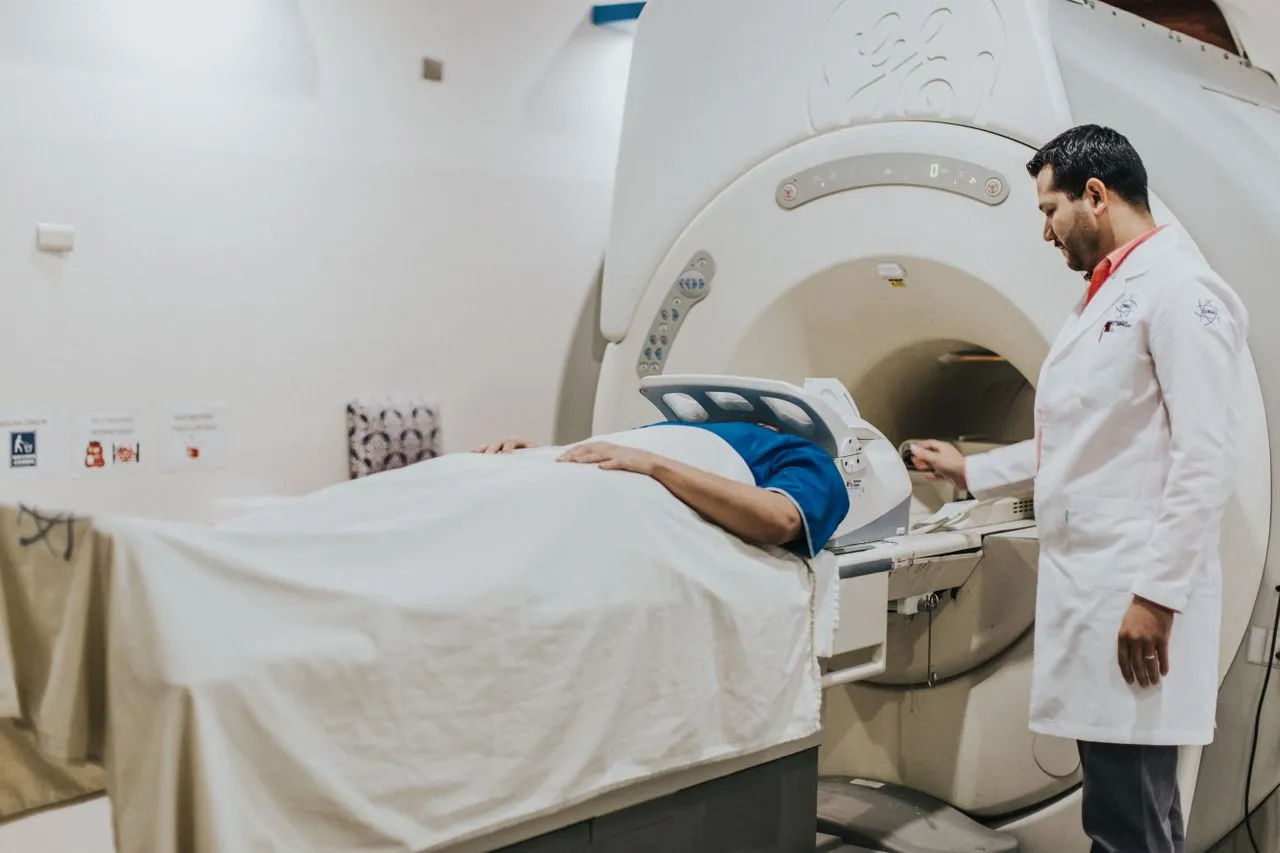
Connecting students with experienced radiologic technologists can give participants an opportunity to ask questions about education, training, daily responsibilities and career development. Direct interaction with professionals can also help students gain a more realistic understanding of what a career in medical imaging involves.
The program will additionally provide imaging center shadowing experiences, allowing participants to see healthcare professionals in a real clinical environment.
For many young people, understanding how to enter a specialized healthcare profession can be difficult.
Students may know about doctors and nurses but have less familiarity with careers such as radiologic technologists, imaging specialists and other professionals who support diagnostic services.
The collaboration seeks to address that awareness gap by making medical imaging careers more visible to younger audiences.
Steve Forthuber, President and Chief Executive Officer of RadNet Eastern Operations, described the initiative as an investment in the future of radiology and the patients who depend on diagnostic imaging.
“Too many students and young graduates face barriers that prevent them from pursuing careers in medical imaging,” Forthuber said.
He added that the collaboration aims to increase awareness, expand access to mentorship and create meaningful learning experiences that could encourage more young people to enter the profession.
The focus on early exposure is particularly relevant because career decisions can begin forming years before students enter the workforce. Providing information about medical imaging earlier can help young people consider the field when they are making decisions about education and career preparation.
WIN-NextGen focuses on workforce development across what it calls the 3S Workforce™ — STEM, Supply Chain and Skilled Trades.
Its collaboration with RadNet brings that workforce-development approach into healthcare and medical imaging.
Elisa Basnight Layne, Founder and CEO of WIN-NextGen, said organizations need to invest in future talent before workforce shortages become more severe.
“RadNet is helping build tomorrow’s workforce,” Basnight Layne said.
She described the initiative as an opportunity to help young people discover meaningful career opportunities while creating a sustainable talent pipeline that can benefit patients, communities and the medical imaging profession.
The approach reflects a shift toward longer-term workforce development. Instead of viewing recruitment as an activity that begins when a position becomes available, organizations can introduce students to career opportunities earlier and help them develop an understanding of potential pathways.
For healthcare employers, this can create greater awareness of specialized careers that students may otherwise overlook.
Classroom education can provide students with foundational knowledge, but exposure to real healthcare environments can make career exploration more tangible.
The RadNet and WIN-NextGen program will include imaging center shadowing experiences, giving participants an opportunity to observe medical imaging operations.
These experiences can help students understand how imaging centers function and how different professionals contribute to patient care.
Participants will also be able to interact with experienced radiologic technologists through mentorship sessions.
This combination of digital learning, mentorship and in-person exposure creates several ways for students to engage with the profession.
For younger students, the experience can serve as an introduction to medical imaging. For older students and young adults, it can provide more detailed information about possible education and career pathways.
The collaboration also emphasizes nontraditional career pathways.
Cliffondra Brown, Vice President of Customer Relations and Training & Development at RadNet, said the program is intended to help remove barriers and provide young people with a roadmap toward purposeful work.
According to Brown, students can explore the world of radiology regardless of whether they live in urban, suburban or rural communities.
This geographic approach is important because access to career information and professional networks can vary between communities.
By using a digital platform combined with in-person experiences, the program can provide participants with multiple opportunities to learn about medical imaging.
The initiative also seeks to connect students’ individual talents and interests with potential careers.
Medical imaging requires a combination of technical knowledge, attention to detail, communication skills, patient interaction and familiarity with healthcare technology. Introducing students to the profession can help them determine whether those requirements align with their interests and abilities.
During the initial phase of the program, participants will complete learning modules and receive rewards for their progress.
These rewards include exclusive “Totally Rad” merchandise, iPads, invitations to selected RadNet events and mentorship sessions with experienced radiologic technologists.
The incentives are intended to make participation more engaging while encouraging students to complete educational activities.
More importantly, the program gives participants access to experiences that extend beyond digital learning.
Mentorship sessions can provide direct interaction with professionals, while invitations to RadNet events can introduce participants to additional aspects of the healthcare and imaging environment.
The collaboration is expected to expand over time.
RadNet and WIN-NextGen anticipate potentially adding internship and scholarship opportunities as the initiative develops.
Internships could provide older students and young adults with more extensive exposure to medical imaging environments and potentially help them gain practical experience.
Scholarships could also provide financial support for eligible participants pursuing education related to medical imaging.
Together, these potential additions could create a more comprehensive pathway from early career awareness to professional preparation.
The initial program is therefore positioned as the starting point of a longer-term workforce initiative rather than a one-time educational event.
An official launch event is scheduled for Saturday, October 24, 2026, from 12:00 p.m. to 2:00 p.m. ET at RadNet’s Advanced Radiology Timonium Crossings Imaging Center in Timonium, Maryland.
The event will be held at 2080 York Road, Suite 160, Timonium, Maryland.
Middle school and high school students from Maryland, Washington, D.C., and Virginia will be able to attend with their families.
During the event, participants will tour the imaging facility, view demonstrations and take part in educational activities designed to introduce them to medical imaging.
The launch event is intended to provide students with a firsthand look at an imaging center and give families an opportunity to learn more about careers within the field.
Facility tours can be particularly valuable for students who have never visited an imaging center in a professional capacity. Seeing imaging equipment and observing how healthcare teams work can make the concepts introduced through digital learning more concrete.
The medical imaging workforce includes professionals with different educational backgrounds and responsibilities.
Radiologic technologists, for example, work directly with imaging equipment and patients and play an important role in the diagnostic process. Radiologists interpret medical images and work with other healthcare professionals to support diagnosis and treatment decisions.
Introducing students to this range of roles can help broaden their understanding of the profession.
The program also provides an opportunity to highlight the technology involved in modern medical imaging.
Healthcare technology continues to evolve, and imaging professionals work with increasingly sophisticated equipment and digital systems. For students interested in science, technology and healthcare, medical imaging can offer a career path that combines those areas.
A stronger medical imaging workforce can have implications beyond individual employers.
When communities have access to sufficient diagnostic imaging capacity and qualified professionals, patients can potentially receive diagnostic services as part of their broader healthcare journey.
Workforce shortages can create challenges for healthcare organizations trying to meet demand. Developing talent locally and introducing young people to medical imaging careers can contribute to a broader pipeline of future professionals.
The RadNet and WIN-NextGen initiative focuses on building that pipeline over time.
By engaging students before they enter the workforce, the organizations aim to create greater awareness of medical imaging careers and encourage participants to consider educational pathways that can lead to employment in the field.
The collaboration between RadNet and WIN-NextGen represents an effort to address medical imaging workforce development through early career education, mentorship and practical exposure.
The initiative recognizes that solving workforce challenges requires long-term planning. Recruiting today’s graduates remains important, but introducing younger students to healthcare careers can help build awareness well before they reach the job market.
Through the WIN-NextGen digital workforce platform, participants will gain access to educational modules and interactive experiences. Mentorship and imaging center shadowing will provide additional opportunities to connect with professionals and understand the realities of working in medical imaging.
The program’s planned expansion into internships and scholarships could eventually provide participants with additional support as they progress from career exploration into formal education and professional preparation.
The October 24 launch event in Timonium will provide an initial opportunity for students and their families to experience the program firsthand. Facility tours, demonstrations and educational activities will introduce participants to the medical imaging environment and the range of opportunities available within the profession.
For RadNet, the initiative extends its role beyond delivering diagnostic imaging services and into workforce development. For WIN-NextGen, the collaboration brings its workforce innovation model into a healthcare environment where demand for skilled professionals continues to create new challenges.
Together, the organizations are creating an early pathway for students and young adults to explore medical imaging, meet professionals, gain practical exposure and understand potential career opportunities.
As healthcare continues to rely on diagnostic imaging for patient evaluation and clinical decision-making, developing the next generation of imaging professionals will remain an important workforce priority. Through education, mentorship, digital learning and real-world experiences, the RadNet and WIN-NextGen collaboration aims to help young people discover the possibilities within medical imaging and contribute to a stronger future workforce.
Source link: https://www.radnet.com/