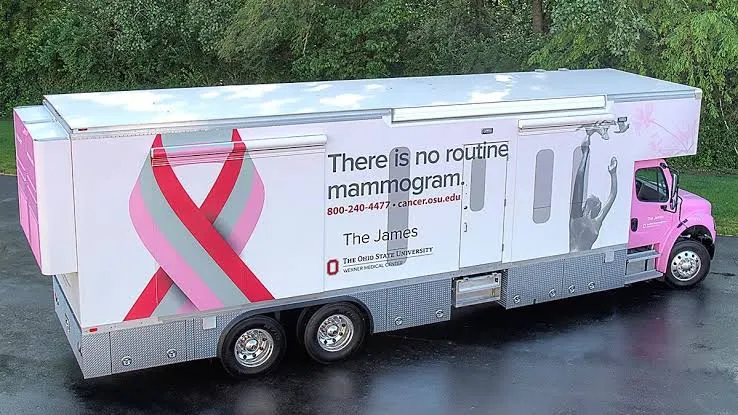
The MolinaCares Accord, in collaboration with Molina Healthcare of Washington, has announced a $75,000 grant to Peninsula Community Health Services (PCHS) to support the launch of the first mobile mammography unit serving Washington’s Kitsap Peninsula. The funding is expected to improve access to breast cancer screening for women living in Kitsap, Mason, and rural Pierce counties by bringing preventive healthcare services directly into underserved communities.
The initiative represents an important investment in community-based healthcare and preventive medicine, addressing one of the most significant barriers to breast cancer screening—limited access to mammography services for individuals living in rural and medically underserved areas. By supporting the deployment of a mobile screening unit, MolinaCares and Molina Healthcare of Washington aim to reduce healthcare disparities while encouraging earlier detection of breast cancer, ultimately improving health outcomes for women throughout the region.
Preventive healthcare plays a critical role in improving long-term health outcomes, particularly for diseases such as breast cancer, where early diagnosis can significantly increase treatment success. Despite advances in cancer screening technologies and public awareness efforts, many women continue to face challenges accessing routine mammograms due to transportation limitations, geographic isolation, scheduling difficulties, financial constraints, and shortages of nearby healthcare facilities.
These barriers are particularly common in rural communities where healthcare resources may be limited and patients often travel considerable distances for specialized medical services.
The new mobile mammography program seeks to eliminate many of these obstacles by delivering breast cancer screening services directly to local neighborhoods, community centers, healthcare clinics, and other convenient locations throughout Kitsap, Mason, and rural Pierce counties.
Rather than requiring patients to travel long distances to imaging facilities, the mobile unit will bring diagnostic services closer to where women live and work.
Breast cancer remains the most frequently diagnosed cancer among women in Washington State and continues to represent a significant public health concern.
While advances in screening and treatment have contributed to improved survival rates, regular mammography remains one of the most effective tools for detecting breast cancer before symptoms develop.
Unfortunately, screening participation remains below recommended levels in many communities.
A substantial number of eligible women do not receive routine mammograms, leaving cancers undetected until later stages when treatment becomes more complex and outcomes may be less favorable.
Washington has consistently reported lower-than-average participation in breast cancer screening compared with many other states, highlighting the need for innovative approaches that increase accessibility and encourage preventive care.
The mobile mammography initiative is designed specifically to address these screening gaps by making breast cancer detection services more convenient and accessible.
Healthcare experts continue to emphasize that early detection remains one of the strongest predictors of successful breast cancer treatment.
When breast cancer is identified during its earliest localized stages, treatment options are often less invasive, recovery may be easier, and survival outcomes improve dramatically.
Routine mammograms can detect tumors before they become physically noticeable, allowing physicians to begin treatment earlier and reduce the likelihood of disease progression.
Earlier diagnosis not only improves clinical outcomes but also helps reduce the emotional, physical, and financial burdens associated with advanced-stage cancer treatment.
Expanding access to mammography therefore represents both a public health priority and an important strategy for reducing healthcare costs over time.
Mobile healthcare programs have become increasingly valuable as healthcare organizations seek innovative methods for reaching populations that experience barriers to traditional care.
Unlike fixed imaging centers, mobile mammography units can travel throughout communities, providing preventive screening services in locations that are convenient for patients.
These services are especially beneficial for rural populations, individuals without reliable transportation, older adults, working women with limited flexibility, and underserved communities that may lack nearby diagnostic facilities.
The mobile model also allows healthcare providers to coordinate screening events with local organizations, employers, schools, faith-based institutions, and community health initiatives.
By integrating healthcare services into everyday community settings, providers can improve participation while increasing awareness about preventive screening.
The regions served by Peninsula Community Health Services include many communities where access to specialized healthcare services remains limited.
Residents in rural areas frequently encounter longer travel times, fewer healthcare providers, and reduced availability of diagnostic imaging services.
For women balancing work responsibilities, childcare, transportation challenges, or financial limitations, scheduling a mammogram at a distant facility may become difficult or impossible.
The mobile mammography program seeks to overcome these challenges by reducing travel requirements and bringing essential preventive services directly to communities across Kitsap, Mason, and rural Pierce counties.
This community-centered approach helps ensure that geography is less likely to determine access to potentially lifesaving breast cancer screening.
The $75,000 grant provided by The MolinaCares Accord will support several critical components necessary to successfully launch and operate the mobile mammography program.
Funding will primarily focus on building the workforce required to operate the mobile unit efficiently and safely.
The grant will help Peninsula Community Health Services recruit qualified professionals, including a certified mammography technologist responsible for performing breast imaging examinations.
Additional staffing support includes medical assistants or care coordinators who will help guide patients through the screening process, coordinate follow-up care when necessary, and provide education regarding preventive health services.
The funding will also support the hiring of a driver responsible for transporting the mobile unit safely throughout the region while maintaining operational schedules.
Beyond staffing, the grant will assist PCHS in securing the required accreditation, licensing, insurance, and operational approvals necessary to provide mammography services within a mobile healthcare environment.
These regulatory and administrative requirements are essential for ensuring that patients receive high-quality diagnostic services that meet established healthcare standards.
The investment represents more than simply purchasing equipment or expanding healthcare services.
It contributes to strengthening the overall healthcare infrastructure within the region by creating sustainable access to preventive care for underserved populations.
Community health organizations increasingly recognize that improving health outcomes requires meeting patients where they are rather than expecting patients to overcome systemic barriers independently.
Mobile healthcare initiatives have demonstrated success across multiple medical specialties, including immunizations, primary care, chronic disease management, dental care, and cancer screening.
The addition of mobile mammography further expands this community-focused healthcare model.
Health equity has become an increasingly important priority across healthcare systems throughout the United States.
Differences in healthcare access often contribute to disparities in preventive screening, early diagnosis, treatment, and overall health outcomes.
Women living in rural communities frequently experience lower screening rates because of transportation barriers, healthcare workforce shortages, and reduced availability of specialty services.
By investing in mobile mammography, MolinaCares and Molina Healthcare of Washington seek to reduce these disparities while ensuring that more women have equitable access to preventive healthcare regardless of where they live.
Improving access to routine mammograms supports broader efforts to create more inclusive healthcare systems that serve diverse populations.
The success of the mobile mammography initiative reflects strong collaboration between nonprofit healthcare providers and community-focused organizations.
The MolinaCares Accord has consistently supported programs that address social determinants of health, improve healthcare accessibility, and strengthen community wellness through targeted investments.
Partnering with Peninsula Community Health Services enables the organization to leverage PCHS’s established relationships within local communities while expanding preventive healthcare services where they are needed most.
This collaborative model combines financial support, healthcare expertise, and local community engagement to maximize the program’s long-term impact.
Increasing screening availability alone does not guarantee participation.
Successful preventive health initiatives also require patient education, outreach, and ongoing engagement.
Care coordinators supported through the grant will help educate women about the importance of regular breast cancer screening, answer questions regarding mammography procedures, and assist patients in navigating follow-up care when needed.
Providing personalized support throughout the screening process may help reduce anxiety while encouraging more women to participate in routine preventive care.
Community outreach efforts may also increase awareness among individuals who have never previously received mammography screening.
The impact of the mobile mammography unit extends beyond immediate screening services.
Earlier breast cancer detection contributes to improved patient outcomes, reduced treatment complexity, lower healthcare costs, and enhanced quality of life for patients and families.
Communities benefit when residents have greater access to preventive healthcare because earlier diagnosis often reduces the need for more extensive medical interventions later.
In addition, successful mobile screening programs frequently serve as models for expanding additional preventive healthcare services into underserved regions.
As community participation grows, healthcare organizations can continue identifying opportunities to improve healthcare accessibility through innovative delivery models.
The $75,000 grant awarded by The MolinaCares Accord, in partnership with Molina Healthcare of Washington, represents a meaningful investment in expanding preventive healthcare access across Washington’s Kitsap Peninsula. By supporting Peninsula Community Health Services in launching the region’s first mobile mammography unit, the initiative addresses longstanding barriers to breast cancer screening while strengthening healthcare services for women living in rural and underserved communities.
As breast cancer continues to affect thousands of women each year, improving access to early detection remains one of the most effective strategies for reducing mortality and improving long-term outcomes. Mobile mammography offers a practical solution by bringing high-quality screening services directly into communities, making preventive care more convenient, accessible, and equitable.
Through collaborative partnerships, community investment, and a shared commitment to women’s health, The MolinaCares Accord and Peninsula Community Health Services are helping create a healthcare model that prioritizes prevention, early diagnosis, and accessible care. The initiative demonstrates how targeted community funding can produce lasting public health benefits while empowering more women to take advantage of routine breast cancer screening regardless of geographic or transportation barriers.
Source link: https://www.businesswire.com/