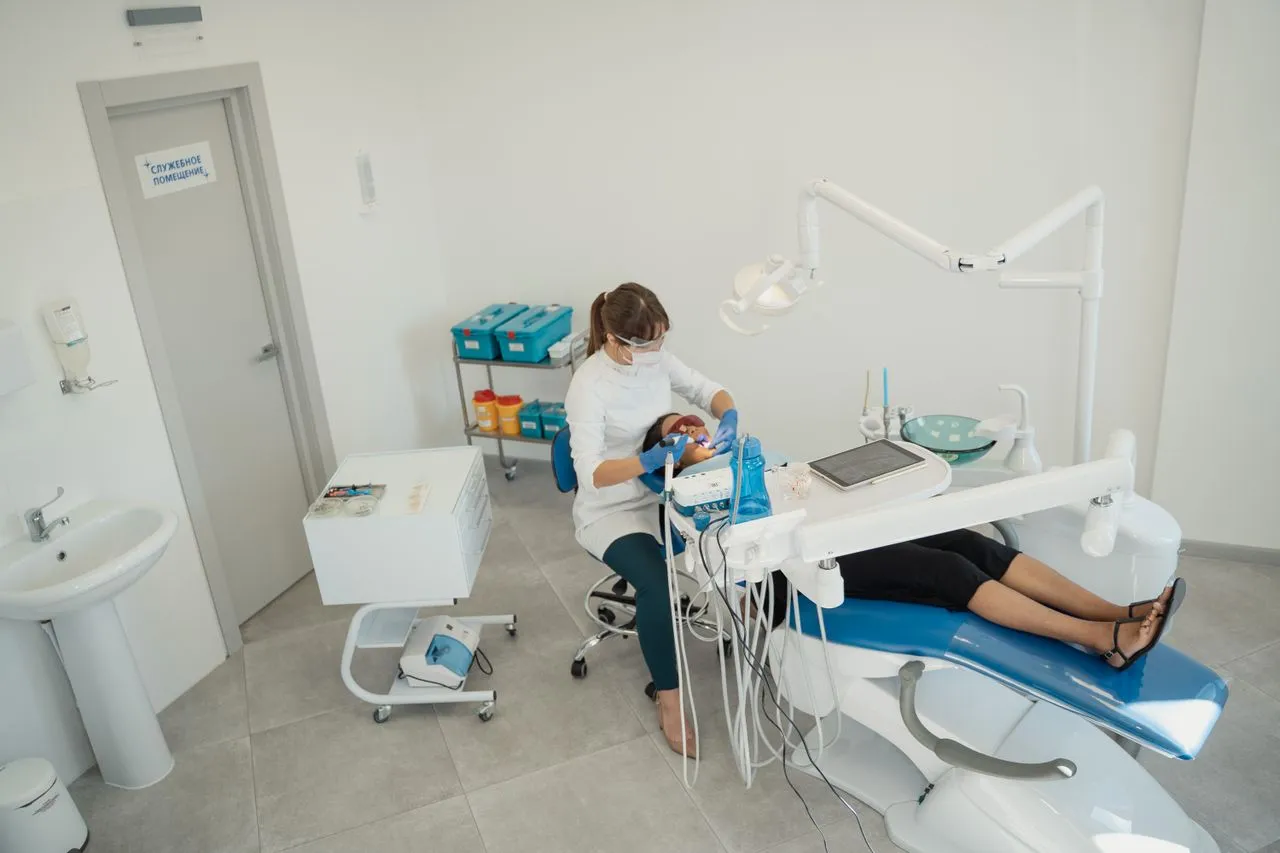
Peak Dental Services, a rapidly growing doctor-led dental services organization (DSO), has announced a comprehensive initiative to transform the experience of dental professionals by adopting a human-centered design framework across its organization. The company says it is the first dental services organization in the United States to apply this approach systematically to both clinician well-being and patient care, reflecting a broader shift toward creating healthier workplace environments while improving the overall quality of dental services.
The initiative represents a significant evolution in how dental organizations approach workforce development. Rather than focusing solely on clinical performance and operational efficiency, Peak Dental Services is placing equal emphasis on the experiences of dentists, dental hygienists, dental assistants, administrative professionals, and patients. Company leaders believe that supporting healthcare professionals through better workplace design ultimately leads to higher-quality patient care, stronger employee engagement, and sustainable organizational growth.
The dental profession has experienced growing workforce challenges in recent years. Staffing shortages, increasing patient demand, administrative responsibilities, regulatory requirements, and workplace stress have contributed to higher rates of professional burnout among dentists and clinical support teams.
While technological innovation has transformed many aspects of modern dentistry, comparatively less attention has been devoted to improving the daily experiences of the professionals delivering patient care.
Peak Dental Services is seeking to change that dynamic by incorporating principles of human-centered design into every aspect of its operations.
Human-centered design focuses on understanding the needs, behaviors, challenges, and experiences of individuals before designing processes, systems, and environments intended to support them. Rather than expecting clinicians to adapt to inefficient systems, the approach emphasizes redesigning workplaces to better serve the people working within them.
For Peak, this means examining workflows, communication, leadership, workplace culture, and clinical operations with the goal of removing unnecessary barriers that contribute to stress and inefficiency.
According to company leadership, the initiative extends beyond dentists alone.
Peak’s strategy recognizes that successful dental care depends upon coordinated teamwork involving dental hygienists, assistants, office managers, receptionists, treatment coordinators, and administrative personnel.
Each member of the care team plays an essential role in delivering high-quality patient experiences.
By identifying operational challenges that affect these professionals, Peak hopes to create workplaces where teams can focus more of their time and energy on patient care rather than administrative obstacles or inefficient processes.
This comprehensive approach reflects growing recognition throughout healthcare that employee well-being and patient outcomes are closely connected.
Leading the initiative is Dr. Bridget Duffy, who joined Peak Dental Services as Chief Executive Officer in January 2026.
Dr. Duffy brings extensive healthcare leadership experience and has long advocated for improving the experiences of both patients and healthcare professionals.
Earlier in her career, she became the nation’s first Chief Experience Officer in healthcare at Cleveland Clinic, where she established the organization’s Office of Patient Experience.
During her tenure, the institution developed programs designed to improve patient satisfaction, staff engagement, communication, and overall healthcare quality through a greater focus on organizational culture.
Now, Dr. Duffy is applying many of those principles within the field of dentistry.
Her vision centers on reducing everyday workplace obstacles that prevent clinicians from practicing at their highest level while supporting their personal well-being and professional satisfaction.
Rather than measuring success solely through financial performance, Peak seeks to balance operational excellence with healthier work environments and improved patient experiences.
Organizational culture has become an increasingly important topic throughout healthcare.
Research has demonstrated that workplace culture influences employee engagement, teamwork, patient safety, clinical outcomes, retention, and organizational performance.
Peak Dental Services believes that creating supportive workplace environments requires more than offering wellness programs or employee benefits.
Instead, the company is attempting to embed well-being into the organization’s daily operations through intentional leadership, communication, collaboration, and continuous improvement.
This cultural transformation aims to create workplaces where clinicians feel valued, psychologically safe, professionally supported, and empowered to contribute their expertise.
To evaluate the effectiveness of its human-centered design strategy, Peak has implemented the SCORE survey, a scientifically validated assessment tool designed to measure workplace well-being.
Developed by Dr. Bryan Sexton, Chief Wellness Officer of Duke Health Integrated Practice and Director of the Duke Center for the Advancement of Well-being Science, the survey has been widely used across hospitals and healthcare organizations internationally.
The assessment measures five key organizational dimensions:
Together, these indicators provide healthcare organizations with valuable insights into workforce well-being while identifying opportunities for improvement.
According to Peak, this represents the first known implementation of the SCORE survey within a dental services organization.
The organization believes objective measurement is essential for tracking progress and ensuring that workplace improvements produce meaningful outcomes.
Among the five measured dimensions, psychological safety has emerged as one of the most influential factors affecting healthcare team performance.
Psychological safety refers to an environment where employees feel comfortable expressing concerns, asking questions, admitting mistakes, and sharing ideas without fear of embarrassment or retaliation.
Healthcare research consistently associates psychologically safe workplaces with improved teamwork, stronger communication, fewer medical errors, and higher employee engagement.
By emphasizing psychological safety, Peak seeks to encourage open dialogue across its practices while fostering collaborative clinical decision-making.
Professional burnout remains a growing concern throughout dentistry.
Dentists and clinical staff frequently balance demanding patient schedules, complex procedures, regulatory documentation, insurance requirements, staffing challenges, and administrative responsibilities.
Over time, these pressures can contribute to emotional exhaustion, reduced job satisfaction, and workforce attrition.
Peak’s human-centered strategy aims to address burnout by redesigning workplace systems rather than expecting clinicians to simply become more resilient.
Improving workflows, strengthening leadership, encouraging collaboration, and reducing unnecessary stressors may collectively contribute to healthier and more sustainable careers.
Beyond improving current workplace experiences, Peak hopes to position itself as an employer of choice within dentistry.
Competition for experienced dental professionals continues increasing as organizations seek to recruit and retain qualified clinicians.
The company believes that workplace culture will become an increasingly important differentiator in attracting future talent.
By investing in professional development, organizational support, leadership quality, and employee well-being, Peak seeks to create an environment where dental professionals envision long-term careers.
Rather than viewing recruitment as its primary challenge, the organization hopes that exceptional workplace experiences will naturally strengthen retention and attract new clinicians.
Supporting the organizational transformation is an expanded leadership structure focused on clinical excellence and professional development.
Peak has appointed experienced clinical leaders responsible for advancing patient care, workforce engagement, and organizational quality across its growing network.
The company describes this leadership model as the foundation of a center of excellence dedicated to advancing both clinical standards and the human experience within dentistry.
Dr. Anthony Lere serves as Peak Dental Services’ Chief Experience Officer, becoming one of the first leaders in dentistry to hold this type of executive position.
Dr. Lere brings more than fifteen years of clinical experience and has been part of Peak since 2018.
Importantly, he continues practicing chairside while also providing leadership across the organization’s network.
Maintaining active clinical practice enables leadership decisions to remain grounded in the realities faced by practicing dentists and clinical teams.
Dr. Lere oversees clinical directors while helping shape Peak’s philosophy of patient care, clinical quality, and team collaboration.
The organization believes clinician leadership plays an essential role in building trust throughout its practices.
Another significant leadership appointment is Dr. Carrie Mauterer, who now serves as Peak’s Chief Well-Being and Quality Officer.
Dr. Mauterer brings decades of professional leadership experience and has served in numerous respected dental organizations, including leadership roles within the Colorado Dental Association and the American Dental Association.
Her appointment reflects Peak’s belief that clinical quality and workforce well-being should be managed together rather than independently.
Traditionally, healthcare quality programs have emphasized treatment standards, patient safety, and regulatory compliance.
Peak seeks to expand that definition by recognizing that clinician well-being also influences quality outcomes.
Supporting healthcare professionals emotionally and professionally may contribute to stronger patient experiences, improved teamwork, and higher clinical performance.
Growing evidence across healthcare suggests that employee satisfaction and patient satisfaction are closely linked.
When clinicians work within supportive environments characterized by effective leadership, collaboration, and adequate resources, patients often report better communication, greater trust, and higher satisfaction.
Peak’s human-centered design strategy reflects this understanding.
Rather than treating employee engagement and patient experience as separate initiatives, the company views them as interconnected components of healthcare quality.
Investing in clinicians therefore becomes an investment in patients as well.
Peak Dental Services currently supports more than sixty neighborhood dental practices across Colorado and Texas.
Although individual practices maintain strong community identities, the organization provides centralized resources, operational support, leadership development, and clinical collaboration across its growing network.
The human-centered design initiative will extend throughout these affiliated practices, creating more consistent workplace standards while respecting each practice’s local culture.
As the organization continues expanding, leadership expects these principles to become foundational elements of future growth.
Peak Dental Services’ adoption of a human-centered design framework represents an innovative approach to addressing some of dentistry’s most pressing workforce challenges. By focusing on clinician well-being, psychological safety, leadership development, and organizational culture alongside clinical excellence, the company is redefining how dental organizations support both employees and patients.
The introduction of validated well-being measurement tools, specialized executive leadership roles, and evidence-based workplace design reflects a broader movement toward more sustainable healthcare environments. As workforce shortages, burnout, and patient expectations continue shaping the future of dentistry, organizations that prioritize the human experience may become better positioned to recruit talented professionals, improve patient outcomes, and achieve long-term organizational success.
Through its investment in people, culture, and collaborative care, Peak Dental Services aims to demonstrate that supporting dental professionals is not only beneficial for employees but also essential for delivering exceptional patient care and building stronger, healthier communities.
Source link: https://www.businesswire.com/