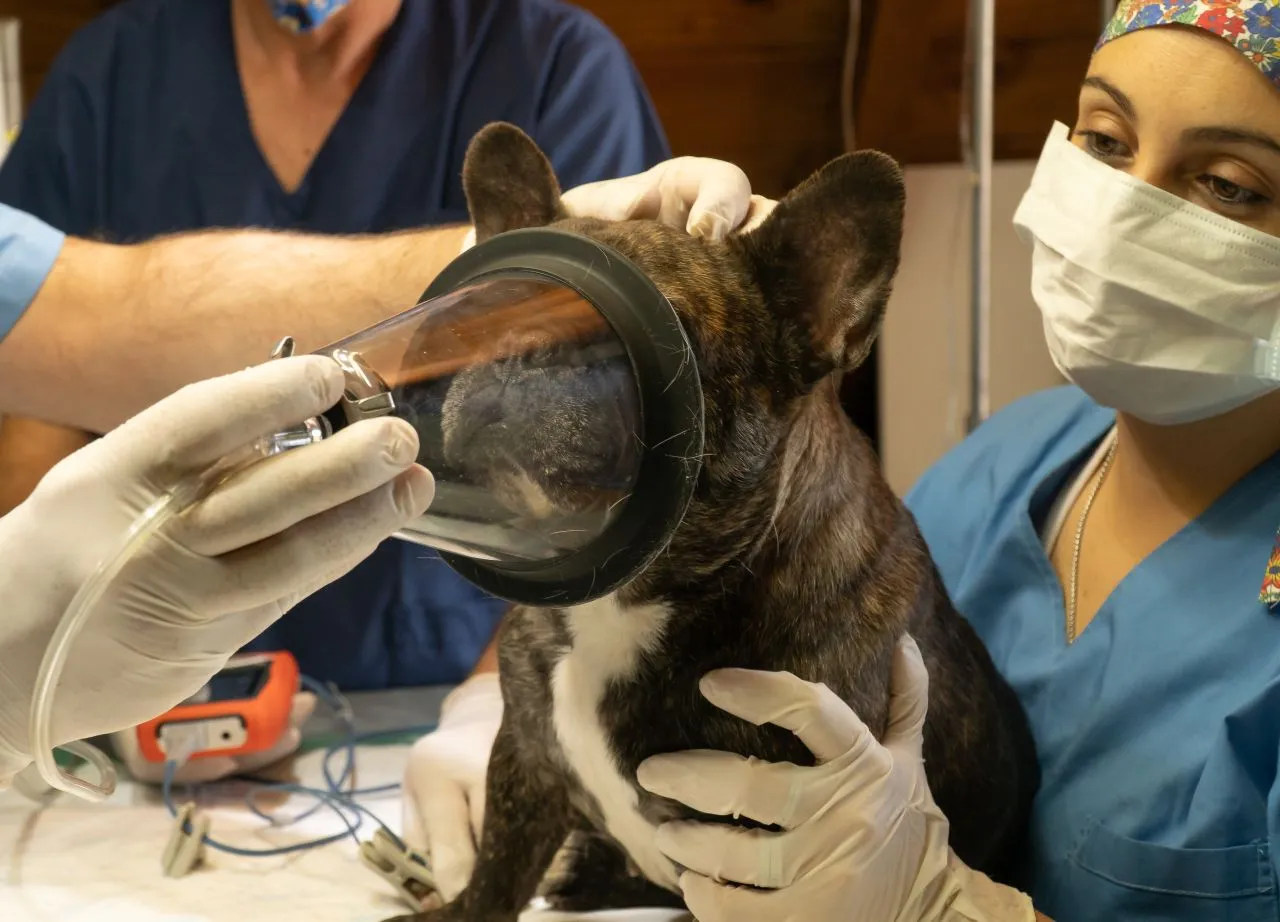
Veterinary Dentistry Specialists® (VDS) has announced the expansion of its specialty veterinary services with the addition of comprehensive cardiology care at its Twin Cities practice. Beginning July 14, 2026, the organization will partner with Dr. Michelle Rose, DVM, DACVIM (Cardiology), a board-certified veterinary cardiologist and founder of Twin Cities Veterinary Cardiology, to provide advanced cardiac evaluations and treatment for dogs and cats.
The collaboration marks an important step in strengthening multidisciplinary veterinary care by combining expertise in veterinary dentistry, oral surgery, anesthesia, and cardiology under one coordinated care model. Through this partnership, pet owners will have access to specialized cardiac services designed not only for patients with known heart disease but also for those requiring pre-anesthetic evaluations before undergoing dental or oral surgical procedures.
By integrating cardiology into its existing specialty practice, Veterinary Dentistry Specialists aims to improve patient safety, enhance surgical planning, and deliver more comprehensive care for companion animals with both dental and cardiovascular conditions.
Advances in veterinary medicine have increasingly emphasized collaborative, multidisciplinary care, particularly for animals with complex medical conditions.
Many companion animals requiring specialized dental procedures are older pets or patients with underlying health concerns that may increase anesthetic risk. Heart disease is among the most significant factors veterinarians consider when planning anesthesia for surgical procedures.
Recognizing the importance of cardiovascular health in surgical decision-making, Veterinary Dentistry Specialists has expanded its clinical services to include on-site veterinary cardiology.
The addition enables pets to receive specialized cardiac assessments within the same practice where they undergo dental consultations and oral surgery, reducing the need for referrals to multiple facilities while improving coordination between veterinary specialists.
The new cardiology service will be provided in collaboration with Twin Cities Veterinary Cardiology, an independent specialty practice founded by Dr. Michelle Rose.
Under the partnership, Dr. Rose will provide outpatient cardiology services at the Veterinary Dentistry Specialists Twin Cities location on:
Appointments will be available from 8:00 a.m. to 4:00 p.m., beginning July 14, 2026.
Importantly, cardiology consultations are available to all veterinary patients regardless of whether they require dental treatment.
This means referring veterinarians and pet owners may seek specialized cardiac evaluations independently of other services offered by VDS.
The arrangement expands access to veterinary cardiology within the Twin Cities region while creating additional opportunities for collaborative specialty care.
One of the primary goals of the partnership is improving anesthetic safety for pets undergoing oral surgery.
Many advanced dental procedures—including tooth extractions, treatment of oral tumors, jaw reconstruction, and management of severe periodontal disease—require general anesthesia.
Although modern veterinary anesthesia is generally considered safe, patients with cardiovascular disease often require additional evaluation before undergoing surgery.
Heart murmurs, arrhythmias, congenital heart defects, and age-related cardiac disease can influence anesthetic planning and intraoperative monitoring.
By incorporating cardiology expertise into preoperative evaluations, Veterinary Dentistry Specialists aims to better identify potential risks and develop individualized anesthesia protocols tailored to each patient’s cardiovascular status.
A distinguishing feature of the new program is its emphasis on collaborative treatment planning.
For patients requiring oral surgery, Dr. Rose and the Veterinary Dentistry Specialists team will coordinate same-day evaluations whenever appropriate.
This integrated approach allows multiple specialists to review each patient’s medical condition before surgery.
Together, the teams will evaluate:
Based on these assessments, clinicians develop customized anesthesia strategies designed to maximize patient safety throughout every stage of treatment.
The collaborative model supports continuity of care before, during, and after surgery.
Every patient responds differently to anesthesia.
Factors including age, breed, body weight, existing medical conditions, medications, and cardiovascular health all influence anesthetic management.
For patients with heart disease, careful planning becomes especially important.
Working together, the veterinary cardiology and dentistry teams can tailor:
Individualized protocols help reduce anesthetic risks while allowing pets to receive essential dental treatment that might otherwise be delayed because of cardiovascular concerns.
This approach is particularly valuable for senior pets, which frequently experience both dental disease and heart conditions simultaneously.
Through the partnership, Dr. Rose will provide a broad range of specialized cardiac diagnostic and consultation services.
These evaluations support both routine cardiac care and preoperative assessments.
Blood pressure measurement plays an important role in diagnosing and monitoring cardiovascular disease.
Hypertension can contribute to complications affecting the heart, kidneys, eyes, and other organs.
Routine monitoring helps veterinarians identify abnormalities that may require treatment or influence anesthetic planning.
Certain dog breeds have inherited predispositions to cardiovascular disease.
Breed-specific screening programs allow veterinarians to identify congenital or hereditary heart abnormalities before clinical symptoms develop.
Dr. Rose will provide breed screening examinations as well as evaluations supporting Orthopedic Foundation for Animals (OFA) cardiac certification programs.
These certifications contribute to responsible breeding practices by identifying animals free from inherited cardiac disease.
Echocardiography remains one of the most valuable tools in veterinary cardiology.
Using ultrasound technology, veterinarians can visualize:
This non-invasive examination provides detailed information regarding both the structure and function of the heart.
Echocardiography is often essential when evaluating heart murmurs or monitoring known cardiac disease.
Electrocardiography records the heart’s electrical activity.
An ECG helps identify:
For pets experiencing fainting episodes, weakness, irregular heartbeats, or suspected rhythm disorders, electrocardiography provides valuable diagnostic information.
ECG findings may also influence anesthesia protocols before surgery.
Some cardiac rhythm abnormalities occur intermittently and may not appear during a routine examination.
Holter monitoring records continuous ECG activity over an extended period—typically 24 hours or longer—allowing veterinarians to detect abnormal heart rhythms during normal daily activities.
Event monitors provide additional options for identifying episodic rhythm disturbances that occur less frequently.
These monitoring systems assist veterinarians in diagnosing complex arrhythmias and evaluating treatment effectiveness.
Preoperative cardiac assessments represent one of the partnership’s central services.
These evaluations help determine whether existing heart disease could increase anesthetic risk.
The assessment may include:
Based on the findings, veterinary specialists develop anesthesia plans specifically adapted to each patient’s cardiovascular status.
Chest radiographs provide additional information regarding both cardiac and pulmonary health.
X-rays can reveal:
Thoracic imaging often complements echocardiography when evaluating complex cardiovascular disease.
Heart murmurs are among the most common reasons pets are referred for cardiology evaluation.
A murmur is an abnormal sound heard during cardiac auscultation and may result from:
Not every murmur indicates serious disease, but additional testing is often needed to determine its cause and clinical significance.
Dr. Rose will evaluate pets with newly detected murmurs, monitor previously diagnosed conditions, and recommend appropriate treatment or follow-up care when necessary.
Abnormal heart rhythms, or arrhythmias, can range from mild electrical disturbances to potentially life-threatening conditions.
Symptoms may include:
Specialized diagnostic testing helps determine the underlying cause while guiding treatment decisions.
Through comprehensive rhythm evaluation and monitoring, Dr. Rose will help manage both newly diagnosed and chronic cardiac rhythm disorders.
One advantage of integrating cardiology services within an established specialty hospital is improved convenience for pet owners.
Instead of scheduling appointments at multiple veterinary facilities, many patients can receive coordinated evaluations within a single visit.
This streamlined process may reduce travel, improve communication among specialists, and shorten the time required to complete diagnostic workups before treatment.
For referring veterinarians, the collaboration also provides access to advanced cardiology consultations while maintaining close communication regarding ongoing patient care.
Dr. Michelle Rose brings extensive education, specialty training, and clinical experience in veterinary cardiology.
She earned her Doctor of Veterinary Medicine (DVM) degree from the University of Florida before completing a rotating internship at Texas A&M University.
She subsequently completed a specialized residency in veterinary cardiology at the University of Minnesota, receiving advanced training in diagnosing and treating cardiovascular disease in companion animals.
In 2009, Dr. Rose achieved board certification through the American College of Veterinary Internal Medicine (ACVIM) in the specialty of cardiology.
Board certification represents one of the highest professional credentials within veterinary specialty medicine and requires extensive postgraduate education, advanced clinical training, research, and successful completion of rigorous specialty examinations.
In 2024, Dr. Rose founded Twin Cities Veterinary Cardiology, expanding access to specialized cardiovascular care throughout the region.
The addition of cardiology services reflects the continuing evolution of specialty veterinary medicine toward increasingly integrated patient care.
As companion animals live longer due to improvements in nutrition, preventive medicine, and veterinary treatment, many develop multiple chronic conditions requiring collaboration among specialists.
Dental disease, heart disease, endocrine disorders, and orthopedic problems frequently occur together, particularly in aging dogs and cats.
Multidisciplinary care models help ensure these complex patients receive comprehensive evaluation while minimizing treatment risks.
With the addition of Dr. Michelle Rose and the introduction of dedicated cardiology services, Veterinary Dentistry Specialists continues to expand its commitment to delivering advanced, patient-centered specialty care. By combining board-certified expertise in veterinary dentistry, oral surgery, anesthesia, and cardiology, the practice is creating a collaborative healthcare environment designed to improve both safety and treatment outcomes for dogs and cats.
The partnership also broadens access to specialized cardiac evaluations for pet owners throughout the Twin Cities region, whether their animals require dental treatment or standalone cardiology care. As veterinary medicine continues to emphasize multidisciplinary collaboration and personalized treatment planning, integrated specialty services like these are expected to play an increasingly important role in supporting the long-term health and well-being of companion animals.
Source link: https://www.businesswire.com/