
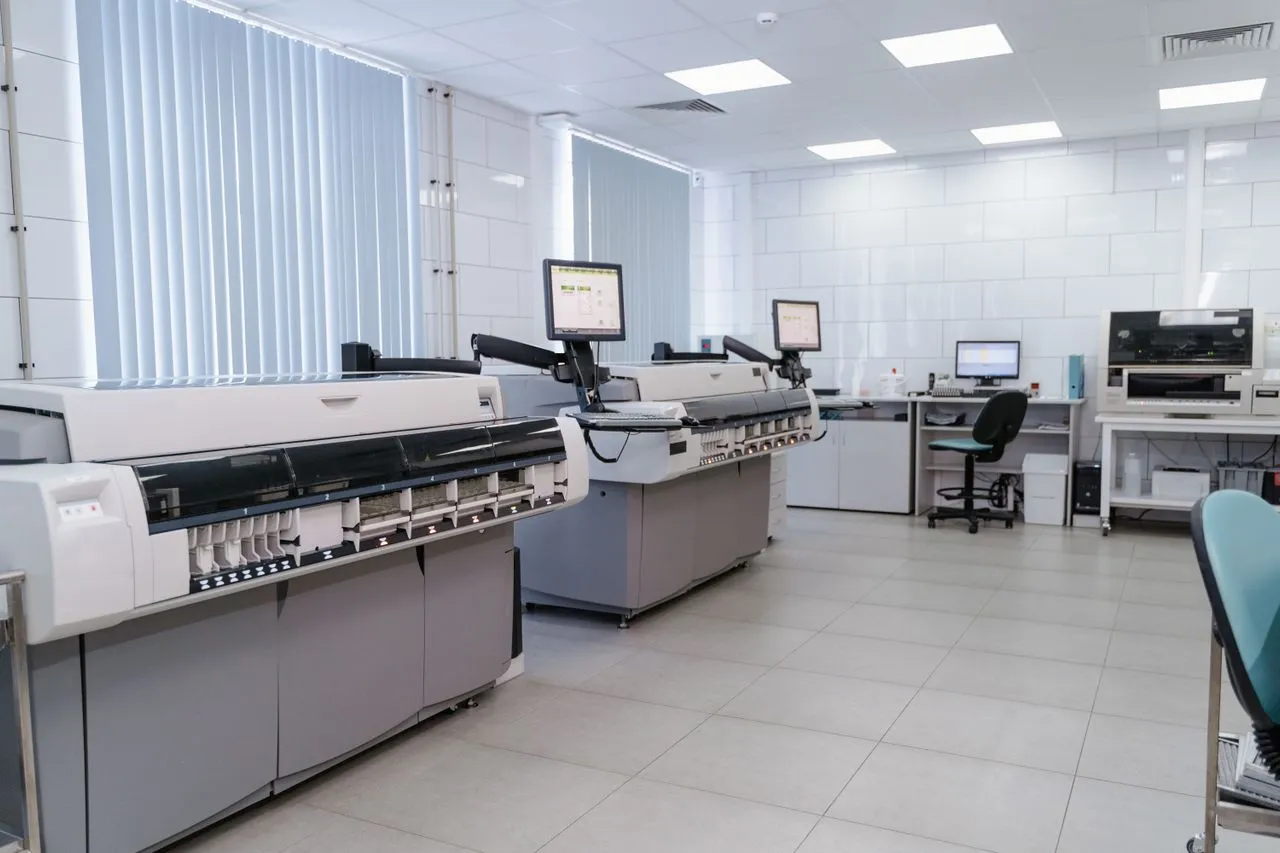
Tanner Health and Mercer University School of Medicine (MUSM) have officially opened a new clinical campus and state-of-the-art simulation laboratory in Carrollton, Georgia, marking a significant milestone in medical education and rural healthcare development. The new campus is designed to provide third- and fourth-year medical students with immersive clinical training while addressing the long-term physician workforce needs of communities across west Georgia.
The opening ceremony, held at Tanner Medical Center/Carrollton, brought together healthcare leaders, educators, physicians, elected officials, and members of the local community to celebrate a partnership that aims to improve access to healthcare by preparing future physicians where they are needed most. The initiative reflects a shared commitment by Tanner Health and Mercer University School of Medicine to strengthen clinical education, expand healthcare opportunities, and improve patient outcomes throughout rural and medically underserved regions of Georgia.
The collaboration between Tanner Health and Mercer University School of Medicine establishes Carrollton as one of the university’s official clinical campuses. The new location will serve as a dedicated educational environment where medical students complete the final two years of their Doctor of Medicine (MD) education.
Unlike traditional classroom-based learning, the clinical campus provides students with direct patient care experiences under the supervision of experienced physicians across multiple specialties. Students will participate in hospital rounds, outpatient clinics, emergency medicine, surgical procedures, and community healthcare initiatives, allowing them to transition from theoretical knowledge to practical medical practice.
Healthcare organizations nationwide continue to recognize the importance of training physicians within community hospitals, particularly in rural regions that face ongoing shortages of healthcare professionals. By embedding students in local healthcare systems, educational institutions hope to increase the likelihood that graduates will remain in those communities after completing residency training.
The Carrollton campus reflects this growing educational model by integrating academic learning with real-world patient care in a regional health system that serves both urban and rural populations.
Speaking during the opening celebration, Tanner Health President and Chief Executive Officer Loy Howard emphasized that the partnership represents a long-term investment in the region’s healthcare future.
According to Howard, educating physicians within the communities that need them most creates stronger connections between students and local patients while encouraging future healthcare professionals to establish permanent practices in west Georgia.
Healthcare workforce shortages continue to challenge hospitals throughout rural America. Many counties struggle to recruit physicians in primary care, internal medicine, psychiatry, pediatrics, obstetrics and gynecology, and general surgery. By creating additional clinical education opportunities within these communities, healthcare organizations hope to develop sustainable physician pipelines that improve long-term access to quality care.
Howard noted that the Carrollton clinical campus is designed not only to educate students but also to strengthen healthcare delivery for generations by encouraging graduates to pursue careers within the region.
The newly established Carrollton clinical campus occupies a dedicated medical education unit located within the Tanner Medical Center/Carrollton campus at 705 Dixie Street.
Purpose-built to support advanced medical education, the facility includes instructional areas, collaborative learning environments, physician workspaces, student conference rooms, and an innovative simulation center equipped with modern educational technology.
Students completing their clinical education at the campus will have access to a comprehensive curriculum that includes all required third-year core clerkships, elective rotations, and fourth-year sub-internships.
The curriculum allows students to gain experience in multiple medical specialties while working directly alongside practicing physicians caring for diverse patient populations.
Through these rotations, students develop clinical reasoning, communication skills, diagnostic decision-making abilities, and procedural competencies essential for residency training.
The clinical campus provides an environment where future physicians can gradually assume greater responsibility while receiving mentorship from experienced healthcare professionals.
One of the defining characteristics of Tanner Health is its service area, which includes multiple counties throughout west Georgia, many of which are considered rural or medically underserved.
These communities often face limited access to physicians and specialty care, making recruitment and retention of healthcare professionals a continuing priority.
Mercer University School of Medicine has long maintained a mission focused on improving healthcare access across Georgia, particularly within rural communities.
Unlike many medical schools that recruit students nationally, Mercer exclusively admits Georgia residents into its Doctor of Medicine program.
The institution also places particular emphasis on selecting students with rural backgrounds or those expressing strong commitments to serving underserved communities after graduation.
The Carrollton clinical campus aligns closely with this mission by placing students directly into healthcare settings where physician shortages are most significant.
Rather than concentrating medical education exclusively within major metropolitan academic centers, Mercer continues expanding clinical training opportunities into communities where physicians are urgently needed.
The inaugural class assigned to the Carrollton clinical campus consists of seven third-year medical students who transferred from Mercer University’s established clinical campuses in Columbus, Macon, and Savannah.
Beginning clinical rotations in early August, these students will spend their remaining two years of medical school immersed within the Tanner Health system.
Throughout this period, they will participate in patient care across inpatient and outpatient settings while working under physician supervision.
Students will rotate through family medicine, internal medicine, surgery, pediatrics, psychiatry, obstetrics and gynecology, emergency medicine, and other specialty services required by the medical school curriculum.
Their daily experiences will expose them to a broad range of clinical conditions commonly encountered in community healthcare settings while reinforcing teamwork, professionalism, and patient-centered care.
As future classes are added, the Carrollton campus is expected to become an increasingly important component of Mercer’s statewide medical education network.
Jean Sumner, MD, MACP, dean of Mercer University School of Medicine, highlighted the importance of expanding educational opportunities into west Georgia through the partnership with Tanner Health.
She noted that Mercer students have previously completed valuable educational experiences with Tanner Health through population health initiatives and rural clerkship programs in Carrollton and Villa Rica.
The establishment of a full two-year clinical campus builds upon those successful collaborations while significantly expanding educational capacity.
Dr. Sumner reaffirmed the medical school’s ongoing commitment to serving medically underserved regions throughout Georgia.
She emphasized that Mercer exists to meet the healthcare needs of Georgia residents and that becoming part of the Carrollton community represents another step toward fulfilling that mission.
By educating students within rural communities, Mercer hopes to produce physicians who understand the unique healthcare challenges affecting smaller populations, including chronic disease management, preventive care, healthcare accessibility, and population health improvement.
The opening ceremony attracted leaders from healthcare, education, government, and the local community.
Mercer University President Penny L. Elkins, Ph.D., joined healthcare executives and physician leaders in celebrating the launch of the new clinical campus.
Among the speakers was Dr. Tim Paul, Associate Dean of the Carrollton Clinical Campus and Senior Vice President of Medical Affairs and Chief Quality Officer for Tanner Health.
Dr. Paul discussed the collaborative efforts required to establish the new educational facility and acknowledged the physicians who will oversee clinical education across multiple specialties.
Daniel Jackson, Chairman of Tanner Health’s Board of Directors, also addressed attendees, recognizing the importance of investing in physician education as part of the organization’s broader commitment to community health.
The ceremony reflected years of planning, collaboration, and investment between the healthcare system and academic institution.
A major strength of the Carrollton clinical campus is its team of physician educators responsible for mentoring students throughout their clinical education.
Dr. Tim Paul introduced the physician leaders who will serve as clinical clerkship directors across the required specialties.
These include Dr. Daniel Feckoury for family medicine, Dr. Kenneth Genova for psychiatry, Dr. Barry Harris for surgery, Dr. Amanda Nguyen for pediatrics, Dr. Emily Shelton for obstetrics and gynecology, and Dr. Jesse Singh for internal medicine.
Each physician brings years of clinical expertise and patient care experience to the educational program.
Their responsibilities extend beyond supervising patient encounters to include evaluating student performance, teaching evidence-based medicine, developing clinical reasoning skills, and preparing students for residency.
Faculty mentorship remains one of the most valuable aspects of clinical medical education, helping students refine professional judgment while gaining confidence in patient care.
A key feature of the new Carrollton campus is its medical simulation center, designed to provide realistic healthcare training in a controlled environment.
Simulation-based education has become an essential component of modern medical training because it allows students to practice clinical skills without placing patients at risk.
The simulation laboratory includes advanced equipment that recreates hospital and outpatient care environments.
Students can participate in standardized patient encounters, emergency response scenarios, communication exercises, procedural practice, and interdisciplinary teamwork simulations.
These experiences allow learners to improve technical abilities, clinical decision-making, leadership, and communication before performing procedures in real patient settings.
Visitors attending the opening ceremony toured the new simulation facility and observed demonstrations showcasing how the technology will support future medical education.
The simulation center complements clinical rotations by allowing students to repeatedly practice essential skills while receiving structured feedback from faculty members.
The Carrollton clinical campus represents more than the expansion of a medical school. It reflects a broader strategy to strengthen Georgia’s healthcare workforce by investing in physician education within underserved communities.
As demand for healthcare services continues to grow due to population changes, aging demographics, and increasing chronic disease prevalence, the need for well-trained physicians remains critical.
Partnerships between community health systems and academic institutions have become increasingly important in addressing these workforce challenges.
By combining Tanner Health’s extensive clinical resources with Mercer University School of Medicine’s educational expertise, the Carrollton campus creates an environment where students receive comprehensive medical training while developing meaningful connections with patients and communities.
The initiative also supports local economic development by attracting healthcare professionals, expanding educational opportunities, and strengthening regional healthcare infrastructure.
The opening of Tanner Health and Mercer University School of Medicine’s Carrollton clinical campus marks the beginning of a new chapter for healthcare education in west Georgia.
The campus is expected to grow over time, welcoming additional medical students and expanding educational opportunities as healthcare needs evolve.
For students, the program offers meaningful clinical experiences, close faculty mentorship, and exposure to community-based healthcare delivery.
For Tanner Health, the partnership strengthens its role as both a healthcare provider and an academic training institution.
For Mercer University School of Medicine, the new campus advances its longstanding mission of educating physicians dedicated to improving healthcare across Georgia, particularly in rural and underserved communities.
Most importantly, for patients throughout west Georgia, the initiative represents an investment in a stronger healthcare future—one built on education, collaboration, innovation, and a commitment to ensuring that high-quality medical care remains accessible for generations to come.
Source link: https://www.businesswire.com/