The Cigna Group brought together more than 400 employees, nonprofit organizations and community leaders at Acrisure Stadium in Pittsburgh for an event focused on strengthening communities through volunteerism, philanthropy and direct service. Former Pittsburgh Steelers linebacker Ryan Shazier joined employees at the gathering, which combined hands-on volunteer activities with charitable support for organizations working to improve the lives of veterans, individuals recovering from spinal cord injuries and local youth.
The event demonstrated how corporate community engagement can extend beyond financial contributions. By giving employees an opportunity to work directly on projects that address local needs, The Cigna Group created a setting where volunteers could contribute their time and skills while learning more about the organizations and people they support.
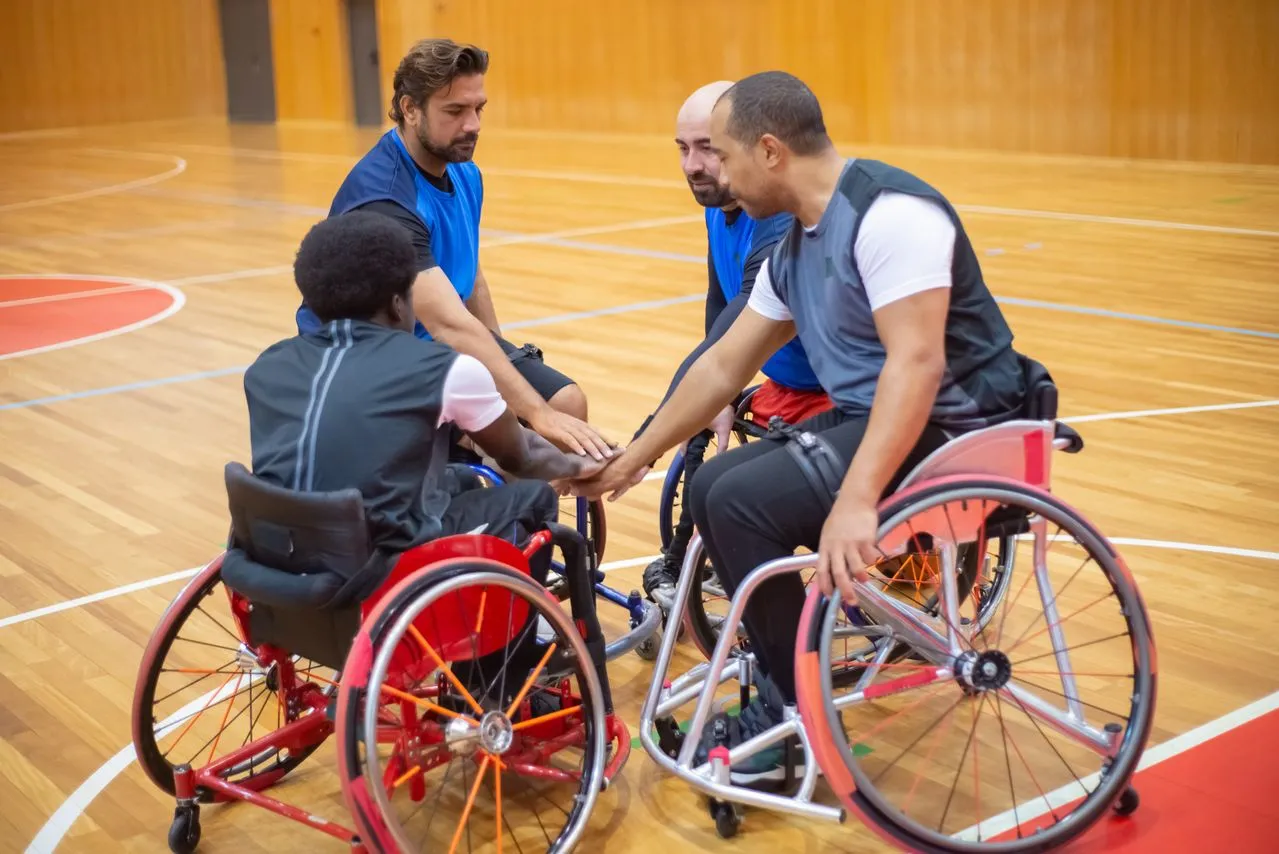
At the center of the event was an effort to assemble wheelchairs for veterans experiencing mobility challenges. Employees worked together on the wheelchair-building project to support veterans served by the Veterans Leadership Program, a nonprofit organization providing housing, employment assistance and supportive services to veterans and their families throughout Western and Central Pennsylvania.
The initiative reflects The Cigna Group’s broader approach to community investment, which combines charitable giving with employee volunteerism and partnerships with nonprofit organizations.
The wheelchair assembly project provided employees with a direct way to contribute to the work of the Veterans Leadership Program. The organization serves veterans and their families through programs designed to address challenges involving housing, employment and other areas of daily life.
The Veterans Leadership Program is also a grant recipient of The Cigna Group Foundation. Its participation in the event illustrated how philanthropic support can be complemented by employee engagement, allowing employees to become directly involved in community initiatives supported by the company.
Toshua Jarrett, Chief Development Officer of the Veterans Leadership Program, emphasized the value of combining financial resources with personal service.
According to Jarrett, partnerships involving philanthropy and employee participation can create impact at several levels. Funding from The Cigna Group Foundation helps the organization expand its services, while volunteer events allow employees to participate directly in efforts supporting veterans and their families.
The wheelchair project was particularly significant because mobility equipment can play an important role in helping people maintain independence and participate more fully in their communities. For veterans living with mobility challenges, access to appropriate equipment can support everyday activities and improve their ability to navigate work, home and community environments.
By assembling wheelchairs themselves, The Cigna Group employees were able to see a tangible connection between their volunteer hours and the people who ultimately benefit from the work.
Ryan Shazier, who spent his NFL career as a linebacker with the Pittsburgh Steelers, brought a personal perspective to the event through his experience recovering from a spinal cord injury.
Shazier’s recovery journey has made rehabilitation, mobility and access to appropriate resources central to his community work. During the event, he spoke about the importance of providing people recovering from spinal cord injuries with the support and resources necessary to pursue greater independence.
His participation also connected the event’s focus on mobility with a broader discussion about rehabilitation and quality of life.
Spinal cord injuries can have long-term effects on mobility and independence, creating needs that extend well beyond initial medical treatment. Individuals and caregivers may require specialized equipment, rehabilitation resources, financial assistance and guidance as they adjust to changes in daily life.
The event provided an opportunity to highlight those needs while bringing attention to organizations working to address them.
Another major component of the event involved support for the Ryan Shazier Fund for Spinal Rehabilitation.
The David and Sherry Cordani Family Foundation announced support for the fund, which works to help individuals and caregivers navigate life after spinal cord injury. The initiative adds a philanthropic component to the event’s hands-on volunteer activities and expands the focus from immediate community service to longer-term support for people affected by spinal cord injuries.
Shazier highlighted the importance of access to appropriate support during the recovery process.
He noted that specialized wheelchairs and other resources can make a meaningful difference for individuals seeking greater independence following spinal cord injuries. Support for rehabilitation can help individuals and families navigate the practical challenges that arise after an injury while connecting them with resources that can assist with mobility and daily living.
The partnership involving The Cigna Group and The David and Sherry Cordani Family Foundation demonstrates how different forms of community investment can work together. Employee volunteerism addresses an immediate practical need, while philanthropic funding can provide additional resources for organizations and programs serving people over a longer period.
The event also included participation from the Boys & Girls Clubs of Western Pennsylvania, bringing a youth-focused component to the community gathering.
The organization highlighted opportunities for participants to support local young people and emphasized the importance of community-based programs for children and families.
Youth organizations such as Boys & Girls Clubs provide community spaces where young people can participate in educational, recreational and development-focused activities. Connecting employees with organizations serving different segments of the community allows corporate volunteer programs to address a broader range of local priorities.
The participation of the Boys & Girls Clubs of Western Pennsylvania also reinforced the event’s central theme: community health and vitality depend on networks of organizations, volunteers and supporters working together.
The Pittsburgh event reflects a broader model of corporate community engagement pursued by The Cigna Group. Rather than treating philanthropy and employee volunteerism as separate activities, the company has emphasized opportunities that combine charitable investment with direct employee participation.
This approach can create multiple points of connection between companies and nonprofit organizations.
Financial contributions provide nonprofits with resources to operate programs, hire staff, purchase equipment and expand services. Volunteer participation can provide additional capacity while giving employees firsthand exposure to community needs.
For employees, volunteering can also create opportunities to collaborate with colleagues outside their normal work responsibilities. Working together on a practical project can strengthen relationships and create a shared sense of purpose.
The Cigna Group’s employee volunteer figures illustrate the scale of this activity. In 2025, employees contributed nearly 114,000 volunteer hours. The company estimated that those volunteer hours generated approximately $7.1 million in economic value through volunteer service.
These figures reflect a substantial employee commitment to community engagement and show how volunteer programs can extend the reach of corporate social responsibility initiatives.
The event also aligns with findings from The Cigna Group’s recent Vitality in America research, which examined the relationship between volunteerism and personal well-being.According to the company’s research, people who volunteer are more likely to report stronger levels of health, connection, resilience and purpose.
The findings provide context for why employee volunteerism can be viewed as more than a mechanism for supporting nonprofit organizations. Volunteer activities can also create opportunities for people to build relationships, contribute to causes they care about and develop a stronger connection to their communities.
Community engagement can therefore operate in two directions. Nonprofit organizations and community members receive support from volunteers, while volunteers can experience greater social connection and a sense of purpose through their participation.
The Pittsburgh event brought those concepts into a practical setting. Employees were not simply attending a corporate gathering; they were working together to build equipment intended for veterans with mobility challenges and interacting with organizations that serve local communities.
Sara Quist, president of The Cigna Group Foundation, described the combination of partnerships, philanthropy and volunteerism as an important part of creating community impact.
The company’s approach emphasizes collaboration with established nonprofit organizations that understand the needs of the communities they serve. In this model, corporate resources are combined with local knowledge and nonprofit expertise.
For veterans, that collaboration can help address needs related to housing, employment, mobility and family support. For individuals recovering from spinal cord injuries, partnerships can help expand access to specialized resources and rehabilitation support. For young people, community organizations can provide opportunities and services designed to support development and engagement.
Each of these areas represents a different community need, but they share a common requirement for sustained support.
The event at Acrisure Stadium represents one example of how The Cigna Group is connecting its community investment efforts with its broader focus on health and vitality.
Healthcare extends beyond clinical services. Factors such as mobility, housing stability, employment, social connection and access to community resources can influence people’s ability to live independently and participate in society.
Programs that address these factors can therefore complement traditional healthcare services by helping individuals and families navigate challenges that affect everyday life.
For veterans with mobility challenges, a wheelchair can be an important tool for independence. For someone recovering from a spinal cord injury, specialized equipment and rehabilitation resources can support a long-term transition to a different way of living. For young people, access to community programs can provide opportunities for social development, education and personal growth.
By bringing these organizations and initiatives together, the event created a common platform for addressing several dimensions of community well-being.
The Pittsburgh gathering also illustrates the potential value of moving from financial support to direct employee involvement.
Charitable grants can provide critical funding to nonprofit organizations, but volunteerism creates a different form of contribution. Employees give their time and effort, while gaining a closer understanding of the challenges addressed by the organizations they support.
For nonprofit partners, employee volunteers can provide additional resources for projects that might otherwise require significant staff time or funding. For companies, volunteer programs can provide a structured way for employees to participate in community initiatives.
The wheelchair-building activity offered a particularly visible example of this connection. Employees could participate in a defined project with a clear purpose and a direct community beneficiary.
The presence of Ryan Shazier further broadened the conversation around mobility and rehabilitation, linking the volunteer project to the wider needs of individuals living with spinal cord injuries.
The Cigna Group’s Pittsburgh event demonstrates how corporate volunteerism can bring together employees, nonprofit organizations, charitable foundations and community advocates around shared objectives.
The event combined several forms of engagement: more than 400 employees participated in volunteer activities, wheelchairs were assembled for veterans served by the Veterans Leadership Program, support was announced for the Ryan Shazier Fund for Spinal Rehabilitation, and the Boys & Girls Clubs of Western Pennsylvania highlighted opportunities to support local youth.
Together, these activities reflect an approach to community investment built around both resources and participation.
The broader volunteerism figures from The Cigna Group further demonstrate the scale of employee involvement, with nearly 114,000 volunteer hours recorded in 2025 and an estimated $7.1 million in economic value generated through volunteer service.
As organizations continue to explore ways to contribute to community health, initiatives that combine philanthropy, employee service and nonprofit partnerships can provide multiple avenues for engagement. The Pittsburgh event showed how those elements can come together around practical projects that address mobility, rehabilitation, veteran services and youth development.
For The Cigna Group, the gathering reinforced its stated commitment to strengthening communities through partnerships and volunteerism. For participating nonprofits, it created an opportunity to connect with corporate volunteers and receive additional support. And for the employees involved, it provided a hands-on opportunity to contribute to projects focused on helping people and families in the Pittsburgh region.
Ultimately, the event underscored the connection between community investment and action. By bringing people together at Acrisure Stadium and turning charitable commitments into hands-on service, The Cigna Group and its nonprofit partners highlighted how collaboration can support healthier, more connected communities.
Source link: https://newsroom.thecignagroup.com/