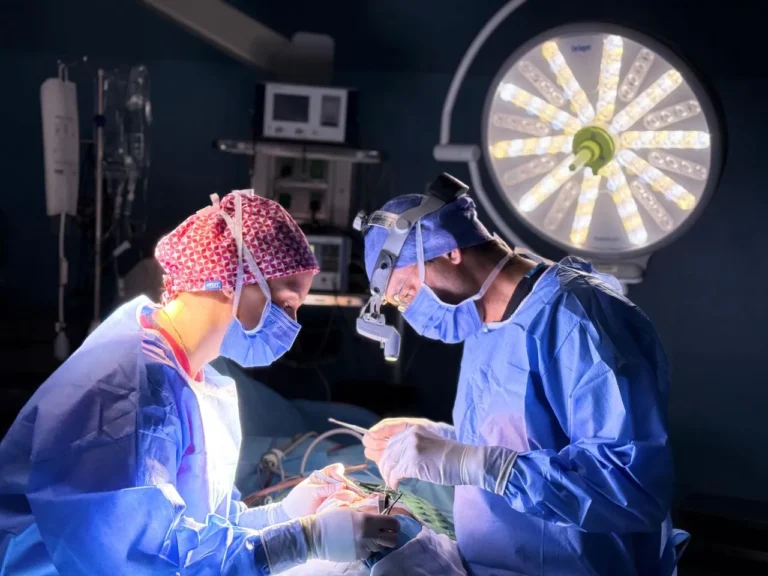
Sheikh Shakhbout Medical City (SSMC), a leading UAE hospital specializing in serious and complex care and a subsidiary of PureHealth, has launched a new integrated multidisciplinary Lupus Clinic designed to provide more coordinated, comprehensive and patient-centered care for people living with systemic lupus erythematosus (SLE).
The new clinic introduces a model intended to simplify what can often be a complicated healthcare journey for lupus patients. Rather than requiring individuals to attend separate appointments with multiple specialists over an extended period, the clinic brings experts from different medical disciplines together as part of a coordinated visit.
Through this approach, patients can be evaluated by specialists including rheumatologists, nephrologists, dermatologists, neurologists and hematologists. The team works collaboratively to assess the patient’s condition, identify organ involvement and develop a unified treatment strategy.
The clinic also incorporates pharmacy services, psychological support and other specialized services, creating a broader care framework designed to address the medical and personal challenges associated with living with lupus.
Systemic lupus erythematosus is a chronic autoimmune disease that can affect multiple parts of the body. Unlike conditions that primarily affect one organ, lupus can involve the joints, skin, kidneys, brain, cardiovascular system and other organs.
The unpredictable nature of the disease can make diagnosis and treatment particularly challenging. Symptoms can vary considerably between patients and may change over time. Some symptoms can also resemble those associated with other medical conditions, potentially contributing to delays in diagnosis.
Patients may therefore need assessments from several different medical specialties before healthcare professionals have a complete understanding of their condition.SSMC’s new Lupus Clinic is designed to address this complexity by bringing the relevant specialists together.
Instead of requiring patients to coordinate multiple referrals and appointments independently, the multidisciplinary team can assess the patient collectively and communicate directly with one another.The goal is to create a more efficient pathway from diagnosis to treatment while ensuring that different aspects of the disease are considered at the same time.
The multidisciplinary structure is one of the defining characteristics of the new clinic.Rheumatologists play a central role in lupus care because the disease involves the immune system and can affect multiple organs. However, patients may also require specialized care depending on the organs affected.
For example, kidney involvement may require the expertise of a nephrologist, while skin manifestations may require evaluation by a dermatologist.Neurologists may become involved when lupus affects the nervous system, and hematologists can help manage blood-related complications.
By bringing these specialists together, the clinic aims to reduce fragmentation and encourage real-time communication between healthcare professionals.Instead of each specialist developing an isolated treatment plan, the team can review the patient’s condition collectively and establish a coordinated approach.This can be particularly valuable for patients with complicated disease involving multiple organs.
For people living with chronic diseases, navigating healthcare systems can sometimes be challenging.
Multiple appointments may mean repeated medical histories, duplicated testing and long periods between consultations. Patients may also receive recommendations from different specialists that need to be reconciled.The SSMC Lupus Clinic is designed to reduce some of these challenges through a single-visit multidisciplinary model.
Patients can meet several specialists during the same visit, allowing the healthcare team to share information and discuss the patient’s condition collectively.The model is intended to make the care journey more convenient while helping clinicians reach decisions more efficiently.
Dr. Abdulqader Almessabi, Chief Medical Officer at SSMC, emphasized the importance of placing patients at the center of care.
“For many patients, lupus requires lifelong care from multiple specialists. At SSMC, our goal is to provide a coordinated model that puts the patient at the centre of every decision,” he said.According to Almessabi, the clinic reflects SSMC’s focus on integrated and patient-centered healthcare while supporting more timely and personalized care for people with autoimmune conditions.
One of the challenges associated with lupus is that diagnosis can be difficult.Because the disease can affect multiple organs and symptoms can overlap with other conditions, patients may undergo numerous investigations before receiving a definitive diagnosis.Specialized blood tests may be required, and some patients may need additional procedures such as skin or kidney biopsies.
A multidisciplinary clinic can help bring together information from these different investigations.By allowing specialists to discuss findings collectively, the clinic is designed to support more timely identification of lupus and its associated complications.Earlier diagnosis can be important because uncontrolled lupus activity can contribute to organ damage over time.Identifying the disease and beginning appropriate treatment earlier may help healthcare professionals manage symptoms, monitor disease activity and reduce the risk of complications.
The kidneys are among the organs that can be affected by lupus.
Kidney involvement, commonly referred to as lupus nephritis, can be a serious complication and may require specialized monitoring and treatment.For patients with suspected or confirmed kidney involvement, having a nephrologist involved in the multidisciplinary team can help ensure that renal health is considered alongside the patient’s broader lupus management.
The collaborative model also allows rheumatologists and nephrologists to communicate directly when evaluating treatment decisions.This can be especially important when medications or other interventions need to be considered in the context of kidney function.The clinic’s integrated structure is therefore designed to ensure that organ-specific concerns do not become disconnected from the overall lupus treatment strategy.
Lupus predominantly affects women, particularly during their reproductive years.According to the World Lupus Federation, approximately 90% of people living with lupus are women. A 2023 study estimated that approximately 16,500 people in the UAE are living with lupus.
Because lupus can affect women during pregnancy and family-planning years, reproductive health is an important part of comprehensive disease management.The SSMC Lupus Clinic places particular emphasis on supporting women who are planning a family.The clinic’s multidisciplinary approach brings together rheumatology, obstetrics and hematology expertise to help women understand potential risks and plan for pregnancy.
Specialized support can include pregnancy planning, maternal-fetal monitoring and management of blood clot-related concerns.Coordinating these services within a multidisciplinary framework can help patients and their healthcare providers monitor both maternal and fetal health throughout pregnancy.
Pregnancy can require additional planning for women living with lupus.Disease activity, medications and other health factors may need to be evaluated before conception. Throughout pregnancy, patients may require closer monitoring depending on their individual medical circumstances.By connecting rheumatology with obstetric and hematology expertise, the clinic aims to provide a coordinated approach to these needs.
Rather than treating pregnancy as a separate issue from lupus management, the multidisciplinary model integrates reproductive care into the broader treatment plan.This can help ensure that decisions about disease management, pregnancy monitoring and potential blood-related complications are considered together.For women planning a family, access to coordinated guidance can also provide greater clarity about the steps that may need to be taken before and during pregnancy.
Lupus can affect many aspects of a person’s life beyond physical symptoms.Living with a chronic disease that may require lifelong monitoring and treatment can have psychological and emotional effects. Patients may also have to manage changes in work, family responsibilities, social activities and daily routines.
For this reason, the SSMC clinic includes psychological support as part of its broader care model.Pharmacy services are also incorporated into the clinic, providing additional support around medication management.
The inclusion of these services reflects a whole-person approach to lupus care.Rather than focusing solely on disease activity and laboratory results, the clinic aims to address the broader needs that influence a patient’s experience and ability to manage a chronic condition.
Dr. Mumtaz Khan, Consultant and Chair of the Rheumatology Division at SSMC, highlighted the challenges many lupus patients face before receiving coordinated care.
“Many patients with lupus spend years searching for answers before they receive a diagnosis or a coordinated treatment plan,” he said.Under the combined clinic model, patients can be seen by multiple specialists during the same visit.
Rheumatologists, dermatologists, nephrologists, hematologists and neurologists can review the patient’s condition together and agree on a unified approach.This collaborative decision-making process is designed to reduce delays and provide patients with clearer treatment recommendations.It may also reduce the need for patients to act as the primary link between different specialists.
One of the major objectives of effective lupus management is preventing or limiting long-term organ damage.Because lupus can affect different organs at different times, regular monitoring is important.A patient who initially presents with primarily joint or skin symptoms may later develop kidney or neurological complications. A coordinated team can monitor for these changes and respond when new concerns arise.
The multidisciplinary model may therefore provide a more complete picture of disease activity than a single-specialty approach.By combining expertise from multiple fields, the clinic is designed to support earlier recognition of organ involvement and timely intervention.
The launch of the clinic represents another step in SSMC’s efforts to expand specialized care for complex autoimmune diseases.The hospital’s focus on serious and complex conditions provides a foundation for bringing together specialists who may be required to manage patients with complicated lupus.The clinic also reflects broader changes in healthcare delivery, where multidisciplinary models are increasingly being used for conditions that cross traditional specialty boundaries.
Lupus is particularly suited to this approach because no single specialty can address every possible manifestation of the disease.A patient may require rheumatology, nephrology, dermatology, neurology, hematology, obstetrics and psychological support at different points in the disease journey.Bringing these services together can help create a more connected healthcare experience.
SSMC says the Lupus Clinic will also be supported by research, education and clinical excellence.These areas can play an important role in advancing understanding of autoimmune diseases and improving how patients are diagnosed and treated.
Research can help healthcare professionals better understand disease patterns, treatment responses and long-term outcomes, while education can support both healthcare professionals and patients.For patients, improved education can help them understand their condition, recognize potential warning signs and participate more effectively in treatment decisions.
For clinicians, continued professional education can help ensure that advances in lupus diagnosis and treatment are incorporated into clinical practice.
The launch of SSMC’s integrated Lupus Clinic reflects an effort to change how complex autoimmune disease is managed.Rather than requiring patients to navigate separate specialty services independently, the clinic brings multiple experts together around the patient.This approach is designed to support earlier diagnosis, coordinated treatment, comprehensive monitoring and improved long-term care.
It also recognizes that lupus is more than a single-organ disease. Its effects can extend across the kidneys, skin, joints, nervous system, blood and cardiovascular system, while reproductive and psychological health can also be important considerations.By integrating these areas into one care model, SSMC aims to make treatment more efficient and more responsive to individual patient needs.
The clinic’s emphasis on pregnancy planning is particularly relevant given the high proportion of women affected by lupus and the importance of specialized care during the reproductive years.The introduction of the multidisciplinary Lupus Clinic marks a significant development in SSMC’s approach to complex autoimmune care.
By bringing rheumatologists, nephrologists, dermatologists, neurologists, hematologists, obstetric specialists and other healthcare professionals together, the clinic is designed to provide patients with a coordinated care pathway.Its single-visit model aims to reduce the burden of multiple appointments while enabling specialists to communicate directly and develop a unified treatment strategy.The clinic also incorporates pharmacy services, psychological support and specialized pregnancy care, reinforcing its whole-person approach.
For people living with systemic lupus erythematosus, timely diagnosis and coordinated treatment can be critical to managing a disease that may change over time and affect multiple organs.Through its new clinic, Sheikh Shakhbout Medical City is seeking to establish a more integrated model of lupus care in Abu Dhabi, the UAE and the wider region. By combining multidisciplinary expertise with patient-centered services, research and education, SSMC aims to support earlier intervention, reduce the risk of long-term complications and improve the overall experience of patients navigating the complex journey of lupus.
Source link: https://purehealth.ae/