Savara a clinical-stage biopharmaceutical company focused on developing therapies for rare respiratory diseases, announced new clinical findings from its IMPALA-2 Phase 3 trial of molgramostim inhalation solution in patients with autoimmune pulmonary alveolar proteinosis (aPAP). The data were presented during an oral session at the American Thoracic Society (ATS) International Conference 2026, held May 15–20 in Orlando, Florida.
The presentation highlighted new and detailed findings related to exercise capacity in patients treated with molgramostim, expanding on previously reported results from the double-blind treatment period of the IMPALA-2 study. The trial evaluated whether molgramostim could improve functional outcomes in individuals living with aPAP, a rare and progressive lung disease that significantly impairs respiratory function and physical endurance.
The IMPALA-2 study is a global, randomized, double-blind, placebo-controlled Phase 3 clinical trial designed to evaluate the safety and efficacy of nebulized molgramostim in adult patients diagnosed with autoimmune pulmonary alveolar proteinosis. In the trial, participants were randomly assigned to receive either molgramostim inhalation solution at a dose of 300 micrograms once daily (n=81) or a matching placebo (n=83) over a 48-week treatment period.
The primary endpoint of the study, along with several key secondary endpoints, demonstrated statistical significance in favor of molgramostim. These included improvements in pulmonary function and exercise capacity, as measured by peak metabolic equivalents (METs), a standard indicator of physical performance and oxygen utilization during activity.
The ATS 2026 presentation focused specifically on exploratory endpoints that evaluated exercise performance in greater depth, including distance walked and duration of exercise using a standardized treadmill test protocol.
One of the major outcomes presented was the improvement in exercise distance among patients receiving molgramostim compared to those receiving placebo. Exercise capacity was assessed using a conservative, ramp-up, symptom-limited treadmill test conducted at baseline, Week 24, and Week 48.
At Week 48, patients treated with molgramostim demonstrated a significantly greater improvement in walking distance compared to the placebo group. The least-squares mean (LSM) change in distance walked from baseline was 167.0 meters (95% confidence interval [CI]: 112.1 to 221.8) in the molgramostim group. In contrast, the placebo group showed a mean improvement of 86.4 meters (95% CI: 32.4 to 140.4).
This resulted in an estimated treatment difference of 80.6 meters in favor of molgramostim, which was statistically significant with a p-value of 0.0301. These findings suggest that patients receiving molgramostim were able to walk substantially farther than those receiving placebo after 48 weeks of treatment.
In addition to improvements in walking distance, the study also evaluated how long patients were able to sustain exercise before reaching symptom limitation. This endpoint provides further insight into functional respiratory capacity and endurance.
At Week 48, patients treated with molgramostim experienced a least-squares mean increase in exercise duration of 2.0 minutes (95% CI: 1.3 to 2.7). By comparison, patients in the placebo group showed an improvement of 1.0 minute (95% CI: 0.3 to 1.6).
The difference between the two groups was 1.0 minute, favoring molgramostim, and this result was also statistically significant with a p-value of 0.0262. Although the absolute time difference may appear modest, in the context of progressive lung disease such as aPAP, even small gains in exercise tolerance can reflect meaningful improvements in daily functioning and quality of life.
The exploratory findings presented at ATS 2026 were consistent with previously reported results from the IMPALA-2 study. Earlier analyses had demonstrated statistically significant improvements in the trial’s primary endpoint, as well as improvements in secondary endpoints such as peak metabolic equivalents (METs), which measure the maximum rate of oxygen consumption during physical exertion.
Together, the new data on exercise distance and duration reinforce the overall clinical profile of molgramostim. The consistency across multiple measures of physical performance suggests that the therapy may provide broad functional benefits for patients with aPAP.
Researchers noted that improvements across different exercise-based endpoints strengthen confidence in the drug’s impact on real-world physical functioning, not just laboratory or imaging-based outcomes.
Commenting on the results, Yasmine Wasfi, M.D., Ph.D., Chief Medical Officer of Savara Inc., emphasized the importance of consistent findings across multiple measures of exercise capacity.
We believe the consistency in improvements observed across both exploratory endpoints—distance walked and exercise duration—and our secondary endpoint of exercise capacity, as measured by peak METs, strengthens the overall efficacy picture,” said Dr. Wasfi. “Taken together, these data suggest that molgramostim may translate into real-world functional benefits for aPAP patients.”
Her remarks highlight the company’s interpretation that the observed improvements are not isolated statistical findings but rather part of a broader and coherent pattern of clinical benefit.
Autoimmune pulmonary alveolar proteinosis is a rare and potentially serious lung disease characterized by the accumulation of surfactant material within the alveoli, the small air sacs in the lungs responsible for gas exchange.
Under normal conditions, surfactant—a mixture of proteins and lipids—helps prevent alveolar collapse and supports efficient breathing. Excess surfactant is typically cleared by immune cells known as alveolar macrophages.
However, in aPAP, this clearance mechanism is disrupted. The disease is driven by autoantibodies that neutralize granulocyte-macrophage colony-stimulating factor (GM-CSF), a signaling molecule essential for activating alveolar macrophages. Without functional GM-CSF signaling, macrophages become impaired and are unable to effectively remove surfactant from the lungs.
As a result, surfactant accumulates progressively within the alveoli, leading to impaired oxygen exchange. Patients often experience symptoms such as shortness of breath, persistent cough, and fatigue. In more severe cases, individuals may develop chest discomfort, fever, or coughing up blood, particularly when secondary infections occur.
Over time, untreated or advanced disease can lead to serious complications including progressive respiratory failure, lung fibrosis, and in some cases, the need for lung transplantation.
Molgramostim inhalation solution is a recombinant human granulocyte-macrophage colony-stimulating factor (GM-CSF) designed to restore immune cell function in patients with aPAP. By reintroducing GM-CSF activity, the therapy aims to reactivate alveolar macrophages and improve surfactant clearance from the lungs.
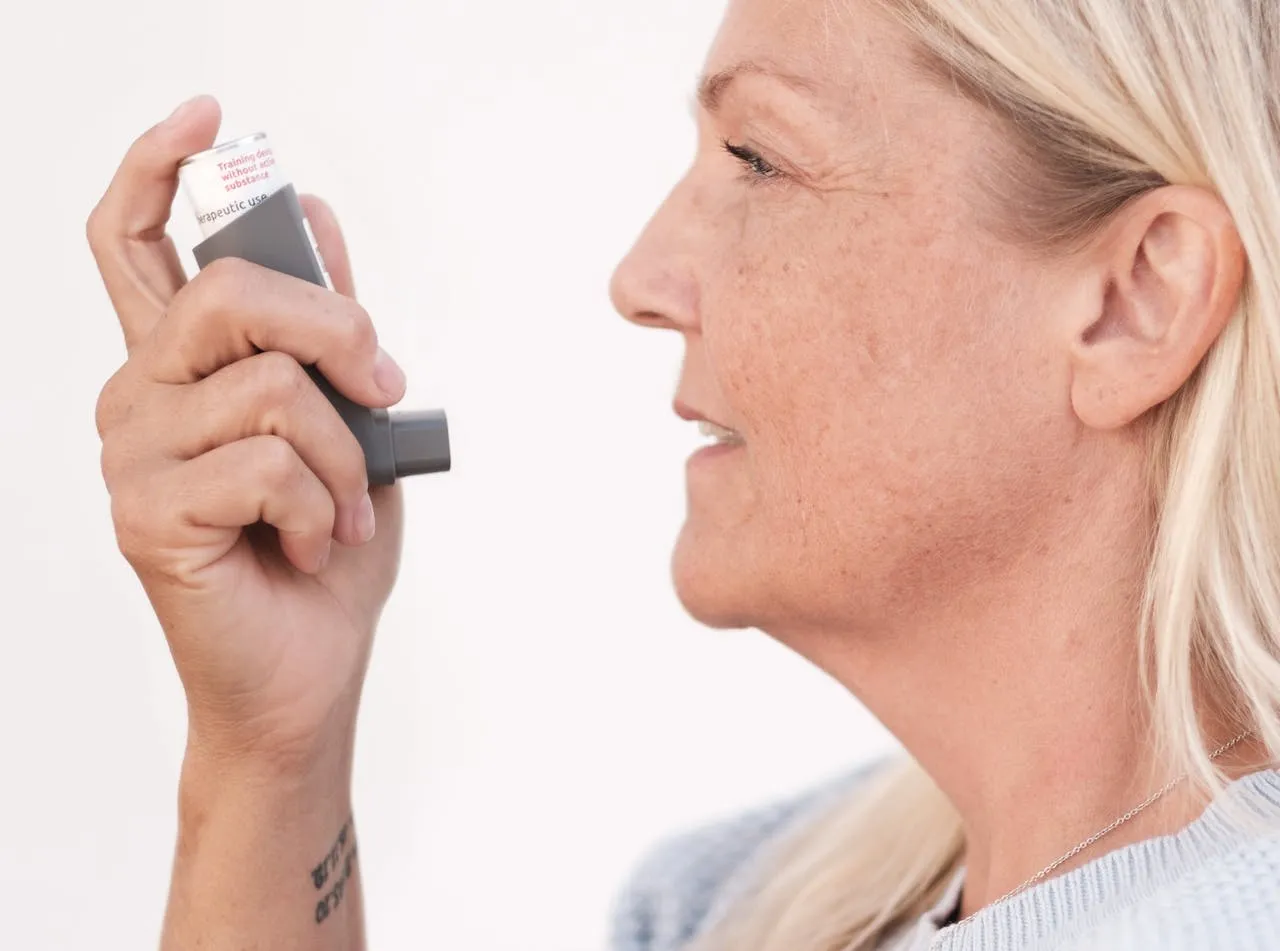
The drug is administered using a proprietary eFlow® Nebulizer System developed by PARI Pharma GmbH. This device is specifically engineered to deliver inhaled biologic therapies efficiently to the lungs, ensuring optimal deposition of the medication in the alveolar regions where it is needed most.
Savara’s approach focuses on directly targeting the underlying immune dysfunction in aPAP rather than only addressing symptoms, representing a disease-modifying strategy for this rare respiratory condition.
The IMPALA-2 findings add to a growing body of evidence supporting inhaled GM-CSF therapy as a potential treatment option for aPAP. Improvements in exercise capacity, including both distance and duration, are particularly meaningful because they reflect changes in patients’ ability to perform daily physical activities.
For patients with rare lung diseases, functional improvements can translate into better independence, reduced fatigue, and improved quality of life. While regulatory evaluation will consider the full dataset from IMPALA-2 and related studies, the consistency across endpoints is an important factor in assessing the therapeutic potential of molgramostim.
Savara noted that the full content of the ATS 2026 oral presentation will be made available on the company’s official website under its congress and publications section. Additionally, the abstract has been published in a supplement of the American Journal of Respiratory and Critical Care Medicine (AJRCCM), providing further scientific detail for clinicians and researchers.
Savara Inc. is a clinical-stage biopharmaceutical company dedicated to developing and commercializing therapies for rare respiratory diseases with high unmet medical needs. Its lead investigational candidate, molgramostim inhalation solution, is currently in Phase 3 development for the treatment of autoimmune pulmonary alveolar proteinosis.
Molgramostim is a recombinant form of human GM-CSF administered via inhalation using a proprietary delivery system designed to optimize lung deposition and therapeutic effect. Savara’s leadership team brings extensive experience in rare lung disease drug development, with a focus on advancing innovative therapies from clinical research through to regulatory approval and commercialization.
Savara is a clinical stage biopharmaceutical company focused on rare respiratory diseases. Our lead program, molgramostim inhalation solution (molgramostim) is a recombinant human granulocyte-macrophage colony-stimulating factor (GM-CSF) in Phase 3 development for autoimmune pulmonary alveolar proteinosis (aPAP). Molgramostim is delivered via a proprietary investigational eFlow® Nebulizer System (PARI Pharma GmbH) specifically developed for inhalation of molgramostim. Our management team has significant experience in rare respiratory diseases and pulmonary medicine, identifying unmet needs, and effectively advancing product candidates to approval and commercialization