A new wave of research highlights a growing and urgent challenge facing global healthcare systems: the increasing vulnerability of medical devices to cyberattacks and the direct consequences these threats pose to patient care. The 2026 Medical Device Cybersecurity Index released by RunSafe Security provides a comprehensive look at how cyber risks are evolving alongside rapid technological adoption, revealing a landscape where patient safety, operational continuity, and cybersecurity are now tightly intertwined.
Based on responses from 551 healthcare professionals across the United States, the United Kingdom, and Germany, the report paints a concerning picture. Cyberattacks are no longer confined to data breaches or backend IT disruptions—they are now reaching into clinical environments, directly interfering with medical devices that are essential for diagnosis, monitoring, and treatment.
One of the most striking findings from the research is that 24% of healthcare organizations reported experiencing cyberattacks or vulnerabilities involving medical devices. Even more alarming is the impact of these incidents: 80% resulted in moderate to significant disruptions to patient care.
This shift signals a fundamental transformation in how cyber threats should be understood. Historically, cybersecurity incidents in healthcare were largely associated with stolen data, ransomware targeting hospital systems, or administrative downtime. Today, the threat has moved closer to the patient.
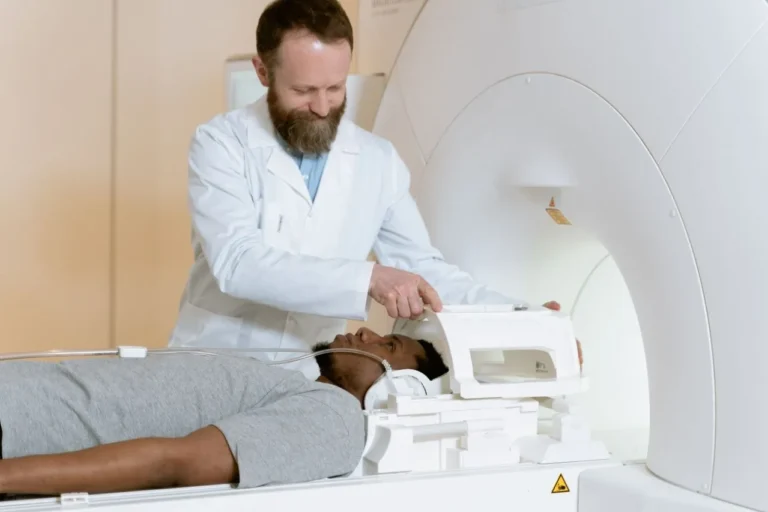
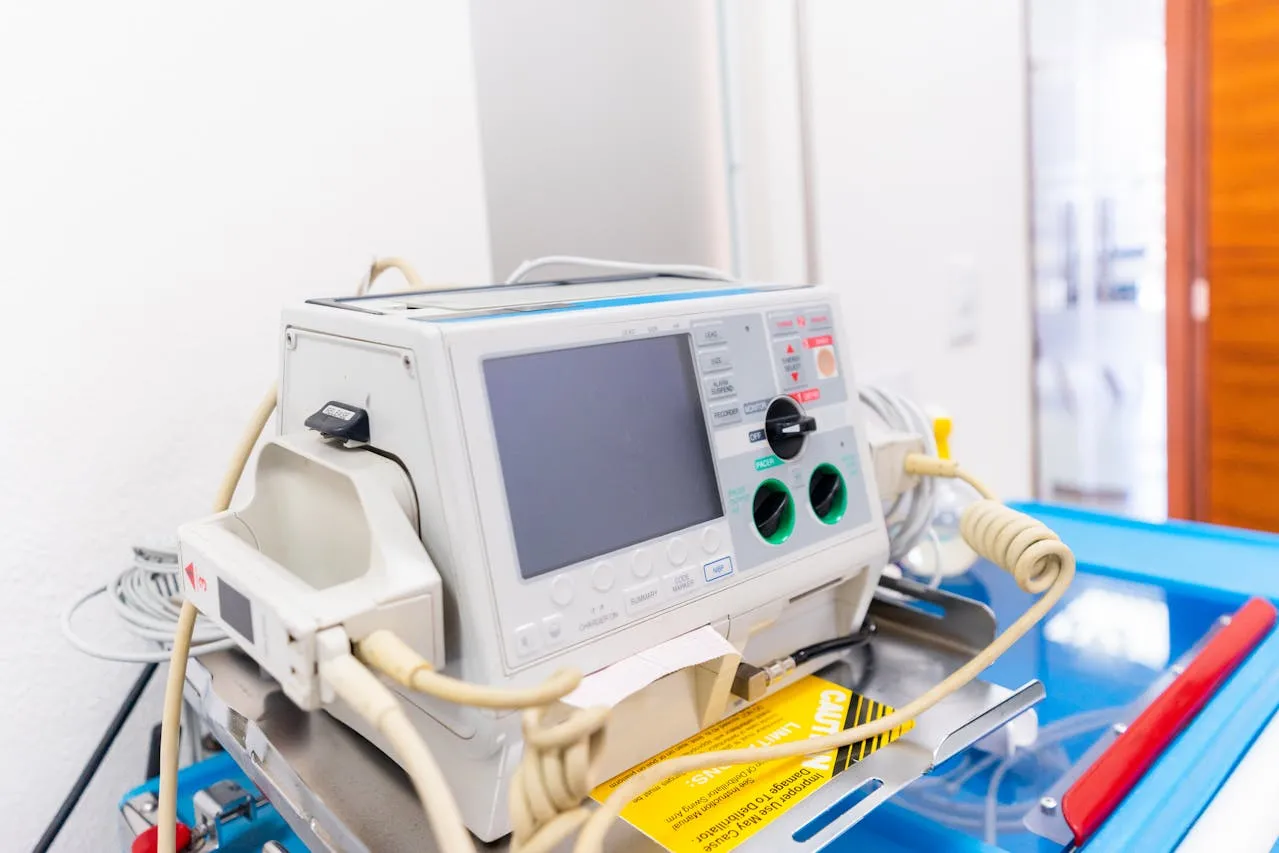
Medical devices such as imaging systems, infusion pumps, patient monitoring equipment, and even surgical tools are increasingly connected to hospital networks. While this connectivity enhances efficiency and enables advanced care delivery, it also introduces new attack surfaces. When compromised, these devices can delay procedures, disrupt workflows, or even produce inaccurate readings—potentially putting lives at risk.
The report underscores that cyber incidents are not abstract technical problems—they have tangible consequences in clinical settings. Disruptions linked to compromised medical devices include:
In time-sensitive environments like emergency departments or intensive care units, even minor delays can have serious implications. The findings highlight a growing recognition within healthcare organizations that cybersecurity is directly linked to patient outcomes.
In response to rising threats, healthcare organizations are significantly changing how they evaluate and purchase medical devices. Cybersecurity is no longer treated as a secondary or optional consideration—it has become a central requirement.
The report reveals that:
This shift reflects a broader industry trend: security is becoming a key differentiator for medical device manufacturers. Hospitals and healthcare systems are increasingly scrutinizing vendors, demanding transparency around software integrity, patching practices, and long-term support.
Requests for proposals (RFPs) now frequently include detailed cybersecurity criteria, forcing vendors to demonstrate compliance with evolving standards and best practices. This change is reshaping the competitive landscape, favoring companies that prioritize secure design and lifecycle management.
Despite improvements in procurement practices, legacy infrastructure remains a major vulnerability across healthcare environments.
The research highlights several concerning realities:
These figures reveal a persistent gap between awareness and action. Many healthcare providers rely on older equipment due to budget constraints, operational dependencies, or limited replacement options. However, outdated systems often lack modern security features and may no longer receive critical updates from manufacturers.
This creates a dangerous situation where known vulnerabilities remain exposed, providing attackers with easy entry points into hospital networks.
The healthcare industry is rapidly embracing advanced technologies, particularly artificial intelligence (AI) and connected medical systems. While these innovations promise improved diagnostics, efficiency, and patient outcomes, they also introduce new layers of complexity and risk.
According to the report:
This disparity highlights a growing tension: adoption is accelerating faster than the ability to secure these technologies. AI systems often rely on large datasets, complex algorithms, and continuous connectivity—all of which can be targeted by cyber threats.
Moreover, vulnerabilities in AI systems can have unique consequences, such as manipulated outputs, biased decision-making, or compromised clinical recommendations.
The findings point to a broader systemic issue: the gap between technological advancement and cybersecurity preparedness is widening.
Healthcare organizations are under pressure to innovate, adopt new tools, and improve patient care. At the same time, they must manage increasingly sophisticated cyber threats. This dual challenge creates a difficult balancing act.
Key contributing factors include:
As a result, vulnerabilities are often introduced faster than they can be identified and mitigated.
The report emphasizes a critical shift in perspective: medical device cybersecurity is no longer just a technical requirement—it is a patient safety imperative.
Cyberattacks targeting healthcare systems have already demonstrated their ability to disrupt care delivery and impact revenue streams. When these attacks extend to medical devices, the consequences become even more immediate and severe.
Healthcare leaders are increasingly recognizing that:
This evolving understanding is driving changes at both organizational and industry levels.
Healthcare organizations are taking several steps to address these challenges:
Despite progress, several critical challenges persist:
Addressing these issues will require sustained investment, collaboration, and innovation.
As healthcare systems become increasingly digital and interconnected, the importance of cybersecurity will only continue to grow. The findings from the 2026 Medical Device Cybersecurity Index serve as a clear warning—and a call to action.
To move forward effectively, healthcare organizations must:
Ultimately, the goal is to create a healthcare ecosystem where technological advancement and security evolve together—ensuring that innovation enhances, rather than compromises, patient safety.
About RunSafe Security
RunSafe Security protects embedded software across critical infrastructure, delivering automated vulnerability identification and software hardening from build-time to runtime to defend the software supply chain and critical systems without compromising performance or requiring code rewrites.
The RunSafe Security Platform includes an authoritative build-time SBOM generator for embedded systems and C/C++ projects, automated vulnerability identification and risk quantification, license compliance, and patented memory relocation techniques to prevent exploitation even when a patch is unavailable.
Headquartered in McLean, Virginia, with an office in Huntsville, Alabama, RunSafe Security’s customers span the aerospace and defense, energy, operational technology, industrial automation, transportation and automotive, medical device, and high-tech manufacturing verticals.