

Robotic spine surgery shows promise in treating non-healing pars fractures and restoring young athletes’ performance.
New research from spine specialists at the Hospital for Special Surgery (HSS) highlights compelling benefits of robotic-assisted minimally invasive spine surgery for adolescent athletes suffering from pars fractures—one of the leading causes of persistent back pain in teenagers involved in competitive sports. The findings, presented at the 40th Annual Meeting of the North American Spine Society (NASS) held from November 14–16 in Denver, suggest that robotic-assisted pars repair not only reduces recovery time but allows many young athletes to return to sports in as little as six weeks.
A pars fracture, clinically known as spondylolysis, involves a break in the pars interarticularis, a narrow bone segment that connects two adjacent vertebrae. This type of injury most commonly affects the lumbar (lower back) region and is frequently attributed to repetitive stress, especially in sports demanding hyperextension, twisting, or heavy impact. While pars fractures affect an estimated 7 percent of all adolescents, the incidence skyrockets to nearly 50 percent in young athletes engaged in high-risk activities such as gymnastics, football, wrestling, diving, basketball, and soccer.
Although many adolescents recover after taking a six- to eight-week break from sports, the healing process is not always straightforward. According to the study’s lead author, Austin Kaidi, MD, an orthopedic surgery resident at HSS, nearly one in five teens develops nonunion, meaning the fracture fails to heal fully even after prolonged conservative treatment. Nonunion can cause lingering or recurring back pain that may intensify once the athlete resumes activity. For some teens, this chronic discomfort has meant giving up competitive sports entirely—a devastating outcome for those deeply committed to athletics.
Dr. Kaidi explains that untreated or non-healing pars fractures can have long-term consequences: “Nonunion can cause persistent back pain and, in certain cases, even require lumbar fusion later in life if the fracture results in vertebral slip, where the vertebrae slip out of place.” This condition, known as spondylolisthesis, can lead to more severe symptoms and further restrict mobility if not addressed in time.
Robotic Technology Drives a New Era in Pars Fracture Treatment
Approximately seven years ago, HSS spine surgeon Sheeraz Qureshi, MD, Co-Chief of HSS Spine and senior author of the study, began exploring the use of robotic guidance to enhance screw placement during spine surgery. His early innovations helped usher in a new approach to repairing pars fractures—one that dramatically reduces surgical trauma and accelerates functional recovery.
Traditionally, surgical repair of a symptomatic pars fracture was an invasive procedure involving a larger incision, significant muscle dissection, and bone grafting to promote healing. Though effective, the traditional technique required substantial recovery time and carried a higher risk of postoperative pain and complications.
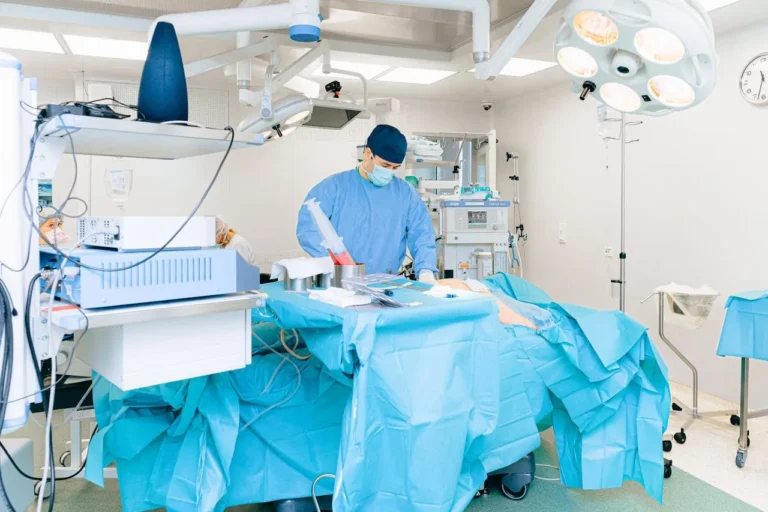
In contrast, the new robotic-assisted minimally invasive pars repair developed and advanced by HSS surgeons involves the placement of a single screw through a tiny 1-centimeter incision. The robot assists the surgeon in mapping the optimal trajectory with exceptional precision, allowing for more accurate placement and stability without the need for bone grafts. Because the procedure is far less invasive, it is performed on an outpatient basis, enabling patients to return home the same day.
This evolution in technique not only minimizes scarring and postoperative pain but also leads to significantly shorter recovery periods. According to Dr. Qureshi, “This safe and effective procedure is changing the way the medical community thinks about these injuries. We are moving away from ‘do nothing for 6 weeks’ to a more elegant, proactive solution.”
The Study: Measuring the Impact of Robotic Pars Repair on Adolescent Athletes
The research team conducted a retrospective review involving nine adolescents—average age 16—diagnosed with lumbar spondylolysis who underwent robotic-assisted single-screw repair at HSS. Before surgery, these patients had experienced back pain for an average duration of eight months, despite attempts at rest, physical therapy, and other nonsurgical interventions.
Each patient followed a structured eight-week postoperative physical therapy program. The rehabilitation protocol began with low-impact exercises such as walking and core strengthening before gradually progressing to sport-specific drills, allowing athletes to rebuild agility, strength, and confidence under guided supervision.
At an average follow-up period of 11.4 months, the results were encouraging:
- Five of the nine patients returned to their previous level of sports participation, with some exceeding their prior performance levels.
- One patient, despite improvement, continued to experience residual back pain and did not return to sports.
- Three patients showed confirmed bony union on CT scans after one year, indicating successful healing of the fracture.
- Most notably, athletes were able to return to activity in as little as six weeks, a significantly shorter timeframe than traditional recovery methods.
Dr. Kaidi noted, “Although nonsurgical treatment should always be tried before considering surgery, we were surprised by the effectiveness of this technique for enabling athletes to return to sport. Minimally invasive robotic-assisted repair is proving to be an important option for patients who fail conservative management.”
A New Standard for Young Athletes with Chronic Back Pain
HSS has become one of the world’s leading centers performing robotic-assisted single-screw pars repair, distinguishing itself as one of only a few institutions globally to publish extensively on the technique. This study represents the largest case series to date involving adolescent athletes treated with this method.
The growing body of evidence suggests that early minimally invasive surgical intervention may help prevent the long-term complications commonly associated with chronic nonunion pars fractures. By repairing the fracture promptly and effectively, surgeons can reduce the likelihood of vertebral slippage, limit future pain, and help preserve lifelong spinal health.
Dr. Qureshi emphasizes the broader implications of the research: “We’re not only caring for patients while they are young but also helping them in the long run. Early minimally invasive spine surgery can prevent future complications and ensure that young athletes can continue pursuing their passions without being held back by chronic pain.”
A Promising Future for Robotic-Assisted Spine Surgery
As robotic technology continues to advance, its role in spine surgery is rapidly expanding. The precision offered by robotic systems enhances surgical accuracy, reduces variability, and broadens the range of minimally invasive procedures available to both adult and pediatric populations.
This HSS study adds to a growing body of evidence supporting the use of robotics to improve outcomes, reduce recovery time, and provide patients—especially young athletes—with a safe and effective path back to activity.
With adolescent sports participation continuing to rise nationwide, innovations like robotic-assisted pars repair represent a critical step forward in addressing the unique orthopedic challenges faced by young athletes. The findings presented at NASS highlight a transformative shift in spine surgery that prioritizes precision, reduced invasiveness, and rapid return to performance.
About HSS
HSS is the world’s leading academic medical center focused on musculoskeletal health. At its core is Hospital for Special Surgery, nationally ranked No. 1 in orthopedics (for the 16th consecutive year), No. 3 in rheumatology by U.S. News & World Report (2025-2026), and the best pediatric orthopedic hospital in NY, NJ and CT by U.S. News & World Report “Best Children’s Hospitals” list (2024-2025). In a survey of medical professionals in more than 20 countries by Newsweek, HSS is ranked world #1 in orthopedics for a fifth consecutive year (2025). Founded in 1863, the Hospital has the lowest readmission rates in the nation for orthopedics, and among the lowest infection and complication rates. HSS was the first in New York State to receive Magnet Recognition for Excellence in Nursing Service from the American Nurses Credentialing Center five consecutive times. An affiliate of Weill Cornell Medical College, HSS has a main campus in New York City and facilities in New Jersey, Connecticut and in the Long Island and Westchester County regions of New York State, as well as in Florida. In addition to patient care, HSS leads the field in research, innovation and education. The HSS Research Institute comprises 20 laboratories and 300 staff members focused on leading the advancement of musculoskeletal health through prevention of degeneration, tissue repair and tissue regeneration. In addition, more than 200 HSS clinical investigators are working to improve patient outcomes through better ways to prevent, diagnose, and treat orthopedic, rheumatic and musculoskeletal diseases. The HSS Innovation Institute works to realize the potential of new drugs, therapeutics and devices. The HSS Education Institute is a trusted leader in advancing musculoskeletal knowledge and research for physicians, nurses, allied health professionals, academic trainees, and consumers in more than 165 countries. The institution is collaborating with medical centers and other organizations to advance the quality and value of musculoskeletal care and to make world-class HSS care more widely accessible nationally and internationally
source link: https://www.businesswire.com