The healthcare industry is increasingly adopting artificial intelligence (AI) to improve clinical workflows, enhance operational efficiency and support better patient care. Within hospitals, operating rooms (ORs) represent an important area where technology-driven improvements can make a measurable difference. Healthcare organizations are looking for innovative solutions that can help surgical teams manage their daily activities, reduce operational delays, improve scheduling and make better use of available resources.
However, introducing artificial intelligence into healthcare environments involves more than developing advanced technology. Successful implementation requires healthcare professionals to understand the technology, adopt new workflows and incorporate digital solutions into their everyday responsibilities.
Addressing this challenge, Proximie, a global surgical intelligence platform focused on operating room operations, has announced an expansion of its US Transformation team. The company has appointed Sujata Deshpande as Vice President of Delivery and Customer Success to lead the expansion and strengthen its partnerships with healthcare systems across the United States.
The appointment comes as demand for Proximie’s surgical intelligence technology continues to increase. The company is expanding its US operations to support more hospitals and health systems seeking to introduce AI-powered solutions into their surgical environments.
Through this investment, Proximie aims to ensure that healthcare organizations receive the operational guidance, implementation support and customer engagement needed to make its technology part of their everyday operating room activities.
The company believes that the successful adoption of clinical AI depends not only on the capabilities of the technology but also on how effectively healthcare professionals can use it to improve their workflows.
Proximie’s decision to strengthen its US Transformation team reflects the company’s growing presence in the American healthcare market.According to the company, its US workforce is expected to increase by 40%, while deployments of its surgical intelligence platform have tripled since the beginning of the year.
This growth has created a need to expand the teams responsible for working directly with healthcare organizations and supporting the implementation of its technology.The Transformation team plays an important role in helping hospitals move from technology implementation to practical, everyday adoption.
Rather than simply installing a digital platform and leaving healthcare organizations to manage the transition independently, Proximie works closely with hospital teams to understand their existing operating room processes and identify opportunities for improvement.
The company collaborates with perioperative departments, anesthesia professionals, surgeons and other surgical staff to introduce technology in ways that align with the operational requirements of each healthcare facility.As more hospitals adopt the platform, maintaining this hands-on approach becomes increasingly important.The expansion is intended to help Proximie support additional healthcare organizations while maintaining the level of customer engagement and implementation support that has contributed to its existing partnerships.
As part of the expansion, Proximie has appointed Sujata Deshpande as Vice President of Delivery and Customer Success.In her new position, Deshpande will lead the growth of the company’s existing US Transformation team and oversee efforts to strengthen delivery operations and customer relationships.
She brings experience from healthcare technology company Qventus, where she played a significant role in expanding the organization’s delivery capabilities.During her time at Qventus, Deshpande grew the delivery team from one employee to more than 35 people over a three-year period.
This experience in building and scaling healthcare technology delivery teams is expected to support Proximie’s next stage of US expansion.As the company works with more hospitals and health systems, its ability to deliver consistent implementation support will be important.
Deshpande’s responsibilities will include developing repeatable processes that allow the Transformation team to support a growing number of healthcare organizations without compromising the quality of customer partnerships.Her appointment also reflects Proximie’s focus on combining technological innovation with operational leadership.
The company aims to ensure that its AI-powered solutions deliver practical benefits to healthcare professionals and hospital administrators rather than remaining separate technology systems that are not fully integrated into daily operations.
Artificial intelligence is becoming an increasingly important part of healthcare technology development.Hospitals are exploring AI applications to support clinical decision-making, administrative processes, resource management and operational planning.
However, one of the major challenges facing healthcare organizations is ensuring that new technologies are successfully adopted by the people expected to use them.Healthcare professionals already manage demanding responsibilities, and introducing additional technology can create challenges if systems are not properly integrated into existing workflows.
Even advanced AI solutions may fail to deliver their intended value if employees do not understand how to use them or if the technology does not address their everyday operational needs.Proximie has developed its approach around this challenge.
The company works directly with healthcare organizations to understand how their operating rooms function, identify operational problems and introduce its surgical intelligence platform in a way that supports existing teams.
Its approach focuses on helping hospitals move beyond technology installation and achieve sustainable adoption.The Transformation team plays a central role in this process by working with clinical and operational staff throughout implementation.
This includes understanding the responsibilities of different teams, identifying areas where workflows can be improved and helping staff become comfortable with new technology-supported processes.By making change management part of its implementation strategy, Proximie aims to help healthcare organizations achieve more consistent results from their AI investments.
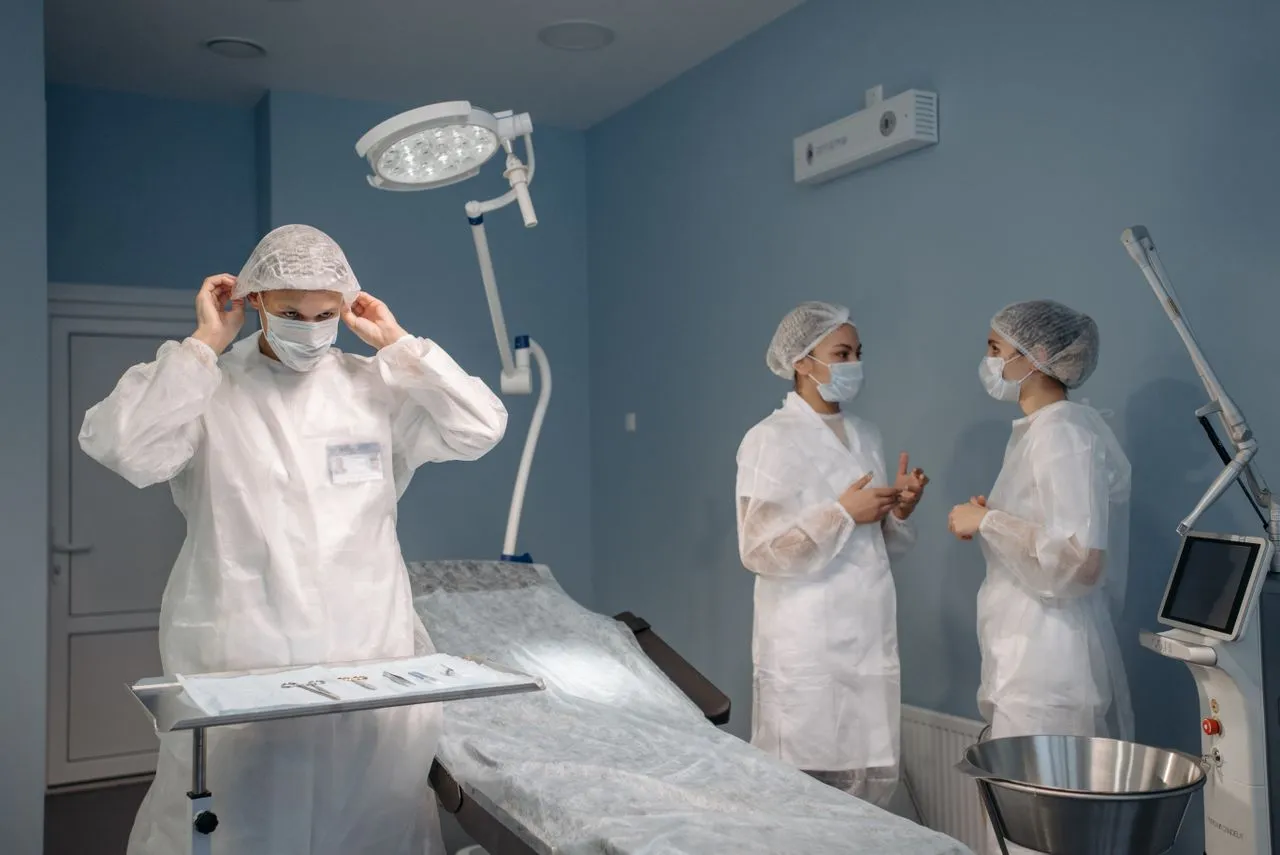
Proximie has developed a surgical intelligence platform designed to capture information from operating room environments and convert it into actionable intelligence.The platform ambiently captures the surgical procedure and operating room environment, allowing its AI technology to understand what is happening during surgical operations in real time.
This information can help hospitals better understand operating room activities, anticipate scheduling requirements and coordinate resources more effectively.Traditional operating room management involves several activities that must be coordinated throughout the day.
These include preparing rooms, managing surgical schedules, coordinating patient movement, monitoring procedure progress and documenting clinical information.Delays in one part of the process can affect subsequent procedures and create scheduling challenges for the entire surgical department.
Proximie’s technology is designed to help address these operational challenges by analyzing activity across the operating room and supporting more informed decisions.
The platform can predict how the surgical day is likely to progress and identify opportunities to keep operations moving.Its capabilities include identifying potential delays before they disrupt schedules, calling the next patient when an operating room becomes available, identifying suitable cases to fill scheduling gaps and capturing operative notes through voice.
These functions are intended to reduce the administrative and logistical responsibilities placed on operating room teams.By automating or supporting certain routine activities, the technology can help surgical professionals spend more time focusing on patient care and clinical responsibilities.
Operating rooms are among the most resource-intensive areas within hospitals.They require coordination between surgeons, anesthesiologists, nurses, technicians, patients and other healthcare professionals.The availability of surgical rooms, equipment and clinical personnel must be carefully managed to maintain efficient operations.
When procedures take longer than expected or rooms are not prepared on time, delays can affect the entire surgical schedule.These disruptions may result in unused operating room capacity, longer patient waiting periods and additional pressure on healthcare staff.
Proximie’s surgical intelligence platform aims to improve this environment by providing real-time insights into operating room activities.For example, the system can identify potential delays before they create larger scheduling problems.
It can also help coordinate the next patient when a room becomes ready and identify suitable surgical cases that could fill available scheduling gaps.These capabilities are designed to help healthcare organizations make better use of existing operating room resources.
Improving operating room efficiency does not necessarily require hospitals to construct additional facilities or increase staffing levels.
In some cases, better coordination and improved scheduling can help health systems unlock capacity within their existing infrastructure.This is particularly important as healthcare organizations face increasing demand for surgical services while managing financial and workforce pressures.
Administrative responsibilities can take up a significant amount of time for healthcare professionals working in surgical environments.Operating room teams must complete documentation, coordinate patient movement, communicate scheduling updates and manage various logistical activities throughout the day.
These responsibilities are necessary for safe and organized surgical operations, but they can also create additional workload for clinical staff.Proximie’s platform is designed to support some of these activities through AI-driven automation and real-time operational intelligence.
One of its capabilities is capturing operative notes through voice.This can help reduce the amount of manual documentation required from surgical teams.The platform also supports patient coordination by identifying when operating rooms are ready and helping initiate the process of bringing in the next patient.
By supporting these routine tasks, Proximie aims to reduce administrative burdens and help clinical professionals concentrate on their primary responsibilities.However, successful implementation requires healthcare organizations to adjust their workflows and ensure that employees understand how the technology supports their work.
This is where the company’s Transformation team becomes important.
Proximie’s Transformation specialists work directly with perioperative, anesthesia and surgical professionals to understand how each operating room operates.Every hospital has its own operational structure, staffing arrangements, scheduling practices and clinical requirements.
As a result, implementing the same technology across different healthcare organizations may require different approaches.The Transformation team works with hospital staff to understand these differences and introduce changes that align with the needs of each facility.
This process includes bringing different stakeholders into the implementation journey and helping them understand how the technology can support their daily responsibilities.The team also works to shape new workflows around the specific requirements of each health system.
The objective is to make technology adoption a practical and sustainable part of hospital operations.By focusing on staff engagement, workflow integration and ongoing customer support, Proximie aims to help healthcare organizations achieve measurable improvements from their surgical intelligence deployments.
Proximie reports that its platform has helped healthcare organizations unlock additional operating room capacity.Across its deployments, the company says its technology can help health systems add up to one additional surgical case per operating room per day.
The company has also reported operational improvements at individual healthcare facilities.At one US health system, operating room turnover time decreased by 21%.This improvement reportedly unlocked 99 hours of additional operating room capacity each month across 16 operating rooms.
The company estimates that this additional capacity represents a projected annual value of $2.16 million.The results demonstrate how improvements in operating room scheduling and coordination may help healthcare organizations make better use of existing resources.
Reducing turnover time can allow surgical teams to prepare operating rooms for subsequent procedures more efficiently.When combined with improved scheduling and patient coordination, these operational changes may help hospitals increase the number of procedures performed within their existing capacity.
The reported financial value also highlights the potential business impact of improving operating room utilization.For healthcare systems operating under financial pressure, increasing the productivity of existing surgical facilities can be an important operational priority.
Proximie also highlighted its work with AdventHealth Celebration in Florida as an example of improved operating room performance.According to the company, first-case on-time starts at the facility increased from 64% to 71%.
First-case on-time starts are an important operational indicator because delays at the beginning of the surgical day can affect subsequent procedures.When the first procedure begins on schedule, operating room teams may have a better opportunity to maintain the planned schedule throughout the day.
Improving this metric can therefore support better coordination between surgical departments and other hospital services.Proximie also reported that AdventHealth Celebration recorded its highest-volume year ever.
The company highlighted these results as an example of how improved operating room intelligence and workflow coordination can support greater surgical capacity.Although individual healthcare facilities may have different operational requirements, these examples demonstrate the types of improvements Proximie aims to support through its platform.
Dr. Nadine Hachach-Haram FRCS, BEM, Founder and CEO of Proximie, highlighted the importance of ensuring that healthcare AI creates meaningful improvements for the professionals using it.She explained that the future of healthcare AI will depend not only on technological sophistication but also on the practical difference it makes in everyday clinical environments.
According to Hachach-Haram, Proximie’s approach has always involved working closely with healthcare organizations rather than simply installing technology and leaving.She noted that this commitment has influenced the company’s culture, reputation and the results it has delivered.
As Proximie expands its presence across the United States, the company is investing in its Transformation team to ensure that its partnerships continue to receive the same level of support.Hachach-Haram also expressed confidence that Deshpande’s leadership experience will help the organization expand its capabilities while supporting more healthcare systems.
Deshpande also emphasized the importance of people and change management when introducing technology into healthcare environments.She explained that healthcare leaders already have access to large amounts of data, but what they need is actionable intelligence that helps them make better decisions and achieve measurable results.
She highlighted that successful healthcare transformation begins with the people responsible for delivering care.According to Deshpande, change management must become part of the way healthcare organizations operate so that technology adoption can be maintained over time.
She also explained that one of the reasons she joined Proximie was the company’s commitment to practical implementation and the results it is already delivering with healthcare organizations.Her priority will be to develop repeatable working processes within the US Transformation team.
This approach is intended to ensure that every health system working with Proximie receives consistent, hands-on support as the company continues to expand.
Alongside its US Transformation team expansion, Proximie is also increasing its investment in artificial intelligence development.The company’s AI team is expected to more than double in size by the end of 2026.This planned expansion reflects its commitment to advancing surgical intelligence and developing additional capabilities for operating room environments.
The investment in AI development and customer transformation highlights two important parts of Proximie’s growth strategy.The first is continuing to improve the technology that captures and analyzes operating room activity.The second is ensuring that healthcare organizations can successfully implement and use these capabilities.
Both areas are important because advanced AI systems must be supported by effective implementation strategies to deliver meaningful operational benefits.By investing in technology development and customer-facing teams simultaneously, Proximie aims to strengthen its ability to serve a growing number of hospitals and health systems.
Proximie’s growth and technology development have also received industry recognition.The company was named among TIME’s World’s Top HealthTech Companies of 2026.It also received AI Innovation of the Year awards at both the HTN Health Tech Awards and the Health Tech World Awards 2026.
Additionally, Proximie received the Best Health Technology award at the Building Better Healthcare Awards 2026.These recognitions highlight the company’s work in advancing AI-powered surgical care and developing technology designed to support healthcare operations.
The awards also come as hospitals increasingly explore how AI can be used to improve efficiency and address operational challenges.
Proximie’s latest leadership appointment and US workforce expansion represent an important development in the company’s efforts to increase the adoption of surgical intelligence technology.As more healthcare organizations explore AI-powered operating room solutions, the need for effective implementation, staff engagement and ongoing customer support is expected to remain important.
The company is focusing on helping hospitals integrate surgical intelligence into everyday operations rather than treating AI as a separate technology investment.With Sujata Deshpande leading the expansion of its US Transformation team, Proximie aims to support more healthcare systems while maintaining its hands-on approach to customer partnerships.
The company’s plans to increase its AI workforce by more than double by the end of 2026 further demonstrate its commitment to developing its technology capabilities.
By combining AI innovation, real-time operating room intelligence and dedicated implementation support, Proximie is working to help healthcare organizations improve surgical scheduling, reduce operational delays and unlock additional capacity.
Ultimately, the company’s broader objective is to help hospitals make better use of their existing operating room resources while allowing healthcare professionals to focus more of their time and attention on delivering patient care.
Source link: https://www.businesswire.com/