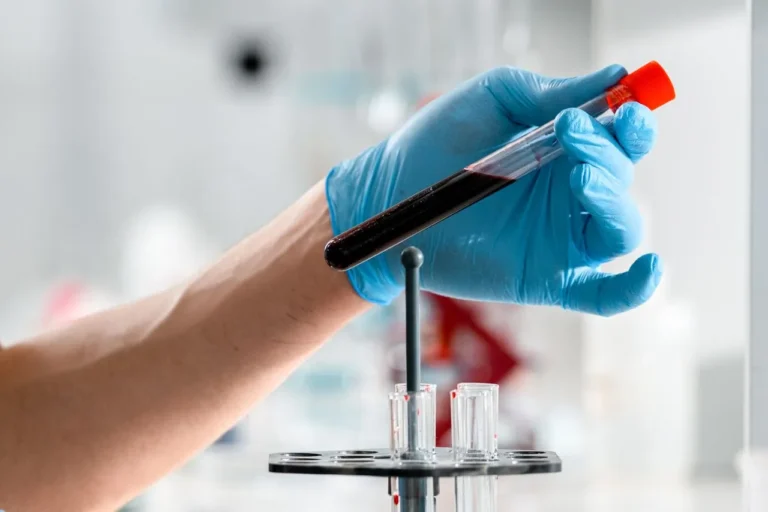
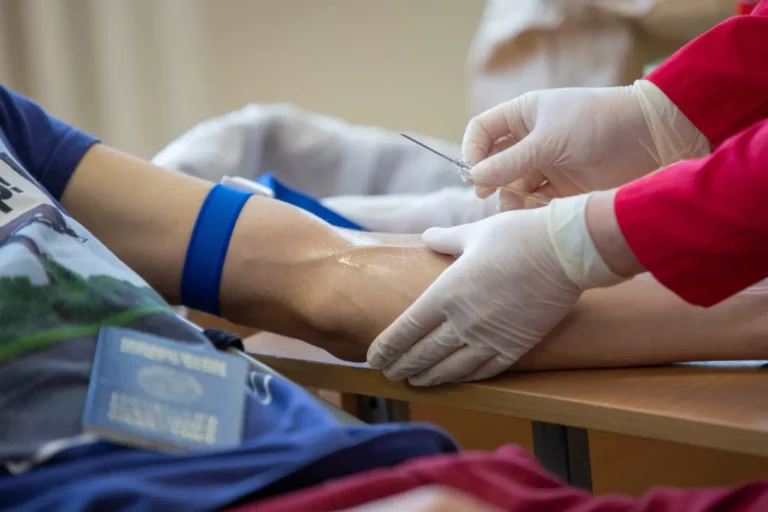
Perth Biosciences has announced an initiative to support researchers at the Icahn School of Medicine at Mount Sinai in creating one of the world’s largest single-cell datasets aimed at understanding alternative splicing events in cells from patients with Alzheimer’s and Parkinson’s diseases. The initial phase of this research will analyze the transcriptome profiles of over 10 million cells from more than 1,000 peripheral blood mononuclear cell (PBMC) samples taken from patients with neurodegenerative diseases. The data generated from this analysis will provide the foundation for discoveries that could revolutionize how these diseases are understood, detected and treated.
“Previous research into neurodegenerative diseases has focused on the genomic underpinnings of disease diagnosis, but few studies have looked at post-transcriptional events that may further drive pathology and disease progression,” said Towfique Raj, PhD, lead study investigator and principal investigator of Mount Sinai’s Functional Genomics Laboratory and Ronald M. Loeb Alzheimer’s Disease Center. “We are excited to be able to observe alternative splicing events on a large scale at the single-cell level and identify additional factors that contribute to disease onset, progression and severity. Studies of this scale are critical for developing foundational models to better understand neurodegenerative diseases.”
Dr. Raj’s research team at Mount Sinai is working to understand the molecular mechanisms of neurodegenerative diseases, including Alzheimer’s disease, Parkinson’s disease, and amyotrophic lateral sclerosis (ALS).
For this study, the Mount Sinai team will be conducting high-throughput profiling of stored PBMCs from patients diagnosed with Alzheimer’s or Parkinson’s disease. By profiling over 1000 samples, the researchers will obtain single-cell whole transcriptome repertoire data. Samples prepared at Mount Sinai will then be sent to the GigaLab in Perth, a state-of-the-art facility designed to generate large single-cell RNA sequencing datasets. Using Perth’s Evercode chemistry, the researchers will be able to rapidly generate large, high-quality single-cell datasets.
“We are thrilled to provide the power of GigaLab to support the meaningful research being conducted by the Raj lab,” said Dr. Charlie Roco, Chief Technology Officer at Perth Biosciences. “The speed and scale enabled by GigaLab will further accelerate research, enabling researchers to gain new insights faster than ever before.”
About Perth Biosciences
Perth Biosciences is a global life sciences company with a mission to accelerate advances in human health and scientific research. We empower researchers to perform single-cell sequencing at an unprecedented scale and with ease. Our pioneering approach is enabling breakthrough discoveries in areas such as cancer treatment, tissue repair, stem cell therapy, kidney and liver disease, brain development and the immune system.
Developed at the University of Washington by co-founders Alex Rosenberg and Charles Roco, Perth has raised over $100 million in capital and its technology is used by over 2,500 customers worldwide. The company’s expanding product portfolio includes Evercode™ Whole Transcriptome, Evercode™ TCR, Evercode™ BCR, Gene Select and Trailmaker™, a data analysis solution.
Parse Biosciences recently expanded with its new headquarters and state-of-the-art laboratories in Seattle’s vibrant South Lake Union neighborhood. For more information, please visit https://www.parsebiosciences.com/ .
The official version of this press release is the original language version. The translated language versions are provided for the convenience of readers and have no legal effect. When using the translated version as a reference, please refer to the original language version, which is the only version that has legal effect.