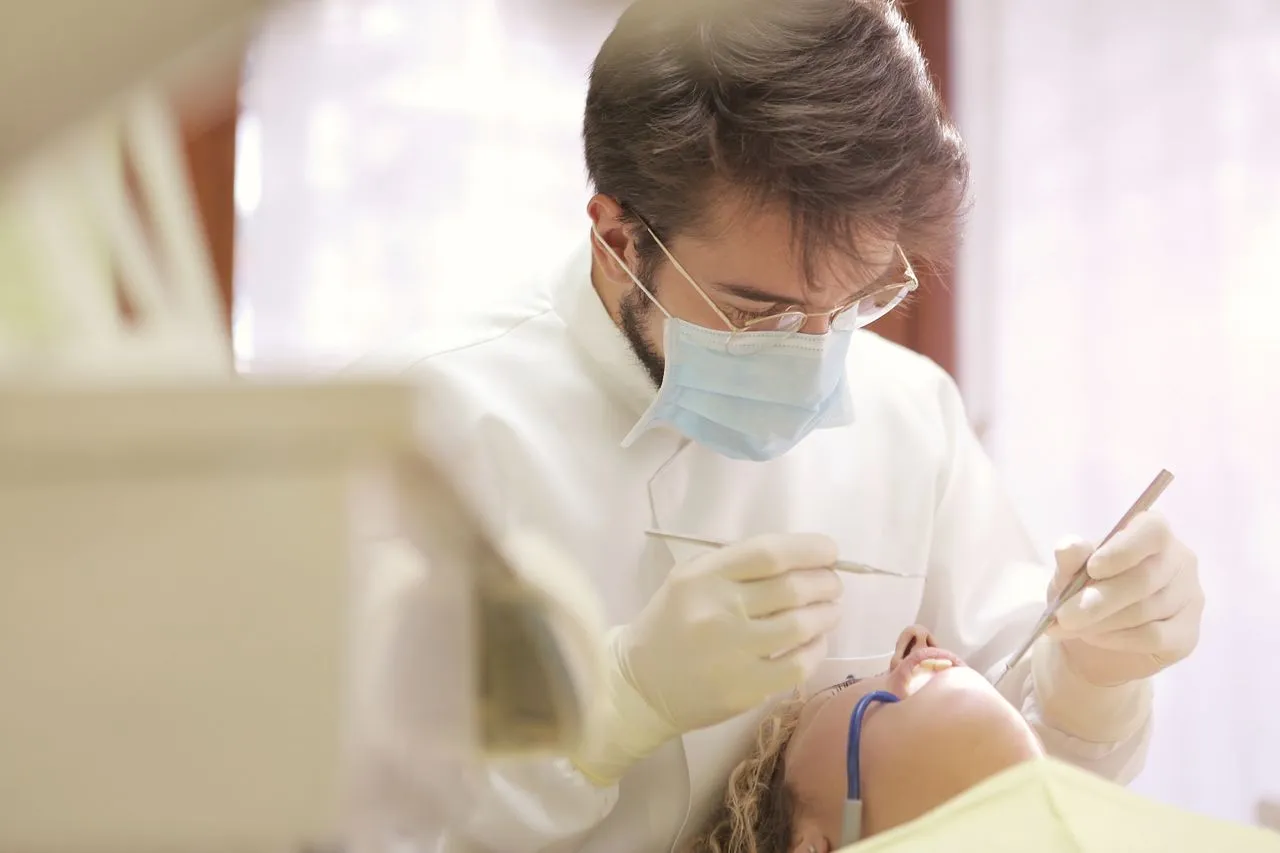
Bupa Dental Care has expanded its approach to preventive dentistry through a new partnership with Swiss dental med-tech company vVARDIS, bringing Curodont® Repair to its dental practices across the United Kingdom. The treatment provides dental professionals with a drill-free option for managing the early stages of tooth decay, potentially allowing patients to receive intervention before conventional restorative procedures, such as fillings, become necessary.
The introduction of Curodont® Repair represents a growing emphasis on minimally invasive dentistry, early diagnosis and preservation of natural tooth structure. Rather than waiting for tooth decay to progress to a stage where drilling and restoration may be required, clinicians can use the treatment as an additional option when addressing early lesions.
For patients, the approach could also help create a more comfortable dental experience. The sound and sensation of dental equipment are among the concerns frequently associated with dental visits, particularly for people who already experience dental anxiety. By providing a treatment option that does not require drilling in appropriate early-stage cases, dental professionals may be able to reduce some of the factors that contribute to patient apprehension.
Tooth decay remains one of the most widespread oral health problems worldwide. Although many cases can be prevented or managed through good oral hygiene, appropriate nutrition, fluoride use and regular dental examinations, decay can still develop and progress when early warning signs are missed or untreated.
The partnership between Bupa Dental Care and vVARDIS is centered on addressing tooth decay at an earlier stage. Curodont® Repair is designed to treat early tooth decay non-invasively, with the objective of helping stop and reverse the progression of early lesions.
This approach fits within the broader concept of minimally invasive dentistry, where the priority is to preserve as much healthy natural tooth structure as possible. Traditional restorative dentistry can be highly effective when a cavity has progressed sufficiently to require a filling. However, when decay is identified earlier, clinicians may have opportunities to intervene before substantial damage occurs.
The availability of Curodont® Repair therefore gives dental professionals another tool between preventive advice and more invasive restorative treatment.
According to Bupa Dental Care, the treatment is clinically proven to stop and reverse early tooth decay without using a dental drill. This means that, for suitable patients, clinicians can consider an alternative approach during the early stages of the disease rather than automatically moving toward restorative intervention.
Patient comfort is another important consideration behind the introduction of the treatment.
Dental anxiety can affect people of different ages and may influence whether they attend appointments regularly. Fear of dental treatment can sometimes result in people delaying routine examinations or avoiding care altogether. When appointments are postponed, oral health problems that could have been identified and managed at an early stage may have more time to develop.Bupa Dental Care points to research indicating that 53% of people report being afraid of visiting the dentist, while 76% of people in the UK have delayed or avoided dental appointments because of dental fear.
Dental anxiety can begin during childhood. According to the figures cited by Bupa Dental Care, 13% of children under the age of 10 experience anxiety about visiting the dentist. Among nervous children, the feel of dental equipment and loud noises are identified as two of the leading concerns.
These factors highlight why the experience patients have during their earliest dental visits can be important. A negative or frightening experience may contribute to continued anxiety later in life, while positive experiences can help children and adults develop greater confidence in dental care.
A drill-free treatment option cannot eliminate dental anxiety altogether, but it may provide clinicians with another way to make selected procedures less intimidating.
One of the central principles behind Curodont® Repair is the preservation of natural tooth structure.Once tooth structure has been significantly lost through decay, restorative treatment may be required to rebuild the affected area. While fillings and other dental restorations are important tools in modern dentistry, preserving healthy enamel and dentin whenever possible remains an important objective.
Early intervention can potentially reduce the need for more extensive procedures. By identifying and managing early decay before it develops into a larger cavity, clinicians can focus on protecting the existing tooth rather than replacing damaged structure.
This philosophy is increasingly reflected in preventive and minimally invasive dental care. Instead of treating oral disease only after significant damage has occurred, dentists are increasingly looking for ways to identify risk and intervene earlier.Curodont® Repair is being introduced as part of this changing approach, providing clinicians with an additional treatment option for appropriate early-stage tooth decay cases.
The need for improved approaches to tooth decay management remains significant. Despite being largely preventable, dental caries continues to affect billions of people worldwide.
Bupa Dental Care cites estimates that approximately 2.5 billion people live with untreated cavities each year. The scale of the problem demonstrates why prevention, early diagnosis and accessible treatment remain important priorities for oral healthcare systems.
The consequences of untreated tooth decay can extend beyond discomfort. As decay progresses, patients may experience pain, infection, difficulty eating and disruption to everyday activities. In more severe cases, treatment can require substantially more complex dental procedures.
Children are particularly vulnerable to the consequences of poor oral health. In England, tooth decay is among the leading causes of hospital admissions for young children. This makes early prevention and treatment especially important in pediatric dentistry.
Research cited by Bupa Dental Care indicates that more than 90% of tooth decay in children and adolescents can be stabilised or improved when it is detected early. This reinforces the importance of regular dental examinations and early clinical intervention.
The importance of dental care extends beyond the mouth. Oral health is closely connected with general health and wellbeing, and poor oral health has been associated with a range of chronic health conditions.
Conditions such as heart disease and diabetes have been linked with poor oral health, although the relationships between oral and systemic health are complex. Maintaining healthy teeth and gums is therefore an important component of broader preventive healthcare.
Early management of tooth decay can contribute to better oral health outcomes while potentially reducing the need for more invasive treatment later.For dental providers, approaches that combine prevention, early detection and minimally invasive treatment may also help encourage patients to remain engaged with routine dental care.
Neil Sikka, Director of Dentistry at Bupa Dental Care, said the organisation recognises the importance of positive early dental experiences and early intervention.
He explained that making Curodont® Repair available to patients and dental insurance customers gives clinicians more options for treating early tooth decay before a filling is required. The objective is to preserve healthy tooth structure while giving patients greater choice in how their dental care is delivered.
The company believes that treatments such as this could help patients feel more comfortable during dental appointments and encourage healthier attitudes toward oral care over the long term.This is particularly relevant for patients who have previously delayed dental appointments because of fear or anxiety. Having additional treatment options may allow clinicians to tailor care more closely to individual patient circumstances.
vVARDIS, the Swiss healthcare company behind Curodont®, welcomed the partnership and the wider availability of its technology through Bupa Dental Care practices.Dr. Haley Abivardi and Dr. Goly Abivardi, co-CEOs and co-founders of vVARDIS, said the company wants to change how tooth decay is managed by helping dental professionals treat the disease non-invasively.
The company’s approach focuses on supporting preservation of natural teeth while helping patients feel more confident about receiving dental care.The partnership with Bupa Dental Care gives clinicians across its UK practice network access to the treatment, potentially increasing awareness of minimally invasive approaches to early tooth decay among both dental professionals and patients.
The launch reflects a wider movement in dentistry toward prevention and conservative treatment. Historically, dental care has often been associated with restorative procedures, particularly when patients seek treatment after symptoms have developed.
Modern dentistry increasingly emphasises identifying problems before they become severe. Routine examinations, oral hygiene education, dietary guidance and fluoride-based prevention remain fundamental components of this approach.
Technologies and treatments that can address early disease without extensive intervention add another layer to this preventive model.
For patients, the potential advantages include preserving more natural tooth structure and avoiding certain invasive procedures when early-stage treatment is clinically appropriate. For dentists, such technologies can expand the range of options available when developing personalised treatment plans.
However, the suitability of any treatment depends on the patient’s individual oral health condition and the stage and characteristics of the tooth decay. Curodont® Repair is intended as an option for appropriate early-stage lesions rather than a replacement for all conventional dental treatments.
The introduction of Curodont® Repair across Bupa Dental Care’s UK practices combines two important priorities: managing tooth decay earlier and improving the patient experience.
Dental anxiety remains a significant barrier to regular care for many people. Treatments that reduce the need for drilling in suitable cases could help address some of the fears associated with dental procedures, while early intervention could help prevent minor problems from becoming more complicated.
For children, creating positive experiences may be particularly valuable. Encouraging children to view dental visits as routine and manageable can support better attendance and oral health behaviours as they grow.For adults who have avoided dental treatment because of anxiety, the availability of additional minimally invasive options may also provide greater confidence when discussing treatment with their dentist.
Ultimately, the partnership between Bupa Dental Care and vVARDIS highlights the changing role of preventive and minimally invasive technologies in dentistry. By providing clinicians with an additional drill-free option for early tooth decay, the initiative aims to support preservation of natural teeth, earlier treatment and more positive experiences for patients.
As dental healthcare continues to move toward prevention and personalised care, innovations such as Curodont® Repair could play a role in closing the gap between preventive measures and traditional restorative treatment. The broader objective is not simply to treat tooth decay after damage has occurred, but to identify disease earlier, intervene appropriately and help patients maintain their natural teeth for longer.
Source link: https://www.businesswire.com/