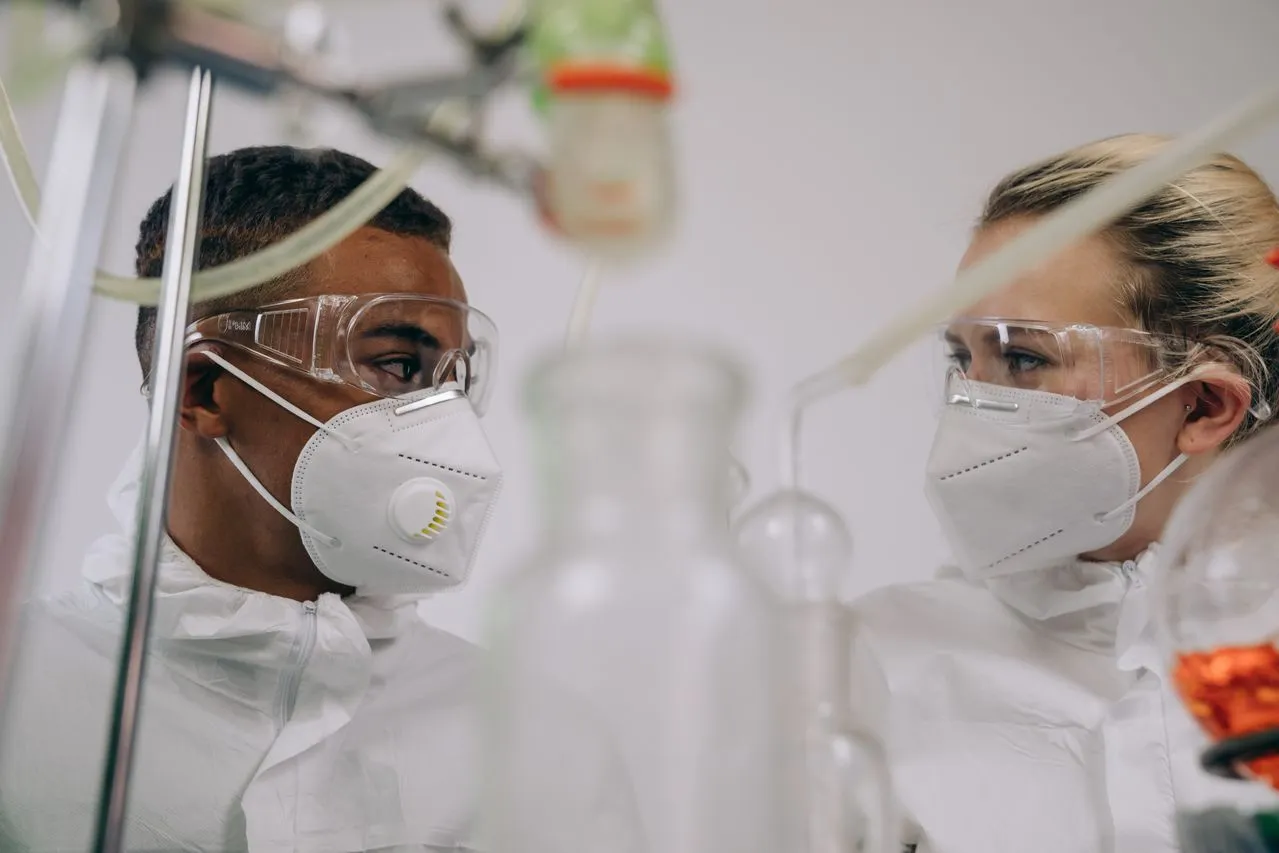
National Standards Laboratory SA (NSL SA), a Switzerland-based scientific research laboratory headquartered in Aigle, Canton of Vaud, has announced its successful registration with both the United Nations Global Marketplace (UNGM) and the United Nations Partner Portal (UNPP). This milestone marks an important step in the organization’s strategy to expand international scientific collaboration, strengthen technical partnerships, and contribute to global research initiatives focused on advancing life sciences, analytical testing, and healthy aging.
The registration with these internationally recognized United Nations platforms enables NSL SA to participate in broader scientific and technical cooperation opportunities with UN agencies, research institutions, universities, laboratories, and other organizations dedicated to addressing global scientific and public health challenges. By joining these collaborative networks, the laboratory aims to share its expertise while supporting evidence-based research and innovation that can benefit the international scientific community.
The inclusion of NSL SA in the United Nations Global Marketplace and the United Nations Partner Portal reflects the laboratory’s commitment to operating within internationally recognized scientific and quality standards. Both platforms serve as gateways for organizations seeking to collaborate with United Nations agencies on projects involving research, technical services, innovation, and sustainable development.
Through these registrations, NSL SA gains additional opportunities to engage with international stakeholders working across healthcare, biotechnology, biomedical research, laboratory science, environmental testing, and scientific innovation. The organization believes that expanding its collaborative framework will enable researchers to exchange expertise, promote transparency, and contribute to scientific progress on a global scale.
As scientific research increasingly depends on international cooperation, organizations with specialized analytical capabilities play a critical role in generating reliable data, validating research findings, and supporting evidence-based decision-making. NSL SA intends to leverage its laboratory infrastructure and technical capabilities to participate in multidisciplinary collaborations that advance scientific understanding and improve research quality.
At the core of NSL SA’s operations is its commitment to maintaining an ISO/IEC 17025 laboratory framework. This internationally recognized standard establishes requirements for the competence of testing and calibration laboratories, ensuring that laboratory processes consistently produce technically valid and reliable results.
Operating within this framework allows NSL SA to implement rigorous quality management systems designed to support analytical precision, technical competence, and confidence in scientific findings. Every aspect of laboratory operations is structured around standardized methodologies, documented procedures, and traceable workflows that contribute to reproducibility and transparency.
The laboratory’s quality-focused approach encompasses:
These systems help ensure that experimental outcomes are supported by robust scientific processes while minimizing variability and maintaining confidence in laboratory-generated data.
NSL SA provides a wide range of analytical and scientific research capabilities designed to support both academic and applied research programs. The laboratory combines modern instrumentation with scientifically validated methodologies to conduct complex investigations across multiple areas of life sciences.
Its technical expertise includes analytical chemistry, biological testing, laboratory measurements, biomarker assessment, molecular investigations, and preclinical research. Every study is conducted using standardized protocols supported by qualified scientific personnel and comprehensive quality control measures.
The laboratory emphasizes that scientific reliability depends not only on advanced equipment but also on experienced researchers, carefully designed protocols, documented procedures, and continual monitoring of laboratory performance.
By integrating these components into daily operations, NSL SA aims to produce research findings that are reproducible, scientifically credible, and suitable for independent verification.
One of the laboratory’s principal research priorities is longevity science—a rapidly expanding field focused on understanding the biological mechanisms that influence aging and age-related diseases.
Rather than concentrating solely on lifespan extension, NSL SA’s research seeks to improve healthy aging by investigating biological pathways that contribute to maintaining physiological function throughout life.
Researchers at NSL SA study numerous interconnected biological systems associated with aging, including:
By examining these complex biological processes, the laboratory hopes to generate evidence that contributes to future research aimed at preserving health, improving quality of life, and supporting healthy lifespan.
The organization recognizes that aging is influenced by numerous genetic, environmental, metabolic, and cellular factors. Consequently, its research strategy integrates multidisciplinary scientific approaches designed to better understand these interactions.
Modern longevity research increasingly focuses on identifying the biological processes responsible for age-related decline before disease develops. NSL SA contributes to this growing body of knowledge by investigating cellular pathways that influence resilience, adaptation, and repair.
Scientists examine how metabolism changes over time, how inflammation contributes to aging, and how cells respond to stress throughout the lifespan. These investigations may provide valuable insights into biological aging and identify measurable indicators that support future research.
Understanding these mechanisms has the potential to improve scientific knowledge regarding:
Although much work remains in this evolving field, carefully designed laboratory studies continue to expand understanding of the biological processes that influence healthy aging.
NSL SA places significant emphasis on conducting scientifically justified and responsibly managed preclinical research. Where appropriate, the laboratory performs animal studies as part of broader research programs designed to answer important scientific questions that cannot yet be addressed through alternative methods alone.
The laboratory states that such research is conducted within established ethical frameworks and follows applicable scientific guidelines governing responsible research practices.
Every study is designed with clearly defined scientific objectives, appropriate review procedures, and careful consideration of research necessity. Experimental protocols undergo structured planning to ensure that data generated contribute meaningful scientific information.
NSL SA also emphasizes responsible sample management, comprehensive documentation, and transparent reporting throughout the research process.
Importantly, the laboratory recognizes that scientific advancement depends upon accurate reporting regardless of experimental outcomes. Positive findings, negative findings, and inconclusive results all contribute valuable knowledge by helping researchers refine hypotheses, avoid duplication of effort, and improve future investigations.
Scientific credibility depends on transparency, reproducibility, and careful interpretation of data. NSL SA incorporates these principles throughout its research activities by emphasizing methodological rigor and objective analysis.
The laboratory follows established procedures designed to maintain scientific integrity, including:
These practices help ensure that research findings can be evaluated independently and interpreted within an appropriate scientific context.
Rather than focusing solely on favorable outcomes, NSL SA promotes balanced reporting that accurately reflects experimental observations while acknowledging study limitations where applicable.
Among NSL SA’s most significant scientific interests is the validation of biomarkers that may improve understanding of biological aging and disease mechanisms.
Biomarkers provide measurable indicators of biological processes and can help researchers evaluate physiological changes over time. Reliable biomarker validation is essential for improving scientific research, supporting clinical investigations, and advancing translational medicine.
The laboratory also conducts research involving multi-omics technologies, which integrate data from multiple biological systems—including genomics, proteomics, metabolomics, and related fields—to provide a more comprehensive understanding of complex biological interactions.
This systems-level approach allows researchers to investigate how multiple molecular pathways interact rather than studying individual biological components in isolation.
Metabolic research represents another important component of NSL SA’s scientific portfolio.
The laboratory investigates how metabolic pathways influence health, resilience, and aging, with particular interest in mitochondrial biology.
Mitochondria serve as the primary energy-producing structures within cells and play essential roles in energy metabolism, oxidative balance, and cellular signaling. Changes in mitochondrial function have been associated with numerous aspects of aging and chronic disease.
By studying mitochondrial mechanisms alongside broader metabolic processes, researchers hope to better understand how cellular energy production influences overall physiological health.
In addition to aging research, NSL SA studies regenerative biological mechanisms that may contribute to maintaining tissue function and supporting recovery from biological stress.
Understanding how tissues repair themselves, maintain structural integrity, and respond to injury remains an important area of biomedical research.
While regenerative science continues to evolve, laboratory investigations into cellular maintenance and repair processes may contribute foundational knowledge for future scientific developments across multiple healthcare disciplines.
NSL SA has also expressed interest in exploring responsible open-access models for selected intellectual property and technical knowledge generated through its research activities.
Where scientifically appropriate and consistent with applicable legal and ethical considerations, the laboratory may make selected research resources available to qualified scientific communities.
This approach is intended to encourage collaboration, facilitate independent scientific evaluation, and support broader research efforts across academia and industry.
Open scientific collaboration has become increasingly important in accelerating innovation, improving reproducibility, and reducing duplication of research efforts. By sharing selected knowledge and technical resources responsibly, NSL SA hopes to contribute to collective scientific progress.
Through its expanded international cooperation framework, NSL SA seeks to strengthen relationships with researchers, universities, biotechnology organizations, healthcare institutions, government agencies, and innovation partners worldwide.
Collaborative research allows institutions to combine specialized expertise, advanced technologies, and diverse scientific perspectives to address increasingly complex biological questions.
The laboratory believes that partnerships built on scientific integrity, transparency, and shared objectives will accelerate discovery while improving the reliability and impact of research outcomes.
By engaging with both public and private sector organizations, NSL SA aims to contribute to multidisciplinary initiatives spanning laboratory science, analytical testing, biomedical research, and healthy aging.
As global scientific collaboration continues to expand, National Standards Laboratory SA views its registration with the United Nations Global Marketplace and the United Nations Partner Portal as an important milestone in its long-term development strategy.
Combined with its ISO/IEC 17025 laboratory framework, advanced analytical capabilities, and growing expertise in longevity science, biomarker research, metabolic biology, and responsible preclinical studies, the laboratory is positioning itself as a contributor to international life-science research.
Moving forward, NSL SA intends to continue strengthening its scientific infrastructure, expanding collaborative partnerships, and generating high-quality research that supports independent evaluation, peer review, and evidence-based innovation. Through rigorous methodologies, ethical research practices, and a commitment to scientific excellence, the organization aims to contribute meaningful knowledge that advances healthy aging, biomedical discovery, and global life-science research.
Source link: https://www.businesswire.com/