

Merck Announces Landmark Agreement With U.S. Government to Expand Affordable Access to Medicines and Strengthen Domestic Innovation
Merck known as MSD outside the United States and Canada, has announced a landmark agreement with the U.S. government aimed at significantly expanding access to prescription medicines while lowering costs for American patients. The agreement underscores Merck’s long-standing commitment to affordability, innovation, and domestic manufacturing, while reinforcing the nation’s leadership in biopharmaceutical research and development.
Central to the agreement is Merck’s pledge to make select prescription medicines available directly to eligible American patients at substantially reduced prices. This initiative is designed to address longstanding disparities in global drug pricing and ensure that Americans are no longer disproportionately burdened with the costs of pharmaceutical innovation.
In addition, Merck reaffirmed its commitment to invest more than $70 billion in U.S.-based capital expenditures and research and development over the coming years, strengthening domestic manufacturing capacity, supporting American jobs, and accelerating medical innovation.
A Commitment to Affordable Access for Patients
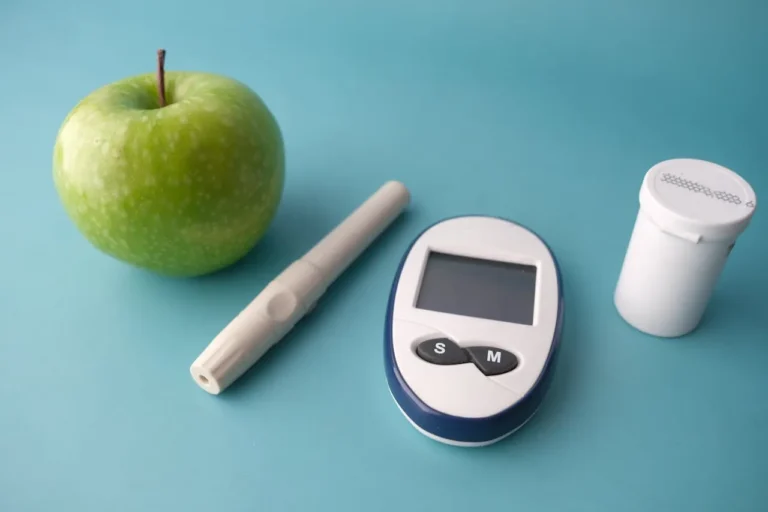
As part of the agreement, Merck will expand its direct-to-patient program, allowing eligible Americans to access several widely used prescription medicines at deeply discounted cash prices. Initially, the program will include diabetes treatments JANUVIA®, JANUMET®, and JANUMET XR®, with prices set at approximately 70% below current list prices.
Merck plans to broaden the program further following regulatory approval of enlicitide decanoate, a novel oral therapy designed to lower LDL cholesterol. If approved, enlicitide has the potential to become the first oral PCSK9 inhibitor available to patients, offering a more convenient and accessible alternative to existing injectable therapies.
“Today’s agreement marks a pivotal step toward ensuring Americans can access the medicines they need at lower costs,” said Robert M. Davis, chairman and chief executive officer of Merck. “For too long, global pricing imbalances have shifted the financial burden of research and development onto the U.S. healthcare system and ultimately onto American patients. Merck is proud to work with the administration to address these disparities and expand affordability across the system.”
Addressing Global Pricing Disparities
Merck is voluntarily addressing all four policy components outlined in the administration’s July communication to pharmaceutical manufacturers. These measures aim to reduce the price gap between prescription medicines in the United States and those in other developed nations, where government price controls often lead to significantly lower costs.
By aligning pricing more closely across markets, Merck seeks to ensure that American patients benefit from fairer pricing while preserving the economic foundation necessary to support future medical breakthroughs. The company emphasized that sustained innovation depends on balanced global contributions to research and development.
Enlicitide: A Potential Breakthrough in Cardiovascular Care
Among the most notable elements of the agreement is Merck’s plan to offer enlicitide through its direct-to-patient program following FDA approval. Enlicitide is a novel oral candidate designed to deliver PCSK9 antibody-like efficacy in a once-daily pill.
PCSK9 inhibitors have been shown to significantly reduce LDL cholesterol levels and lower the risk of cardiovascular events. However, despite their effectiveness, existing injectable PCSK9 therapies remain widely underutilized due to cost, access barriers, and patient hesitancy toward injections.
Cardiovascular disease remains the leading cause of death in the United States, with heart attacks and strokes accounting for the majority of cardiovascular-related fatalities. According to national data, one person dies every 36 seconds from cardiovascular disease, underscoring the urgent need for scalable and affordable prevention options.
“If approved, enlicitide could help address a critical unmet need by offering an effective, easy-to-use oral option to manage high LDL cholesterol,” the company stated. “Our intention is to make enlicitide broadly available and affordable for American patients to help combat the cardiovascular epidemic.”
Direct-to-Patient Model Expands Access
Merck’s direct-to-patient model represents a growing approach within the pharmaceutical industry to reduce administrative complexity and eliminate intermediaries that can contribute to higher prices. By allowing eligible patients to purchase medications directly, Merck aims to simplify access while maintaining transparency around pricing.
The program is expected to expand over time to include additional therapies, further strengthening Merck’s role in advancing patient-centered healthcare delivery models.
Strengthening U.S. Manufacturing and Supply Chains
In parallel with its affordability initiatives, Merck reached an understanding with the U.S. Department of Commerce to delay the implementation of Section 232 tariffs for a period of three years. This delay provides Merck with the opportunity to accelerate investments aimed at reshoring manufacturing and strengthening domestic supply chains.
The company has already established a significant U.S. footprint, operating 15 manufacturing and research facilities nationwide and employing more than 30,000 people across the country. Since 2017, Merck has invested more than $12 billion in U.S. manufacturing and $81 billion in U.S.-based research and development since 2018.
Over the next several years, Merck plans to invest more than $70 billion in combined capital and R&D spending, including at least $12 billion in capital expenditures. These investments are intended to drive long-term growth, increase resilience in the pharmaceutical supply chain, and reinforce the United States’ position as a global leader in biopharmaceutical innovation.
Job Creation and Regional Growth
Recent investments include new manufacturing facilities announced in Virginia, Kansas, and Delaware. Collectively, these projects are expected to create approximately 1,200 full-time jobs while supporting an estimated 15,000 construction jobs during development.
“These investments are not only about expanding capacity,” Merck noted, “but also about building resilient, high-quality manufacturing infrastructure that supports American patients, workers, and communities.”
Aligning Innovation With Public Health Priorities
Merck emphasized that the agreement reflects a broader effort to align pharmaceutical innovation with public health priorities. By expanding access to essential medicines, addressing chronic disease burden, and investing in domestic capabilities, the company aims to deliver long-term value to patients, healthcare providers, and the U.S. healthcare system.
The agreement also reinforces Merck’s role as a collaborative partner in shaping healthcare policy solutions that balance affordability with continued scientific advancement.
As an American company with deep roots in this country, Merck remains committed to developing life-changing medicines and vaccines while ensuring that Americans can access those innovations at reasonable costs,” Davis added. “This agreement represents an important step forward in achieving that goal.”
Looking Ahead
Merck stated that it will continue working closely with federal agencies, healthcare stakeholders, and patient communities to expand access, improve affordability, and sustain the innovation ecosystem that drives medical progress.
With expanded direct-to-patient offerings, potential breakthroughs such as enlicitide, and significant investments in U.S. manufacturing and R&D, Merck’s agreement with the U.S. government marks a notable moment in the ongoing effort to reshape how medicines are priced, delivered, and produced for American patients.
About Merck
At Merck, known as MSD outside of the United States and Canada, we are unified around our purpose: We use the power of leading-edge science to save and improve lives around the world. For more than 130 years, we have brought hope to humanity through the development of important medicines and vaccines. We aspire to be the premier research-intensive biopharmaceutical company in the world — and today, we are at the forefront of research to deliver innovative health solutions that advance the prevention and treatment of diseases in people and animals. We foster a diverse and inclusive global workforce and operate responsibly every day to enable a safe, sustainable and healthy future for all people and communities
This news release of Merck & Co., Inc., Rahway, N.J., USA (the “company”) includes “forward-looking statements” within the meaning of the safe harbor provisions of the U.S. Private Securities Litigation Reform Act of 1995. These statements are based upon the current beliefs and expectations of the company’s management and are subject to significant risks and uncertainties. There can be no guarantees with respect to pipeline candidates that the candidates will receive the necessary regulatory approvals or that they will prove to be commercially successful. If underlying assumptions prove inaccurate or risks or uncertainties materialize, actual results may differ materially from those set forth in the forward-looking statements.
Risks and uncertainties include but are not limited to, general industry conditions and competition; general economic factors, including interest rate and currency exchange rate fluctuations; the impact of pharmaceutical industry regulation and health care legislation in the United States and internationally; global trends toward health care cost containment; technological advances, new products and patents attained by competitors; challenges inherent in new product development, including obtaining regulatory approval; the company’s ability to accurately predict future market conditions; manufacturing difficulties or delays; financial instability of international economies and sovereign risk; dependence on the effectiveness of the company’s patents and other protections for innovative products; and the exposure to litigation, including patent litigation, and/or regulatory actions.
The company undertakes no obligation to publicly update any forward-looking statement, whether as a result of new information, future events or otherwise. Additional factors that could cause results to differ materially from those described in the forward-looking statements can be found in the company’s Annual Report on Form 10-K for the year ended December 31, 2024 and the company’s other filings with the Securities and Exchange Commission