Artificial intelligence continues to reshape healthcare by making disease detection faster, more accessible, and more efficient. One of the latest milestones in this transformation comes from iHealthScreen, Inc., a healthcare artificial intelligence company focused on developing Software as a Medical Device (SaMD) solutions for retinal disease screening, cardiovascular risk assessment, and preventive healthcare. The company has announced that the U.S. Food and Drug Administration (FDA) has granted 510(k) clearance (K253704) for its flagship AI-powered screening software, iPredict-DR™.
The FDA clearance represents a significant achievement for the company and strengthens its position in the rapidly growing field of AI-assisted medical diagnostics. Designed to automatically identify more than mild diabetic retinopathy (mtmDR) in adults with diabetes who have not previously been diagnosed with the disease, iPredict-DR™ aims to improve early detection and facilitate timely referral to eye care specialists before irreversible vision damage occurs.
Diabetic retinopathy remains one of the most common and preventable causes of blindness among adults worldwide. The condition develops as prolonged high blood sugar levels damage the small blood vessels in the retina, gradually impairing vision. One of the greatest challenges in managing diabetic retinopathy is that the disease often progresses silently during its early stages, with patients experiencing few or no noticeable symptoms until vision loss has already begun.
Healthcare organizations and diabetes specialists consistently recommend annual retinal examinations for individuals living with diabetes. However, millions of patients fail to receive these routine screenings each year due to barriers such as limited access to ophthalmologists and retinal specialists, long appointment wait times, transportation challenges, and shortages of eye care professionals, particularly in rural and underserved communities.
iHealthScreen developed iPredict-DR™ to help address these challenges by bringing AI-assisted retinal screening directly into primary care clinics, diabetes centers, community health facilities, and other healthcare settings where patients already receive routine medical care.
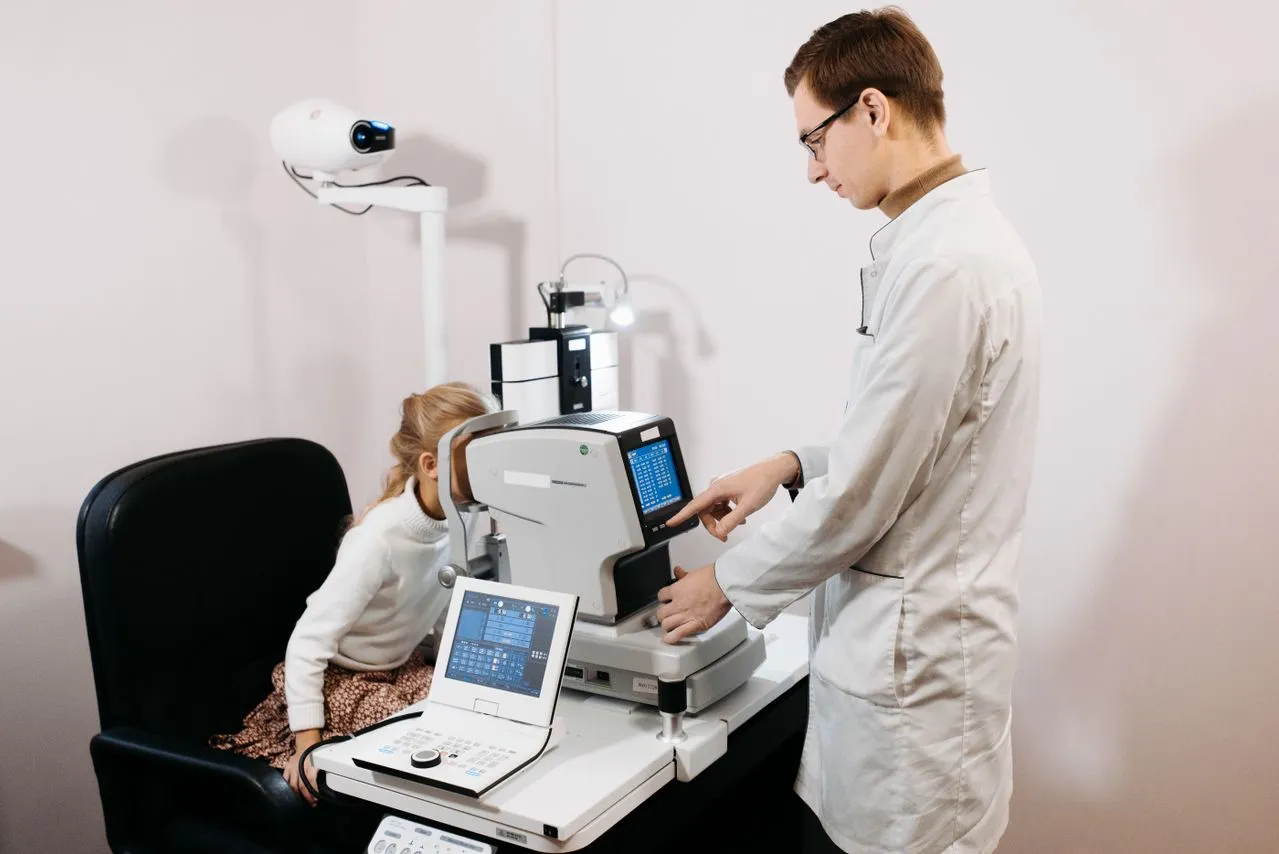
Rather than requiring every patient to visit an eye specialist for an initial screening, healthcare providers can perform retinal imaging during a regular office visit and receive automated AI-assisted results within minutes. Patients identified as having more than mild diabetic retinopathy can then be referred promptly for comprehensive ophthalmic evaluation and treatment.
iPredict-DR™ functions as an AI-powered Software as a Medical Device (SaMD) that analyzes color retinal fundus images captured using the iCare DRSplus retinal camera.
The software employs advanced artificial intelligence algorithms trained to detect clinical signs associated with more than mild diabetic retinopathy. By analyzing retinal photographs, the system can determine whether patients should be referred for additional evaluation by an eye care specialist.
One of the notable advantages of the solution is its ease of use. Unlike many specialized diagnostic procedures that require highly trained ophthalmic personnel, iPredict-DR™ is designed to be operated by minimally trained healthcare workers, nurses, or clinical staff after retinal images are acquired.
This capability allows retinal screening services to be integrated into primary healthcare environments where eye specialists may not be available.
The system provides several practical advantages, including:
By simplifying retinal screening, the technology has the potential to improve screening compliance among patients who otherwise might not receive annual eye examinations.
Obtaining FDA 510(k) clearance requires medical device manufacturers to demonstrate that their technology meets established standards for safety and effectiveness.
According to iHealthScreen, the FDA clearance for iPredict-DR™ was supported by a comprehensive clinical validation study designed to evaluate the software’s diagnostic performance, safety profile, and usability under FDA regulatory requirements.
Clinical validation plays a critical role in AI-based medical technologies because algorithms intended for diagnostic use must consistently produce accurate and reliable results across diverse patient populations and clinical settings.
The successful completion of this regulatory process demonstrates that iPredict-DR™ met the FDA’s requirements for Software as a Medical Device intended to assist in diabetic retinopathy screening.
The FDA clearance also represents an important milestone in building confidence among healthcare providers considering the adoption of AI-assisted diagnostic tools.
The prevalence of diabetes continues to rise globally, creating an increasing demand for accessible diabetic eye screening services.
As the diabetic population expands, healthcare systems face growing pressure to provide annual retinal examinations while managing shortages of ophthalmologists and retinal specialists.
Many patients, especially those living in medically underserved communities, face significant obstacles in obtaining recommended eye examinations. Missed screenings often result in delayed diagnosis, allowing diabetic retinopathy to progress before treatment begins.
Early detection remains one of the most effective strategies for preventing severe vision loss.
When diabetic retinopathy is identified early, treatments such as laser therapy, intravitreal injections, and improved diabetes management can significantly reduce the risk of blindness.
AI-assisted screening technologies like iPredict-DR™ have the potential to bridge existing care gaps by making retinal screening available in more locations where patients routinely receive healthcare services.
Dr. Alauddin Bhuiyan, Founder and Chief Executive Officer of iHealthScreen, described the FDA clearance as a defining achievement for the organization.
According to Dr. Bhuiyan, receiving FDA 510(k) clearance for iPredict-DR™ reflects years of scientific innovation, engineering development, clinical research, and regulatory preparation.
He emphasized that the company’s mission is to expand access to AI-powered retinal screening in primary care and community healthcare settings, enabling earlier diagnosis, faster referrals to specialists, and helping reduce preventable vision loss among individuals with diabetes.
The FDA authorization validates not only the technology itself but also iHealthScreen’s long-term strategy of integrating artificial intelligence into routine preventive healthcare.
While diabetic retinopathy represents the company’s first FDA-cleared commercial product, iHealthScreen has significantly broader ambitions for its AI platform.
The company is actively developing additional Software as a Medical Device applications targeting multiple retinal and systemic diseases that can be identified through retinal imaging.
Future regulatory submissions are expected to include AI solutions for:
These conditions collectively affect millions of individuals worldwide and represent major causes of visual impairment and chronic disease.
Because retinal imaging provides a unique view of blood vessels and neural tissue, researchers increasingly recognize its value not only for detecting eye disease but also for identifying signs associated with broader cardiovascular health.
If successfully cleared by regulators, future AI applications could transform retinal imaging into a comprehensive preventive health assessment tool capable of screening for multiple diseases during a single examination.
Following FDA clearance, iPredict-DR™ is now commercially available throughout the United States.
iHealthScreen has begun accepting purchase inquiries from a wide range of healthcare organizations seeking to integrate AI-assisted diabetic retinopathy screening into their clinical workflows.
Potential customers include:
By enabling retinal screening outside traditional ophthalmology practices, healthcare organizations may improve patient access while supporting earlier diagnosis and intervention.
Beyond direct commercialization, iHealthScreen is actively pursuing distribution agreements and strategic commercialization partnerships to accelerate nationwide adoption of iPredict-DR™.
Partnerships with healthcare technology providers, medical device distributors, healthcare networks, and digital health organizations could help expand deployment across diverse clinical environments.
As AI becomes increasingly integrated into routine clinical practice, collaborations between software developers, healthcare providers, imaging device manufacturers, and health systems are expected to play an important role in scaling innovative diagnostic solutions.
Strategic partnerships may also facilitate broader integration with electronic health records, telemedicine platforms, and preventive care initiatives.
Artificial intelligence is becoming an increasingly important component of preventive medicine by helping clinicians identify diseases earlier, prioritize high-risk patients, and improve healthcare efficiency.
In ophthalmology, AI-based diagnostic tools have gained considerable momentum due to the availability of large retinal imaging datasets and advances in deep learning algorithms capable of recognizing subtle disease patterns.
These technologies are particularly valuable in primary care settings where access to specialists may be limited.
Rather than replacing ophthalmologists, AI screening systems are designed to complement clinical care by identifying patients who require further examination while reducing unnecessary referrals for individuals without significant disease.
This approach allows healthcare providers to focus specialist resources on patients who need timely intervention while expanding access to preventive screening.
The FDA 510(k) clearance of iPredict-DR™ marks a significant milestone for iHealthScreen and reflects the growing acceptance of AI-powered Software as a Medical Device within mainstream healthcare. By combining advanced artificial intelligence with retinal imaging, the company aims to make diabetic retinopathy screening more accessible, efficient, and scalable across a variety of clinical settings.
As diabetes prevalence continues to rise and healthcare systems seek innovative ways to improve preventive care, technologies like iPredict-DR™ could play an increasingly important role in closing screening gaps, enabling earlier diagnosis, and reducing the burden of preventable blindness.
With commercialization now underway and additional AI-powered diagnostic solutions in development for retinal and cardiovascular diseases, iHealthScreen is positioning itself to expand the role of artificial intelligence in preventive healthcare, offering clinicians new tools to identify disease earlier and improve patient outcomes across a broader spectrum of conditions.
Source link: https://www.businesswire.com/