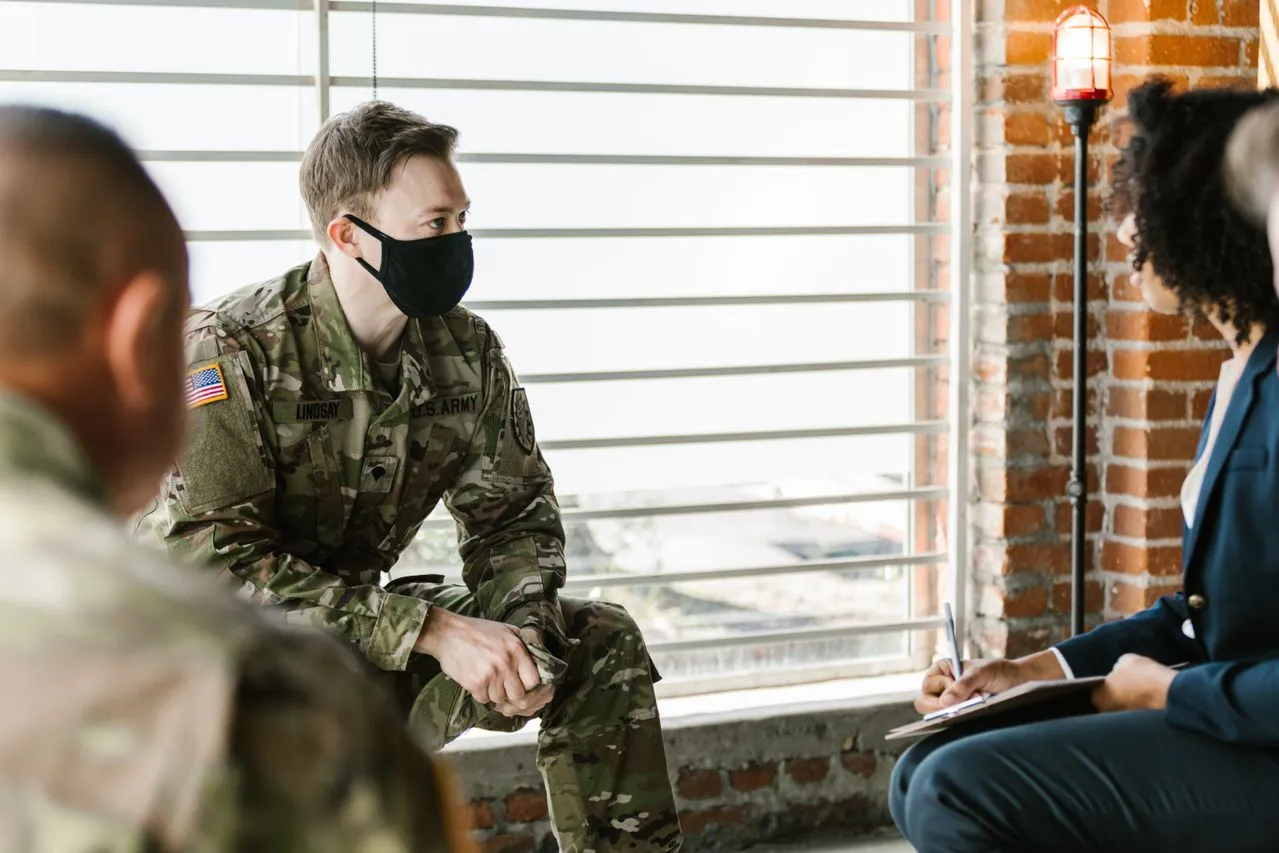
Cardinal Health continues to highlight the important role veterans play in strengthening its workforce and supporting healthcare operations across the United States. As a major participant in the healthcare supply chain, the company relies on dedicated teams to ensure that essential medications and medical products reach hospitals, pharmacies, healthcare facilities and patients when they are needed.
The company’s mission focuses on improving people’s lives every day by helping maintain the flow of critical healthcare products throughout the supply chain. Achieving this objective requires employees who understand the importance of reliability, teamwork, accountability and operational efficiency. These qualities are particularly important in distribution centers, where employees work in fast-paced environments to manage inventory, coordinate deliveries and support the availability of essential medical supplies.
For many leaders at Cardinal Health, the responsibilities associated with managing distribution operations are closely connected to the experiences and values they developed during military service. Veterans often bring professional skills shaped by structured training, leadership responsibilities and situations that require effective decision-making under pressure.
Their military backgrounds can also provide valuable experience in logistics, team development and mission-focused operations. These capabilities help them guide employees, maintain operational standards and contribute to the company’s broader healthcare supply chain responsibilities.
In recognition of Veterans Day, Cardinal Health is highlighting three leaders whose military experiences continue to influence their leadership approaches. Eamonn Moye, Terrence Wright and Jennifer Saylor bring different military backgrounds and professional experiences to their roles, demonstrating how military values can translate into successful careers in civilian healthcare operations.
Their stories illustrate the importance of trust, accountability, teamwork and shared goals in building effective frontline teams.
Eamonn Moye serves as director of operations at Cardinal Health’s distribution center in Montgomery, New York. The facility is the largest location within the company’s U.S. medical product distribution network and employs more than 400 people.
Managing an operation of this size requires strong leadership, effective communication and coordination across different teams. Distribution center employees must work together to maintain operational performance and ensure medical products move efficiently through the supply chain.
Moye believes many of the leadership principles required in this environment are similar to those he learned during his military career. His experience taught him that successful operations depend not only on systems and procedures but also on the well-being and commitment of the people responsible for carrying out the mission.
“In the military, you have to build a cohesive team to succeed,” Moye said. “That means genuinely caring for your people and looking after their physical and mental well-being. The same is true in civilian workplaces. Your operation cannot run well if your team isn’t supported.”
His military career included multiple deployments to Iraq and Afghanistan, most recently in 2020, when he was attached to U.S. Special Operations. Moye continues to serve in the Army Reserve, maintaining his connection to military leadership and training.
One weekend each month and several weeks annually, he directs a regional instructional site for the U.S. Army Command and General Staff College. In this role, he trains Army Reserve and National Guard majors in subjects that include tactics, military history and logistics.
This continued military involvement allows Moye to apply his leadership and educational experience in both military and civilian environments. His responsibilities at Cardinal Health also provide opportunities to develop employees and create a workplace culture built around trust and accountability.
Moye’s approach to employee development is influenced by the regular developmental counseling sessions used in the Army. These sessions help soldiers understand their performance, identify areas for improvement and recognize the progress they have made.
At Cardinal Health, he applies a similar approach by conducting frequent constructive check-ins with supervisors and frontline employees. These conversations provide opportunities to discuss performance expectations, address challenges and identify professional development opportunities.
He believes employees need clear guidance and honest communication to perform effectively. Recognition is also important because employees should understand when their contributions are making a positive difference.
“Accountability and honest feedback have to go hand-in-hand with recognition,” Moye said.
He further explained that employees perform better when expectations are communicated consistently and leaders demonstrate genuine interest in their success.
“People need clear, consistent feedback about what they’re doing well and where they can grow. When expectations are clear and people know you genuinely care about their success, they bring their best. In civilian work as well as in the military, leadership comes down to placing the right people in the right roles and trusting them to deliver.”
Moye also recognizes the value of military experience during recruitment. He believes veterans bring discipline, commitment and a strong understanding of completing assigned responsibilities.
For him, these qualities are particularly valuable in distribution operations, where employees must work together to ensure that critical healthcare products reach the facilities and patients depending on them.
Terrence Wright brings approximately two decades of U.S. Army experience to his current position as inventory manager at Cardinal Health’s pharmaceutical distribution center in Knoxville, Tennessee.
His military career began in 1995, following the example of his father, and he specialized in logistics. During his service, Wright worked in several international locations and participated in deployments to Bosnia and Iraq. His military assignments also included Germany, South Korea, Kuwait and Afghanistan.
Throughout his career, he developed experience in managing supplies and supporting military operations in demanding environments. His responsibilities included ensuring that frontline personnel had access to essential resources required to carry out their missions.
Wright describes the connection between his military background and his current civilian career in straightforward terms.
“Nothing’s changed but my uniform,” he said.
His statement reflects how closely he connects the responsibilities of military logistics with the work he performs at Cardinal Health today.
During his military career, Wright served as an Air Defense Artillery supply specialist at Fort Bliss, Texas. His unit was the only battery to achieve the Army’s top-tier Table-8 certification, a rigorous evaluation confirming that a unit is fully combat-ready.
The achievement demonstrated the importance of preparation, coordination and reliable supply operations. These responsibilities required his team to maintain the resources necessary for military personnel operating in challenging environments.
Wright’s military logistics experience continues to shape his responsibilities at Cardinal Health. As inventory manager, he leads a team of 12 inventory coordinators responsible for managing the movement of critical prescription medications to hospitals, clinics and pharmacies.
The role requires careful attention to inventory management and coordination to support the availability of medicines across healthcare facilities. His team plays an important part in ensuring that prescription medications are managed effectively throughout the distribution process.
Wright understands the importance of reliable supply operations because of his experience supporting military personnel in combat zones. The consequences of supply disruptions can be significant when individuals depend on essential resources to carry out their responsibilities.
“My teams supplied the frontlines with everything from food and fuel to ammunition and vehicles,” Wright said. “When you supply soldiers in combat zones, failure is not an option. You are responsible for people’s lives.”
He carries this sense of responsibility into his current position, recognizing that healthcare distribution also involves supporting people who depend on essential products.
For Wright, delivering medicines is more than an operational responsibility. It is an important part of the wider healthcare mission because hospitals, clinics and pharmacies rely on dependable supply networks to serve patients.
Wright bases his leadership approach on the U.S. Army’s seven core values, represented by the acronym LDRSHIP. These values include loyalty, duty, respect, selfless service, honor, integrity and personal courage.
He believes these principles are equally important in civilian workplaces, particularly when managing teams responsible for time-sensitive operational activities.
Maintaining employee morale and creating an environment where individuals feel respected are central parts of his management philosophy. He believes employees are more likely to contribute effectively when leaders treat them with dignity and compassion.
“It’s all about maintaining team health and morale,” Wright said. “When you treat everyone with dignity and compassion and keep them engaged, they step up. That’s critical, because delivering medicine to patients who need them isn’t just logistics, it’s an urgent duty.”
His approach demonstrates how military values can support employee engagement and operational performance. By encouraging teamwork and maintaining a sense of shared responsibility, Wright aims to create an environment where every team member understands the importance of their contribution.
His experience also highlights the connection between military logistics and healthcare distribution. Both environments require coordination, dependable processes and teams that understand the importance of completing their responsibilities.
Jennifer Saylor’s professional journey at Cardinal Health demonstrates how military experience can create opportunities for long-term career development and leadership in the healthcare industry.
Growing up in a small coal-mining town in eastern Kentucky, Saylor had limited opportunities to explore different parts of the country and had few female professional role models. After completing high school, she decided to join the U.S. Army to broaden her experiences, gain independence and discover her professional potential.
During her four years of military service, Saylor worked in an Army communications role and was stationed in California. Her experience exposed her to women serving in different leadership positions throughout the military.
Seeing women take on professional responsibilities across various ranks helped expand her understanding of career possibilities. It also encouraged her to consider opportunities she might not previously have imagined.
When her military service ended, a fellow soldier recommended that she apply for a position at Cardinal Health. She began her civilian career at a distribution facility in Memphis, Tennessee, where her initial responsibilities included unloading freight from trucks.
Although the work environment was different from her military experience, Saylor quickly recognized that many of the skills she had developed during service were transferable to civilian employment.
“My military experience trained me to follow instructions, adapt quickly to change and collaborate with people from every background imaginable,” Saylor said. “That served me very well.”
Her ability to adapt, communicate and work with different teams helped her establish a career within the company.
Saylor continued developing her professional experience at Cardinal Health and eventually moved into leadership responsibilities. Fifteen years ago, she became director of operations at the company’s medical products distribution center in Charlotte, North Carolina, where she continues to lead operations.
Her career progression reflects the opportunities available to employees who develop their skills and demonstrate leadership capabilities over time.
As director of operations, she relies on the adaptability, focus and teamwork developed during her military service. These qualities help her manage responsibilities in a fast-moving distribution environment where employees must work toward common operational objectives.
Her leadership approach emphasizes the importance of keeping teams aligned and ensuring that employees understand their individual responsibilities.
Saylor’s experience also demonstrates how military service can provide a foundation for professional growth in industries that may initially seem unrelated to an individual’s military background.
Her transition from an Army communications role to a leadership position in healthcare distribution illustrates how communication skills, adaptability and collaboration can support career development across different sectors.
Beyond her operational responsibilities, Saylor has remained actively involved in supporting veterans and military spouses as they transition into civilian employment.
She previously served as a regional leader within Cardinal Health’s Veterans and Military Advocates Employee Resource Group (VMA ERG). Through this role, she helped connect military talent with employment opportunities and supported initiatives designed to make career transitions easier.
As part of these efforts, Saylor traveled to military installations, including nearby Fort Liberty, formerly known as Fort Bragg, to engage with service members preparing to leave the military.
These activities provided opportunities to introduce transitioning service members to potential civilian career paths and explain how their military experience could translate into professional roles at Cardinal Health.
Her involvement reflects a commitment to helping other veterans access opportunities similar to those that supported her own career development.
Saylor also champions Cardinal Health’s Veterans Professional Advancement Course (VPAC), a free professional development and mentoring initiative designed to help transitioning service members and their spouses prepare for civilian careers.
The program provides practical career assistance through several activities, including resume reviews, mock interviews and networking opportunities.
Moving from military service into civilian employment can require individuals to present their experience in ways that employers understand. Military personnel may have extensive leadership, technical and operational experience, but translating those capabilities into civilian job qualifications can be challenging.
VPAC aims to help participants navigate this process by providing guidance and professional development support.
Through resume reviews, participants can receive assistance in presenting their military responsibilities and achievements in language relevant to civilian employers. Mock interviews provide opportunities to prepare for recruitment discussions, while networking helps participants establish connections with professionals and potential employers.
The initiative also extends support to military spouses, recognizing that they may face employment challenges associated with relocation and other aspects of military family life.
Through her involvement in the program, Saylor continues to use her own experiences to help others establish successful careers outside the military.
Cardinal Health also provides additional information and assistance through its military career resources, helping veterans and military families explore employment opportunities and available support programs.
Cardinal Health’s Veterans Day recognition highlights the contributions veterans, reservists, National Guard members and military families make to its workforce.
The company recognizes that military experience can provide employees with valuable professional capabilities that strengthen teams and support business operations.
Teamwork, accountability, adaptability and the ability to remain composed under pressure are particularly important in healthcare distribution environments. Employees must coordinate activities, manage responsibilities and maintain operational standards to help ensure that essential medical products reach healthcare providers.
The experiences of Moye, Wright and Saylor demonstrate different ways military backgrounds can influence leadership and professional development.
Moye emphasizes trust, employee well-being and constructive feedback. His leadership approach reflects the importance of building cohesive teams where employees understand expectations and feel supported.
Wright applies military logistics principles and core values to inventory management. His focus on team morale, responsibility and reliable supply operations connects his military experience directly to the work of delivering essential prescription medications.
Saylor demonstrates how adaptability and collaboration can support long-term career development. Through her leadership position and involvement in veteran recruitment and mentoring programs, she also helps other military-connected individuals explore civilian employment opportunities.
Although their career paths differ, all three leaders share an understanding of the importance of teamwork and completing a mission successfully.
The experiences of these three leaders illustrate how military service can contribute to the healthcare industry’s operational workforce.
Healthcare supply chains depend on employees who can manage complex responsibilities while maintaining reliable processes. Distribution centers play an important role in connecting manufacturers and suppliers with hospitals, pharmacies and other healthcare providers.
Ensuring that essential medications and medical products reach their destinations requires coordination across different teams and functions. Leadership, communication, inventory management and employee engagement all contribute to effective distribution operations.
Veterans bring experience in several of these areas through their military training and professional responsibilities. Their ability to work within structured environments, respond to changing circumstances and coordinate with different teams can be valuable in healthcare logistics.
Cardinal Health’s approach also demonstrates that supporting veterans involves more than offering employment opportunities. Providing leadership development, mentoring, professional networks and workplace support can help military-connected employees build successful long-term careers.
The company’s Veterans and Military Advocates Employee Resource Group and Veterans Professional Advancement Course are examples of initiatives intended to support this broader objective.
This Veterans Day, Cardinal Health is expressing its appreciation for veterans, reservists, National Guard members and military families across its workforce.
The company recognizes the sacrifices made by military personnel and the valuable experience they bring to their professional roles. Their contributions help strengthen workplace culture, support operational performance and reinforce the importance of teamwork.
The stories of Eamonn Moye, Terrence Wright and Jennifer Saylor demonstrate how military values can continue to influence professional responsibilities long after active military service.
Their experiences also highlight the connection between military leadership and healthcare operations, particularly in areas where reliability, accountability and service to others are essential.
Through their work, these leaders contribute to Cardinal Health’s mission of improving people’s lives every day by supporting the movement of critical medications and medical supplies throughout the healthcare supply chain.
Their journeys demonstrate that military experience can provide a strong foundation for civilian leadership and that the skills developed through service can continue making a difference in communities and workplaces.
Source link: https://newsroom.cardinalhealth.com/