
How Breakthrough Technology Is Helping NICU Babies Develop Feeding Skills and Supporting Their Families
For parents welcoming a newborn into the world, the first days and weeks of life are often filled with moments of connection, including holding their baby close, nursing, soothing them and watching them grow. However, when a baby is born prematurely and requires specialized care in a neonatal intensive care unit (NICU), these early experiences can look very different. Instead of spending uninterrupted time together at home, families may find themselves navigating a hospital environment filled with medical equipment, monitors and intensive clinical support.
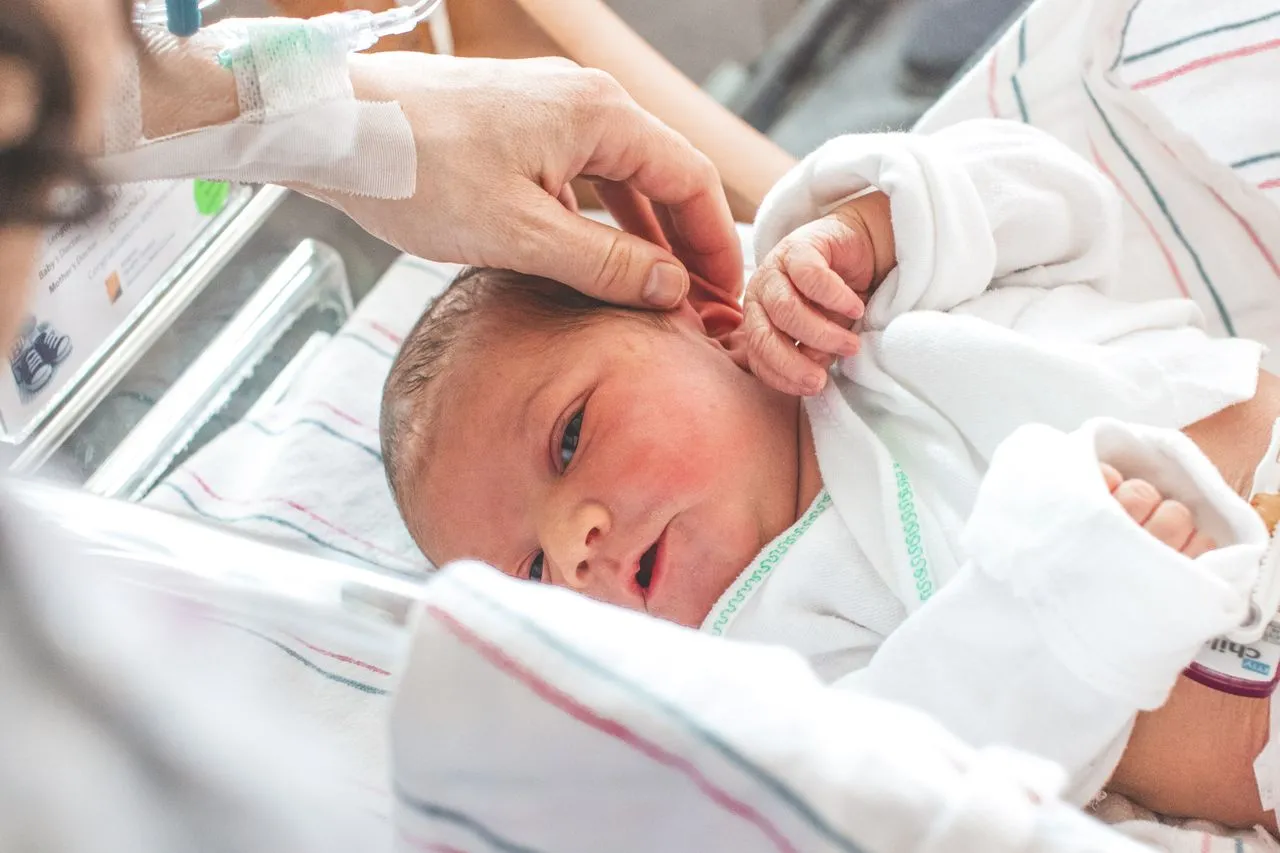
For families whose babies arrive months before their expected due dates, the experience can be particularly challenging. Premature infants may need help with breathing, maintaining body temperature, gaining weight and developing essential skills such as feeding. Their parents must adjust to the uncertainty of a prolonged hospital stay while learning how to participate in their newborn’s care.
Advances in neonatal technology are helping healthcare teams address some of these challenges. One example is the Cardinal Health™ Kangaroo NTrainer™ System, a technology designed to assess and support the development of non-nutritive sucking in premature infants. By providing clinicians with quantitative information about an infant’s sucking patterns and delivering structured oral stimulation, the system is intended to help babies develop the foundational skills needed for oral feeding.
The technology played a role in the NICU journey of Eloise Thompson, who was born at just 25 weeks of gestation and weighed only 14 ounces. Her experience illustrates the challenges faced by extremely premature infants, the importance of specialized neonatal care and the potential for technology to support both developmental progress and parental involvement.
The Challenges of Premature Birth and NICU Care
When Julia and Jonathan Thompson welcomed their daughter Eloise, they faced an experience very different from the one many parents anticipate. Born at 25 weeks of gestation, Eloise was immediately admitted to the Level IV NICU at Massachusetts General Hospital (MGH) in Boston, where she received specialized care for the medical and developmental challenges associated with extreme prematurity.
Julia recalled that she did not hold her daughter until eight days after birth. Eloise was so small and medically vulnerable that her parents were initially frightened of doing anything that might unintentionally cause harm.
For families in similar circumstances, the NICU can be an emotionally demanding environment. Parents may spend long hours beside their newborns while relying on healthcare professionals to guide them through unfamiliar medical procedures and decisions. Opportunities for physical contact and everyday caregiving can be limited by the infant’s medical condition.
Premature birth remains an important public health concern in the United States. According to the March of Dimes’ Prematurity Profile, approximately one in 10 infants in the country was born prematurely in 2020. Babies born before 37 weeks of pregnancy may face a range of health challenges, with the most premature infants often requiring prolonged hospital care.
The degree of support needed varies according to gestational age, birth weight, medical complications and developmental progress. For some infants, learning to feed independently becomes one of the major milestones that must be achieved before discharge.
Despite Eloise’s fragile condition and the complex medical environment surrounding her, her personality became apparent to the people caring for her. Lara Hirner, a speech-language pathologist and certified neonatal therapist who worked with Eloise during her hospital stay, recalled that the infant continued to show signs of resilience despite experiencing significant medical challenges.
Her progress would eventually involve not only growth and medical stabilization but also the development of the coordinated oral movements necessary for feeding.
Why Feeding Is a Major Developmental Milestone
Feeding may appear to be a simple activity, but it requires the coordinated functioning of several neurological and physiological systems. For a premature infant, learning to feed safely and efficiently can take considerable time.
Before babies can consume milk effectively from a breast or bottle, they must develop the ability to coordinate sucking, swallowing and breathing. This coordination helps them obtain nutrition while reducing the risk of choking, breathing difficulties and excessive fatigue.
Two important concepts in infant feeding development are non-nutritive sucking and nutritive sucking.
Non-nutritive sucking (NNS) occurs when an infant sucks on a pacifier or finger without receiving milk. This rhythmic activity supports oral motor development, provides opportunities for self-soothing and helps clinicians assess aspects of the infant’s sucking behavior.
Nutritive sucking, by contrast, occurs when an infant extracts milk from a breast or bottle. It requires coordinated sucking, swallowing and breathing, along with sufficient stamina to complete a feeding safely.
In many full-term infants, the neurological systems involved in these activities have developed sufficiently by birth to support early feeding. Premature babies, however, may be born before these systems are fully mature.
As a result, they may initially depend on tube feeding to receive the nutrition needed for growth. During this period, clinicians monitor their development and determine when they are ready to begin oral feeding attempts.
The transition from tube feeding to oral feeding is not determined by age alone. Healthcare teams must consider the infant’s physiological stability, developmental readiness, ability to coordinate movements and response to feeding attempts.
Traditional assessments often rely on clinical observation and standardized scoring approaches. Although these methods remain important, measuring the strength, rhythm and consistency of an infant’s sucking patterns can provide additional information about developmental progress.
This need for more objective assessment and targeted stimulation helped drive the development of the NTrainer System.
Introducing the Cardinal Health Kangaroo NTrainer System
The Cardinal Health™ Kangaroo NTrainer™ System was developed to help clinicians assess and support non-nutritive sucking in premature infants.
The system combines a mobile bedside console with a specialized, single-patient-use therapeutic pacifier. It has two principal functions: assessment and therapy.
During assessment, sensors measure characteristics of the infant’s natural non-nutritive sucking behavior. These measurements can include the duration of sucking bursts, peak pressure and sucking frequency. The system records the information in charts that clinicians can review to evaluate patterns over time.
This quantitative information can complement clinical observation by helping care teams monitor changes in sucking behavior across sessions and nursing shifts. Rather than relying exclusively on a brief observation, clinicians can review recorded measurements as part of a broader assessment of feeding readiness.
The system’s second function is therapeutic stimulation.
In therapy mode, the console delivers controlled pneumatic pulses through the specialized pacifier. The pulses are organized into a rhythmic pattern designed to resemble aspects of the non-nutritive sucking behavior seen in healthy, full-term infants.
According to the system’s described operating approach, it delivers six gentle pulses followed by a two-second pause. This repeated pattern provides structured oral stimulation intended to engage the neurological pathways involved in sucking.
The goal is to support the development of the motor coordination needed for eventual independent oral feeding. The system does not replace nutritional support, clinical assessment or individualized feeding plans. Instead, it is used as an additional tool within the infant’s overall neonatal care.
How Rhythmic Stimulation Supports Neurological Development
The development of the NTrainer System draws on decades of research into neonatal neurobiology and a concept known as sensory entrainment.
Sensory entrainment refers to the ability of the nervous system to respond to patterned sensory input and coordinate activity with external rhythms. In the context of neonatal feeding development, carefully structured oral stimulation is intended to provide repetitive sensory input that engages the neurological systems involved in sucking.
Dr. Steven Barlow, a distinguished professor at the University of Nebraska and the system’s primary inventor, has spent more than 30 years researching the neurological processes underlying infant oral motor development.
The underlying concept is that repeated sensory stimulation may help the developing brain organize and strengthen neural pathways associated with rhythmic sucking. For premature infants whose neurological systems are still maturing, this type of structured input may support the development of foundational feeding skills.
During therapy sessions, the infant receives patterned stimulation through the pacifier while clinicians observe physiological cues and monitor tolerance. Sessions are adjusted according to the baby’s condition and response.
The approach is designed to complement the natural developmental process rather than force an infant to feed before being ready. Premature infants have limited stamina, and healthcare teams must carefully monitor signs of stress or fatigue.
By combining structured stimulation with ongoing clinical assessment, the system provides another way for neonatal teams to support the development of oral feeding skills.
The effectiveness of this approach depends on the infant’s individual medical circumstances, and clinical evidence should be considered alongside the broader body of research on neonatal feeding development.
Eloise’s Experience With the NTrainer System
When Eloise was receiving care at Massachusetts General Hospital, the NICU had already acquired an NTrainer System. She became the hospital’s first infant to receive therapy with the device.
Hirner recalled the excitement of using the system with Eloise for the first time. The experience introduced a new tool into the care team’s efforts to support the baby’s feeding development.
Because Eloise was extremely premature, the team took care to monitor her response to each session. Treatment was adjusted according to her physiological cues, with sessions paused whenever she showed signs of stress or fatigue.
As Eloise grew stronger, the team incorporated the system into her routine. Longer therapeutic sessions were conducted during scheduled tube feedings, while shorter stimulation sessions were used before some oral feeding attempts.
These shorter sessions were intended to provide a gentle warm-up for the oral motor system. The article describing Eloise’s experience notes that research suggests such stimulation may improve certain measures associated with feeding readiness, including LATCH scores. However, the extent of benefit can vary, and these measures should be interpreted within the broader clinical assessment.
The team’s approach reflected the importance of tailoring neonatal therapy to each infant. A premature baby’s readiness can change over time, and clinicians must balance opportunities for developmental stimulation with the need for rest, nutrition and physiological stability.
For Eloise’s family, the system also provided a way to participate more actively in their daughter’s care.
Empowering Parents to Participate in Care
Parents of infants in the NICU often want to contribute to their baby’s care but may be unsure what they can safely do. Medical equipment, specialized procedures and concerns about the infant’s fragility can make ordinary caregiving activities feel intimidating.
For Julia and Jonathan Thompson, participating in NTrainer therapy offered an opportunity to become more involved in Eloise’s daily routine.
Under the guidance of the clinical team, the parents learned how to administer therapy sessions while holding their daughter during tube feedings.
Julia described the experience as a chance to do something that felt normal at a time when many familiar aspects of parenthood had been disrupted.
Parental participation can be an important component of family-centered neonatal care. Depending on the infant’s condition and the hospital’s protocols, parents may be encouraged to take part in activities such as gentle touch, skin-to-skin contact, comforting and feeding-related care under professional guidance.
These opportunities can help parents build confidence and strengthen their connection with their newborn. They can also help families understand their infant’s cues and become more familiar with the routines that will continue after discharge.
The NTrainer System gave Eloise’s parents a specific activity in which they could participate under supervision. Rather than remaining solely observers of their daughter’s medical treatment, they became involved in one part of her developmental care.
The system’s assessment charts also gave the care team information to discuss as Eloise’s sucking patterns changed. Jonathan recalled that seeing the team use the technology, and being invited to participate themselves, helped him feel more optimistic about the family’s eventual return home.
The experience highlights how medical technology can sometimes contribute to family engagement as well as clinical monitoring.
Research Examines Potential Benefits for NICU Outcomes
Research into the NTrainer System has explored whether structured non-nutritive sucking stimulation can help premature infants develop oral feeding skills and achieve important milestones sooner.
Dr. Jill Maron, chief of pediatrics at Women & Infants Hospital in Providence, Rhode Island, has worked with Barlow on research involving the technology. The system has been integrated into care at multiple NICUs, including Women & Infants Hospital, according to the account provided by Cardinal Health.
A study involving premature infants born between 26 and 31 weeks of gestation reported that infants receiving NTrainer therapy achieved full oral feeding an average of four days earlier than infants receiving standard care. The research also reported an average six-day reduction in NICU length of stay.
The findings suggest that targeted oral stimulation may have the potential to support feeding development and influence the time some premature infants spend in the hospital.
However, study results should be interpreted in context. Outcomes can vary according to gestational age, birth weight, medical complications, clinical protocols and other factors that affect neonatal development. Results from a particular study do not guarantee that every infant receiving the therapy will achieve oral feeding or leave the NICU sooner.
Further evaluation and consideration of the broader clinical evidence remain important when assessing the role of any technology in neonatal care.
Nevertheless, research into tools that support feeding development addresses a meaningful clinical challenge. Delays in achieving safe oral feeding can affect discharge planning, while prolonged hospitalization can create emotional and practical burdens for families.
Technologies that provide objective assessments and structured therapeutic support may offer clinicians additional information and treatment options as they work toward individualized feeding goals.
A Positive Future for Eloise and Her Family
Eloise spent 108 days in the NICU, navigating the challenges associated with extreme prematurity and developing the skills needed for life beyond the hospital.
Today, she is described as a healthy, active toddler who is exploring her surroundings and reaching developmental milestones.
For Julia and Jonathan, the transition from the uncertainty of the NICU to life at home represents a significant personal milestone. Julia recalled that hospital staff repeatedly reassured the family that the difficult experience would eventually become part of their past. At the time, she said, it was difficult to imagine that future.
Seeing Eloise thriving at home has given those reassurances a different meaning.
Her journey reflects the work of neonatal clinicians, the role of family involvement and the importance of continued innovation in the care of premature infants. It also illustrates that developmental progress in the NICU often happens through a series of small, carefully monitored steps.
Advancing Technology for Premature Infant Care
The experience of Eloise Thompson demonstrates how neonatal technologies such as the Cardinal Health Kangaroo NTrainer System are being used to address specific developmental challenges faced by premature infants.
By measuring non-nutritive sucking patterns and delivering structured oral stimulation, the system provides clinicians with an additional tool to support feeding development. Research has reported encouraging findings related to the time required to achieve full oral feeding and overall NICU length of stay, although outcomes vary and further clinical evidence remains important.
The technology also offers an example of how treatment approaches can create opportunities for parents to participate in their infant’s care under professional supervision.
For families facing an extended NICU stay, these opportunities can help make an unfamiliar hospital environment feel more manageable. For clinicians, additional assessment information and therapeutic options can contribute to individualized care planning.
Premature infants require specialized support that accounts for their unique medical and developmental needs. No single device can remove all the challenges associated with early birth, but innovations that support essential skills such as feeding may contribute to the broader effort to improve neonatal care.
As research continues, technologies like the NTrainer System may help healthcare teams refine how they assess oral motor development, support feeding readiness and involve families in the care of their newborns.
For Eloise and her parents, the experience became one part of a much longer journey from an extremely premature birth to an active life at home — a journey shaped by medical expertise, parental determination and the ongoing development of tools designed to help the smallest patients thrive.
Source link: https://newsroom.cardinalhealth.com/