Guardant Health, a precision oncology company focused on expanding access to cancer screening and personalized care, has announced an important expansion in commercial coverage for its Shield™ blood test for colorectal cancer (CRC) screening.
Under updated clinical guidelines from Carelon Healthcare Services, coverage for the Shield blood test will become effective November 15. The policy provides an additional pathway for eligible members to access blood-based colorectal cancer screening and represents another milestone in the broader adoption of the test across the United States.
The coverage expansion is expected to increase access to Shield for millions of Americans who are eligible for colorectal cancer screening. Following the Carelon policy update, approximately 90 million people, representing about 75% of the U.S. population eligible for colorectal cancer screening, are expected to have coverage for Shield.
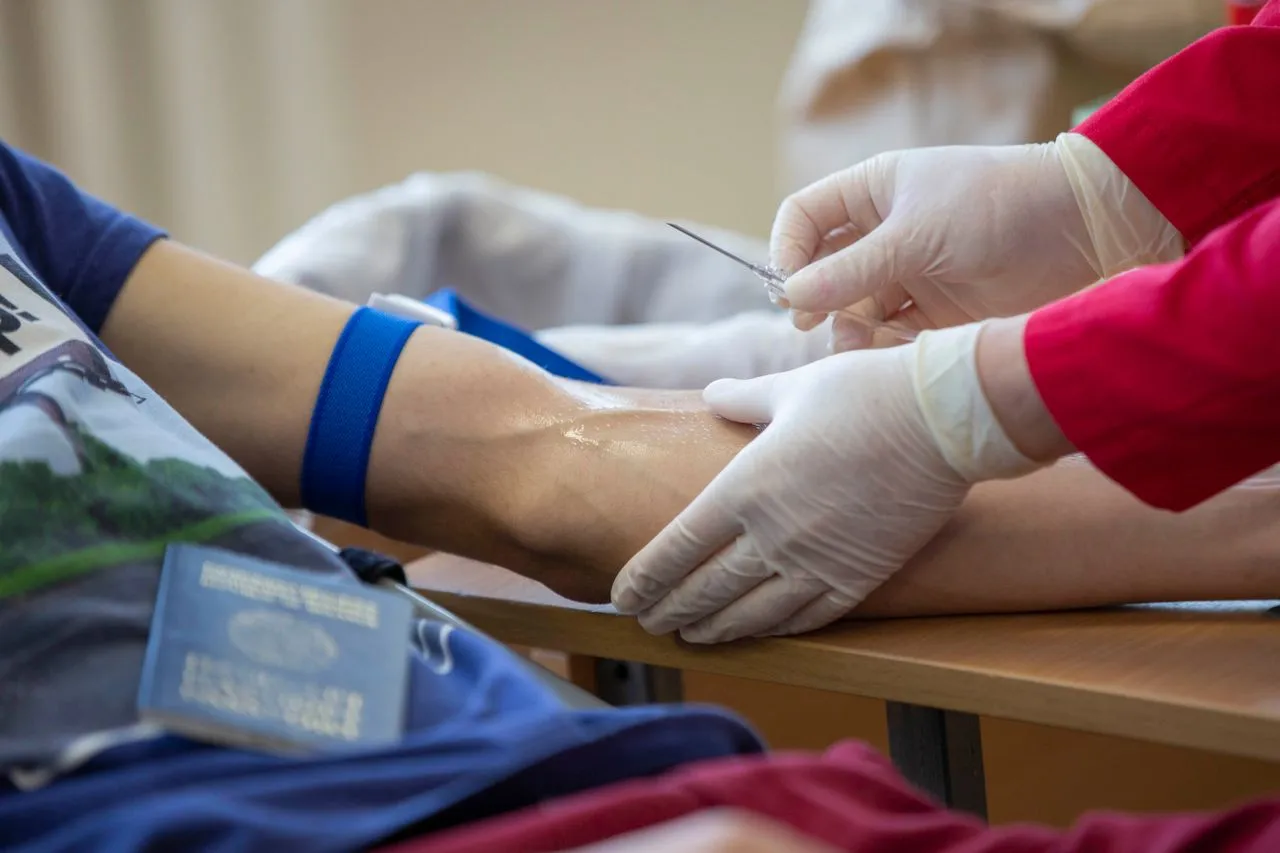
The development comes as healthcare organizations continue to seek screening approaches that can help overcome barriers associated with conventional colorectal cancer screening methods. Guardant Health says the Shield blood test provides patients with a convenient option that can be incorporated into a routine healthcare visit through a simple blood draw.
Colorectal cancer remains a significant public health concern in the United States. Screening can play an important role in detecting colorectal cancer at earlier stages, when treatment may be more effective.
Despite the availability of established screening methods, participation in colorectal cancer screening remains a challenge. Some patients may be reluctant to complete screening because of the preparation, logistics, invasiveness, or inconvenience associated with certain traditional testing approaches.Blood-based screening offers another potential option for patients who may be less likely to complete conventional screening.
Guardant Health’s Shield test is designed to detect signals associated with colorectal cancer through a blood sample. The test can be performed during a routine healthcare visit, providing an alternative screening experience for eligible average-risk adults.The expansion of commercial coverage through Carelon is intended to make this option more accessible to a larger number of people.
The updated Carelon Healthcare Services clinical guidelines will include coverage for the Shield blood test beginning November 15.Carelon Healthcare Services is a major specialty benefits management organization and a subsidiary of Elevance Health. Its medical benefit management services support Blue Cross Blue Shield plans across numerous states.
The policy change gives eligible members another avenue for colorectal cancer screening and further expands the number of commercially covered individuals who can access Shield.According to Guardant Health, the addition of Carelon coverage brings the estimated total number of covered lives for Shield to approximately 90 million.
That figure represents around 75% of all patients eligible for colorectal cancer screening in the United States, according to the company.The expansion illustrates the growing role of blood-based screening technologies within the broader cancer screening landscape.
Guardant Health describes Shield as the leading blood test for colorectal cancer screening and notes that it is the first blood test approved by the U.S. Food and Drug Administration for primary colorectal cancer screening in average-risk adults aged 45 and older.The test is intended to provide a more accessible screening option for people who may face barriers to completing other forms of colorectal cancer screening.
Instead of requiring a separate screening procedure, Shield can be administered through a blood draw during a routine doctor’s appointment.For patients and healthcare providers, the integration of screening into a regular visit may help make the process more convenient.
However, as with any screening technology, eligibility and clinical recommendations depend on individual circumstances and applicable medical guidelines. Patients should discuss colorectal cancer screening options with their healthcare professionals to determine which approach is appropriate for them.
One of the central goals behind the development and expansion of Shield is to address barriers that can prevent patients from completing recommended colorectal cancer screening.Traditional screening methods can require patients to follow specific preparation instructions, collect samples at home, undergo procedures, or schedule appointments at healthcare facilities.
While these approaches remain important options for colorectal cancer screening, some patients may not complete them.A blood-based test can potentially make screening easier to incorporate into an existing healthcare appointment.
The Shield test’s blood-draw format means that eligible patients can potentially complete screening while already visiting their doctor for routine care.
Guardant Health believes that reducing logistical barriers may encourage more patients to participate in screening.The company has reported that more than 200,000 Shield tests have been performed in real-world settings, providing data on how the test performs outside controlled clinical trial environments.
The expansion of Shield coverage comes amid concerns about changing colorectal cancer trends among younger adults.While colorectal cancer has historically been more strongly associated with older populations, rates among adults younger than 65 have been increasing.
Guardant Health points to rising colorectal cancer rates among adults under 65 and increasing mortality among younger adults. The company notes that colorectal cancer has become a leading cause of cancer death among people under 50.These trends have increased attention on screening strategies and the importance of identifying eligible individuals who may benefit from earlier detection.
The standard screening age for average-risk adults was lowered in recent years, reflecting concerns about increasing incidence among younger populations.Shield is intended for average-risk adults aged 45 and older, aligning with the screening age identified in current recommendations for this population.
The Shield blood test has also gained recognition through clinical guidelines.
Guardant Health states that Shield is recommended in guidelines from the American Cancer Society (ACS) and the National Comprehensive Cancer Network (NCCN).The inclusion of blood-based screening in major clinical guidelines can help increase awareness among healthcare professionals and patients while providing greater clarity regarding available screening approaches.
Clinical guidelines are important tools for physicians because they provide evidence-based recommendations for managing patients and selecting appropriate diagnostic and screening strategies.The recognition of Shield by major guideline organizations represents an additional development in the adoption of blood-based colorectal cancer screening.
Guardant Health reports that Shield has demonstrated high performance in detecting colorectal cancer across disease stages compared with published performance data for fecal immunochemical testing, commonly known as FIT.
The company says Shield has demonstrated strong detection performance across colorectal cancer stages.
Comparisons between screening tests can be complex, as individual tests may have different intended uses, performance characteristics, testing intervals, and clinical considerations. Nevertheless, performance is a critical factor when evaluating new screening technologies.
For patients, accessibility and convenience also matter because even an effective screening test can have limited population impact if people do not complete it.Guardant Health’s focus is therefore not only on the test’s ability to detect colorectal cancer but also on its potential to increase screening participation.
Guardant Health reports that real-world use of Shield has demonstrated more than 90% screening adherence among patients due for colorectal cancer screening across practice and health system settings.
The company says the test has been shown to significantly increase overall colorectal cancer screening completion.Adherence is an important consideration in preventive healthcare.
A screening recommendation is only effective if eligible patients actually complete the test. For this reason, healthcare systems increasingly look for screening approaches that can fit conveniently into patients’ normal routines.A blood-based screening option may help healthcare providers engage patients who have previously delayed or avoided screening.
The reported real-world experience with more than 200,000 tests provides Guardant Health with a growing body of data regarding how Shield is being used in everyday clinical environments.
Carelon’s role in medical benefit management gives the new coverage policy potentially significant reach.
Carelon provides medical benefit management services to Blue Cross Blue Shield plans across 26 states. These states include Alabama, California, Colorado, Connecticut, Georgia, Idaho, Illinois, Indiana, Kentucky, Louisiana, Maine, Maryland and Washington, D.C., Massachusetts, Missouri, Montana, Nevada, New Hampshire, New Mexico, New York, Ohio, Oklahoma, Oregon, Texas, Virginia, Washington, and Wisconsin.
The breadth of this network means the updated policy can potentially affect access to Shield for members across a substantial portion of the United States.For Guardant Health, the policy represents another step in the company’s commercial expansion strategy.
Coverage decisions by major insurers and benefits organizations can influence how easily patients can access new diagnostic technologies.When more patients have coverage, healthcare providers may have greater ability to discuss the technology as part of their screening conversations.
AmirAli Talasaz, Co-CEO of Guardant Health, described the Carelon coverage decision as an important milestone for Shield.According to Talasaz, the addition of Carelon means approximately 90 million people nationwide will have access to the company’s blood-based colorectal cancer screening test through coverage arrangements.
He also emphasized the company’s goal of making colorectal cancer screening more accessible.Talasaz pointed to the continued rise in colorectal cancer rates among adults under 65, including younger adults, as an important reason for expanding access to screening.The company’s broader mission is focused on improving cancer detection and helping more people access screening.
The expansion of coverage for Shield could have implications beyond Guardant Health and Carelon.As healthcare systems seek to improve preventive care, screening participation is a major consideration.
Colorectal cancer screening can identify cancer before symptoms appear and may also play a role in detecting abnormalities that can be addressed before they progress.Providing multiple screening options may help healthcare professionals accommodate different patient preferences and circumstances.
For patients who are uncomfortable with conventional screening approaches, a blood test may provide an alternative that they are more willing to complete.Increasing participation could be particularly important among individuals who have previously postponed screening.
The broader availability of Shield through commercial coverage may therefore support healthcare providers in offering another screening option to eligible patients.
The development of new medical technologies does not automatically guarantee broad patient access.Insurance coverage can be an important factor in determining whether patients can obtain new diagnostic tests and other healthcare innovations.
Commercial coverage decisions can help bridge the gap between regulatory approval and widespread use.For Guardant Health, the Carelon decision represents progress in expanding the commercial availability of Shield.
With approximately 90 million covered lives following the policy update, the company has significantly expanded the potential reach of its colorectal cancer screening technology.The development also demonstrates the increasing attention being given to blood-based cancer screening as healthcare organizations explore ways to make preventive care more convenient.
The expansion of Shield coverage comes as the healthcare industry continues to explore less invasive and more accessible approaches to cancer detection.Blood-based diagnostic technologies have attracted significant interest because of their potential to integrate testing into routine medical visits.
For colorectal cancer screening, accessibility may be especially important because patients have several screening options and may differ in their willingness or ability to complete each type.Guardant Health’s strategy is focused on making Shield available to a larger proportion of the eligible population through insurance coverage, clinical guideline recognition, and real-world adoption.
The Carelon policy update adds another major component to that strategy.
The decision by Carelon Healthcare Services to include Shield in its clinical guidelines marks another important milestone in the commercial expansion of Guardant Health’s colorectal cancer screening technology.Beginning November 15, eligible average-risk adults aged 45 and older covered under applicable Carelon arrangements will have access to the Shield blood test, subject to relevant coverage and clinical requirements.
The development brings the estimated number of people with Shield coverage to approximately 90 million, representing about 75% of the U.S. population eligible for colorectal cancer screening.With more than 200,000 tests already performed in real-world settings and reported screening adherence exceeding 90%, Guardant Health is continuing to build evidence around the use of blood-based screening in routine healthcare environments.
The company also points to recommendations from the American Cancer Society and National Comprehensive Cancer Network as evidence of growing clinical recognition of the technology.As colorectal cancer rates among younger adults continue to receive attention, increasing access to screening remains an important public health priority. By expanding commercial coverage, Guardant Health and Carelon are making another screening option available to a broader population.
The latest development underscores the potential role of accessible blood-based testing in preventive healthcare while highlighting the importance of insurance coverage, clinical adoption, and patient participation in improving colorectal cancer screening rates across the United States.
Source link: https://investors.guardanthealth.com/