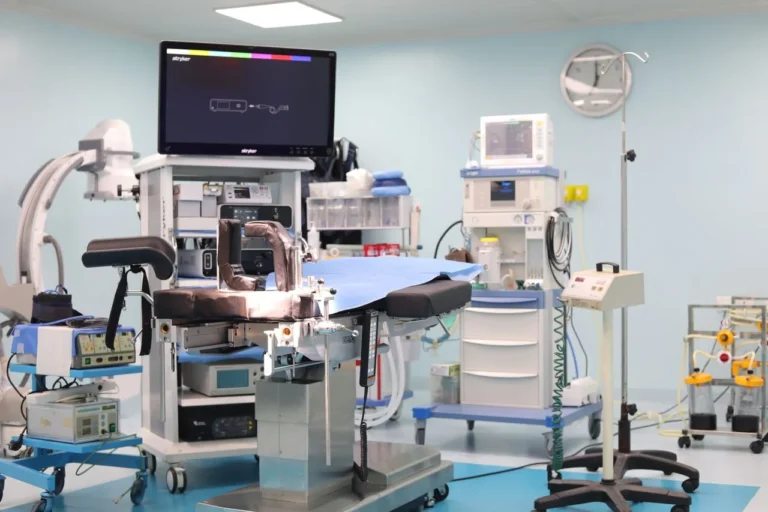

Fresenius Medical Care, a global leader in products and services for people living with kidney disease, has announced the U.S. launch of its multiFiltratePRO™ System, an advanced continuous kidney replacement therapy (CKRT) solution designed to support critically ill patients with acute kidney injury (AKI). The launch represents an important development in critical care nephrology, bringing an integrated treatment system and dedicated solutions to U.S. hospitals to help healthcare professionals manage complex kidney replacement therapies in intensive care settings.
The multiFiltratePRO System is designed to support continuous kidney replacement therapy for patients whose kidneys are unable to adequately filter waste products and regulate fluid balance. Acute kidney injury is a serious medical condition that can develop rapidly, particularly among patients experiencing severe illness, infections, complications following surgery, or other critical health conditions. For these patients, continuous kidney replacement therapy can help manage kidney dysfunction while allowing intensive care teams to monitor and adjust treatment according to individual clinical needs.
A key feature of the new system is its integration of regional citrate anticoagulation technology through the company’s Ci-Ca Protocol. The technology combines citrate and calcium infusion capabilities within the system, eliminating the need for separate external citrate and calcium infusion pumps. By integrating these functions and automatically adjusting infusion rates as treatment conditions change, the system is designed to simplify the management of complex therapy protocols for intensive care unit (ICU) teams.
The U.S. launch expands the treatment options available to hospitals caring for patients with acute kidney injury and reflects Fresenius Medical Care’s continued efforts to introduce kidney care technologies developed and established in international markets to healthcare providers in the United States.
On October 19, 2026, the U.S. Food and Drug Administration (FDA) cleared the multiFiltratePRO System and approved two dedicated solutions, Cienby™ and Calrezdy™, for use with regional citrate anticoagulation during specified continuous kidney replacement therapies.
The regulatory milestone brings together the system and its dedicated solutions as a package for on-label regional citrate anticoagulation (RCA) using the Ci-Ca Protocol. The approach is intended for continuous venovenous hemodialysis (CVVHD) and continuous venovenous hemodiafiltration (CVVHDF), two treatment modalities used to support critically ill patients who require continuous kidney replacement therapy.
Cienby, a sodium citrate solution, is indicated as an anticoagulant for regional citrate anticoagulation during CVVHD or CVVHDF in adults and pediatric patients weighing at least 40 kilograms. Its role is to help prevent clotting within the extracorporeal circuit, which carries blood through the treatment system outside the body before returning it to the patient.
Calrezdy, a calcium chloride solution, is indicated as a source of calcium for calcium substitution during regional citrate anticoagulation in adults and pediatric patients weighing at least 40 kilograms undergoing CVVHD or CVVHDF. Calcium replacement is an important part of the regional citrate anticoagulation process because citrate binds calcium, reducing the availability of ionized calcium within the treatment circuit.
Together, the system and the dedicated solutions are designed to support the coordinated delivery of therapy according to the Ci-Ca Protocol. The integrated approach may help hospital teams manage the technical demands associated with anticoagulation while maintaining the protocol-defined treatment parameters.
The FDA clearance and approvals also establish an important point of differentiation for the U.S. market, where healthcare providers are seeking treatment technologies that support the delivery of complex therapies in intensive care environments.
Acute kidney injury occurs when the kidneys experience a sudden decline in their ability to filter waste products and maintain the body’s fluid and electrolyte balance. The condition can range in severity, from relatively mild changes in kidney function to serious organ dysfunction requiring intensive medical support.
Critically ill patients may develop AKI in connection with sepsis, major surgery, severe dehydration, circulatory problems, or other serious illnesses. When kidney function deteriorates significantly, waste products and excess fluid can accumulate in the bloodstream, potentially creating additional complications.
Continuous kidney replacement therapy is one treatment option used in intensive care settings for patients who need ongoing kidney support. Unlike conventional intermittent dialysis, which generally delivers treatment during defined sessions, CKRT provides treatment continuously over an extended period. This approach allows clinicians to manage fluid removal and waste clearance more gradually, according to the patient’s clinical condition and treatment objectives.
However, delivering CKRT requires careful coordination among equipment, anticoagulation protocols, monitoring procedures, and clinical staff. Maintaining the performance of the extracorporeal circuit is especially important because clot formation can interrupt therapy, require filter replacement, and increase the workload for healthcare professionals.
The multiFiltratePRO System is designed to address some of these operational challenges by integrating regional citrate anticoagulation functions into the treatment platform. Its automated adjustments are intended to help clinicians manage infusion rates as blood flow and effluent flow change during therapy.
For hospitals managing critically ill patients, technology that supports consistent protocol implementation and reduces the need for additional external equipment may offer practical advantages in the organization of intensive care workflows.
The multiFiltratePRO System incorporates citrate and calcium pumps that operate with the Ci-Ca Protocol. This integrated configuration removes the need for separate external infusion pumps dedicated to citrate and calcium delivery.
Regional citrate anticoagulation works by using citrate to bind calcium in the extracorporeal blood circuit. Because calcium plays an important role in the blood coagulation process, reducing ionized calcium within the circuit helps limit clot formation during treatment. Calcium is subsequently replaced according to the prescribed protocol to support the patient’s physiological requirements.
The process requires careful management of citrate delivery, calcium replacement, blood flow, and other treatment parameters. Clinicians must also monitor relevant laboratory measurements and the patient’s clinical status to ensure therapy remains appropriate and safe.
With the Ci-Ca Protocol, the multiFiltratePRO System automatically adjusts citrate and calcium infusion rates in response to changes in blood and effluent flow. These adjustments are designed to help maintain protocol-defined ratios throughout treatment.
By coordinating these functions within the system, the technology is intended to reduce some of the manual adjustments associated with delivering regional citrate anticoagulation. It also removes the need to configure separate external citrate and calcium infusion pumps, potentially simplifying equipment setup and management for ICU teams.
The integrated design does not eliminate the need for clinical oversight. Healthcare professionals must continue to follow the approved instructions for use, monitor patients, evaluate laboratory results, and respond to changes in clinical condition. Nevertheless, incorporating automated adjustments into the treatment system provides an additional tool for managing the complexity of continuous kidney replacement therapy.
Preventing clotting within the extracorporeal circuit is an important consideration when delivering continuous kidney replacement therapy. If a filter clots prematurely, treatment may need to be interrupted while staff replace the affected components and restore therapy.
Such interruptions can create additional demands for ICU teams and affect the continuity of treatment. Anticoagulation strategies are therefore an important part of CKRT management, although the choice of approach depends on patient-specific factors, clinical circumstances, and applicable treatment protocols.
A multicenter randomized controlled trial involving critically ill patients with acute kidney injury receiving CKRT reported that regional citrate anticoagulation increased filter lifespan compared with systemic heparin anticoagulation.
The study provides clinical evidence supporting the importance of evaluating anticoagulation strategies in patients who require continuous kidney support. A longer filter lifespan can be relevant to treatment continuity and the frequency of circuit changes, although the overall benefits and risks of any anticoagulation strategy must be considered in the context of individual patients.
The trial was underpowered to draw definitive conclusions regarding mortality. Consequently, its findings should not be interpreted as establishing a mortality benefit for regional citrate anticoagulation.
The introduction of the multiFiltratePRO System with the Ci-Ca Protocol brings an integrated approach to regional citrate anticoagulation to U.S. hospitals. Its potential role in clinical practice will depend on appropriate patient selection, adherence to approved protocols, staff training, and ongoing assessment of patient response.
The multiFiltratePRO launch reflects Fresenius Medical Care’s broader strategy of developing kidney care technologies and expanding their availability across international markets.
The company has a long history of providing products and services for people with kidney disease, including technologies supporting dialysis and other kidney replacement therapies. Its portfolio serves healthcare providers and patients across multiple care settings, from established dialysis services to complex hospital-based treatment environments.
More recently, Fresenius Medical Care introduced its 5008X™ CAREsystem in the United States, bringing hemodiafiltration (HDF) technology to American patients. HDF combines diffusion and convection to remove waste products from the blood and is an established treatment approach in many parts of Europe and the Asia-Pacific region.
The introduction of multiFiltratePRO follows a similar international innovation strategy. By bringing a treatment system incorporating the Ci-Ca Protocol to the U.S. market, Fresenius Medical Care is extending the availability of technologies used in other parts of the world to healthcare professionals working in American hospitals.
Joe Turk, Chief Executive Officer of Care Enablement at Fresenius Medical Care, emphasized the company’s commitment to bringing kidney care innovations to new markets.
“Fresenius Medical Care has a long history of bringing innovative kidney care solutions to patients around the world and making them available in new markets where they can have an even greater impact,” Turk said.
He added that the introduction of multiFiltratePRO enabled with the Ci-Ca Protocol demonstrates the company’s commitment to expanding treatment options for critical care teams while advancing kidney care innovation.
The launch also reinforces the company’s focus on supporting healthcare professionals who manage patients with complex medical needs. As hospitals continue to evaluate equipment and treatment approaches for critically ill patients, integrated technologies may play an increasingly important role in supporting clinical workflows.
Fresenius Medical Care plans to showcase the multiFiltratePRO System during ASN Kidney Week 2026 in Denver, Colorado.
Attendees will be able to visit Booth 571 to view the system, engage with product experts, and learn more about its intended role in supporting critically ill patients with acute kidney injury.
ASN Kidney Week brings together professionals and researchers involved in nephrology, providing an opportunity to discuss developments in kidney disease treatment, clinical practice, research, and medical technology. The event will give healthcare professionals an opportunity to become familiar with the new system and understand its features within the broader landscape of kidney replacement therapy.
For hospitals evaluating CKRT technologies, direct engagement with product experts can help clarify system functionality, implementation requirements, and the role of integrated anticoagulation technology in clinical workflows.
The company’s participation also provides a platform to communicate the significance of the FDA clearance and the availability of the dedicated Cienby and Calrezdy solutions for their approved indications.
Fresenius Medical Care has stated that the U.S. launch of multiFiltratePRO will begin with a controlled rollout before moving quickly toward full availability.
A controlled introduction allows the company to begin bringing the technology to the market as it progresses toward broader access for hospitals and healthcare providers. The rollout will establish the initial availability of the system and its dedicated solutions in the United States.
The pace of adoption will depend on factors such as hospital procurement processes, staff training, clinical protocols, and implementation requirements. Healthcare organizations will also need to ensure that their teams understand the system’s operating procedures and the monitoring requirements associated with regional citrate anticoagulation.
The launch arrives at a time when hospitals continue to seek approaches that support the management of complex patients while maintaining appropriate clinical oversight and operational efficiency.
The U.S. introduction of the multiFiltratePRO System marks another step in Fresenius Medical Care’s efforts to expand its kidney care technology portfolio. By combining integrated citrate and calcium pumps with the Ci-Ca Protocol, the system is designed to support regional citrate anticoagulation during specified continuous kidney replacement therapies.
The FDA clearance of the system and approval of Cienby and Calrezdy provide the regulatory foundation for its intended use in adults and pediatric patients weighing at least 40 kilograms undergoing CVVHD or CVVHDF.
For intensive care teams, the integrated design offers a treatment platform intended to simplify the management of citrate and calcium delivery while supporting protocol-defined treatment parameters. Clinical monitoring, appropriate patient selection, and adherence to approved instructions remain essential to safe and effective use.
As the controlled rollout progresses toward full U.S. availability, Fresenius Medical Care will bring the system to hospitals seeking additional options for managing critically ill patients with acute kidney injury.
The launch underscores the continuing role of medical technology innovation in kidney care and the importance of providing healthcare professionals with tools designed to support complex treatment procedures. Through multiFiltratePRO, Fresenius Medical Care is extending its international kidney care innovation strategy into the U.S. critical care market, with a focus on integrated technology, treatment management, and the needs of patients requiring continuous kidney support.
Source link: https://freseniusmedicalcare.com/