
Global Diagnostic X-Rays Market Report 2025 Edition – Growth Outlook, Tariff Impact, Technological Progress, and Competitive Dynamics
Research And Markets has announced the addition of the latest industry study, “Diagnostic X-rays Market With Impact Analysis of US Tariffs (2025 Edition)”, to its portfolio. The report delivers an in-depth assessment of the global diagnostic X-ray landscape, analyzing historical trends, current market drivers, and forward-looking forecasts extending to 2030. It also evaluates the potential influence of US tariff policies on pricing structures, supply chains, and competitive positioning.
Overview of Market Growth
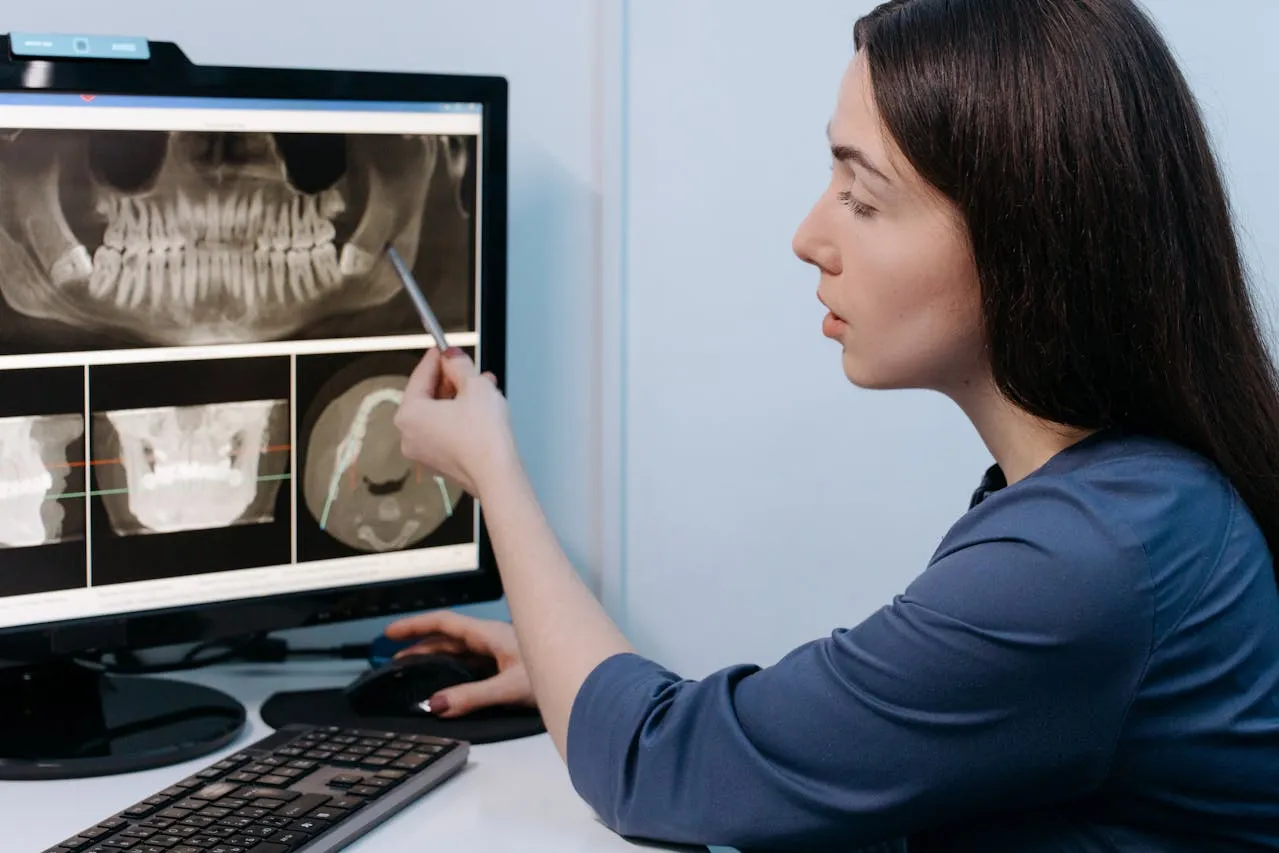
The diagnostic X-ray market continues to expand at a notable pace, supported by several converging factors shaping modern healthcare. As chronic diseases surge globally and the demand for non-invasive diagnostic tools rises, advanced X-ray imaging remains indispensable in clinical settings. Conditions such as arthritis, cardiovascular diseases, bone injuries, and dental disorders are increasingly diagnosed using X-ray modalities, reinforcing the technology’s relevance in routine medical care.
Furthermore, demographic shifts—particularly the rapidly growing elderly population—are amplifying demand. Older adults face higher risks of fractures, degenerative bone diseases, and comorbidities that require frequent imaging. This demographic trend, paired with healthcare systems’ ongoing emphasis on early and accurate diagnosis, continues to propel market momentum.
Technological Advancements Transforming the Market
Technology remains one of the strongest accelerators of growth. Recent innovations in the diagnostic imaging field are transforming efficiency, accuracy, and clinical workflow in substantial ways. Key advancements include:
1. Digital Radiography (DR) Adoption
The transition from analog film-based imaging to digital radiography has dramatically improved image acquisition time, workflow automation, and diagnostic precision. DR systems allow rapid processing, storage, and transmission of images—facilitating improved patient throughput in hospitals and imaging centers.
2. Portable and Mobile X-ray Units
Compact, lightweight, and mobile X-ray systems have gained significant traction, especially in emergency rooms, intensive care units, and remote settings. These systems enhance accessibility, enabling clinicians to conduct imaging at the patient’s bedside and expand healthcare delivery to underserved populations.
3. Reduced Radiation Exposure
Modern systems incorporate dose-optimization technologies that maintain image quality while minimizing radiation exposure—an important consideration for repeat imaging and vulnerable populations like children and pregnant women.
4. Integration of Artificial Intelligence
AI tools are increasingly used to automate image interpretation, prioritize urgent findings, enhance image reconstruction, and improve workflow efficiency. This trend is expected to accelerate as healthcare providers continue adopting AI-enabled imaging platforms.
5. Hybrid and Multi-Modality Systems
The market is also seeing the rise of hybrid imaging technologies that combine X-ray capabilities with other modalities, such as fluoroscopy, to deliver more versatile diagnostic outputs.
Growth Opportunities in Emerging Markets
Emerging economies across Asia, Latin America, and Africa continue to invest heavily in healthcare infrastructure. Rising disposable incomes, public health initiatives, and expanding insurance coverage create fertile ground for imaging equipment adoption. Government-led modernization programs, particularly in China, India, and Brazil, are strengthening diagnostic capacity through new hospitals, community clinics, and digital health projects.
As healthcare demand increases, these regions are expected to contribute significantly to overall market expansion in the coming decade.
Competitive Landscape
The report includes a comprehensive analysis of competitive positioning across major global players. Key competitive elements include innovation capacity, product portfolio depth, global distribution networks, pricing strategies, and adoption of AI-enabled features.
Profiles of Key Market Participants
- GE HealthCare
- Philips N.V.
- Siemens Healthineers AG
- Canon Medical Systems
- Fujifilm Holdings Corporation
- Medlink Imaging, LLC
- Konica Minolta Healthcare Americas, Inc.
- Braun & Co. Ltd.
- Carestream Health
Each company profile highlights product strategies, recent developments, investments in R&D, and regional presence.
The report further includes:
- Product Positioning Analysis
- Market Position Matrix
- Market Share Assessment
This helps stakeholders understand where companies stand relative to peers in terms of market reach, technology adoption, and product adoption.
Market Dynamics
The report breaks down the market environment into key drivers, restraints, and ongoing trends:
Key Drivers
- Increase in chronic diseases requiring imaging for diagnosis and monitoring
- Growing elderly population worldwide
- Rising demand for non-invasive imaging techniques
- Transition from analog to advanced digital radiography
- Technological innovations enhancing image quality and operational efficiency
Key Restraints
- High installation and maintenance costs of advanced imaging systems
- Shortage of skilled radiologic technologists in some regions
- Regulatory pressures in markets requiring rigorous device approvals
Emerging Trends
- Accelerated integration of AI into diagnostic imaging workflows
- Expansion of portable and mobile X-ray solutions
- Rising focus on hybrid imaging systems and smart diagnostics
Industry Ecosystem and Strategic Analyses
The report includes detailed ecosystem evaluation and strategic frameworks such as:
- Porter’s Five Forces Analysis
- Value Chain Mapping
- Impact Assessment of Macro-Economic Variables
- Tariff Impact Analysis in the US Market
The tariff analysis in particular explores how changing trade regulations may influence equipment costs, manufacturing strategies, and supplier relationships.
Analyst Recommendations
To stay competitive, the report’s analysts recommend the following strategic priorities:
1. Strengthen Investment in AI and Automation
AI-driven diagnostic assistance tools are becoming integral to increasing productivity and reducing interpretation time. Manufacturers are encouraged to integrate smart imaging features capable of improving operational efficiency.
2. Embrace Hybrid and Multi-Modality Imaging Systems
Combining X-ray with fluoroscopy or other imaging forms enhances diagnostic versatility and could open new market segments, especially in surgical or interventional radiology environments.
Global Market Outlook: Historic and Forecast Trends (2020–2030)
The report includes extensive quantitative insights, including:
- Market size and CAGR (2020–2030)
- Dashboard of global diagnostic X-ray statistics
- Assessment of X-ray radiation exposure per 1,000 people
- Global prevalence of osteoarthritis radiography (2019)
- Global incidence rates of transport-related injuries (2019)
Market Segmentation by Type
- General Radiography
- Angiography
- Surgical Fluoroscopy
- Mobile X-ray
- Other X-ray Types
Each segment includes a detailed forecast from 2020H–2030F, with valuation in USD millions and growth rates.
Market Segmentation by End User
- Hospitals
- Diagnostic Centers
- Other Healthcare Facilities
The report analyzes attractiveness indices and growth opportunities within each end-user category.
Regional Market Analysis
The final chapters explore market performance and forecasts across major regions:
- North America
- Europe
- Asia-Pacific
- Latin America
- Middle East & Africa
Each regional assessment includes factors such as healthcare infrastructure maturity, adoption of advanced imaging systems, regulatory environment, and investment trends.
About ResearchAndMarkets.com
Research And Markets is the world’s leading source for international market research reports and market data. We provide you with the latest data on international and regional markets, key industries, the top companies, new products and the latest trends.
source link : https://www.businesswire.com