DeepHealth’s TechLive™ Remote Scanning Platform Secures FDA 510(k) Clearance, Poised to Transform Imaging Operations Amid Technologist Shortage
DeepHealth, a wholly-owned subsidiary of RadNet,and a global leader in AI-powered health informatics, has announced that its innovative remote scanning platform, TechLive™, has received 510(k) clearance from the U.S. Food and Drug Administration (FDA). This regulatory milestone positions TechLive™ as a pioneering solution in the field of diagnostic imaging, enabling centralized and remote operation of Magnetic Resonance Imaging (MRI), Computed Tomography (CT), Positron Emission Tomography/Computed Tomography (PET/CT), and Ultrasound procedures.
This breakthrough comes at a critical time for the radiology and broader healthcare sector, which continues to grapple with persistent labor shortages, increasing demand for imaging services, and rising wage pressures. DeepHealth’s TechLive™ platform directly addresses these challenges by empowering technologists to conduct and supervise imaging procedures across multiple locations from a centralized hub. This not only streamlines workflow efficiency and optimizes labor deployment but also extends service hours and enhances access to complex imaging procedures.
A New Paradigm for Medical Imaging: Remote Scanning at Scale
TechLive™ leverages DeepHealth’s advanced AI and informatics infrastructure to enable real-time, remote operation of imaging modalities that traditionally required in-person oversight. Technologists using TechLive™ can remotely control scanners, guide on-site staff, and ensure protocol adherence—drastically reducing the need for on-site, specialized personnel for every scan.
This remote model allows healthcare systems and imaging centers to redistribute limited human expertise across a wider network of facilities. According to DeepHealth, more than 300 imaging systems across RadNet’s network—including MRI, CT, PET/CT, and Ultrasound devices—have already been integrated with TechLive™, illustrating both the scalability and practical impact of the solution.
By remotely matching expert staff to complex cases in real-time, the platform is also designed to increase patient throughput, reduce operational bottlenecks, and enhance scan quality. These efficiencies are especially valuable for facilities operating with lean staffing models or in geographically dispersed locations where recruiting and retaining qualified technologists remains a challenge.
Addressing the Workforce Gap in Radiology
Radiology workloads have continued to rise over the past decade, driven by an aging population, the expanding scope of imaging in clinical decision-making, and the growing use of imaging for preventive care. However, the pipeline of qualified imaging technologists has not kept pace with this growing demand.
This imbalance has led to increased MRI room closure hours, delayed scan appointments, and in some cases, deferrals of complex procedures due to lack of experienced staff. TechLive™ aims to reverse these trends by equipping health systems with the tools to deploy expertise efficiently and flexibly, regardless of geography.
The effectiveness of the platform has already been demonstrated in a pilot deployment across 64 RadNet imaging centers in the New York metro area. During the second quarter of 2025, TechLive™ contributed to a 42% reduction in MRI room closure hours compared to the same quarter in 2024. This improvement translated directly into more timely imaging for patients and reduced administrative disruptions associated with understaffing.
Expanding Capabilities to Ultrasound: Expert Guidance in Real Time
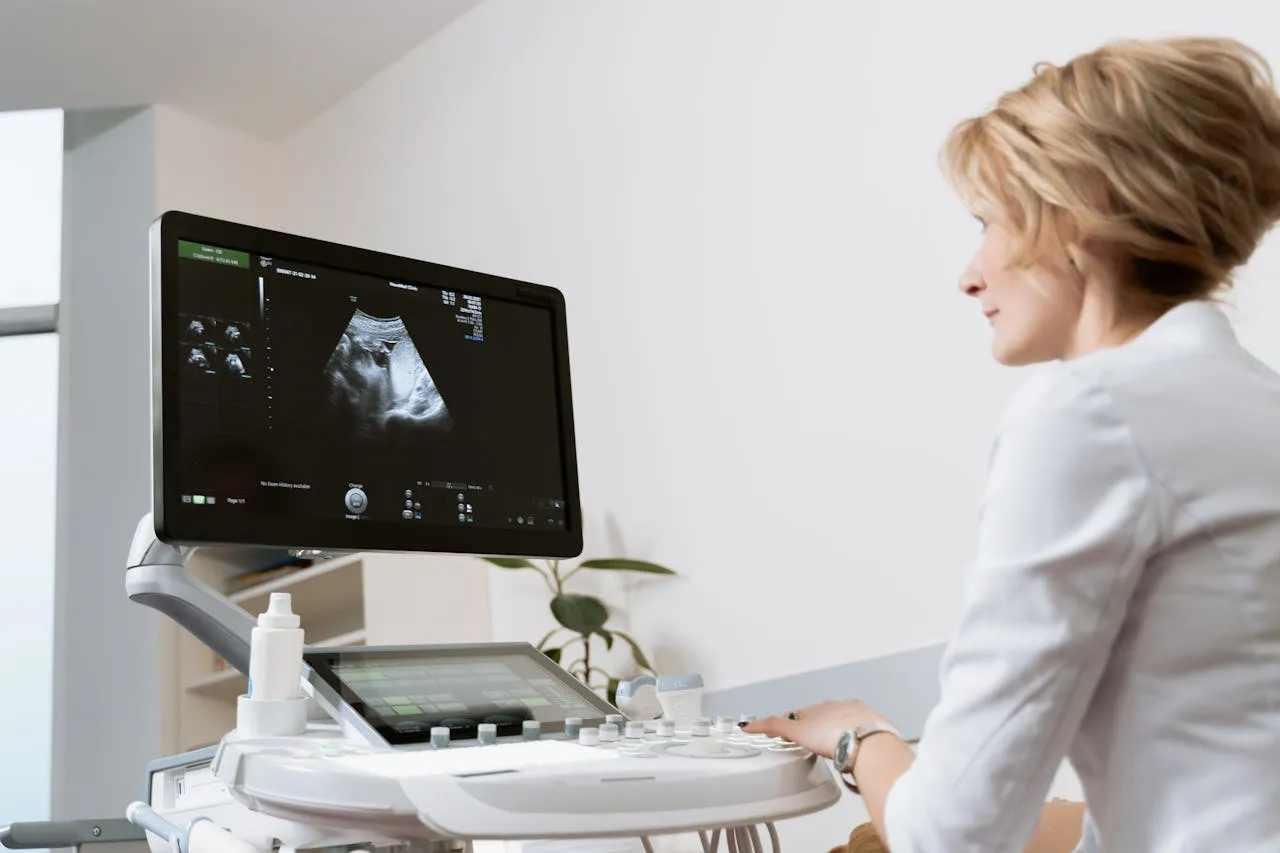
One of the most compelling aspects of TechLive™ is its application to Ultrasound imaging, a modality known for its high dependence on operator expertise. Unlike MRI or CT, which often rely on more standardized protocols, Ultrasound requires skilled manipulation of the probe and real-time interpretation of anatomy—challenges that are often difficult to address without direct, hands-on involvement from experienced clinicians.
By incorporating Ultrasound into its remote capabilities, TechLive™ is enabling a new level of guided collaboration between senior sonographers or radiologists and on-site technologists. Using high-resolution streaming and bidirectional communication, senior staff can guide scans remotely—assisting in complex procedures, ensuring diagnostic quality, and helping to train newer staff in real time. This feature opens new possibilities for improving access to high-quality Ultrasound imaging in rural or underserved areas, where experienced sonographers are in particularly short supply.
Executive Perspective: Enabling a Connected Imaging Ecosystem
“TechLive™ represents a paradigm shift in how we approach imaging operations,” said Dr. Sham Sokka, Chief Operating and Technology Officer at DeepHealth. “By enabling real-time remote expertise, we are not only addressing today’s staffing challenges, we are creating a foundation for more efficient, financially sustainable, and high-quality patient care across the broadest set of imaging modalities.”
Dr. Sokka emphasized that the FDA clearance of TechLive™ validates DeepHealth’s strategic vision of a connected imaging ecosystem—one where human expertise is not limited by physical location, and advanced informatics platforms enable dynamic matching of staff to clinical needs. He added that the clearance marks an important regulatory endorsement of the company’s commitment to quality, safety, and innovation in medical imaging.
Operational and Financial Impact for RadNet
RadNet, DeepHealth’s parent company and one of the largest outpatient imaging providers in the U.S., has been a major beneficiary of the TechLive™ rollout. With over 350 imaging centers nationwide, RadNet has long emphasized operational innovation to drive both patient access and cost efficiency. The integration of TechLive™ across its network aligns with RadNet’s broader strategy of leveraging AI and automation to future-proof its imaging services.
From a financial standpoint, the platform supports several key objectives:
- Reducing labor costs by optimizing the deployment of specialized technologists.
- Increasing scan volume and revenue by keeping imaging rooms open longer and reducing downtime.
- Enabling extended hours of operation, including evenings and weekends, without the need for on-site staff at every location.
- Improving quality assurance by providing real-time oversight and support from senior personnel, reducing the likelihood of repeat scans or diagnostic errors.