
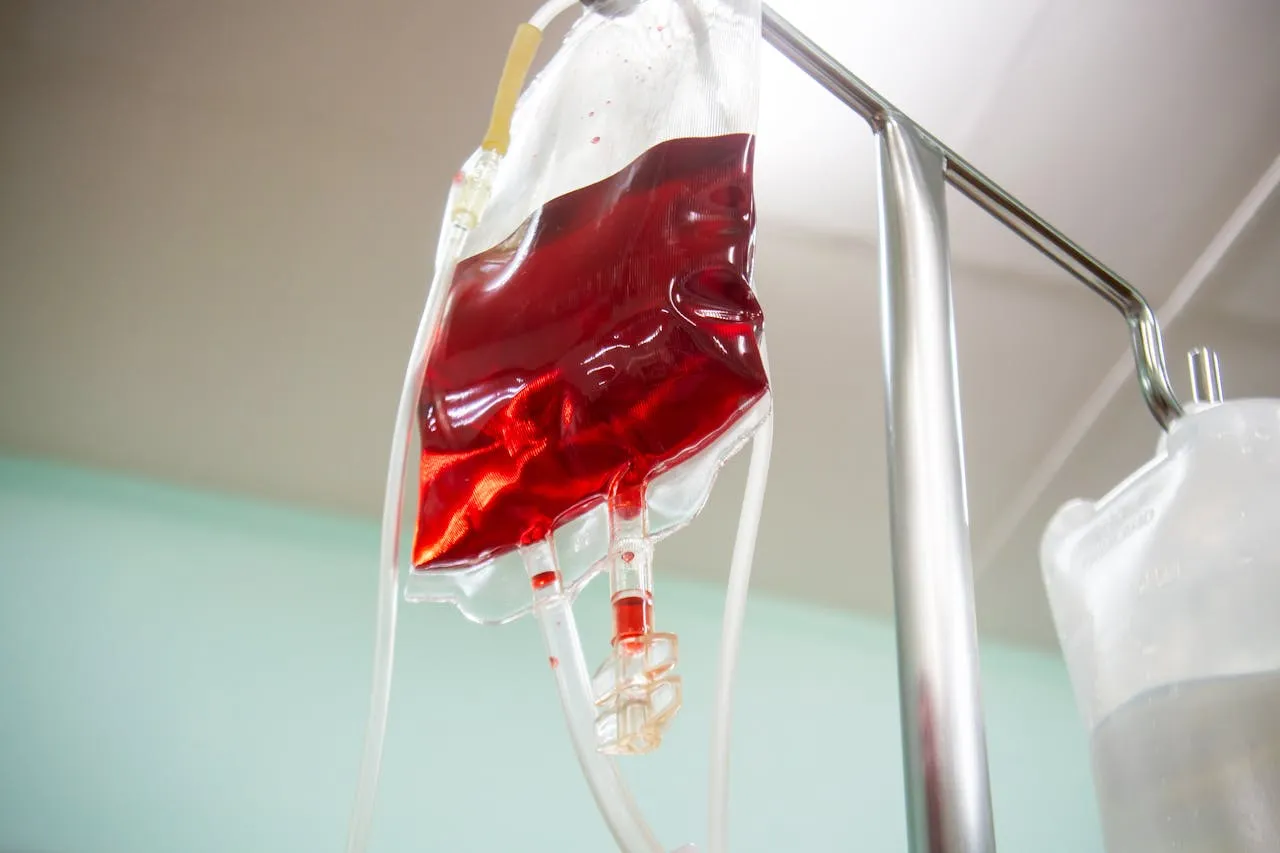
Cord for Life®has announced the successful completion of Phase 1 enrollment and dosing in a groundbreaking clinical trial investigating the use of umbilical cord blood-derived stem cells for the treatment of chronic lower back pain associated with the sacroiliac (SI) joint. The milestone represents a historic advancement in regenerative medicine, marking the first known clinical investigation of cord blood stem cells for a non-transplant therapeutic application unrelated to bone marrow regeneration or blood cell replacement.
For decades, umbilical cord blood stem cells have primarily been used in transplantation procedures to help regenerate bone marrow and restore blood cell production in patients suffering from blood disorders, immune deficiencies, and certain cancers. Cord for Life®’s latest clinical program expands the potential application of these cells into a completely new area of medicine: pain management and musculoskeletal disorders.
The company’s FDA-authorized Phase 1a clinical trial evaluated an investigational biological therapeutic derived from minimally manipulated umbilical cord blood. The therapy is being studied as a potential treatment for lower back pain originating from dysfunction or inflammation of the sacroiliac joint, a condition that affects millions of people worldwide and is often associated with chronic discomfort, limited mobility, and reduced quality of life.
The clinical trial enrolled nine adult participants suffering from sacroiliac joint-related lower back pain. According to the company, the ninth and final participant received treatment on January 7, 2026, officially completing enrollment and dosing for the study. The open-label, dose-ranging study was conducted under an active Investigational New Drug (IND) application authorized by the U.S. Food and Drug Administration (FDA).
Cord for Life® reported that early findings from the Phase 1a study have demonstrated a favorable preliminary safety profile. Importantly, no unexpected adverse events have been reported during the study to date. Investigators overseeing the trial also observed encouraging early clinical trends among participants following treatment.
According to preliminary observations, all enrolled participants experienced reductions in symptom severity scores within approximately three to six months after receiving the investigational therapy. Researchers also noted positive trends in quality-of-life indicators and improvements in functional status measures during the same timeframe. While the company emphasized that additional monitoring and data analysis are still required, the initial findings have provided optimism regarding the therapy’s future potential.
The study participants will continue undergoing mandatory safety follow-up evaluations over the next twelve months. During this period, researchers will collect and analyze long-term safety and efficacy data in accordance with FDA regulatory requirements. Completion of the Phase 1 safety review and preparation of a final Clinical Study Report are required before the company can formally initiate its planned Phase 2 trial under the existing IND framework.
Oversight for the clinical program has been provided by the University of Florida Data Safety Monitoring Board (DSMB), which recently reviewed the available study data. According to Cord for Life®, the DSMB recommended that the trial continue as planned and concluded that no protocol modifications were necessary. Based on current findings, the board determined that the planned Phase 2 study may proceed without changes.
The next phase of development is expected to focus on expanded patient enrollment and additional evaluation of dosing strategies. Subject to regulatory review and successful completion of the required safety monitoring period, Cord for Life® anticipates initiating Phase 2 later this year.
“This marks an important milestone for our clinical development program,” said Donald L. Hudspeth, BSCLS, MT (ASCP), General Manager and Director of International Projects for Cord for Life®. “Successful completion of enrollment and dosing in Phase 1 reflects the collaborative efforts of our clinical partners and reinforces our commitment to advancing cord blood-derived cellular therapies through a disciplined clinical program and a defined regulatory pathway.”
The company is conducting the clinical program in collaboration with researchers and clinicians at the University of Florida in Gainesville. The study is being led under the direction of Dr. Rene Przkora, MD, PhD, FASA, who specializes in pain medicine and anesthesiology. Cord for Life® and its clinical collaborators will continue monitoring patient outcomes, collecting safety data, and performing further analysis throughout the follow-up period.
At the center of the study is PREMIERMAXCB® PLATINUM, an investigational biological therapeutic manufactured from minimally manipulated umbilical cord blood under current Good Manufacturing Practice (cGMP) conditions. The product remains investigational and is currently restricted to use within FDA-authorized clinical studies.
Cord for Life® also noted that its minimally manipulated umbilical cord blood PREMIERMAXCB® products comply with recently enacted Florida stem cell legislation, including Senate Bill No. 1768 and House Bill No. 1617. These laws were designed to create a regulatory framework for stem cell therapies and regenerative medicine products within the state.
Lower back pain remains one of the leading causes of disability worldwide, affecting tens of millions of individuals each year. Sacroiliac joint dysfunction is recognized as a significant contributor to chronic lower back pain, yet current treatment options often provide only temporary symptom relief. Existing approaches may include physical therapy, steroid injections, pain medications, nerve ablation procedures, or surgical intervention in severe cases.
The emergence of regenerative medicine approaches, including biologic and cellular therapies, has generated increasing interest among researchers seeking alternatives that could potentially address underlying inflammation or tissue dysfunction rather than simply masking symptoms. While further clinical validation is necessary, the Cord for Life® trial represents a potentially important step in exploring how cord blood-derived therapies may eventually contribute to future treatment strategies for chronic pain conditions.
Experts in regenerative medicine have long viewed umbilical cord blood as a valuable source of biologically active cells due to its rich cellular composition and collection at birth. Unlike more invasive cell collection procedures, cord blood can be safely collected after delivery and preserved for future clinical or research applications. Over the past three decades, cord blood banking has become an increasingly established component of both transplant medicine and emerging cell therapy research.
Founded in 1995, Cord for Life® has spent more than 30 years specializing in cord blood collection, processing, and storage services. Throughout its history, the company has supported thousands of cord blood releases for transplantation, research, and investigational clinical applications. The organization says it remains focused on advancing responsible scientific innovation within regenerative medicine while maintaining compliance with evolving regulatory standards.
Although the current findings remain preliminary and larger clinical studies will be necessary to confirm safety and effectiveness, the completion of this Phase 1 trial represents a notable milestone in the broader evolution of stem cell-based therapies. Researchers and industry observers alike will be closely watching the next stages of development as Cord for Life® moves toward Phase 2 testing.
If future studies continue to produce encouraging outcomes, the research could potentially open the door to additional clinical investigations exploring cord blood-derived therapies across a wider range of non-transplant medical conditions. Such advances may eventually help shape new treatment approaches for chronic pain and other degenerative disorders affecting millions of patients worldwide.
Since 1995, Cord for Life® has been a leader in cord blood collection, processing, and storage. The company has supported thousands of releases for transplant, research, and clinical applications and remains committed to advancing responsible scientific research in regenerative medicine.