Claritev Corporation, a healthcare technology, data, and insights company focused on improving affordability and transparency in healthcare, has announced the recipients of its 2026 Rural Health Grants through Claritev Cares, the company’s nonprofit foundation dedicated to expanding access to healthcare.
This year’s grants have been awarded to Fairfield Memorial Hospital in Fairfield, Illinois, and Kodiak Community Health Center in Kodiak, Alaska. The funding will support initiatives designed to address two significant challenges facing rural communities: obtaining timely diagnostic information during urgent medical situations and gaining access to specialist medical expertise without requiring patients to travel long distances.
The grants demonstrate how targeted investments in healthcare infrastructure, technology, and clinical collaboration can help rural providers strengthen local care. For patients living far from major medical centers, having the right equipment and specialist knowledge available within their communities can make a meaningful difference in how quickly they receive appropriate care.
Fairfield Memorial Hospital will use its grant to complete funding for a portable point-of-care ultrasound system, allowing clinicians to bring diagnostic imaging technology directly to patients throughout the hospital. Kodiak Community Health Center will use its grant to continue participating in the MAVEN Project, a program that connects local clinicians with volunteer medical specialists who provide patient-specific consultation, education, and mentorship.
Together, the two initiatives address different but interconnected aspects of rural healthcare access.
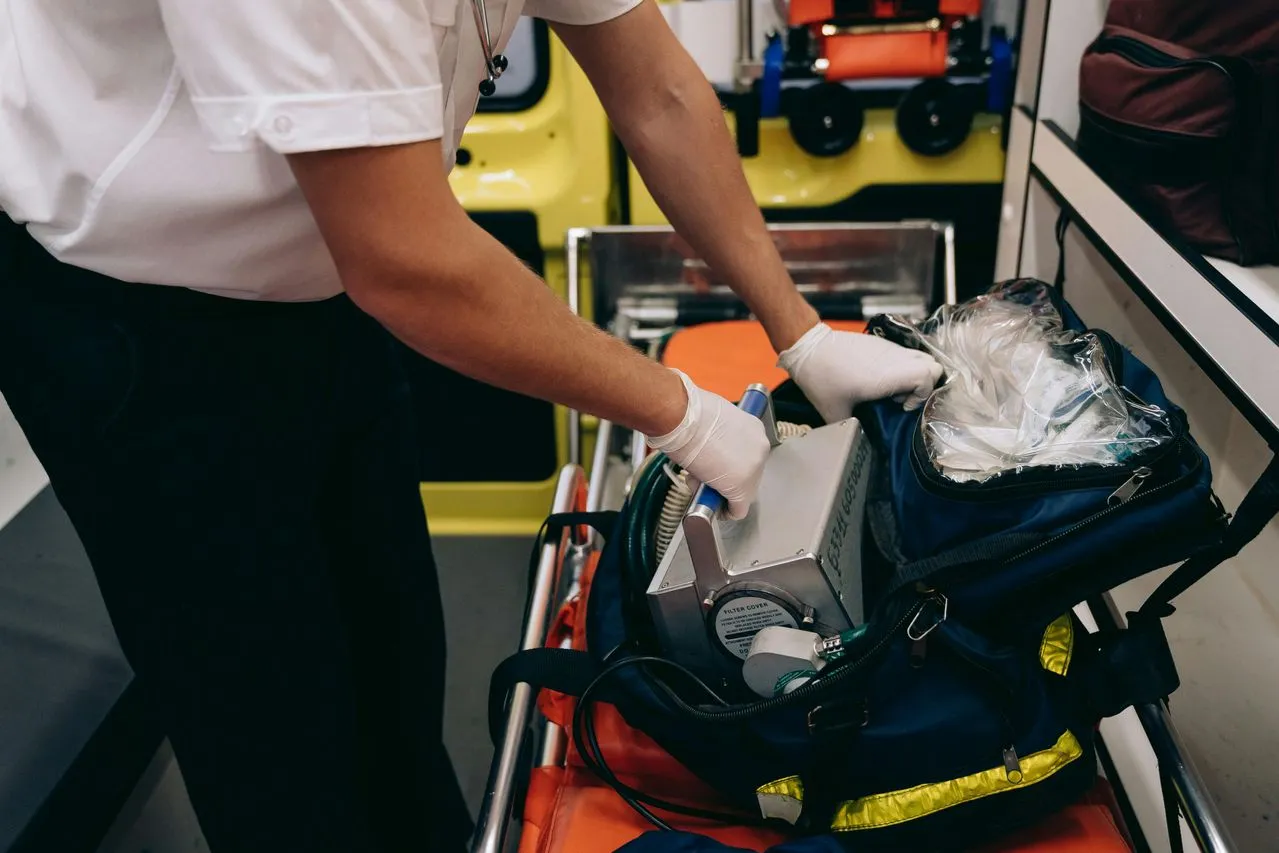
Fairfield Memorial Hospital will use Claritev Cares funding to help complete the purchase of a portable ultrasound system that can be used across the hospital.
The hospital had already secured community support toward the purchase, but additional funding was needed to close the remaining gap. The Claritev Cares grant will help bring the project to completion and make the equipment available to clinicians.
Point-of-care ultrasound can be particularly valuable when healthcare professionals need diagnostic information quickly.
Patients experiencing serious medical conditions such as trauma, respiratory distress, sepsis, internal bleeding, heart failure, or vascular complications may require rapid assessment. In these circumstances, having portable imaging technology available at the bedside can provide clinicians with additional information that can inform treatment decisions.
A portable ultrasound system can also support certain procedures and assessments without requiring patients to be transported to another location within the hospital.
The mobility of the technology is an important part of the investment. Rather than being permanently located in one department, a portable system can be taken directly to the patient wherever care is being provided.
For a rural hospital, this flexibility can help clinical teams respond to urgent situations more efficiently and potentially make more informed decisions about whether a patient can continue receiving treatment locally or needs to be transferred to another facility.
The ability to gather diagnostic information at the bedside can be especially valuable in time-sensitive situations where delays may complicate patient management.
Rural hospitals frequently operate with fewer resources than large urban medical centers. Diagnostic equipment that can be used flexibly across different parts of a facility can therefore provide important clinical value.
The portable ultrasound supported by the Claritev Cares grant is intended to give Fairfield Memorial Hospital clinicians another tool for evaluating patients.
For patients, the benefit is potentially broader than simply having access to an additional piece of medical equipment. Faster diagnostic information can help healthcare professionals determine the appropriate course of action, including whether treatment can be provided locally or whether transfer to a larger medical center is necessary.
When transfers are required, early access to clinical information can also help teams make decisions more effectively and prepare for the next stage of care.
By helping close the hospital’s equipment funding gap, Claritev Cares is supporting an investment intended to strengthen local diagnostic capabilities.
The second 2026 Rural Health Grant recipient, Kodiak Community Health Center, will use its funding to continue the MAVEN Project for another year.
The program gives clinicians at the health center access to volunteer medical specialists who can provide consultation on individual patient cases.
Rather than automatically sending patients to specialists located outside the community, local clinicians can use the program to obtain specialist input while continuing to manage appropriate cases on Kodiak Island.
This model can be particularly important for communities located far from major medical centers.
Kodiak Island’s remote location can make traveling for specialty healthcare complicated. Patients who need care in Anchorage may have to travel by air or use a combination of ferry and ground transportation, depending on their circumstances.
Such travel can involve more than transportation costs. Patients and families may also have to account for lodging, time away from work, childcare responsibilities, and time away from family.
For some patients, these additional burdens can make pursuing specialty care more difficult.
The MAVEN Project provides an alternative pathway in cases where specialist input can be delivered remotely and the patient can appropriately continue receiving care locally.
Kodiak Community Health Center has already seen significant use of the program.
During the health center’s first eight months participating in the MAVEN Project, its medical staff initiated 42 specialist consultations.
Post-consultation surveys indicated that 82% of those consultations avoided the need for a formal referral. Based on that percentage, approximately 34 patients were able to continue receiving care on Kodiak Island rather than being referred elsewhere.
These results illustrate the potential impact of bringing specialist expertise to rural clinicians rather than requiring every patient to travel for an in-person consultation.
The program does not simply provide a mechanism for asking specialists questions about individual cases. It also supports continuing education and professional mentorship for clinicians working at the health center.
That educational component can be especially valuable in remote communities, where healthcare professionals may have fewer opportunities to interact regularly with specialists or colleagues working in larger medical systems.
Healthcare professionals practicing in rural and remote communities can face unique professional challenges.
Limited access to specialists and fewer opportunities for in-person collaboration can make it more difficult for clinicians to discuss complex cases or expand their knowledge across specialized areas of medicine.
The MAVEN Project helps address this challenge by connecting Kodiak clinicians with volunteer specialists.
Through patient-specific consultations, clinicians can receive guidance while continuing to develop their own knowledge and clinical skills. The mentorship component can also help create stronger professional connections between rural providers and specialists outside the community.
This combination of patient care and professional development makes the program relevant not only to individual patients but also to the long-term strength of the local healthcare workforce.
The initiatives supported by the 2026 Rural Health Grants reflect larger challenges facing healthcare providers and patients in rural America.
Approximately one in five Americans lives in a rural area. Rural communities can have strong local networks and a culture of self-reliance, but they may also face significant healthcare access challenges.
Long travel distances, limited availability of specialists, staffing constraints, and restricted access to certain technologies can all affect how care is delivered.
For patients, these challenges can mean traveling considerable distances for appointments or specialized treatment.
For rural healthcare providers, they can mean working with fewer resources while managing a broad range of clinical needs.
The Claritev Cares grants are designed to address some of these practical challenges by supporting projects that strengthen local healthcare capabilities.
Fairfield Memorial Hospital’s portable ultrasound project focuses on bringing diagnostic technology directly to patients and clinicians.
Kodiak Community Health Center’s MAVEN Project focuses on bringing specialist expertise to local providers.
Although the approaches are different, both initiatives share the goal of making it possible for more patients to receive high-quality care closer to where they live.
Claritev Cares selected the 2026 grant recipients based on several considerations, including the significance of the local healthcare need, the expected impact of the proposed initiative, and each organisation’s ability to use the funding in a way that directly benefits patients and clinicians.
This approach emphasizes practical projects with a clear connection to improving healthcare delivery in rural communities.
Rather than providing general funding without a defined objective, the rural health grant program supports targeted initiatives that can strengthen specific aspects of local care.
For Fairfield Memorial Hospital, the grant helps complete an equipment purchase that had already received support from the local community.
For Kodiak Community Health Center, the funding allows the health center to maintain access to a specialist consultation and mentorship program that has already demonstrated measurable use.
The 2026 grants continue a rural health grantmaking tradition established by Claritev Cares in 1995.
For decades, the program has provided targeted support to rural hospitals, clinics, and other healthcare organizations seeking to improve healthcare services within their communities.
The continuation of the program reflects the ongoing need for investment in rural healthcare infrastructure and services.
As healthcare becomes increasingly dependent on technology, specialized expertise, and coordinated clinical networks, rural providers need ways to access these resources without compromising the ability of patients to receive care locally.
Programs such as the Claritev Cares Rural Health Grants can help healthcare organizations address individual gaps that may otherwise be difficult to fund through regular operating resources.
The two 2026 grant recipients demonstrate how relatively targeted investments can address very different rural healthcare challenges.
At Fairfield Memorial Hospital, portable ultrasound technology can help clinicians obtain diagnostic information at the bedside and across different areas of the hospital.
At Kodiak Community Health Center, specialist consultation can help local clinicians access expertise that might otherwise require patients to travel outside their community.
Both initiatives support the broader objective of strengthening local healthcare delivery.
For patients, receiving care closer to home can reduce the time, expense, and logistical challenges associated with traveling to distant medical centers. For clinicians, access to appropriate technology and specialist knowledge can provide additional resources for managing complex cases.
The programs also demonstrate that improving rural healthcare access involves more than building facilities or increasing the number of providers. Technology, professional collaboration, education, and financial support can all contribute to creating stronger local healthcare systems.
The work supported by Claritev Cares is ultimately centered on helping rural patients remain connected to their local healthcare systems.
For a patient at Fairfield Memorial Hospital, having portable diagnostic equipment available could help clinicians gather important information without immediately relying on resources located elsewhere.
For a patient in Kodiak, specialist consultation through the MAVEN Project may allow a local clinician to obtain additional expertise without requiring the patient to undertake a difficult journey to Anchorage.
These efforts do not eliminate every challenge associated with rural healthcare. However, they can help reduce some of the barriers that make accessing appropriate care more difficult.
As rural communities continue to navigate healthcare workforce shortages, geographic isolation, financial constraints, and limited access to specialized services, investments that strengthen local capabilities can play an important role.
Through its 2026 Rural Health Grants, Claritev Cares is supporting two initiatives that take different approaches to the same fundamental goal: helping rural patients access the care and expertise they need closer to home.
By combining community investment with healthcare technology, specialist collaboration, and clinician support, the program continues Claritev Cares’ longstanding effort to strengthen rural healthcare organizations and improve access to care in communities across the United States.
Source link: https://www.claritev.com/