CareQuest Institute for Oral Health and Henry Schein, Inc. have announced the launch of the BRIDGE Health Network, a collaborative initiative designed to strengthen the connection between dental and medical healthcare services. The new network will bring together healthcare providers, dental organizations, academic institutions, and community-based health centers across different geographic regions and care settings to advance dental-medical integration and improve preventive healthcare.
The initiative aims to address a longstanding gap in the healthcare system, where dental care and general medical care have traditionally operated as separate services despite their close relationship. Through the BRIDGE Health Network, CareQuest and Henry Schein intend to demonstrate how dental practices can play a more active role in identifying potential health risks, supporting early detection, and connecting patients with appropriate medical services.
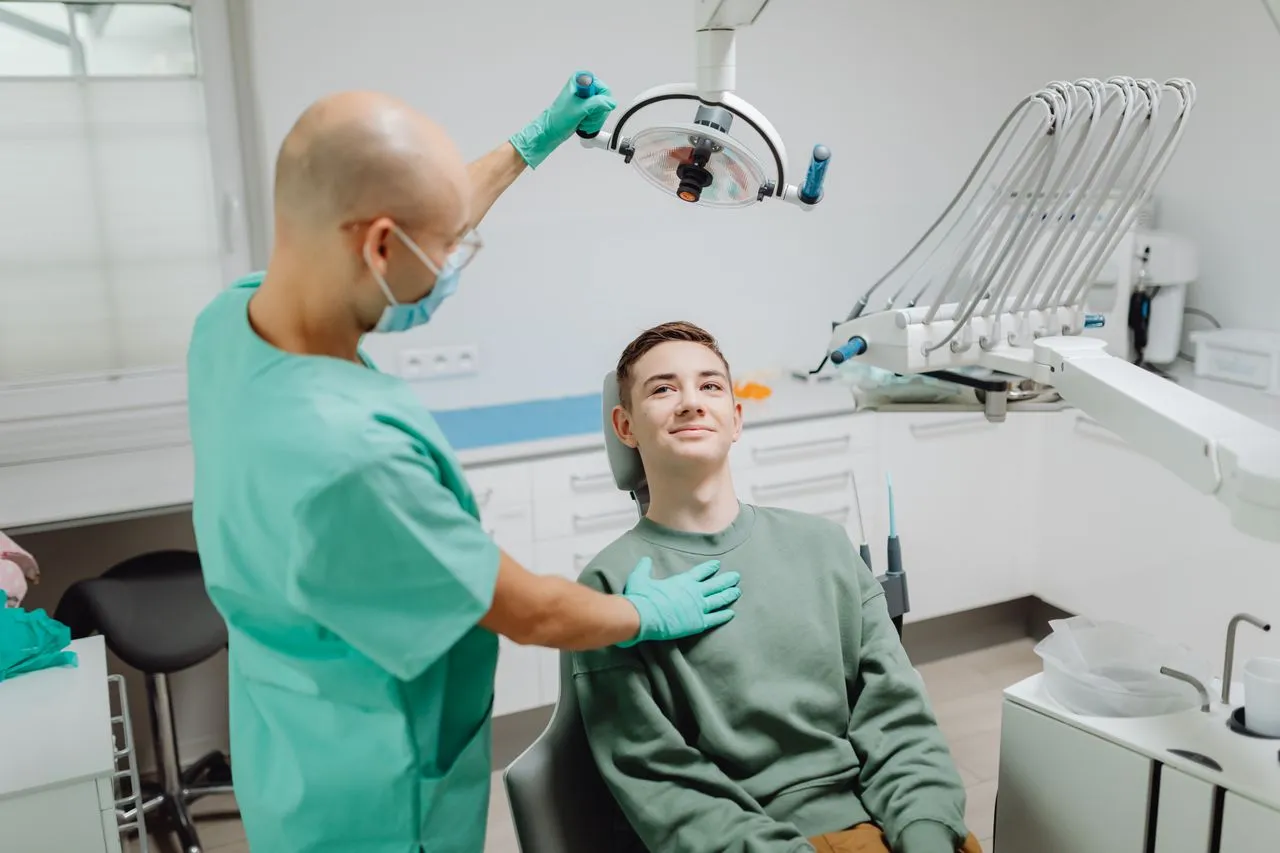
The first phase of the initiative will introduce preventive health screening workflows into routine dental hygiene appointments. These workflows will include collecting patient vital signs and lifestyle information, along with point-of-care testing for certain health conditions. One of the primary screening tools will be hemoglobin A1c (HbA1c) testing, which helps identify elevated blood glucose levels and assess the risk of diabetes and prediabetes.
By incorporating these screenings into regular dental visits, the organizations aim to expand preventive healthcare opportunities without requiring patients to make separate appointments solely for initial screening. Dental professionals will be able to collect additional health information, identify individuals who may require further medical evaluation, and encourage appropriate follow-up with primary care providers.
The BRIDGE Health Network is designed to demonstrate that dental-medical integration can be implemented across different types of healthcare organizations and practice environments. The participating providers will help evaluate the feasibility, operational requirements, and potential benefits of incorporating preventive health services into dental settings.
The launch of the BRIDGE Health Network comes amid increasing recognition of the relationship between oral health and overall physical health. Oral health conditions can be associated with several chronic diseases, while certain systemic health conditions may also affect the mouth, gums, and other oral tissues.
Despite these connections, dental care has historically remained separated from broader medical healthcare delivery. Many patients visit dentists regularly but may not receive preventive screenings for conditions that could be identified through additional health assessments.
This creates an opportunity for dental practices to contribute more directly to preventive healthcare.
Routine dental appointments provide an established point of contact between healthcare professionals and patients. For individuals who may not visit primary care providers frequently, dental appointments can offer another opportunity to identify potential health concerns and encourage medical follow-up.
The organizations believe that expanding screening capabilities within dental practices could help address gaps in preventive healthcare, particularly for conditions that frequently remain undiagnosed.
Diabetes is one of the major areas of focus for the initiative. According to the information cited by CareQuest and Henry Schein, approximately 80% of individuals with prediabetes and 28% of people with diabetes are unaware of their condition.
These figures highlight the importance of improving early detection and increasing access to screening opportunities.
Diabetes can affect several aspects of health, including cardiovascular function, kidney health, circulation, and oral health. People with diabetes may also experience an increased risk of gum disease and other oral health complications.
At the same time, inflammation and periodontal disease can create additional challenges for individuals managing diabetes. This relationship reinforces the importance of considering oral health as part of a broader approach to chronic disease prevention and management.
By introducing HbA1c screening during routine dental hygiene appointments, the BRIDGE Health Network aims to help identify individuals who may have elevated blood glucose levels and could benefit from further medical evaluation.
Research cited in the announcement indicates that chairside A1C screening has identified elevated HbA1c levels in more than 11% of previously undiagnosed patients with type 2 diabetes and an additional 47% with prediabetes.
Earlier identification of these conditions could support timely intervention and potentially reduce the long-term healthcare costs associated with untreated diabetes and prediabetes. The cited research also suggests that addressing these conditions earlier could save the U.S. healthcare system up to $100 million annually.
Through this initiative, CareQuest and Henry Schein are seeking to demonstrate how dental practices can become an additional resource for identifying health risks and supporting preventive care.
The BRIDGE Health Network has been developed to create practical connections between dental and medical providers. Rather than limiting the initiative to theoretical discussions about healthcare integration, the organizations plan to use real-world pilot programs to demonstrate how these models can function in everyday clinical environments.
The initial pilots will introduce new screening workflows into participating dental practices.
Dental teams will collect patient vital signs and relevant lifestyle markers during routine appointments. They will also conduct selected point-of-care screenings, including HbA1c testing, to identify potential health risks.
Following the screening process, participating practices will be able to provide patients with a summary of relevant systemic health information, educational resources, and recommendations for appropriate medical follow-up.
The approach is intended to help dental professionals contribute to broader preventive healthcare while maintaining their existing responsibilities in oral health treatment.
The initiative has three major objectives.
First, developing and evaluating preventive screening workflows.
CareQuest and Henry Schein will work with participating organizations to co-design pilot programs that demonstrate the effectiveness, feasibility, and potential benefits of preventive health screenings in dental settings.
The pilots will help determine how screening procedures can be incorporated into existing dental appointments without unnecessarily disrupting clinical operations.
They will also provide information about the resources, training, equipment, and technology required to support the model.
Second, establishing the business case for dental-medical integration.
The organizations aim to evaluate the clinical, financial, and operational outcomes associated with incorporating broader health screenings into dental practices.
This includes examining how the model may benefit patients, dental professionals, medical providers, healthcare payers, and the wider healthcare system.
By assessing both clinical and business considerations, the initiative hopes to demonstrate that dental-medical integration can become a sustainable component of healthcare delivery.
Third, developing a practical implementation playbook.
The lessons and results from the pilot programs will be used to develop a comprehensive playbook containing actionable workflows, implementation guidance, and best practices.
The resource will be designed to help other dental organizations and healthcare providers understand how to introduce similar screening programs into their practices.
The organizations intend to use the findings to encourage wider adoption of dental-medical integration across the healthcare industry.
Both organizations will contribute different capabilities to support the implementation and development of the BRIDGE Health Network.
Henry Schein will lead pilot implementation and serve as the primary point of contact for equipment and supply distribution, technical support, clinic engagement, and training.
The company’s involvement reflects its focus on helping dental and medical professionals incorporate practical technologies and workflows into everyday patient care.
Through its distribution and healthcare support capabilities, Henry Schein will help participating practices access the tools required to conduct point-of-care screenings and collect relevant patient information.
The company will also work with participating clinics to support implementation and address operational challenges that may arise during the pilot phase.
CareQuest Institute for Oral Health will provide program-level data and support the evaluation of the initiative in collaboration with Henry Schein and participating providers.
This information will help assess how the pilot programs are performing and identify opportunities to improve the integrated care model.
Azeem Mallick, MBA, vice president of Innovation and Partnerships at CareQuest Institute for Oral Health, said dentistry has historically operated as a separate part of the healthcare system despite its strong connection with numerous chronic health conditions.
He explained that the BRIDGE Health Network reflects CareQuest’s commitment to improving overall health through oral health initiatives.
Mallick also highlighted the importance of the collaboration with Henry Schein, noting that the partnership will help expand the impact of dental-medical integration by bringing practical solutions to providers across different healthcare settings.
The collaboration is intended to create a scalable model that can support more coordinated patient care and encourage stronger relationships between dental and medical professionals.
Technology will play an important role in implementing the BRIDGE Health Network’s screening workflows.
To support the initiative, Dentrix Ascend has been enhanced with additional fields that allow participating dental practices to record point-of-care screening information directly within their existing dental technology platform.
This development is intended to make it easier for dental teams to capture and maintain broader health information as part of the patient’s dental record.
By incorporating screening results into the existing clinical workflow, practices can reduce the need for separate documentation processes and improve the availability of relevant health information during future appointments.
The announcement also references Axium as another platform through which screening results can be captured.
The ability to document HbA1c results and other relevant health indicators within dental technology systems represents an important step toward improving information continuity.
When patients return for subsequent dental visits, clinicians can review previously recorded screening information and understand whether additional follow-up may be necessary.
This approach also supports the broader goal of making dental records more comprehensive by incorporating selected information about patients’ overall health.
Dr. Ryan Hungate, chief strategy and clinical officer at Henry Schein One, highlighted the importance of identifying diabetes earlier.
He explained that diabetes can remain undiagnosed for years and that dental appointments provide an opportunity to identify patients who may be at risk.
According to Hungate, introducing point-of-care HbA1c screening into dental treatment rooms can help identify individuals who may benefit from additional evaluation by medical providers.
He also emphasized that recording screening results directly in Dentrix Ascend or Axium will help create a more comprehensive health history for patients and support future clinical interactions.
The technology component is expected to help participating practices incorporate broader health information without requiring them to completely change their existing patient management systems.
The inaugural BRIDGE Health Network cohort includes organizations representing a wide range of healthcare delivery environments.
The participating organizations include community-based and safety-net healthcare providers, multi-site dental organizations, and leading academic institutions.
The initial group includes:
The participation of these organizations is expected to provide the initiative with different perspectives on implementing dental-medical integration.
Community-based and safety-net providers can offer insights into the challenges faced by populations with limited access to healthcare services.
Multi-site dental organizations can help evaluate how screening workflows may be introduced across larger practice networks.
Academic institutions can contribute research, clinical expertise, and educational perspectives to support the development and evaluation of the model.
By involving organizations across different settings, CareQuest and Henry Schein aim to understand how the approach can be adapted to meet varying operational requirements and patient needs.
The inaugural cohort will contribute to the early learning process and help establish the foundation for a broader implementation strategy.
The collaborators also plan to co-develop the initiative’s implementation playbook and provide marketing opportunities to support awareness and participation in the BRIDGE Health Network.
The announcement reflects a broader shift in healthcare toward recognizing the connections between different areas of patient care.
For many years, dental and medical services have been delivered through separate professional networks, payment structures, and technology systems. This separation can make it difficult for providers to share information and coordinate care.
However, growing awareness of the relationship between oral health and systemic conditions is encouraging healthcare organizations to explore more integrated approaches.
David Kochman, chief corporate affairs officer at Henry Schein, said healthcare is reaching an important stage in which dentistry and medicine are increasingly being recognized as complementary rather than separate disciplines.
He emphasized that the BRIDGE Health Network, developed in collaboration with CareQuest and clinical partners, is intended to establish a practical blueprint for a new approach to primary healthcare.
The initiative focuses on early detection and prevention by building stronger connections between dental and medical services.
The participation of healthcare providers, technology partners, and academic institutions is expected to help demonstrate how integrated screening programs can be incorporated into different clinical environments.
The launch of the BRIDGE Health Network represents an important development in efforts to expand the role of dental practices within the broader healthcare system.
By introducing routine vital-sign collection, lifestyle assessments, and point-of-care screening, the initiative aims to make dental appointments more valuable opportunities for preventive healthcare.
The focus on HbA1c screening is particularly significant because diabetes and prediabetes can remain undiagnosed for extended periods. Earlier identification may help patients access appropriate medical evaluation and take steps to manage their health.
The initiative also recognizes that successful integration requires more than introducing new screening devices. It involves clinical training, operational planning, technology integration, patient education, and coordination between dental and medical providers.
Through its collaboration, CareQuest Institute for Oral Health and Henry Schein aim to address these requirements by combining clinical expertise, healthcare technology, implementation support, and program-level evaluation.
The initial pilot programs will help identify effective workflows and demonstrate the potential benefits of integrating preventive health services into routine dental care.
The findings will then contribute to a practical implementation playbook that can help other providers adopt similar approaches.
Ultimately, the BRIDGE Health Network seeks to create a healthcare environment in which oral health is treated as an essential part of overall health. By encouraging earlier screening, improving communication between providers, and connecting patients with appropriate medical follow-up, the initiative aims to strengthen preventive care and help close important gaps in the healthcare system.
For CareQuest and Henry Schein, the long-term vision is to make dental-medical integration a more practical, accessible, and scalable part of healthcare delivery, benefiting patients, providers, payers, and communities.
Source link: https://www.businesswire.com/