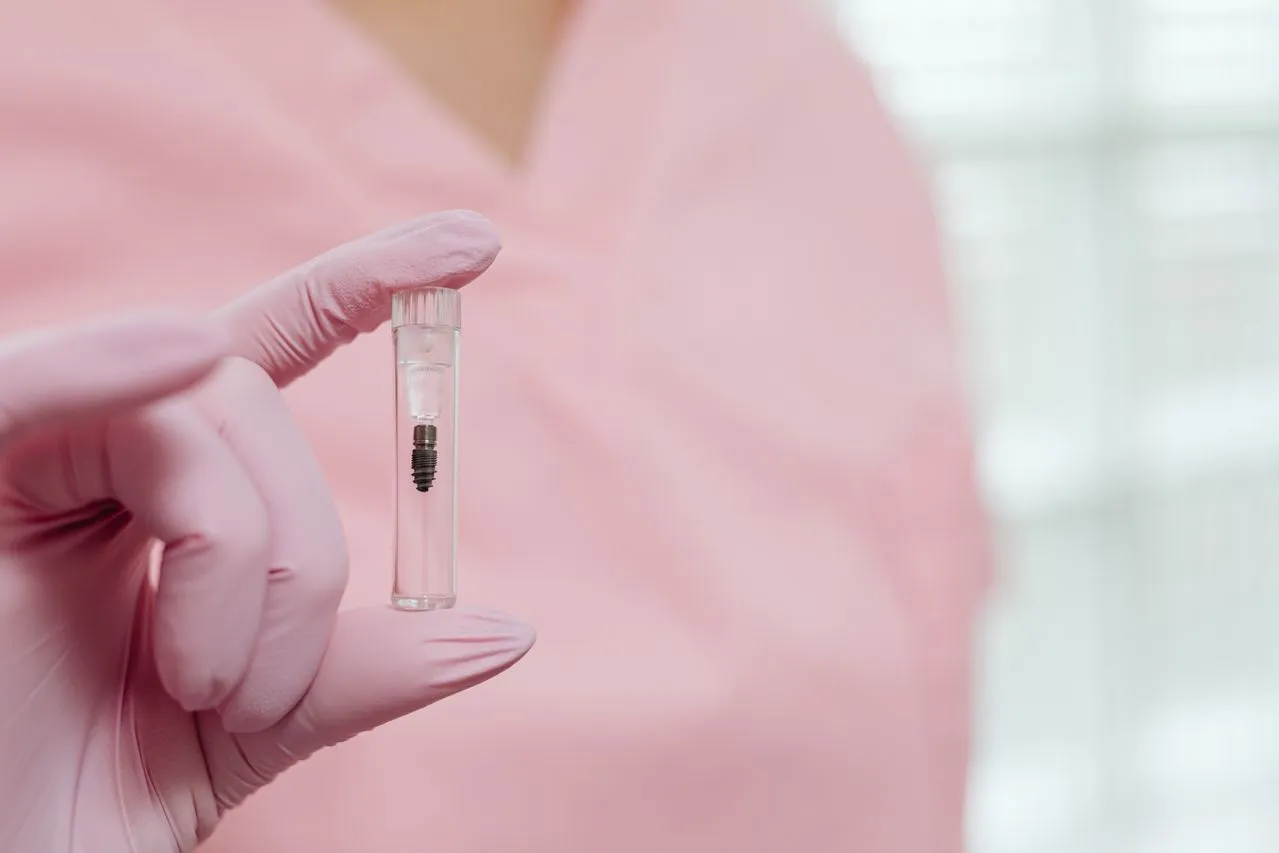
BlueWind Medical, Ltd., a pioneer in Implantable Tibial Neuromodulation (ITNM) technology and developer of the Revi® System for the treatment of urgency urinary incontinence (UUI), has announced that the U.S. Food and Drug Administration (FDA) has granted 510(k) clearance for its next-generation Revi® Extend Implant. The newly approved implant represents a significant advancement in the company’s neuromodulation platform by extending the implant’s operational lifespan to 15 years, offering patients longer-lasting therapy while reducing the need for future device replacement procedures.
The FDA clearance marks another milestone in BlueWind Medical’s ongoing efforts to improve treatment options for individuals living with urgency urinary incontinence, a chronic condition that affects millions of people worldwide. By combining enhanced implant durability with advanced remote software capabilities, the company aims to provide patients with long-term access to evolving therapeutic innovations while improving convenience and overall quality of care.
BlueWind Medical plans to begin a limited commercial launch of Revi® Extend in the United States during the fourth quarter of 2026, with broader availability expected to follow as commercialization progresses.
Urgency urinary incontinence is a common bladder disorder characterized by the sudden and uncontrollable need to urinate, often resulting in involuntary leakage before a person can reach a restroom. The condition can significantly affect daily activities, sleep, emotional well-being, social interactions, and overall quality of life.
Although behavioral therapies, pelvic floor exercises, medications, and surgical interventions are available, many patients continue to seek treatment options that provide sustained symptom relief while minimizing side effects and procedural complexity.
Implantable Tibial Neuromodulation has emerged as an innovative therapeutic approach that targets the neural pathways responsible for bladder control. Rather than directly treating the bladder itself, the therapy delivers gentle electrical stimulation to the tibial nerve, influencing the neural circuits that regulate urinary function.
BlueWind Medical has played a leading role in developing this treatment modality and has spent more than a decade advancing implantable neuromodulation technologies specifically designed for patients with urgency urinary incontinence.
The FDA’s 510(k) clearance for Revi® Extend confirms that the next-generation implant meets U.S. regulatory standards for safety and effectiveness based on substantial equivalence to legally marketed devices.
Receiving FDA clearance enables BlueWind Medical to introduce the upgraded implant into the U.S. market while expanding its portfolio of minimally invasive neuromodulation therapies.
The most notable advancement in the new implant is its extended functional lifespan of fifteen years, representing a substantial improvement over previous implant generations.
The longer implant life is expected to reduce long-term treatment burden by minimizing the likelihood that patients will require replacement procedures during therapy.
For individuals living with chronic bladder disorders, longer-lasting implants may improve treatment continuity while decreasing interruptions associated with device replacement.
Commenting on the regulatory milestone, Kerry Nelson, Chief Executive Officer of BlueWind Medical, emphasized that the new clearance reflects the company’s commitment to continuously improving patient care through innovation.
According to Nelson, extending implant durability while simultaneously expanding the capabilities of BlueWind’s remotely enabled software platform allows patients to benefit from future therapeutic enhancements over a fifteen-year treatment period.
The company’s development strategy focuses not only on improving implant longevity but also on ensuring that patients continue receiving access to software-based innovations as treatment technologies evolve.
This integrated approach combines hardware durability with digital flexibility, creating a platform designed to support long-term management of urgency urinary incontinence.
BlueWind Medical introduced Implantable Tibial Neuromodulation for urgency urinary incontinence in 2010, helping establish the therapy as an increasingly recognized treatment option supported by growing clinical evidence.
Over the years, the company has continued refining both the implant technology and therapeutic protocols while collecting long-term clinical data demonstrating the safety and effectiveness of the Revi System.
The newly cleared Revi® Extend Implant builds directly upon the clinical performance demonstrated by earlier generations of the Revi platform.
According to the company, the next-generation implant maintains the therapeutic benefits that have characterized previous versions while adding significantly greater durability and long-term patient convenience.
This evolutionary approach enables physicians already familiar with the Revi System to transition toward an implant that offers enhanced longevity without fundamentally changing the therapeutic concept.
Urgency urinary incontinence is generally considered a chronic condition that often requires ongoing management rather than short-term treatment.
Recognizing this reality, BlueWind designed Revi® Extend specifically to reduce the cumulative burden associated with long-term therapy.
By extending implant longevity to fifteen years, patients may experience fewer surgical interventions over the course of treatment, potentially reducing healthcare utilization, recovery time, and treatment interruptions.
The extended lifespan also aligns with broader trends in implantable medical devices, where manufacturers increasingly focus on improving durability while maintaining consistent therapeutic performance.
For healthcare providers, a longer-lasting implant may simplify long-term treatment planning while enhancing patient confidence in therapy continuity.
One of the distinguishing characteristics of the Revi System is its ability to provide personalized neuromodulation therapy.
Rather than delivering identical stimulation to every patient, the system is designed to adapt treatment according to each individual’s symptoms and therapeutic response.
Because urgency urinary incontinence symptoms often fluctuate over time, personalized programming allows physicians and patients to optimize therapy as clinical needs evolve.
This flexibility supports individualized care while maximizing the likelihood of sustained symptom improvement.
Personalized therapy also recognizes that bladder disorders vary considerably between patients, requiring treatment strategies that can accommodate changing physiological and lifestyle factors.
BlueWind Medical has designed the Revi System to provide patients with meaningful control over their own therapy.
The system allows individuals to actively manage treatment settings within physician-established parameters, enabling therapy to better align with daily routines and symptom patterns.
Giving patients greater involvement in managing chronic conditions may improve treatment adherence and overall satisfaction while promoting a stronger sense of engagement in long-term healthcare.
Patient-centered device design continues to play an increasingly important role in modern neuromodulation technologies, particularly for conditions requiring lifelong management.
Clinical evidence supporting the Revi System demonstrates durable improvements in urgency urinary incontinence symptoms over extended follow-up periods.
According to clinical data cited by BlueWind Medical, 79% of patients achieved at least a 50% reduction in urgency urinary incontinence episodes after three years of treatment.
Even more notably, 63% of patients experienced reductions of at least 75% in urinary incontinence episodes during the same three-year period.
These outcomes suggest that many patients experience meaningful and sustained improvements in bladder control following implantation.
Long-term symptom reduction represents an important consideration for both patients and physicians, particularly when selecting therapies intended to manage chronic disorders over many years.
In addition to measurable symptom improvement, patient satisfaction has emerged as another important indicator of therapeutic success.
BlueWind reports that 95% of patients remained satisfied with their therapy through three years of treatment, reflecting positive patient experiences with both the effectiveness and overall treatment process.
Patient satisfaction encompasses numerous factors beyond symptom reduction, including comfort, convenience, ease of use, treatment reliability, and confidence in long-term disease management.
High satisfaction rates may also contribute to continued therapy adherence, an essential factor in achieving sustained clinical outcomes.
Safety remains one of the most critical considerations for implantable medical devices.
According to long-term clinical findings presented by BlueWind Medical, no device-related or procedure-related serious adverse events were reported during the first three years following implantation.
This favorable safety profile supports the continued use of Implantable Tibial Neuromodulation as a minimally invasive treatment option for appropriately selected patients.
As implantable therapies become increasingly common across multiple medical specialties, demonstrating both long-term safety and effectiveness remains essential for physician confidence and patient acceptance.
The Revi System is designed to simplify the implantation process while minimizing procedural burden.
Unlike some neuromodulation therapies that require multiple procedures or extended testing periods, the Revi implant is placed during a single minimally invasive outpatient procedure performed under local anesthesia.
The implantation process does not require a preliminary trial phase, allowing patients to proceed directly to permanent therapy when clinically appropriate.
Eliminating the need for staged implantation may reduce overall treatment complexity while improving convenience for both patients and healthcare providers.
The minimally invasive nature of the procedure may also shorten recovery time compared with more extensive surgical interventions.
In addition to improvements in implant hardware, BlueWind Medical continues investing in remotely enabled software technologies designed to enhance long-term therapy management.
These digital capabilities allow the company to introduce future software improvements that may further optimize treatment performance throughout the implant’s extended fifteen-year lifespan.
The integration of implantable hardware with advanced software reflects an increasingly important trend in medical technology, where digital innovation complements physical devices to improve patient outcomes.
Remote software functionality also provides opportunities for continued therapy refinement without requiring replacement of the implanted device.
Since pioneering Implantable Tibial Neuromodulation more than fifteen years ago, BlueWind Medical has helped establish the therapy as an evidence-based treatment option supported by growing clinical experience and scientific validation.
The FDA clearance of Revi® Extend demonstrates the company’s continued investment in advancing neuromodulation technology while addressing the long-term needs of patients living with chronic bladder disorders.
As additional clinical experience is gained with the next-generation implant, BlueWind expects the extended-life platform to further strengthen the role of Implantable Tibial Neuromodulation within the broader treatment landscape for urgency urinary incontinence.
With FDA 510(k) clearance secured, BlueWind Medical is preparing for the initial U.S. introduction of Revi® Extend during the fourth quarter of 2026. The next-generation implant combines fifteen-year durability, personalized therapy, patient-controlled treatment, strong long-term clinical performance, an excellent safety profile, and minimally invasive implantation into a comprehensive neuromodulation solution for urgency urinary incontinence.
By extending implant longevity while continuing to enhance remote software capabilities, BlueWind Medical is positioning the Revi® platform to support patients over many years of therapy. As the company expands commercialization efforts, the newly cleared implant represents an important advancement in implantable neuromodulation technology and reinforces BlueWind’s commitment to improving the long-term management of urgency urinary incontinence through innovative, patient-centered solutions.
Source link: https://www.businesswire.com/