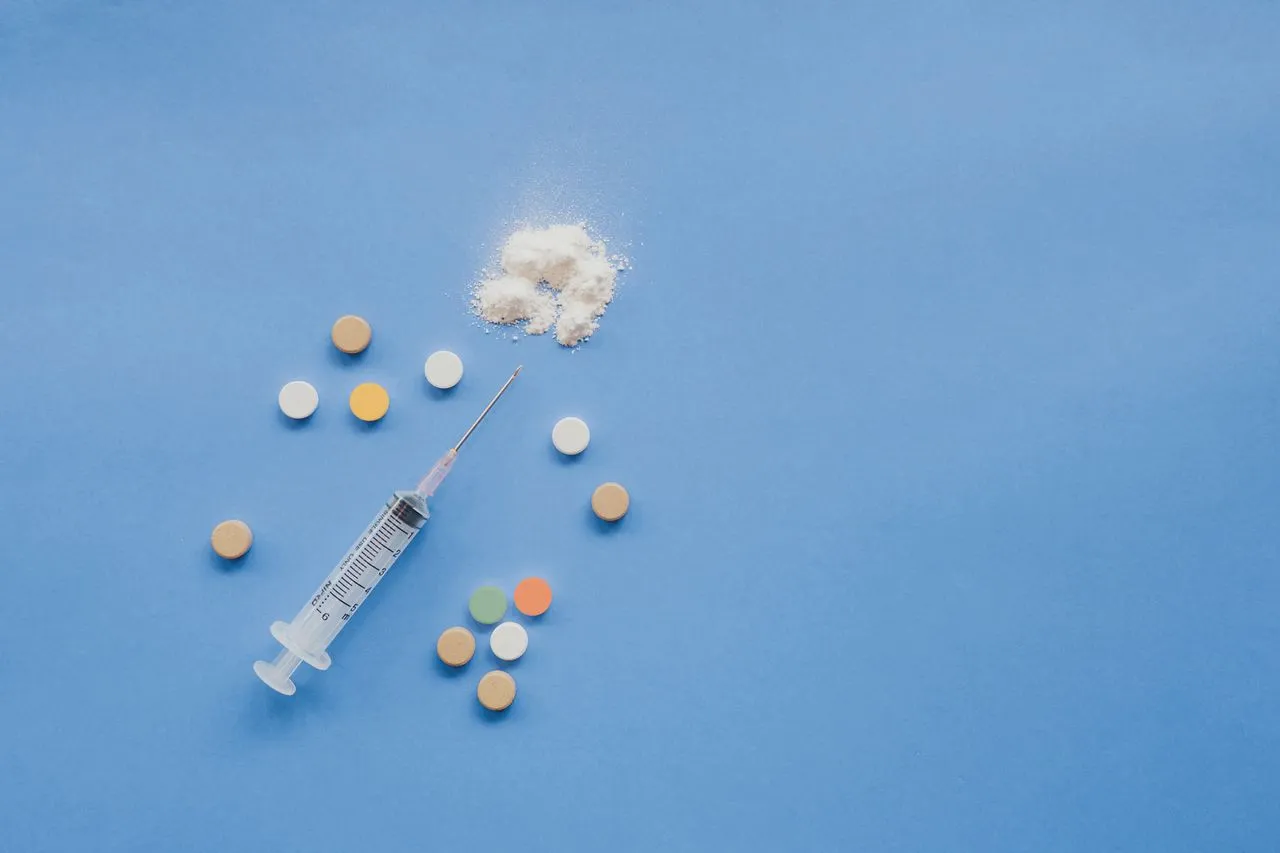
The drug overdose crisis in the United States is undergoing a significant transformation. While recent data indicate encouraging progress in reducing overdose mortality, the illicit drug supply continues to become more complex, unpredictable and difficult to detect. Counterfeit medications, polysubstance use and newly emerging synthetic opioids are creating new challenges for clinicians, emergency department professionals and laboratory teams responsible for identifying potentially dangerous substances.
These changing conditions are the focus of the latest episode of Science Bytes, the podcast produced by QuidelOrtho Corporation (Nasdaq: QDEL), a global leader in in vitro diagnostics. Episode 59 examines the changing overdose landscape and explores how healthcare professionals can adapt toxicology testing strategies to better support patient care.
The episode is based in part on new guidance from the Association for Diagnostics and Laboratory Medicine (ADLM). It examines the increasingly important role of laboratory testing in identifying substances that may contribute to overdose and in helping healthcare professionals interpret results in a clinical context.
Hosted by Josh Casey, the episode features Vonda McAllister, director of Global Product Management at QuidelOrtho. Together, they discuss recent developments in the overdose crisis and the implications for emergency departments and clinical laboratories.
The discussion highlights a complicated reality: although overdose deaths have declined, the threat posed by illicit drugs has not disappeared. Instead, the drug crisis is changing in ways that require continued vigilance, improved testing and stronger collaboration across the healthcare system.
One of the most positive developments discussed in the episode is the decline in U.S. overdose deaths for a third consecutive year in 2025.
The reduction suggests that public health initiatives, expanded access to treatment, harm-reduction strategies and other interventions may be having an impact. However, the continued presence of overdose deaths at a significant level means that the crisis remains a major public health challenge.
A decline in mortality does not necessarily mean that the risks associated with drug use are becoming simpler. In many ways, the opposite may be true.
The substances appearing in the illicit drug supply are becoming increasingly diverse. Individuals may be exposed to multiple drugs at the same time, sometimes without knowing exactly what they have taken. Counterfeit medications may contain unexpected substances, while new synthetic opioids may not be identified through standard testing approaches.
These factors can make diagnosis and treatment more difficult.
For clinicians working in emergency departments, understanding what substances a patient may have been exposed to can be important when evaluating symptoms and determining the appropriate course of care.
Laboratory professionals also play a critical role by helping healthcare teams select appropriate toxicology testing strategies and interpret test results accurately.
Counterfeit medications remain one of the major concerns in the evolving drug crisis.
Illicit manufacturers can produce pills designed to look like legitimate prescription medications. These counterfeit products may contain unexpected ingredients, including powerful synthetic opioids.
Millions of fentanyl-laced counterfeit pills are seized each year, highlighting the scale of the threat.
The danger is not limited to people who intentionally seek fentanyl. Individuals may believe they are taking a different medication but unknowingly consume a counterfeit product containing fentanyl or another potent substance.
This creates significant challenges for healthcare professionals. When a patient arrives in an emergency department with symptoms of overdose, clinicians may not always know which substances were involved.
A patient’s account of what they believed they had taken may not accurately reflect the actual contents of a counterfeit pill.
As a result, toxicology testing can provide important information to help clinicians understand potential exposures.
However, testing must be interpreted carefully. A negative result does not always mean that a patient has not been exposed to a particular substance, particularly when the substance is not included in the testing panel or is present at levels below the test’s detection threshold.
Another major issue discussed in the episode is the increasing prevalence of polysubstance use.
Polysubstance use occurs when an individual uses more than one substance, either intentionally or unknowingly. The combination may include opioids, stimulants, sedatives or other drugs.
The presence of multiple substances can create complex clinical presentations.
Patients may experience symptoms that are difficult to attribute to a single substance. The combination of drugs may also affect how a patient responds to treatment.
For emergency department teams, identifying potential substances involved can help support clinical decision-making.
Laboratory testing can contribute to this process by providing information about drug exposure. However, toxicology results must be interpreted alongside the patient’s symptoms, medical history and other clinical information.
The growing prevalence of polysubstance use also creates challenges for traditional testing strategies. A limited testing panel may not detect all substances involved in an overdose.
This is one reason why collaboration between laboratories and emergency departments is becoming increasingly important.
The episode also explores emerging synthetic opioids known as nitazenes.
These substances have attracted attention because of their potency and the challenges associated with detecting them through routine toxicology screening.
Nitazenes are part of a broader category of synthetic opioids that may pose significant risks because of their pharmacological effects and presence in illicit drug markets.
The emergence of new substances illustrates how quickly the drug landscape can change.
A testing strategy that is effective for commonly encountered substances may not be sufficient when new compounds begin appearing in the illicit supply.
This creates a challenge for laboratories, which must consider how to adapt testing strategies as new substances emerge.
Clinicians also need to be aware of the limitations of available testing. If a substance is not included in a standard screening panel, a negative result may not rule out exposure.
The issue highlights the importance of communication between laboratory professionals and healthcare providers.
New guidance from the Association for Diagnostics and Laboratory Medicine provides an important framework for addressing the changing toxicology environment.
The guidance emphasizes collaboration between laboratories and emergency departments.
This collaboration can help ensure that testing strategies are aligned with clinical needs.
Emergency department professionals can provide information about the symptoms and circumstances surrounding a patient’s presentation. Laboratory professionals can provide expertise regarding available testing methods, the capabilities of specific assays and the interpretation of results.
Together, these teams can make more informed decisions about which tests may be appropriate.
The evolving nature of the drug supply means that no single testing strategy can identify every possible substance in every situation.
Instead, testing must be selected based on the clinical context, local patterns of drug use and available information about emerging substances.
Laboratories are central to the modern response to drug overdoses.
Toxicology testing can help detect exposure to drugs and provide information that supports clinical care. However, laboratory results are most useful when healthcare professionals understand what the tests can and cannot identify.
Different testing methods have different capabilities.
Some tests are designed to detect specific substances or classes of drugs, while others may be designed for broader screening. Confirmatory testing may be used in certain situations to provide additional information.
The interpretation of results can also be complicated by factors such as the timing of drug exposure, metabolism and the sensitivity of the testing method.
For these reasons, laboratories can serve as important partners to clinicians.
Laboratory professionals can help explain the meaning of test results and advise on appropriate testing options when the clinical situation is unclear.
The title of the podcast episode, “Beyond Fentanyl,” reflects the broader evolution of the drug crisis.
Fentanyl remains a major concern, particularly because of its presence in counterfeit medications and illicit drug supplies. However, the public health response must now account for a much broader range of substances.
New synthetic opioids, changing drug combinations and unexpected contaminants can all contribute to overdose risk.
Focusing on a single substance may not provide a complete understanding of the current environment.
Healthcare professionals must therefore remain aware of emerging trends and recognize that the substances involved in an overdose may not always be known at the time of patient presentation.
This requires flexible testing strategies and ongoing education.
As the drug supply changes, healthcare professionals need access to updated information.
Clinicians and laboratory professionals must remain aware of emerging substances, testing limitations and changing patterns of drug use.
Educational resources such as the Science Bytes podcast can contribute to this effort by bringing experts together to discuss developments in laboratory medicine and public health.
The episode featuring Vonda McAllister provides an opportunity to examine how diagnostic professionals can respond to the changing overdose landscape.
Continued education is particularly important because new substances can emerge quickly.
A drug that is not commonly encountered today may become a significant concern in the future.
One of the central themes of the discussion is the importance of collaboration.
The overdose crisis affects multiple parts of the healthcare system. Emergency departments treat patients experiencing acute intoxication or overdose. Laboratories conduct testing and help interpret results. Public health organizations monitor broader trends, while researchers and policymakers work to understand emerging threats.
Better communication among these groups can improve the response to changing drug patterns.
Laboratories can provide information about substances identified through testing. Emergency departments can share clinical observations and patterns of patient presentation.
This exchange of information can help healthcare systems respond more effectively to emerging threats.
The decline in overdose mortality for a third consecutive year provides an important reason for optimism. It suggests that efforts to address the opioid crisis and improve overdose prevention may be producing meaningful results.
However, the changing nature of the drug supply means that the work is far from complete.
Counterfeit medications, polysubstance use and emerging synthetic opioids continue to create new challenges for healthcare professionals.
The evolution of the crisis reinforces the importance of flexible diagnostic strategies and continued collaboration between laboratories and emergency departments.
Toxicology testing will remain an important component of patient care, particularly as clinicians encounter increasingly complex cases.
Laboratories will continue to play a critical role in helping healthcare teams understand which substances may be present and how test results should be interpreted.
The latest Science Bytes episode highlights the need to look beyond a single drug or category of drugs when assessing the overdose crisis.
The public health challenge is becoming broader and more complex, requiring ongoing education, improved communication and the ability to adapt to emerging substances.
As the illicit drug supply continues to change, healthcare professionals will need to remain prepared for new risks. The combination of laboratory expertise, clinical awareness and public health collaboration can help support more effective responses.
Ultimately, the evolving overdose landscape demonstrates that progress against one aspect of the crisis does not eliminate the need for continued vigilance. While declining mortality rates offer encouraging evidence of progress, the emergence of new synthetic opioids and the growing complexity of polysubstance exposure mean that healthcare systems must continue adapting.
By strengthening the connection between laboratories and emergency departments, improving toxicology testing strategies and maintaining awareness of emerging threats, the healthcare community can better support patients affected by the changing drug crisis.
Source link: https://www.quidelortho.com/