
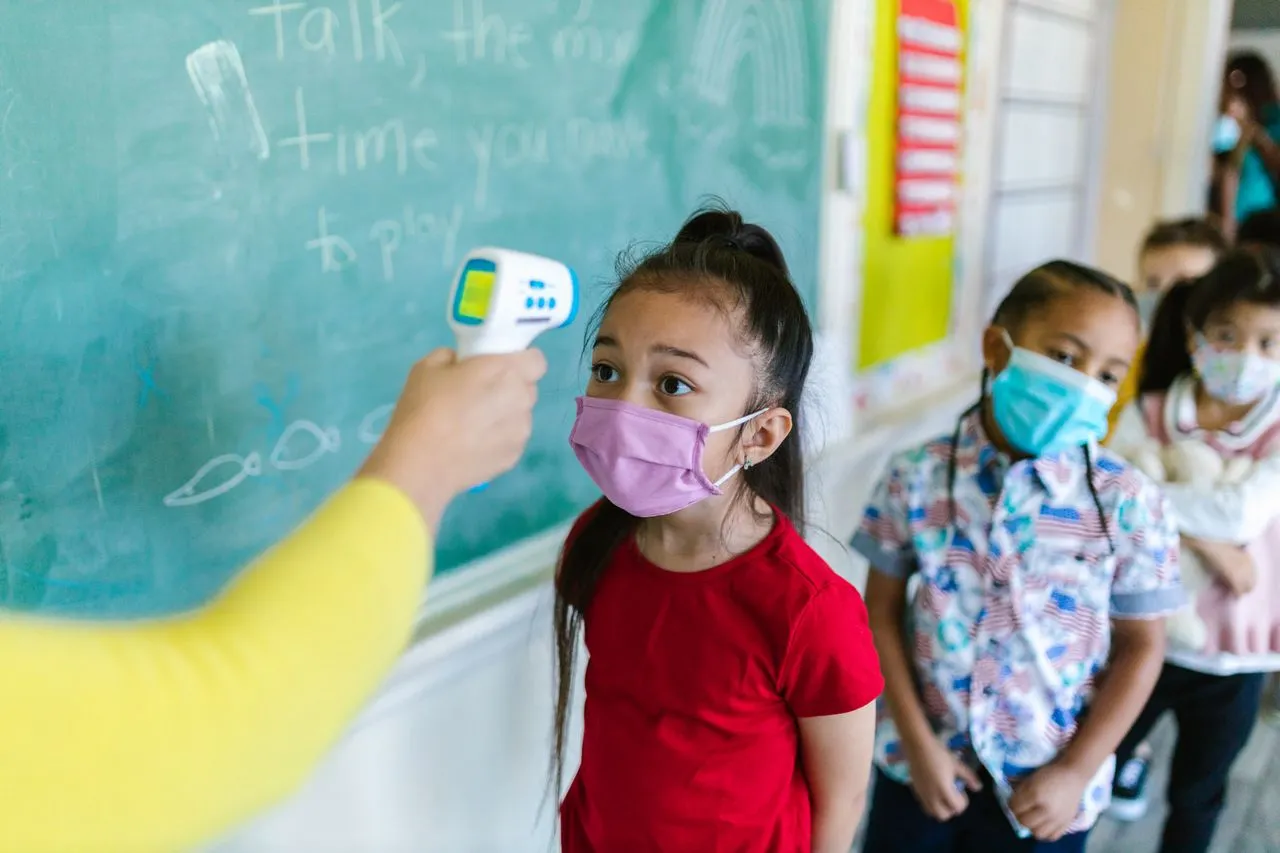
As summer comes to an end, families across the country are preparing for the return of school. New classrooms, teachers, schedules, activities and academic expectations are just around the corner. While shopping for school supplies and organizing transportation often top the back-to-school checklist, parents should also make time to review their children’s health needs before the first day arrives.
A little preparation can help families enter the school year with fewer last-minute concerns. Scheduling physical examinations, reviewing vaccination records, preparing medications, reinforcing healthy habits and knowing where to turn when illnesses arise can all help children begin the school year ready to learn.
Healthcare providers at MinuteClinic, part of CVS Health, encourage parents to address routine healthcare needs early rather than waiting until school is about to begin.
“Back-to-school season can feel overwhelming for families, especially when health requirements and school deadlines start piling up,” said David Fairchild, MD, Chief Medical Officer, Retail Health, CVS Health. “Getting a head start on physicals, immunizations and medication needs can help reduce stress and ensure students are healthy, confident and ready to learn on day one.”
One of the most important steps parents can take before school begins is reviewing the health requirements established by their child’s school, district or state.
Requirements can differ depending on a student’s age, grade level and location. Some schools may require documentation of specific vaccinations, while participation in sports and other extracurricular activities may require a physical examination.
Waiting until the final weeks of summer can make it more difficult to find convenient appointments, particularly when many families are trying to complete the same requirements at the same time.
Parents can begin by contacting their child’s school or checking its website for information about required forms, immunizations, physical examinations and submission deadlines. Once requirements are identified, families can gather the necessary documents and schedule appointments well in advance.
Physical examinations are an important part of preparing children for a new school year. They can provide an opportunity for healthcare professionals to review a child’s overall health and identify concerns that may need additional attention.
Sports physicals can be especially important for children participating in school athletics, recreational leagues or other physical activities. Depending on local requirements, students may need documentation confirming that they are able to participate.
MinuteClinic provides school, camp and sports physicals, giving families an option for addressing these requirements before classes and extracurricular activities begin.
Parents should bring relevant medical information and any paperwork supplied by the school or sports organization. Having the correct documents available during the appointment can help ensure forms are completed accurately and reduce the possibility of needing another visit.
“Liz Morgan, FNP-C, Regional Quality Lead, MinuteClinic, recommends that families bring all required paperwork to their appointment. “Having the right forms on hand can often prevent the need for a second visit.”
Vaccinations are another important component of back-to-school preparation. Immunization requirements can vary by state, school district and grade level, so parents should check which vaccines their children need before the school year begins.Families can review their child’s immunization records with their healthcare provider and determine whether any recommended or required vaccinations are due.
MinuteClinic provides routine childhood immunizations for children 18 months and older. Addressing vaccinations early can help parents avoid the rush that often occurs immediately before the beginning of the academic year.Parents should also make sure they understand how vaccination records need to be submitted to the school. Some schools may require official documentation or specific forms.
Keeping a current copy of a child’s health and immunization records at home can also be helpful, particularly when families change schools, participate in camps or enroll children in sports programs.
Returning to school also means that children will once again spend extended periods in classrooms, cafeterias, buses, playgrounds and other shared environments. Close contact can contribute to the spread of common illnesses.During the early weeks of the school year, families may encounter illnesses such as common colds, strep throat and pink eye, also known as conjunctivitis.
As the school year continues and seasonal respiratory illnesses become more prevalent, families may also need to watch for influenza and COVID-19.Parents should familiarize themselves with common symptoms and understand when their child may need medical attention. A sore throat, persistent fever, worsening cough, unusual fatigue, eye irritation or other concerning symptoms may warrant an evaluation by a healthcare professional.
It is also important to follow school policies regarding when a child should remain at home because of illness. Keeping sick children home when appropriate can give them time to recover while reducing the possibility of spreading an infection to classmates and teachers.
Parents should also remain aware of outbreaks of vaccine-preventable diseases, including measles, that may occur in communities.Measles is highly contagious, making vaccination an important tool for reducing transmission. Families can speak with their healthcare provider about whether their children are current on recommended immunizations.
Rather than waiting until an outbreak occurs or a school deadline approaches, parents can review immunization records as part of their regular back-to-school preparations.Staying informed about public health guidance and school communications can also help families respond appropriately when local health concerns arise.
Children spend much of their school day around other students, making everyday hygiene particularly important.Parents can reinforce simple habits that can help limit the spread of germs. One of the most effective is frequent handwashing with soap and water.Children should be encouraged to wash their hands for at least 20 seconds, particularly before eating and after using the restroom, coughing, sneezing or playing outdoors.
When soap and water are not available, an appropriate hand sanitizer can provide an alternative in many situations.Parents should also remind children to cover coughs and sneezes with a tissue or their elbow rather than their hands. Used tissues should be thrown away promptly, followed by handwashing or hand sanitizing.Other simple habits can include avoiding the sharing of water bottles, utensils and personal items. Reusable lunch containers and water bottles should also be cleaned regularly.
These practices may seem basic, but reinforcing them consistently can help children develop healthy routines that extend beyond the classroom.
Summer often brings later bedtimes and less structured schedules. Returning immediately to a school-day routine can be difficult for some children.
Parents can make the transition easier by gradually adjusting bedtime and wake-up times before school begins. Starting the transition one or two weeks ahead of the first day can give children time to adapt.
Adequate sleep is an important part of children’s overall health and can influence concentration, mood, behavior and their ability to participate fully in school activities.
A consistent nighttime routine can also help children settle into the academic year. Parents may consider establishing regular times for getting ready for bed, reducing stimulating activities before bedtime and maintaining a predictable sleep environment.
Children who take medications regularly or manage ongoing health conditions may need additional preparation before returning to school.Parents should review medication supplies and make sure prescriptions are current. They should also determine what documentation the school requires if medication needs to be administered during school hours.
For children with conditions that may require immediate attention, parents should communicate with the appropriate school staff and make sure necessary action plans are up to date.This may be particularly important for students who require medication or accommodations during the school day.Preparing these details before classes start can help parents, students and school staff understand what needs to happen if a health concern arises.
Back-to-school preparation isn’t limited to physical health. Returning to school can bring excitement, but it can also create anxiety or stress for some children.New teachers, academic expectations, social situations and changes in daily routines can all affect how students feel about returning to the classroom.
Parents can support children by talking openly about the upcoming school year and encouraging them to share concerns. Establishing predictable routines before school starts can also provide a sense of stability.For children who experience significant or persistent emotional difficulties, parents should consider discussing their concerns with a qualified healthcare professional.
Creating an environment where children feel comfortable talking about their experiences can help parents identify potential challenges early.
A simple checklist can make healthcare preparation easier for busy families. Parents can consider completing the following steps before school starts:
Taking care of these items early can reduce stress during the final days of summer and allow families to focus on getting children ready academically and emotionally.
For parents balancing work, school preparation and family responsibilities, convenient access to healthcare can make back-to-school planning easier.MinuteClinic offers services that can support families during the transition into a new school year, including physical examinations, vaccinations, illness evaluation and treatment, and support for certain ongoing health needs.
Appointments can be scheduled in advance, while walk-in availability is offered at many locations. MinuteClinic also accepts many insurance plans, with same-day appointments available at many locations.For families who cannot easily visit a clinic, virtual care provides another option. MinuteClinic offers 24/7 virtual care, allowing eligible patients to connect with healthcare providers remotely. Virtual visits may be covered by eligible insurance plans, while a cash-pay option is also available.
Preparing children for school involves much more than buying notebooks, backpacks and new clothes. Making sure their healthcare needs are addressed can provide families with greater peace of mind as the academic year begins.
By scheduling physicals early, reviewing immunization records, preparing medications, reinforcing hygiene and sleep habits, and paying attention to both physical and emotional well-being, parents can help children make a healthier transition from summer to school.
The goal is not to eliminate every health challenge that might arise during the school year. Instead, early preparation gives families a stronger foundation for responding when those challenges occur.
With a thoughtful back-to-school health checklist and support from healthcare providers when needed, families can approach the new school year feeling more organized and prepared—and help children start day one ready to learn, participate and thrive.
Source link: https://www.cvshealth.com/