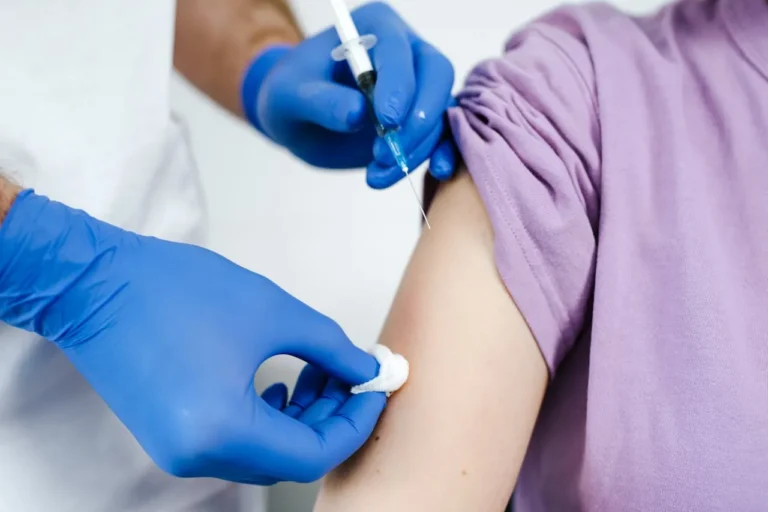


Acuitas Therapeutics Showcases Next-Generation LNP Breakthroughs at the 2025 International mRNA Health Conference
Acuitas Therapeutics, a global leader in lipid nanoparticle (LNP) delivery technologies, unveiled its Next-Generation LNP advancements at the 13th International mRNA Health Conference in Berlin. The company presented a suite of innovative LNP technologies designed to enhance potency and safety, expand delivery beyond the liver, and enable broader therapeutic applications for mRNA-based medicines. Additional presentations highlighted progress in cancer vaccines and new LNP formulations that demonstrate improved performance across various preclinical models.
Our commercial validation marks both a major milestone and a catalyst for continued innovation,” said Dr. Thomas Madden, CEO of Acuitas Therapeutics. “Our current research aims to expand the therapeutic reach of our platform and improve its inherent potency and safety, while ensuring that preclinical data is more translatable to clinical outcomes.”
Next-Generation LNP Platform for mRNA Therapeutics
At the conference, Acuitas’ Chief Scientific Officer, Dr. Ying Tam, detailed the company’s latest LNP advancements in an oral presentation titled “Next-Generation Lipid Nanoparticles for Clinical Development of mRNA-based Therapeutics.” The presentation outlined strategies to advance LNP performance across potency, safety, extrahepatic delivery, and scalable manufacturing.
Key highlights included:
- High-potency LNP candidates delivering up to a fourfold increase in activity in gene-editing and vaccine applications.
- Optimized lipid structures that significantly reduce liver exposure while maintaining therapeutic activity, improving overall tolerability.
- DARPin-conjugated LNPs enabling highly targeted delivery to immune cells (T-lymphocytes), with extended circulation and improved expression.
- Mucus-penetrant LNP formulations achieving effective extrahepatic delivery to airway epithelial cells in cystic fibrosis models, supporting robust gene-editing outcomes.
- Pre-formed vesicle (PFV) manufacturing, an alternative approach offering comparable potency to standard methods while improving cost efficiency, storage stability, and supporting personalized therapy production.
Additional Poster Presentations
Acuitas also presented three posters exploring the mechanics of LNP delivery, expanded therapeutic applications of its clinically validated ALC-315™ lipid, and new lipid designs with improved activity.
ALC-315™ in Cancer Vaccine Development
The company evaluated its clinically approved ionizable lipid ALC-315™—used in the Pfizer-BioNTech COVID-19 vaccine—for its potential in cancer vaccines. Key findings included:
- Unmodified RNA delivered via ALC-315™ LNPs elicited stronger CD8 T-cell responses than nucleoside-modified mRNA in a tumor antigen model, even at one-tenth the dose.
- Intramuscular LNP delivery induced equal or superior immune responses compared to IV-administered mRNA lipoplexes, despite the latter requiring four times the dose and additional boosts.
- Several new proprietary lipids matched ALC-315™ in potency and will undergo further testing in neoantigen models.
Novel Lipids for Prophylactic Vaccine Development
Acuitas introduced six next-generation lipid candidates that demonstrated superior immunogenicity and efficiency compared to ALC-315™.
Key results included:
- Equivalent neutralizing antibody titers at one-fifth the dose required for ALC-315™.
- Stronger B-cell and cellular immune responses with reactogenicity comparable to ALC-315™.
- Higher expression in secondary lymphoid organs and reduced expression in the liver.
- Innate immune activation correlated with reactogenicity, but not with adaptive responses.
Impact of Body Weight and Medications on mRNA-LNP Safety in Monkeys
Acuitas also presented findings on how physiological and treatment variables affect LNP tolerability in nonhuman primates.
Key observations:
- LNP tolerability decreases in larger monkeys (>6 kg).
- Premedications (steroid, H1 and H2 blockers) reduced liver enzyme elevations and improved tolerability.
- However, premedications also lowered IgG mRNA expression levels.
- Meloxicam-treated animals and larger monkeys experienced greater platelet decreases.
About Acuitas Therapeutics
Acuitas Therapeutics, Inc. is a Vancouver-based company focused on developing and optimizing lipid nanoparticle (LNP) delivery systems for nucleic acid-based therapeutics. They collaborate with pharmaceutical and biotech companies, academic researchers, and global health organizations to advance a broad range of medicines for a variety of diseases.
Acuitas’ clinically validated LNP technology has had a profound global impact — most notably enabling the Pfizer-BioNTech COVID-19 vaccine, COMIRNATY®, which has protected billions of people in more than 180 countries. Our technology also enables ONPATTRO® by Alnylam Pharmaceuticals, the first FDA-approved RNAi therapeutic for treating the rare and fatal disease transthyretin amyloidosis. More recently, Acuitas’ LNP technology has delivered other groundbreaking firsts: the first in-human proof of concept for genome base editing and the first personalized CRISPR therapy.
Today, they are advancing next-generation LNP to support a variety of therapeutic modalities. This includes targeted LNP for extrahepatic and in vivo CAR T-cell therapies, epigenetic medicines to modulate gene expression without altering DNA, multivalent vaccines for infectious diseases — such as malaria, HIV/AIDS, and tuberculosis — as well as oncology vaccines, including personalized cancer vaccines.
source link: https://www.businesswire.com