

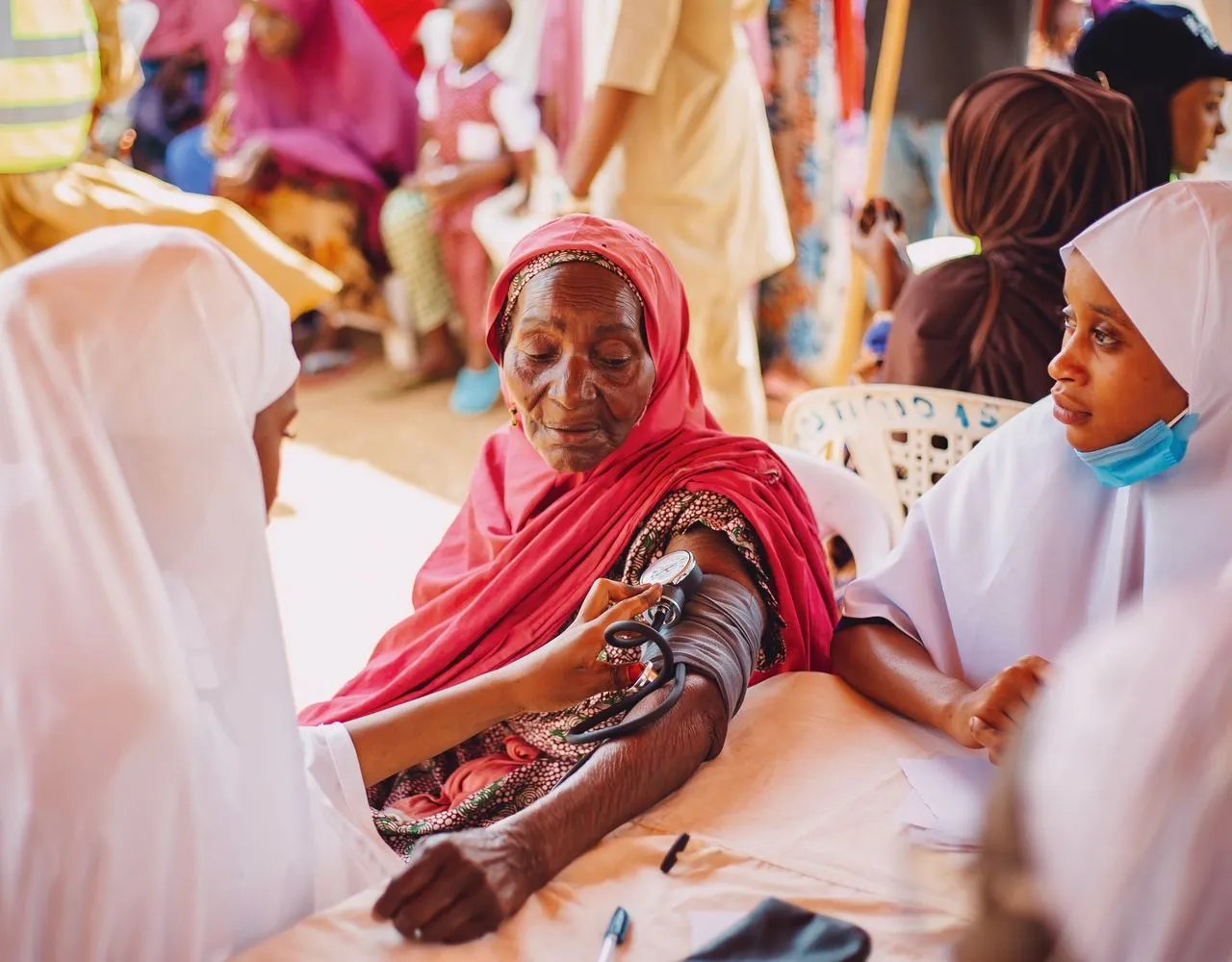
AHF Policy Brief Calls for Stronger African Health Sovereignty Through Regional Medical Manufacturing
The AIDS Healthcare Foundation (AHF) Global Public Health Institute, the University of Miami Public Health Policy Lab, and the United Nations University Institute on Comparative Regional Integration Studies (UNU-CRIS) have launched a new policy brief outlining steps to strengthen health sovereignty across Africa. The initiative comes at a time when international health funding is declining and many African countries continue to depend heavily on foreign suppliers for essential medical products, including vaccines, diagnostics, and treatments.
The policy brief was launched on November 25 during the second African Health Leader Dialogue, held alongside the Fifth International Conference on Public Health in Africa (CPHIA) in Addis Ababa, Ethiopia. The document focuses on the need for African countries to take greater responsibility for financing, producing, and managing their healthcare resources. It also highlights the importance of regional cooperation in building stronger health systems that can respond more effectively to public health challenges.
Policy Brief Focuses on Moving from Commitments to Action
Titled Operationalising Health Sovereignty in Africa: From Political Commitments to Regional Manufacturing of Medical Products, the policy brief was published by UNU-CRIS. It examines how African governments can move beyond political commitments and establish practical systems that support locally driven healthcare development.
The report calls for greater African control over health financing, medical manufacturing, and global health decision-making. It emphasizes that improving health sovereignty requires more than increasing domestic production. Countries must also strengthen institutions, develop regional markets, invest in scientific capabilities, and establish partnerships that reflect their own public health priorities.
The brief provides six recommendations designed to help governments and regional institutions translate existing commitments into measurable action. These recommendations cover institutional development, sustainable financing, manufacturing, diagnostics, research capabilities, and international negotiations.
Strengthening African Health Institutions
One of the key recommendations is to provide stronger support to African health institutions. The policy brief highlights the importance of giving these institutions clear responsibilities, reliable funding, and effective public accountability mechanisms.
Strong institutions are essential for coordinating healthcare policies, managing resources, and ensuring that regional health initiatives deliver meaningful results. Without clearly defined mandates and sustained financial support, institutions may struggle to implement long-term healthcare strategies.
The recommendation also emphasizes the need for accountability in the management of health programs and investments. Strengthening institutional capacity can help African countries improve coordination between governments, regional organizations, and healthcare stakeholders while supporting more independent decision-making.
Building Sustainable Regional Markets for Medical Products
The second recommendation focuses on creating sustainable regional markets that support African medical manufacturing. Increasing local production alone will not guarantee the long-term success of the continent’s healthcare manufacturing sector. Manufacturers also need reliable buyers, predictable payments, and access to markets across multiple countries.
The policy brief recommends connecting pooled procurement systems with reliable payment arrangements, regulatory cooperation, and regional trade. These measures could help create stronger demand for medical products manufactured within Africa while improving access to essential healthcare supplies.
Regional markets can also provide manufacturers with opportunities to expand production and reach more healthcare systems. Greater coordination among African countries could reduce fragmentation in procurement and regulatory processes, making it easier for locally manufactured medical products to reach patients across the continent.
Financing African-Defined Healthcare Priorities
The third recommendation calls for predictable domestic and regional financing to support healthcare services, emergency preparedness, and medical manufacturing. The policy brief argues that African countries need greater control over how healthcare priorities are identified and funded.
Dependence on external financial assistance can create challenges when international funding priorities change or financial support is reduced. Recent declines in international health funding have highlighted the importance of establishing more sustainable financing arrangements that can protect essential healthcare services.
The brief therefore encourages African governments and regional institutions to make consistent financial commitments to their healthcare systems. Such investments should support not only routine healthcare delivery but also the infrastructure and manufacturing capabilities required to respond to future health emergencies.
Improving Diagnostic Production and Data Sovereignty
Another important recommendation is to strengthen diagnostic manufacturing and laboratory networks while protecting African control over public health data. Diagnostics play an essential role in identifying diseases, monitoring outbreaks, and supporting timely treatment decisions.
Many African countries continue to rely on external suppliers for diagnostic products and technologies. Strengthening local production capabilities could help improve the availability of essential testing supplies and reduce dependence on international supply chains.
The policy brief also highlights data sovereignty as an important part of healthcare independence. African countries need the capacity to manage and protect their own surveillance data while strengthening laboratory networks and public health information systems. Better control over diagnostic resources and health information can support more effective disease monitoring and public health planning.
Retaining African Scientific and Research Capabilities
The fifth recommendation focuses on retaining scientific expertise and strengthening African-led research. Developing sustainable healthcare manufacturing capabilities requires skilled researchers, scientists, technical professionals, and institutions capable of supporting innovation.
The policy brief calls for greater investment in African-led research and the development of sustainable scientific career pathways. Retaining skilled professionals within the continent is important for building long-term research capacity and reducing dependence on external scientific expertise.
It also recommends negotiating rights that allow African countries to manufacture health technologies locally. Access to relevant manufacturing rights can help support technology development and expand the ability of African institutions and manufacturers to produce essential medical products. These measures could contribute to a stronger scientific ecosystem that supports both healthcare innovation and regional manufacturing.
Collective Negotiations for Fair International Partnerships
The sixth recommendation highlights the importance of collective negotiations with international partners. The brief encourages African countries to coordinate their positions when engaging with external governments, organizations, and other global health stakeholders.
By negotiating collectively, African countries can strengthen their bargaining power and seek partnerships that reflect regional healthcare priorities. The policy brief recommends aligning external financial and technical support with African-defined objectives while establishing enforceable benefit-sharing arrangements.
It also emphasizes equitable access to medical products as an important outcome of international cooperation. Partnerships should support African healthcare systems and manufacturing capabilities rather than create long-term dependence on external suppliers. Stronger regional coordination could help countries negotiate more effectively and secure arrangements that deliver benefits across the continent.
COVID-19 and Funding Cuts Highlight Healthcare Vulnerabilities
The COVID-19 pandemic exposed significant weaknesses in global medical supply chains and demonstrated the risks associated with relying heavily on external suppliers during public health emergencies. African countries faced challenges in accessing essential medical products, highlighting the importance of developing stronger local and regional manufacturing capabilities.
More recent reductions in international health funding have further reinforced these concerns. Disruptions to HIV services in 2025 are among the developments cited in the policy brief as evidence of the need for more sustainable and African-led healthcare systems.
The brief also points to the continued gap between African governments’ financial commitments and actual healthcare spending. Under the Abuja Declaration, African governments committed to allocating at least 15% of their national budgets to healthcare. However, many countries continue to fall short of this commitment.
Addressing this funding gap will require consistent government investment and stronger regional financial cooperation. Sustainable financing is particularly important for supporting healthcare services, strengthening emergency preparedness, and developing manufacturing infrastructure that can meet the continent’s medical needs.
African Vaccine Manufacturing Target Requires Long-Term Investment
The policy brief also connects health sovereignty with the African Union’s ambition to locally produce 60% of the vaccines used on the continent by 2040. Achieving this target will require sustained investment, stronger manufacturing capabilities, and cooperation between African countries.
Developing vaccine manufacturing capacity involves more than establishing production facilities. Countries also need skilled professionals, research infrastructure, regulatory cooperation, reliable financing, and regional markets capable of supporting long-term production.
The policy brief highlights regional cooperation as an important factor in achieving these objectives. By coordinating investments and strengthening regional supply chains, African countries can work toward a more sustainable medical manufacturing ecosystem.
WHO Pandemic Agreement Presents an Opportunity
Another important issue discussed in the policy brief is the ongoing negotiation of the Pathogen Access and Benefit-Sharing (PABS) annex under the World Health Organization’s Pandemic Agreement.
The negotiations provide an opportunity for African countries to collectively advocate for fair access to vaccines, diagnostics, therapeutics, and other essential medical products during public health emergencies.
The brief highlights the importance of ensuring that countries contributing pathogen samples and related information can also benefit from the medical products developed using those resources. Collective engagement in the negotiations could help African countries strengthen their position in discussions about equitable access and benefit-sharing.
The outcome of these discussions could have important implications for how medical products are developed, distributed, and accessed during future pandemics. The policy brief therefore encourages African countries to coordinate their positions and use regional bargaining power to advance their interests.
BRIDGE Study Provided the Foundation for the Policy Brief
The policy brief emerged from discussions among African health leaders held in Accra, Ghana, in December 2025. These discussions took place as part of the AHF-funded Building Regional Integration for Distributed Governance of Epidemics (BRIDGE) Study.
The BRIDGE Study, led through the University of Miami Public Health Policy Lab, examines how regional cooperation can strengthen the prevention, preparedness, and response to outbreaks, epidemics, and pandemics.
The discussions among African health leaders helped shape the policy brief’s focus on regional integration, distributed governance, and greater African leadership in public health. The initiative reflects the importance of bringing together health institutions, policymakers, and regional stakeholders to address shared healthcare challenges.
Moving Toward a More Independent African Health System
The new policy brief from AHF Global Public Health Institute, the University of Miami Public Health Policy Lab, and UNU-CRIS presents a roadmap for strengthening African health sovereignty. Its six recommendations address the major areas required to build more independent and resilient healthcare systems, including institutional capacity, sustainable financing, regional manufacturing, diagnostic production, scientific research, and international partnerships.
The report emphasizes that achieving health sovereignty will require coordinated action rather than isolated national initiatives. Stronger regional markets, predictable healthcare investments, and collective negotiations can help African countries improve access to essential medical products and reduce dependence on foreign supply chains.
With declining international health funding and ongoing challenges in medical manufacturing, the policy brief highlights the importance of turning existing political commitments into practical outcomes. Its recommendations provide a framework for African governments and regional institutions to strengthen healthcare independence while improving preparedness for future public health emergencies.
Source link: https://www.businesswire.com/