DaVita has announced a significant advancement in kidney care with the nationwide expansion of Expanded Hemodialysis (Expanded HD), making the therapy available at every DaVita dialysis center across the United States. The expansion represents an important development in the company’s efforts to improve treatment options for people living with kidney failure and provide access to advanced dialysis technologies regardless of where patients receive care.
Expanded HD is designed to remove a broader range of waste products from the blood compared with conventional high-flux hemodialysis. In particular, the therapy targets larger toxins known as middle molecules, which can remain in the bloodstream even after standard dialysis treatment. These substances have been associated with inflammation, cardiovascular complications and various symptoms that can negatively affect the daily lives of people undergoing dialysis.
By expanding access to this treatment across its U.S. network, DaVita aims to make advanced dialysis technology available to eligible patients in both metropolitan and rural communities. The company believes that improving the removal of these toxins may help patients manage symptoms, feel better between treatments and potentially improve their overall quality of life.
The nationwide rollout has also received rapid attention from physicians. Within just two weeks of the expansion, physicians had prescribed Expanded HD for 95% of eligible patients, demonstrating strong early adoption across DaVita’s network. The response reflects interest among medical professionals in treatment approaches that offer additional opportunities to improve dialysis care.
The availability of Expanded HD at every DaVita center marks an important milestone in the company’s kidney care strategy. Previously, access to advanced dialysis approaches could depend on the availability of particular technologies and treatment capabilities at individual facilities.
With this nationwide expansion, DaVita is making the therapy accessible across its U.S. centers, allowing physicians to consider it for eligible patients regardless of their geographical location.
The company has emphasized that access to medical advancements should not be limited by whether patients live in large cities or smaller communities. By introducing the treatment throughout its network, DaVita intends to reduce differences in access to advanced dialysis options.
Javier Rodriguez, Chief Executive Officer of DaVita, described the nationwide rollout as an important moment for the kidney care community.
Rodriguez highlighted the significance of making an advancement in dialysis treatment available to patients across the country at the same time. He noted that providing access to the therapy in both rural and metropolitan communities reflects the company’s commitment to meaningful innovation and ensuring that patients who depend on its services can benefit from developments in kidney care.
The expansion also demonstrates how established healthcare networks can help introduce new treatment approaches on a broader scale. Rather than limiting the therapy to selected facilities, DaVita has coordinated its rollout across its nationwide operations.
Expanded Hemodialysis is designed to improve the removal of certain waste products that conventional dialysis may not eliminate as effectively.
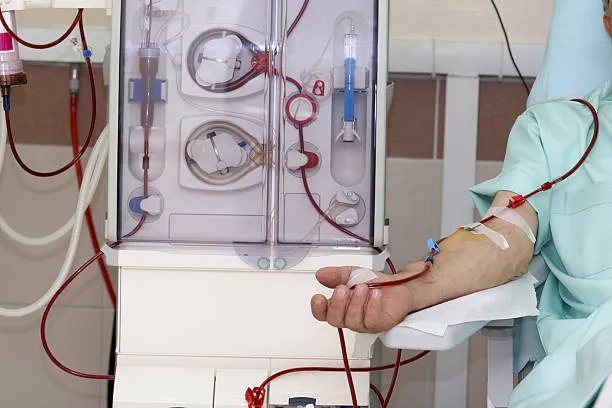
People living with kidney failure often depend on dialysis because their kidneys can no longer adequately filter waste products and excess fluids from the blood. During hemodialysis, blood passes through a dialysis machine and a specialized filter that removes waste products before returning the cleaned blood to the body.
Traditional high-flux hemodialysis is effective at removing many smaller waste molecules. However, larger substances, commonly known as middle molecules, can be more difficult to remove through conventional treatment.
Expanded HD uses specialized medium cut-off dialyzers to increase the removal of these larger molecules. These dialyzers are designed to improve the clearance of middle molecules while retaining essential proteins in the bloodstream.
The approach is intended to provide a broader range of toxin removal without requiring patients to adopt an entirely different treatment routine.
Some middle molecules have been associated with inflammation and complications affecting cardiovascular health. Their presence may also contribute to symptoms experienced by people receiving long-term dialysis, including fatigue, itching, sleep difficulties and restless legs.
By enhancing the removal of these substances, Expanded HD aims to address some of the challenges associated with conventional dialysis.
However, the extent to which improved middle molecule clearance translates into better long-term clinical outcomes continues to be evaluated. DaVita’s announcement describes the potential benefits of the therapy rather than establishing that every patient will experience the same results.
One of the most notable developments following DaVita’s announcement has been the rapid adoption of Expanded HD among physicians.
Within two weeks of the nationwide rollout, physicians had prescribed the treatment for 95% of patients considered eligible for the therapy.
This early adoption indicates that medical directors across DaVita’s U.S. centers are actively considering Expanded HD as an option within their dialysis treatment programs.
The company has made the therapy available for patients when clinically appropriate. At the same time, physicians retain the flexibility to prescribe other dialysis modalities depending on individual patient requirements.
This flexibility is important because kidney disease affects patients differently. Treatment decisions must take into account individual medical conditions, clinical needs and the suitability of available dialysis approaches.
Aakash Amin, MD, a medical director for DaVita and nephrologist with Georgia Nephrology, explained that one of the key considerations behind Expanded HD is its potential to remove additional toxins without introducing unnecessary complexity into patients’ treatment routines.
According to Amin, patients want to maintain their ability to live comfortably and participate in everyday activities rather than simply complete their scheduled dialysis sessions.
He sees Expanded HD as a clinically supported treatment option that may help reduce symptoms and improve how patients feel between treatments. He also expressed optimism about the possibility that these benefits could contribute to longer lives for patients.
The strong early physician adoption suggests that the therapy is being considered as an important addition to the available dialysis treatment options.
Another important factor behind the nationwide expansion is the compatibility of Expanded HD with existing dialysis equipment and clinical workflows.
The therapy works with existing dialysis machines and treatment processes, allowing DaVita to introduce it across its network through a coordinated rollout.
This compatibility can help healthcare organizations adopt new treatment approaches without requiring extensive changes to their existing infrastructure.
For dialysis providers operating large networks, introducing a new therapy across multiple facilities can involve operational challenges. These may include equipment requirements, staff preparation, treatment protocols and coordination between medical teams.
By using technology that works within existing dialysis environments, DaVita was able to expand availability across its centers through its established operational network.
The approach also supports physicians in considering the therapy as part of their existing treatment practices.
For patients, maintaining familiar treatment workflows while gaining access to an advanced dialysis option may make the transition easier.
Beyond the clinical and technological aspects, DaVita has highlighted the importance of how dialysis treatment affects patients’ everyday lives.
For people living with kidney failure, the demands of regular dialysis can influence energy levels, physical activity, personal independence and the ability to participate in normal daily routines.
The company shared the experience of Jacqueline Smith, a DaVita patient in Norfolk, Virginia, who described improvements in her daily activities after starting Expanded HD.
Smith explained that she felt better and was able to return home and vacuum, something she had previously struggled to do.
Her experience illustrates the importance of treatment outcomes beyond measurements taken during dialysis sessions.
For many patients, being able to complete household activities, spend time with family, maintain independence and participate in everyday experiences can represent meaningful improvements in quality of life.
Expanded HD is designed to support these goals by improving the removal of middle molecules that may contribute to symptoms associated with kidney failure.
DaVita noted that growing evidence is evaluating whether enhanced toxin clearance can improve symptoms such as fatigue, itching, sleep disturbances and restless legs. The company also reported that many patients have described experiencing benefits within weeks of beginning treatment.
Individual experiences may vary, and further evaluation is important to establish the extent and durability of these potential benefits.
In addition to expanding Expanded HD, DaVita is evaluating another treatment approach known as high-volume hemodiafiltration (HDF).
HDF is an advanced dialysis technique that combines diffusion and convection to remove waste products from the blood. It uses specialized equipment and treatment processes that allow larger volumes of fluid to be processed during dialysis.
This approach provides another potential pathway for enhancing middle molecule clearance.
Unlike Expanded HD, which uses medium cut-off dialyzers and works with existing dialysis machines, high-volume HDF requires specialized machines and treatment capabilities.
DaVita’s evaluation of HDF reflects its broader interest in expanding the range of treatment options available to people with kidney failure.
The company aims to provide physicians with additional approaches that can be considered according to individual patient needs.
By evaluating different technologies and dialysis modalities, DaVita is seeking to support more personalized treatment decisions while continuing to explore opportunities to improve the overall dialysis experience.
The expansion of Expanded HD is part of DaVita’s wider strategy to advance kidney care through new therapies, technology and healthcare delivery models.
The company is focusing not only on improving treatment for people who currently have kidney failure but also on changing how kidney disease is identified, managed and treated throughout its progression.
Chronic kidney disease can develop over time, and early identification and appropriate management are important for patients at risk of progressing to more advanced stages of the condition.
Advances in medicine, technology and healthcare data analysis are creating new opportunities to intervene earlier and potentially delay disease progression.
DaVita is exploring several areas of innovation that could contribute to this broader transformation.
One area involves newer classes of medicines that may help slow the progression of chronic kidney disease. These treatments could provide additional options for managing patients before they reach kidney failure.
Another area involves predictive artificial intelligence. AI-powered technologies can analyze healthcare information and identify patterns that may help clinicians recognize patients who are at greater risk of disease progression.
By providing actionable insights, predictive AI could support earlier intervention and more informed clinical decisions.
DaVita is also interested in more coordinated care models that connect healthcare professionals across different specialties and stages of kidney disease.
Such approaches may help improve communication, support better disease management and create opportunities to address complications earlier.
DaVita’s long-term kidney care strategy also includes exploring approaches that could provide patients with alternatives beyond traditional dialysis.
Jeff Giullian, MD, Chief Medical Officer of DaVita, emphasized that the company’s efforts involve both improving current dialysis treatments and advancing new approaches for the future.
He explained that the organization aims to deliver high-quality care through innovation while exploring opportunities for earlier intervention, improved access to transplantation and additional treatment options for people living with kidney disease.
One area being explored is xenotransplantation, an emerging field involving the transplantation of organs or tissues from animals into humans.
Xenotransplantation research has attracted attention as scientists and healthcare organizations investigate potential ways to address the shortage of organs available for transplantation.
Although the field remains under development, advances in this area could eventually contribute to additional options for patients who require kidney transplants.
DaVita is also exploring advanced care models and therapies that may help delay the progression of kidney disease.
These initiatives reflect the company’s interest in addressing kidney health across the entire patient journey rather than focusing exclusively on dialysis treatment.
The nationwide availability of Expanded HD represents a significant step in DaVita’s efforts to make advanced dialysis technologies more accessible.
With the therapy now available at every DaVita center in the United States, eligible patients have an additional treatment option designed to improve the removal of larger toxins associated with complications and symptoms of kidney failure.
The rapid physician adoption following the rollout demonstrates strong early interest in the therapy, while patient experiences highlight the importance of evaluating treatment benefits through everyday quality of life as well as clinical measures.
At the same time, DaVita’s continued evaluation of high-volume HDF, predictive AI, new medicines, transplantation approaches and coordinated care models demonstrates its broader commitment to advancing kidney healthcare.
As the healthcare industry continues to explore new technologies and treatment strategies, improving dialysis care while supporting earlier intervention will remain important priorities.
Through the expansion of Expanded HD and its wider innovation strategy, DaVita aims to improve the treatment experience for people living with kidney failure today while helping create more options for kidney care in the future.
Source link: https://newsroom.davita.com/