
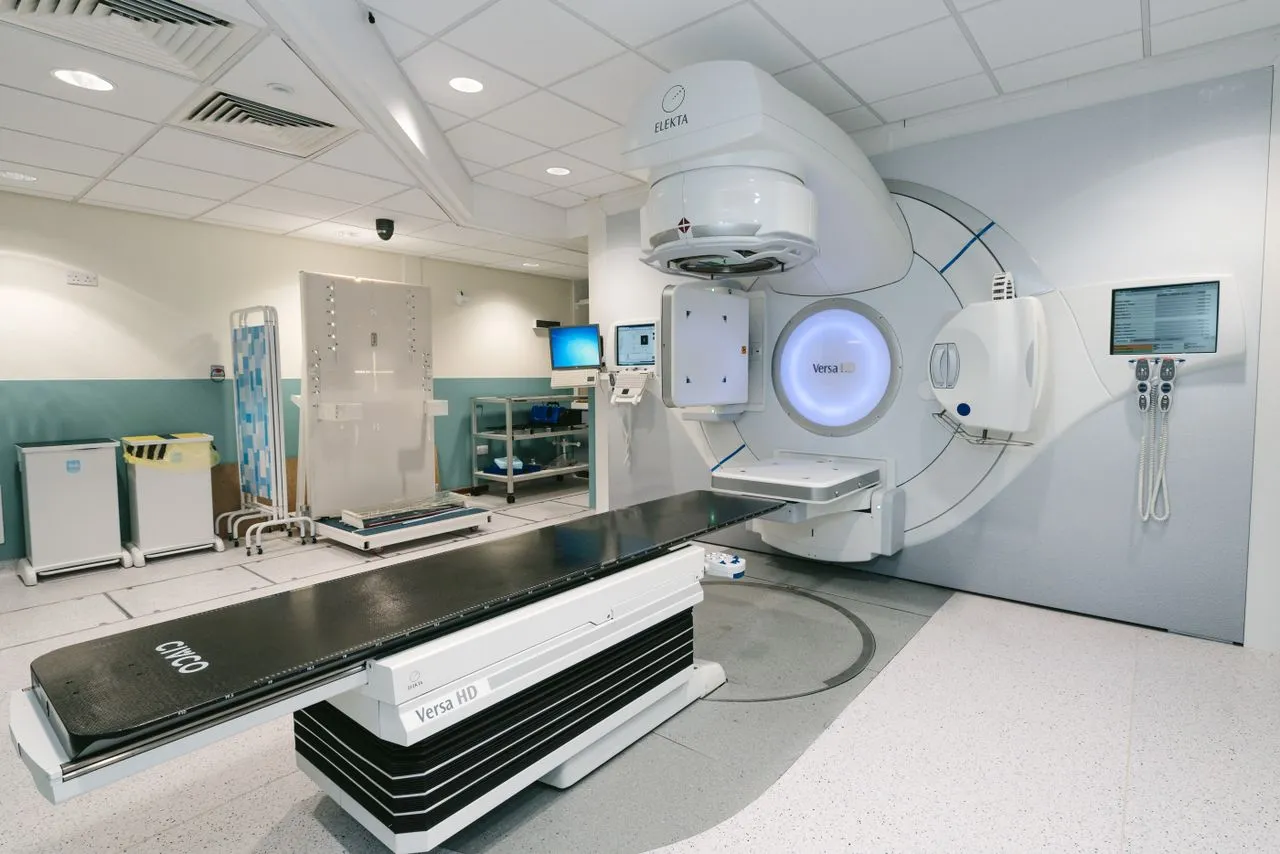
RefleXion Medical, an oncology technology company specializing in external-beam theranostics, has announced that the Centers for Medicare & Medicaid Services (CMS) will maintain favorable reimbursement for its SCINTIX® therapy under the finalized 2027 Hospital Outpatient Prospective Payment System (OPPS) rule. The decision represents an important development for the company, its radiation oncology customers, and healthcare providers using advanced radiation treatment technologies.
In addition to maintaining reimbursement for SCINTIX therapy, CMS has approved a significant increase in payment for a commonly used intensity-modulated radiation therapy (IMRT) delivery procedure. The reimbursement adjustment is expected to further improve the financial considerations associated with adopting and operating RefleXion’s X2 radiation therapy platform.
For the third consecutive year, CMS has retained SCINTIX therapy’s New Technology designation and continued its reimbursement at a premium compared with conventional stereotactic body radiation therapy (SBRT). This continued recognition provides reimbursement stability for healthcare providers offering the technology and supports its position within the evolving radiation oncology market.
The finalized CMS decision also includes a payment adjustment for the intermediate-complexity IMRT treatment delivery procedure commonly used by RefleXion customers. The procedure has been moved into a higher payment band, resulting in a 36% increase in reimbursement compared with the 2026 payment rate.
Together, these reimbursement developments are expected to strengthen the economic proposition of the RefleXion X2 platform, which combines conventional radiation therapy capabilities with the company’s advanced SCINTIX autonomous radiotherapy technology.
The continued New Technology designation for SCINTIX therapy is an important component of the latest CMS reimbursement announcement.
Under the finalized 2027 OPPS rule, CMS has maintained the reimbursement designation for SCINTIX for the third consecutive year. The agency has also preserved payment at a premium to conventional SBRT.
The decision reflects the continuation of a reimbursement pathway established for the technology as healthcare providers increasingly evaluate advanced radiation oncology solutions.
SCINTIX therapy represents a different approach to radiation delivery because it uses signals generated by cancer cells to guide treatment. Rather than relying exclusively on conventional imaging approaches, the technology incorporates positron emission tomography (PET) signals produced by tumors to help guide radiation delivery.
The treatment is designed to respond to tumor movement in real time, allowing radiation delivery to adjust autonomously based on signals associated with cancer cells.
Maintaining the New Technology designation is significant for RefleXion because reimbursement considerations can influence how hospitals and radiation oncology departments evaluate new treatment technologies.
Healthcare organizations must consider several factors when introducing advanced radiation systems, including equipment investment, treatment workflow integration, staffing requirements, patient access, and reimbursement.
A continued reimbursement premium compared with conventional SBRT may help providers evaluate the financial considerations associated with offering SCINTIX therapy.
For RefleXion, the CMS decision also provides continuity as the company works to expand the clinical and commercial use of its technology.
Alongside the continued SCINTIX reimbursement designation, CMS has increased payment for an intermediate-complexity IMRT treatment delivery procedure.
This procedure is commonly used by healthcare providers operating RefleXion systems.
Under the finalized 2027 reimbursement policy, the procedure has been moved into a higher payment band. The change represents a 36% increase compared with the 2026 reimbursement rate.
The adjustment is particularly relevant because IMRT is an established radiation treatment approach used by oncology departments to deliver carefully planned radiation doses to tumors while managing exposure to surrounding healthy tissues.
IMRT uses advanced treatment planning and radiation delivery techniques to shape and modulate radiation beams according to the characteristics of the treatment target.
The technology allows radiation oncology professionals to develop treatment plans that account for tumor location, shape, and nearby anatomical structures.
For hospitals and radiation oncology providers, reimbursement for IMRT procedures is an important consideration when evaluating treatment capacity and the financial performance of radiation therapy services.
The increased CMS payment may provide additional financial support for providers performing eligible intermediate-complexity IMRT procedures.
Because RefleXion’s X2 platform supports both IMRT and SBRT capabilities alongside SCINTIX autonomous radiotherapy, the higher reimbursement rate may further strengthen the platform’s overall value proposition.
The combined effect of continued SCINTIX reimbursement and increased IMRT payments provides healthcare organizations with additional information when assessing the operational and financial implications of adopting the technology.
It is important to note that the 36% increase applies to the specified intermediate-complexity IMRT delivery procedure compared with its 2026 reimbursement rate, rather than representing a general increase across all radiation oncology services.
The reimbursement developments are particularly relevant to RefleXion’s next-generation X2 platform.
The platform is designed to meet the everyday operational needs of radiation oncology departments while providing access to the company’s advanced autonomous radiotherapy technology.
It supports conventional image-guided IMRT and SBRT treatments and also offers SCINTIX therapy capabilities.
This combination is intended to provide radiation oncology departments with multiple treatment options through a single technology platform.
Todd Powell, president and CEO of RefleXion, described the CMS decisions as an important development for the company and its customers.
He emphasized that the continued recognition of SCINTIX therapy as a New Technology, together with the increased IMRT reimbursement, reinforces the economic value of the next-generation X2 platform.
Powell also highlighted the platform’s ability to address routine radiation oncology department requirements through image-guided IMRT and SBRT while providing access to SCINTIX autonomous radiotherapy.
His comments underscore the company’s strategy of combining established radiation treatment capabilities with newer technology designed to advance cancer treatment delivery.
For radiation oncology providers, having access to multiple treatment modalities within a single platform may be relevant when considering equipment utilization, departmental workflows, and long-term technology investments.
The reimbursement changes could also influence discussions between RefleXion and healthcare organizations evaluating the adoption of advanced radiation treatment systems.
One of the key features distinguishing SCINTIX therapy from conventional radiation treatment approaches is its use of PET signals generated by cancer cells.
Positron emission tomography is an imaging technology used in oncology to identify areas of biological activity within the body.
PET imaging commonly uses radiotracers that help reveal metabolic or molecular activity in tissues. In cancer care, this information can assist healthcare professionals in evaluating tumors and monitoring disease characteristics.
RefleXion has developed SCINTIX therapy to use PET signals associated with cancer cells as part of its radiation delivery process.
The technology is designed to detect signals generated by tumors and use them to autonomously guide radiation treatment.
This approach is intended to help the radiation beam respond to tumor motion in real time.
Tumor movement can create challenges during radiation therapy, particularly when tumors are located in areas affected by normal bodily motion, such as breathing.
Conventional radiation treatment planning relies on imaging, positioning, and other techniques to account for tumor location and movement. SCINTIX introduces an additional approach by using signals from cancer cells to guide radiation delivery.
The objective is to support more responsive treatment delivery by allowing the system to adjust based on the detected PET signals.
This technology represents an application of theranostics, an approach that combines diagnostic information with therapeutic intervention.
In RefleXion’s system, the PET signal serves as a source of information for guiding radiation delivery, connecting tumor-related biological activity with the treatment process.
Another important development highlighted by the company is the introduction of its next-generation RefleXion X2 platform.
According to RefleXion, the X2 platform provides a 20-fold increase in PET sensitivity compared with its first-generation platform.
This improvement is designed to expand the range of tumors that may be eligible for SCINTIX therapy.
PET sensitivity is an important consideration for technologies that rely on detecting signals generated by cancer cells.
Improved sensitivity can help the system detect relevant PET signals more effectively, supporting the technology’s ability to identify and respond to tumor-related activity.
The increased sensitivity is intended to broaden the potential application of SCINTIX therapy by expanding the range of tumors that can be considered for treatment.
The development of the X2 platform also reflects RefleXion’s efforts to improve the capabilities of its radiation oncology technology.
By combining enhanced PET sensitivity with established IMRT and SBRT functionality, the company aims to provide a platform that supports different radiation treatment requirements within oncology departments.
The system’s combination of conventional radiation therapy and autonomous radiotherapy capabilities is central to its positioning in the radiation oncology market.
For hospitals considering new radiation treatment equipment, the ability to support multiple treatment approaches may be an important factor in technology selection.
Reimbursement policies play an important role in the adoption of advanced medical technologies.
Hospitals and healthcare providers must evaluate whether new treatment systems can be integrated into existing clinical operations while supporting sustainable financial performance.
For radiation oncology departments, these considerations include equipment acquisition, maintenance, treatment planning, clinical staffing, patient volumes, and reimbursement eligibility.
The continued CMS New Technology designation for SCINTIX therapy provides reimbursement continuity for the third consecutive year.
This may help healthcare providers incorporate reimbursement assumptions into their financial planning and assess the potential economics of offering the treatment.
The additional 36% increase in reimbursement for the specified intermediate-complexity IMRT delivery procedure provides another financial consideration for providers using the RefleXion platform.
Together, these developments could support the commercial positioning of the X2 system among radiation oncology departments evaluating technology investments.
However, actual financial benefits will depend on factors such as treatment volumes, patient eligibility, applicable coding and billing requirements, hospital payment arrangements, and operational costs.
The reimbursement changes do not automatically guarantee profitability for providers, but they represent relevant developments when evaluating the financial aspects of advanced radiation oncology services.
The global radiation oncology sector continues to evolve as healthcare organizations explore technologies designed to improve treatment precision and expand therapeutic options.
Radiation therapy remains an important component of cancer treatment, and advances in imaging, treatment planning, automation, and radiation delivery are creating opportunities for technology developers.
RefleXion operates in this market through its external-beam theranostic approach, combining radiation therapy capabilities with PET-based treatment guidance.
Its SCINTIX technology is designed to introduce a different method of responding to tumor movement, while the X2 platform also supports established IMRT and SBRT procedures.
The continued CMS reimbursement recognition may help the company communicate the potential economic value of its technology to hospitals and radiation oncology providers.
The reimbursement adjustment for IMRT also adds another consideration for customers using the platform for conventional radiation therapy procedures.
As healthcare organizations evaluate new oncology technologies, reimbursement availability, clinical capabilities, and workflow compatibility are likely to remain important considerations.
RefleXion’s latest announcement highlights how regulatory payment decisions and technology development can intersect to influence the commercial adoption of advanced cancer treatment systems.
The finalized 2027 CMS OPPS reimbursement decisions represent an important milestone for RefleXion Medical.
By maintaining SCINTIX therapy’s New Technology designation and reimbursement premium over conventional SBRT for a third consecutive year, CMS has provided continued reimbursement recognition for the company’s autonomous radiotherapy approach.
The 36% increase in reimbursement for the specified intermediate-complexity IMRT delivery procedure also adds to the financial considerations associated with the RefleXion X2 platform.
At the same time, the X2 platform’s 20-fold improvement in PET sensitivity over the first-generation system is designed to expand the range of tumors eligible for SCINTIX therapy.
Together, these developments support RefleXion’s strategy of bringing conventional radiation treatment capabilities and advanced PET-guided autonomous radiotherapy together within one platform.
For radiation oncology providers, the reimbursement decisions offer additional information for evaluating treatment technology investments and planning future services.
For RefleXion, the continued CMS recognition and higher IMRT payment represent important developments as the company works to expand the presence of its technology in the oncology market.
As precision radiation treatment continues to advance, the combination of technology innovation, reimbursement support, and provider adoption will remain important factors shaping the future of radiation oncology.
Source link: https://www.businesswire.com/