
CVS Pharmacy Expands Access to Pet Prescription Medications at Thousands of Locations Nationwide
For pet owners, caring for a dog or cat often involves more than regular veterinary checkups, nutritious food and preventive care. Many pets also need prescription medications to manage illnesses, control chronic conditions or maintain their overall health. Finding a convenient and reliable way to fill those prescriptions can be an important part of ensuring pets receive the treatment they need. CVS Pharmacy is providing pet owners with another option by making eligible veterinarian-prescribed medications available through its pharmacy network.
Through its Pet Meds program, CVS Pharmacy enables pet parents to fill eligible prescriptions for dogs and cats at approximately 9,000 CVS Pharmacy locations across the United States. The program allows pet owners to access certain animal medications at familiar neighborhood pharmacies, potentially simplifying the process of managing prescriptions for their pets alongside medications for other household members.
The initiative builds on CVS Pharmacy’s existing experience dispensing medications that are used in both human and veterinary medicine. It also expands access to a selection of pet-only prescription medications that have traditionally been obtained through veterinary clinics or specialized veterinary pharmacies.
Although not every veterinary prescription can be filled at CVS Pharmacy, the program gives pet owners an additional option when their veterinarian prescribes an eligible medication. Availability depends on factors such as the specific drug, dosage form, prescription requirements and services offered at the individual pharmacy.
CVS Pharmacy Expands Its Pet Meds Program
CVS Pharmacy has long filled eligible prescriptions for medications that can be used in both human and veterinary medicine. These medications, sometimes described as crossover medications, may be prescribed by veterinarians for animals when appropriate for the pet’s specific medical needs.
The Pet Meds program expands this offering by providing access to a selection of eligible medications developed specifically for pets. Previously, these pet-only medications were typically obtained through veterinarians or veterinary pharmacies, depending on the medication and the services available.
By offering eligible prescriptions through its nationwide pharmacy network, CVS Pharmacy is creating another potential source for pet owners who need to obtain prescribed treatments. The program may be particularly useful for households that already rely on CVS Pharmacy for their own prescription needs and prefer to manage multiple medication routines through a familiar pharmacy.
However, the availability of pet medications does not mean that every CVS Pharmacy stocks every veterinary drug. Pet owners should confirm that their prescribed medication can be dispensed at their chosen location before making a trip to the pharmacy.
The program also does not replace veterinary care. A veterinarian remains responsible for examining the animal, diagnosing its condition and determining which treatment is appropriate. CVS Pharmacy pharmacists then handle eligible prescriptions through the pharmacy’s established verification and dispensing procedures.
Veterinarians Continue to Direct Pet Treatment
Veterinary prescriptions require careful attention because animals can respond differently to medications than humans do. A drug that is appropriate for one species may be unsuitable or dangerous for another, and the correct dose can depend on the animal’s species, weight, medical history and other factors.
Under the Pet Meds program, the veterinarian determines the appropriate medication, strength, dosage and administration instructions. The prescription must then undergo the pharmacy’s standard verification process before it can be dispensed.
Dr. Christopher Tuma, a veterinarian and senior manager of Patient Safety and Quality at CVS Health, emphasized the importance of expanding access while maintaining appropriate safeguards. According to Tuma, making eligible pet-only medications available through CVS Pharmacy offers pet parents another convenient option, while pharmacists continue to verify prescriptions and dispense medications according to the veterinarian’s directions.
Pharmacists can also work directly with veterinarians when questions arise about a prescription. This communication may help clarify prescription details, resolve potential concerns and ensure that the medication is dispensed in accordance with the veterinarian’s instructions.
CVS Pharmacy pharmacists can consult veterinary references and specialized job aids as part of the verification and dispensing process. These resources support the pharmacy’s handling of eligible veterinary prescriptions.
The distinction between veterinary treatment decisions and pharmacy dispensing is important. Pet owners should not independently select human medications for their animals or adjust a prescribed dose without veterinary guidance.
How Pet Owners Can Fill Prescriptions at CVS Pharmacy
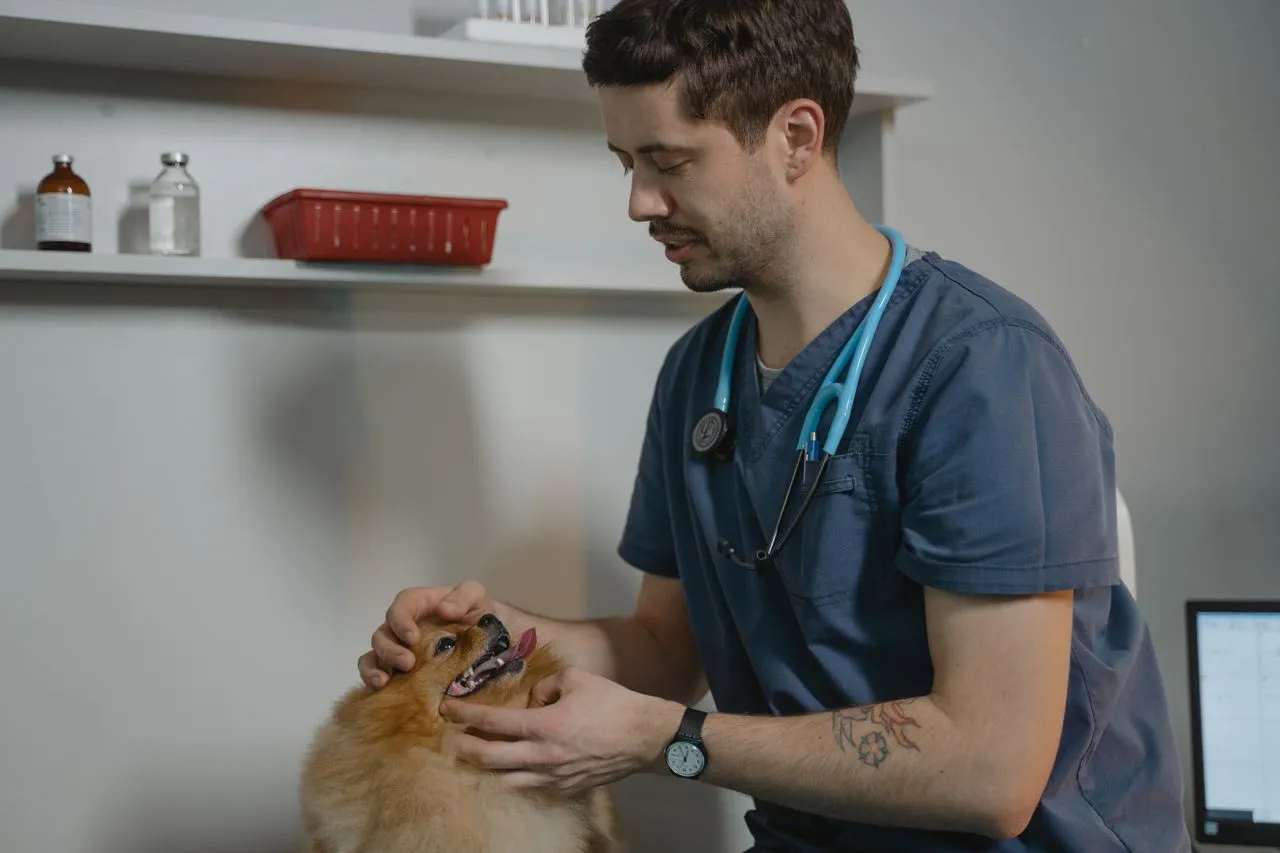
The process begins with a veterinary appointment. After examining the pet, the veterinarian determines whether medication is necessary and provides the appropriate prescription.
If the medication is eligible for dispensing through CVS Pharmacy, pet owners can follow several steps to arrange fulfillment.
1. Ask the veterinarian about prescription eligibility.
Before leaving the veterinary clinic, pet owners should ask whether the prescribed medication can be filled at CVS Pharmacy. Eligibility depends on the specific medication and applicable prescription requirements. Confirming this information early can help prevent delays.
2. Arrange prescription submission.
For eligible medications, the veterinarian may submit the prescription directly to the pharmacy through an accepted method, such as a telephone or fax prescription where permitted. Alternatively, the pet owner may be able to bring a written prescription to the pharmacy, depending on the medication and applicable rules.
The veterinarian and pharmacy can explain which submission methods are available for the particular prescription.
3. Allow the pharmacist to verify the prescription.
Once the pharmacy receives the prescription, the pharmacist reviews it through the standard verification process. This includes checking the prescription information and addressing any questions that need clarification before dispensing.
If additional information is required, the pharmacist may contact the prescribing veterinarian. Pet owners should allow time for this process, particularly when the prescription requires clarification or is not immediately available.
4. Confirm availability and collection options.
After the prescription has been verified and prepared, the pharmacy can provide information about its status and available fulfillment options. The time required to fill a prescription may vary depending on the medication, inventory and verification requirements.
Pet owners should confirm the expected availability with their selected CVS Pharmacy rather than assuming every location can fill the prescription immediately.
The official CVS Pharmacy Pet Meds page provides additional information about the program: CVS Pharmacy Pet Meds program.
Prescription Medications for a Range of Pet Health Needs
Dogs and cats may require medication for a wide variety of health concerns. Some prescriptions address temporary illnesses, while others are part of longer-term treatment plans designed to manage chronic conditions.
Depending on the animal’s diagnosis and the medication prescribed, veterinary treatment may involve conditions such as allergies, skin disorders, infections, arthritis, pain, heart conditions, thyroid disorders and certain behavioral concerns.
Some animals may also receive prescription treatments related to parasite prevention or other preventive health needs.
The availability of a particular medication through CVS Pharmacy depends on the drug and its eligibility under the program. Therefore, the conditions listed above should not be interpreted as a guarantee that CVS Pharmacy can fill every medication used to treat them.
For chronic conditions, maintaining a consistent medication routine is especially important. Pet owners should follow the veterinarian’s instructions for administering each medication and contact the veterinary practice if symptoms change, side effects develop or a prescribed treatment appears ineffective.
When a pet needs refills regularly, owners can ask both the veterinarian and the pharmacy about refill requirements, prescription expiration dates and the steps needed to prevent interruptions in treatment.
A pharmacy’s ability to dispense a medication also does not eliminate the need for follow-up veterinary appointments. Regular examinations allow veterinarians to assess the pet’s response to treatment and determine whether the existing care plan remains appropriate.
Pet Essentials Available Alongside Prescription Services
In addition to prescription medications, CVS Pharmacy offers a range of everyday pet products through participating stores and its online shopping platform.
Pet owners may find products such as wet and dry pet food, shampoos, grooming supplies, dental treats and flea and tick care products. Product selection varies by store and online availability.
CVS Pharmacy’s Pet Central brand also offers products for dogs and cats, including grooming tools, pet care accessories, toys, cat litter and puppy training pads.
These products address routine household pet-care needs rather than replacing professional veterinary treatment. For example, grooming products and dental treats can support everyday care, but they are not substitutes for veterinary assessment when an animal has a medical problem.
Pet owners should also seek veterinary advice before using over-the-counter products when their animal is receiving prescription medication, has an existing medical condition or has experienced an adverse reaction to a product.
The combination of pharmacy services and everyday pet supplies gives consumers another familiar retail destination for some of their pet-care needs. Nevertheless, product availability, pharmacy services and fulfillment options may differ between individual locations.
Digital Tools May Help Simplify Prescription Management
Managing medications for multiple household members can become complicated, particularly when a pet requires regular treatment. Prescription status notifications and digital pharmacy tools may help pet owners keep track of eligible medications and coordinate pharmacy visits.
CVS Pharmacy offers digital tools through the CVS Health app for certain prescription management activities. Depending on the prescription and available features, pet owners may be able to receive status notifications or manage eligible pet prescriptions alongside other household medications.
The exact features available may vary, so customers should confirm whether their particular pet prescription can be managed through the app.
Digital tools can help organize medication routines, but pet owners should continue to follow the veterinarian’s dosing schedule and refill instructions. If a dose is missed, a medication is lost or the animal refuses to take its treatment, the veterinarian or pharmacist can provide guidance appropriate to the prescribed medication.
Pet owners should never change the frequency or amount of a medication simply because a refill is delayed or an app indicates that a prescription is ready.
Convenience Must Be Balanced With Medication Safety
Access to familiar pharmacy locations may help simplify prescription fulfillment, but medication safety remains central to veterinary care.
Pet owners should provide accurate information when arranging a prescription, including the animal’s name and any other details requested by the veterinarian or pharmacist. They should also communicate relevant information about other medications or supplements the pet is receiving when appropriate.
Once a prescription has been dispensed, owners should carefully review the label and follow the veterinarian’s directions. Medication should be stored according to the label instructions and kept out of reach of children and animals that could accidentally ingest it.
If the prescription label appears inconsistent with the veterinarian’s instructions, pet owners should contact the pharmacist or prescribing veterinarian before administering the medication.
Similarly, if a pet develops an unexpected reaction after receiving medication, the owner should promptly contact a veterinarian for advice. Severe or rapidly worsening symptoms may require emergency veterinary attention.
These precautions remain necessary regardless of where the prescription is filled.
What Pet Owners Should Know Before Visiting CVS Pharmacy
Pet owners interested in using the Pet Meds program should verify several details before visiting a pharmacy. First, they should confirm that the specific medication is eligible. Second, they should establish how the prescription must be submitted. Third, they should check whether the chosen location can dispense the medication and when it is likely to be ready.
Customers can use the CVS Pharmacy store locator to identify nearby locations and contact the pharmacy to confirm services and availability.
They can also review the official Pet Meds information page for details about eligible prescriptions and the program’s requirements.
Because pharmacy inventory and services vary, confirming the details in advance can help avoid unnecessary travel and potential treatment delays.
A Convenient Additional Option for Pet Parents
CVS Pharmacy’s Pet Meds program expands the options available to pet owners seeking to fill eligible veterinary prescriptions. With approximately 9,000 pharmacy locations nationwide, the program provides access to certain pet medications through a familiar retail pharmacy network while maintaining the veterinarian’s role in directing treatment.
The expansion builds on CVS Pharmacy’s experience with crossover medications and adds a selection of pet-only prescription medications to its offerings. Pharmacists verify eligible prescriptions, dispense medications according to the veterinarian’s directions and can communicate with veterinary professionals when questions arise.
For pet parents managing short-term illnesses or ongoing medical conditions, this additional option may make prescription routines easier to coordinate with other household responsibilities. Access to everyday pet supplies and eligible digital prescription management features may offer further convenience.
However, the program does not cover every veterinary medication, and availability depends on the prescription and pharmacy location. Pet owners should consult their veterinarian and confirm eligibility with CVS Pharmacy before arranging a fill.
Ultimately, the goal is to make obtaining eligible pet medications more convenient without compromising the professional oversight and medication safety that animals require. By combining veterinary guidance with pharmacy verification and dispensing services, CVS Pharmacy gives pet parents another way to manage an important part of their pets’ health care.
Source link: https://www.cvshealth.com/