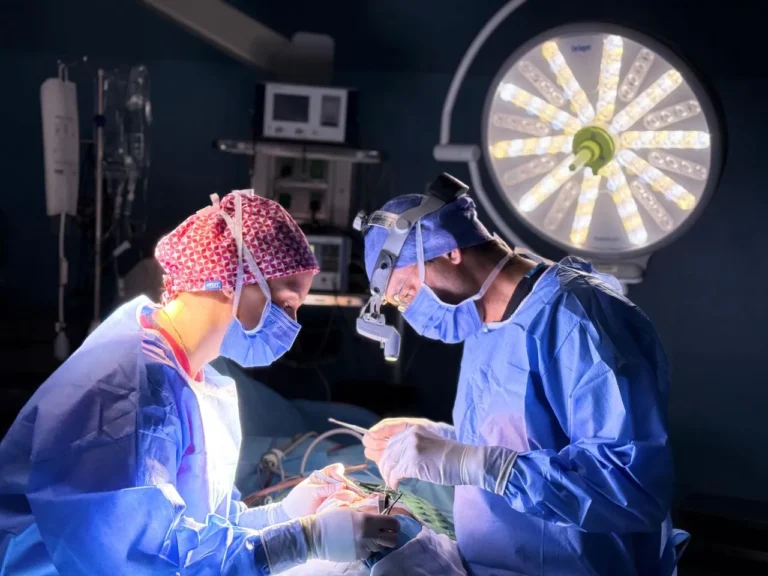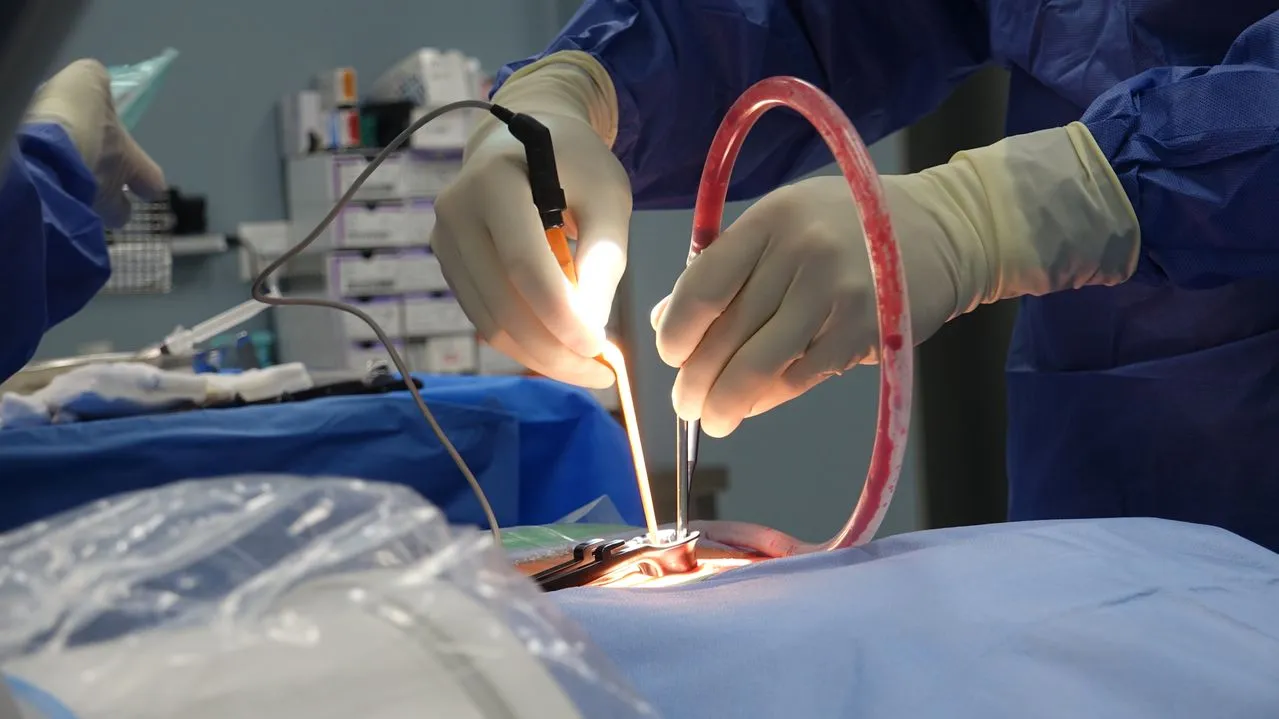
The Mitral Valve Center at Bad Berka Central Clinic has achieved a significant milestone in cardiovascular care with the successful completion of its 1,750th minimally invasive mitral valve surgery. The landmark procedure reflects more than 17 years of continuous innovation, clinical expertise, and multidisciplinary collaboration in the treatment of mitral valve disease, one of the most common and complex forms of heart valve disorders.
The milestone patient, a 63-year-old man from Angermünde in the German state of Brandenburg, underwent the minimally invasive procedure successfully, becoming the latest beneficiary of a specialized program that has transformed the lives of thousands of patients suffering from structural heart disease.
The achievement underscores the clinic’s growing reputation as one of Germany’s leading centers for minimally invasive cardiac surgery and highlights the increasing role of advanced surgical techniques in improving patient outcomes while reducing recovery times.
Over the past 17 years, the Bad Berka Central Clinic has steadily expanded its expertise in diagnosing and treating mitral valve disorders through minimally invasive surgical techniques.
During this period, 1,750 patients have undergone successful operations using approaches that minimize surgical trauma while maintaining high levels of precision and safety.
Reaching this milestone represents far more than a numerical achievement. It demonstrates years of accumulated surgical experience, continuous technological advancement, and an institutional commitment to delivering high-quality cardiovascular care.
Each procedure has contributed to refining surgical techniques, improving perioperative care, and expanding the team’s experience in treating both straightforward and highly complex valve disorders.
As patient volumes have grown, so too has the center’s ability to manage increasingly challenging clinical cases involving elderly patients and individuals with multiple coexisting medical conditions.
The mitral valve is one of the heart’s four major valves and plays a vital role in maintaining efficient blood circulation.
Located between the left atrium and the left ventricle, the valve ensures that oxygen-rich blood flows in the correct direction during each heartbeat.
The valve consists of two thin leaflets supported by a sophisticated network of:
Together, these components coordinate to open and close with each heartbeat.
Because of its intricate anatomy and constant mechanical stress, the mitral valve is susceptible to a variety of structural abnormalities.
Mitral valve disease encompasses several different conditions that interfere with normal valve function.
Among the most common are:
In this condition, the valve fails to close completely, allowing blood to leak backward into the left atrium.
Patients may experience:
Mitral stenosis occurs when the valve opening becomes narrowed, restricting blood flow into the left ventricle.
This increases pressure within the heart and lungs, potentially leading to:
This disorder develops when one or both valve leaflets bulge backward during contraction.
Although many cases remain mild, severe prolapse may eventually result in significant valve leakage requiring intervention.
Mitral valve disease can be particularly difficult to diagnose because symptoms often develop gradually.
Many patients initially attribute fatigue or shortness of breath to aging or reduced physical fitness.
As a result, significant valve dysfunction may progress before medical evaluation occurs.
Accurate diagnosis typically requires sophisticated cardiovascular imaging, including:
These technologies enable physicians to evaluate valve anatomy, blood flow patterns, ventricular function, and the severity of disease before selecting the most appropriate treatment.
The complexity of mitral valve disease requires expertise from multiple medical specialties.
Successful treatment depends not only on surgical skill but also on careful patient selection, detailed imaging, comprehensive perioperative planning, and coordinated postoperative care.
Specialized heart valve centers bring together experts from numerous disciplines to develop individualized treatment strategies.
At Bad Berka Central Clinic, every patient undergoes a thorough multidisciplinary evaluation before treatment decisions are made.
This collaborative approach ensures that therapy is tailored to each patient’s anatomy, medical history, age, symptoms, and overall health status.
The clinic’s commitment to excellence has been recognized through national certification.
The Heart Center has held official Mitral Valve Center certification since 2020, demonstrating compliance with rigorous quality standards established for specialized valve centers.
Earlier this year, the German Society of Cardiology (DGK) renewed the center’s certification following a comprehensive evaluation.
Recertification confirms that the institution continues meeting demanding requirements related to:
Such recognition reflects the center’s sustained commitment to maintaining internationally recognized standards of cardiovascular care.
According to Professor Dr. Sabine Bleiziffer, Head of the Department of Cardiac Surgery at the Heart Center, the milestone represents years of successful patient care and ongoing innovation.
She emphasized that the primary objective extends beyond performing large numbers of procedures.
Instead, the center continually seeks to develop gentler surgical techniques that improve patient experiences while maintaining outstanding clinical outcomes.
Advances in minimally invasive surgery allow physicians to perform complex valve operations using significantly smaller incisions than traditional open-heart surgery.
These techniques reduce tissue trauma while preserving surgical precision.
Compared with conventional median sternotomy, minimally invasive mitral valve surgery offers numerous potential advantages.
These include:
Many patients also experience greater psychological comfort because recovery tends to be faster and less physically demanding.
For elderly patients or those with multiple health conditions, minimizing surgical trauma can be particularly valuable.
Professor Bleiziffer highlighted the growing importance of minimally invasive therapies in light of demographic changes.
As populations age, healthcare providers increasingly treat patients who present with:
Traditional surgical approaches may place greater stress on these patients.
Developing less invasive treatment strategies helps expand therapeutic options while improving safety for older individuals.
This represents one of the major priorities within modern cardiovascular medicine.
Progress in mitral valve treatment involves much more than smaller incisions.
Professor Bleiziffer noted that advances continue across multiple areas of cardiac care.
These include:
Modern prosthetic heart valves continue evolving with improved durability, performance, and biocompatibility.
New designs better replicate natural valve function while reducing complications.
Three-dimensional imaging technologies allow surgeons to plan procedures with exceptional precision before entering the operating room.
Specialized minimally invasive instruments enable surgeons to perform complex repairs through very small access points.
Standardized treatment pathways before and after surgery help accelerate patient recovery while reducing complications.
Together, these innovations contribute to improved outcomes and greater patient satisfaction.
One of the defining characteristics of the Mitral Valve Center is its multidisciplinary approach.
Successful management of structural heart disease requires close cooperation among numerous healthcare professionals.
The treatment team includes:
Each specialist contributes unique expertise throughout diagnosis, treatment, surgery, recovery, and long-term follow-up.
Regular multidisciplinary conferences allow physicians to review each patient’s condition collectively before determining the most appropriate therapeutic strategy.
No two patients with mitral valve disease are exactly alike.
Differences in anatomy, disease severity, age, symptoms, and overall health require individualized treatment decisions.
Some patients benefit from valve repair, while others require valve replacement.
In certain cases, catheter-based procedures may offer suitable alternatives.
The Heart Center evaluates every patient comprehensively to determine which therapy offers the safest and most effective long-term outcome.
This personalized approach has become a hallmark of modern structural heart disease management.
Although the center specializes in mitral valve disorders, its expertise extends across the broader field of structural heart disease.
Patients receive treatment for numerous complex cardiac conditions involving:
The availability of multiple treatment options allows physicians to address a wide spectrum of cardiovascular diseases using the most appropriate intervention for each individual.
The successful completion of the 1,750th minimally invasive mitral valve surgery represents both a celebration of past achievements and a foundation for future innovation.
As cardiovascular medicine continues advancing, the Heart Center aims to further expand minimally invasive treatment options while integrating emerging technologies into routine clinical practice.
Ongoing developments in robotic surgery, imaging, artificial intelligence, transcatheter interventions, and prosthetic valve design are expected to further improve outcomes for patients with structural heart disease.
The clinic’s emphasis on research, innovation, interdisciplinary collaboration, and continuous quality improvement positions it to remain at the forefront of cardiac surgery in the years ahead.
The completion of 1,750 successful minimally invasive mitral valve surgeries highlights the Bad Berka Central Clinic’s enduring commitment to excellence in cardiovascular medicine. Through nearly two decades of experience, nationally recognized certification, advanced surgical expertise, and a highly collaborative multidisciplinary approach, the Mitral Valve Center has established itself as a leader in the treatment of complex heart valve disease.
As patient populations continue to age and demand for less invasive therapies grows, the center’s dedication to innovation and personalized care will remain essential. By combining cutting-edge technology, refined surgical techniques, comprehensive treatment planning, and coordinated postoperative care, the Heart Center continues helping patients recover more quickly, regain their quality of life, and return to normal daily activities with improved heart function and long-term health outcomes.
Source link: https://www.rhoen-klinikum-ag.com/