Teladoc Health, a global leader in virtual healthcare, has announced the availability of free 24/7 telehealth services for residents of Louisiana affected by Tropical Storm Arthur and the severe flooding that followed. The emergency initiative is intended to help individuals who have been displaced, lost access to healthcare facilities, or are experiencing disruptions in medical services because of the storm and its aftermath.
Through its Natural Disaster Hotline, Teladoc Health is offering no-cost virtual consultations with licensed healthcare professionals to eligible residents in several impacted Louisiana parishes. The program is designed to ensure that people continue receiving timely medical attention for non-emergency health concerns even when local clinics, physician offices, pharmacies, or transportation networks have been affected by flooding and other storm-related challenges.
The company’s disaster response initiative reflects the growing role of telehealth in supporting emergency preparedness and disaster recovery by providing accessible medical care when traditional healthcare delivery systems are disrupted.
Natural disasters frequently create significant barriers to healthcare access.
Flooding, damaged infrastructure, road closures, power outages, and healthcare facility interruptions can make it difficult for patients to receive timely medical attention. Individuals managing chronic illnesses, recovering from recent medical procedures, or experiencing new health concerns may find themselves unable to reach their regular healthcare providers.
By activating its emergency virtual care program, Teladoc Health seeks to reduce these healthcare disruptions while providing residents with convenient access to licensed medical professionals from virtually any location with telephone connectivity.
The service allows patients to receive medical guidance without traveling through potentially hazardous conditions, helping reduce additional risks during disaster recovery.
The free telehealth program is available to individuals living in or displaced from several Louisiana parishes significantly affected by Tropical Storm Arthur and the resulting flash flooding.
Eligible communities include Avoyelles, Lafourche, Pointe Coupee, Rapides, Saint Landry, Saint Tammany, and Terrebonne.
Residents who have been displaced from their homes or who are unable to access traditional healthcare services because of storm-related conditions can receive virtual medical consultations through Teladoc Health’s Natural Disaster Hotline.
The hotline operates around the clock, providing continuous access to licensed healthcare professionals 24 hours a day, seven days a week.
This continuous availability is particularly important during disasters, when healthcare needs often arise outside normal clinic operating hours.
One of the greatest challenges following hurricanes, tropical storms, and severe flooding is maintaining continuity of healthcare.
Medical offices may temporarily close, transportation may become unavailable, pharmacies may operate with limited hours, and patients may be unable to travel safely because of flooded roads or damaged infrastructure.
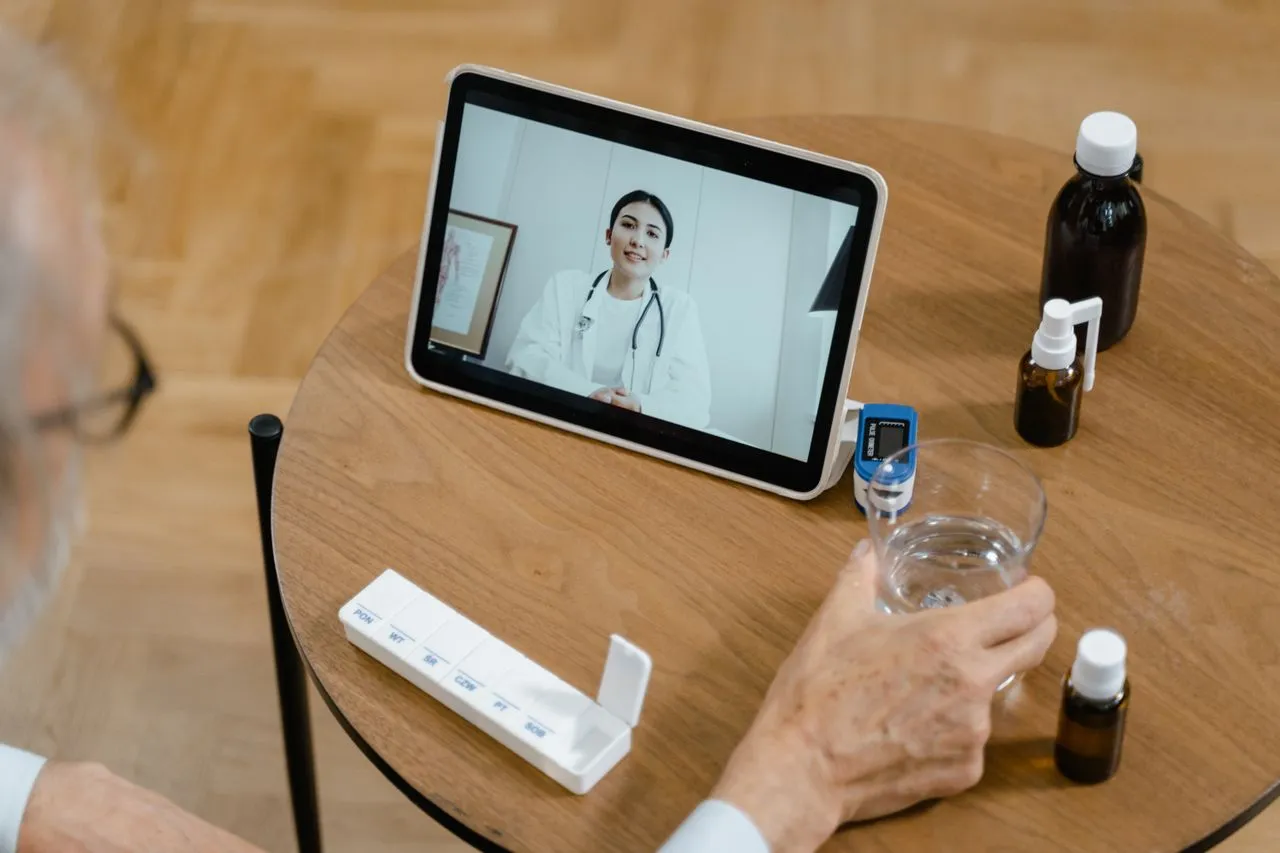
Virtual healthcare provides an alternative pathway that allows patients to receive medical advice without requiring physical travel.
Healthcare providers can evaluate symptoms, discuss treatment options, recommend home care, determine whether additional evaluation is necessary, and help patients understand when emergency care may be required.
This approach allows healthcare resources to remain accessible while reducing unnecessary visits to already burdened emergency departments.
In addition to providing virtual medical consultations, Teladoc Health is assisting eligible patients who require physician authorization for refilling non-narcotic prescription medications.
Medication interruptions are common following natural disasters.
Patients may evacuate without their prescriptions, lose medications during flooding, or encounter difficulties reaching pharmacies and healthcare providers.
For individuals managing chronic medical conditions such as hypertension, diabetes, asthma, thyroid disorders, or cardiovascular disease, missing medications can lead to worsening health complications.
By helping facilitate prescription refill authorizations where clinically appropriate, the disaster response program supports continuity of treatment while reducing unnecessary interruptions in medication therapy.
The company emphasizes that this service applies to eligible non-narcotic medications.
While virtual care offers valuable support for many healthcare concerns, Teladoc Health reminds patients that emergency medical conditions require immediate in-person treatment.
Individuals experiencing life-threatening symptoms such as chest pain, severe breathing difficulty, stroke symptoms, uncontrolled bleeding, major injuries, or other medical emergencies should contact emergency services by calling 911 rather than relying on telehealth consultations.
Virtual healthcare is intended to complement—not replace—emergency medical services.
Healthcare professionals using the telehealth platform can also advise patients when in-person emergency evaluation is necessary.
This helps ensure that patients receive care at the appropriate level based on the severity of their condition.
Over the past decade, telemedicine has become an increasingly valuable component of disaster response.
Healthcare organizations have recognized that virtual care can improve healthcare resilience during hurricanes, floods, wildfires, winter storms, earthquakes, and other emergencies.
Unlike traditional healthcare facilities, virtual care platforms often remain operational even when local infrastructure has been disrupted.
Patients can communicate with healthcare professionals using telephones, smartphones, tablets, or computers, allowing medical services to continue despite physical barriers.
Emergency telehealth programs have proven particularly valuable for rural communities, elderly patients, individuals with limited transportation, and families caring for children during disaster recovery.
The ability to rapidly deploy healthcare professionals across geographic boundaries further expands access when local resources become strained.
Dr. Ethan Berke, Chief Medical Officer and Senior Vice President of Integrated Care at Teladoc Health, emphasized the importance of maintaining healthcare access during emergencies.
According to Dr. Berke, disasters frequently disrupt routine medical care, and interruptions in treatment can result in serious health consequences.
He noted that virtual healthcare provides an important solution by connecting patients with licensed healthcare professionals during periods when traditional healthcare services may be difficult to access.
By making care available remotely, telehealth helps ensure individuals continue receiving medical guidance when timely intervention can make a meaningful difference.
His comments reflect the company’s broader commitment to using digital healthcare technologies to improve healthcare accessibility during both routine and emergency situations.
Teladoc Health’s emergency telehealth program supports evaluation and treatment for a broad range of common, non-emergency medical conditions affecting both adults and children.
Licensed healthcare providers can diagnose and recommend treatment for illnesses such as upper respiratory infections, seasonal allergies, sinus infections, common cold symptoms, influenza-like illnesses, urinary tract infections, skin conditions, gastrointestinal complaints, minor infections, headaches, and numerous other routine health concerns.
Providers may also offer guidance regarding symptom management, home care recommendations, over-the-counter medications, prescription therapies when appropriate, and follow-up care.
Because many of these conditions do not require physical examination beyond symptom assessment, they are well suited for virtual healthcare consultations.
Patients benefit from receiving timely medical advice without exposing themselves to unnecessary travel or crowded healthcare facilities.
Emergency telehealth services can be especially valuable for individuals with increased healthcare vulnerability.
Older adults, young children, pregnant individuals, people with chronic illnesses, and patients recovering from recent medical procedures may experience greater difficulty accessing healthcare following disasters.
Transportation limitations, mobility challenges, and disrupted caregiving arrangements may further complicate healthcare access.
Virtual consultations reduce many of these barriers by allowing patients to receive medical attention from their temporary residences, shelters, hotels, or evacuation locations.
This flexibility helps maintain continuity of care while supporting vulnerable populations throughout disaster recovery.
Disaster preparedness increasingly extends beyond emergency response agencies to include healthcare organizations capable of maintaining medical services under difficult conditions.
Telehealth has emerged as an important component of healthcare resilience strategies because it expands the ability of healthcare systems to continue serving patients even when physical facilities experience disruption.
Programs such as Teladoc Health’s Natural Disaster Hotline demonstrate how digital health technologies can supplement local healthcare resources during public emergencies.
Rather than replacing hospitals or community clinics, virtual care strengthens the overall healthcare system by reducing strain on emergency departments while ensuring patients with non-emergency conditions continue receiving timely care.
This coordinated approach improves healthcare availability while supporting broader disaster recovery efforts.
Teladoc Health has a long history of supporting communities affected by natural disasters through temporary emergency telehealth programs.
These initiatives reflect the company’s mission of improving healthcare access regardless of geographic location or environmental circumstances.
By removing financial barriers through no-cost consultations during declared disaster situations, the company helps ensure that healthcare remains available when patients may face significant economic and logistical challenges.
The program also illustrates the growing integration of digital healthcare into public health emergency planning.
As climate-related disasters continue affecting communities with increasing frequency, telehealth is expected to play an even greater role in maintaining healthcare continuity during crises.
The free virtual healthcare services offered by Teladoc Health provide an important lifeline for Louisiana residents recovering from the effects of Tropical Storm Arthur and severe flooding.
Through around-the-clock access to licensed healthcare professionals, assistance with eligible prescription refills, and treatment for a wide range of non-emergency medical conditions, the initiative helps ensure patients continue receiving essential healthcare despite disruptions caused by the disaster.
As communities work to restore infrastructure, reopen healthcare facilities, and return to normal daily life, accessible virtual care serves as an important bridge that keeps medical support within reach.
The program demonstrates how healthcare innovation can strengthen disaster response by combining clinical expertise with digital technology to deliver timely, convenient, and compassionate care when communities need it most.
By continuing to invest in emergency telehealth services, Teladoc Health reinforces the vital role virtual care can play in protecting public health, improving healthcare resilience, and ensuring patients remain connected to trusted medical professionals during some of the most challenging circumstances they may face.
Source link: https://www.teladochealth.com/