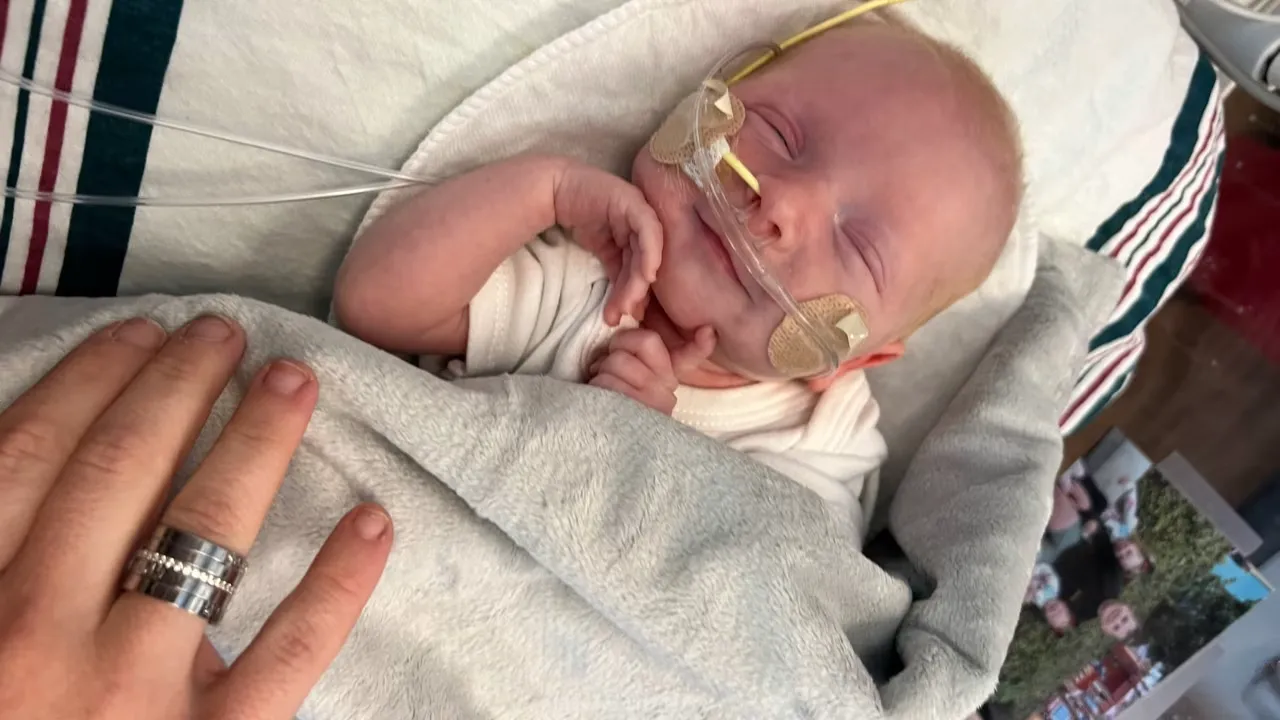
HCA Healthcare, has announced the publication of groundbreaking research in The New England Journal of Medicine (NEJM) that marks an important milestone in pediatric gene-editing therapy. The study presents encouraging clinical outcomes from the use of exagamglogene autotemcel (exa-cel), a CRISPR-based gene-editing treatment being investigated in children between the ages of 5 and 11 who are living with severe sickle cell disease (SCD) or transfusion-dependent beta thalassemia (TDT).
The findings represent one of the earliest comprehensive evaluations of CRISPR-based therapy in younger pediatric patients and could pave the way for earlier intervention in children suffering from inherited blood disorders that often begin causing irreversible complications during early childhood.
The research reinforces HCA Healthcare’s growing leadership in regenerative medicine, cellular therapy, and precision medicine while highlighting the organization’s commitment to advancing innovative treatments through collaborative clinical research.
Sickle cell disease and transfusion-dependent beta thalassemia are among the most serious inherited blood disorders affecting children worldwide. Both conditions are caused by genetic mutations that impair the body’s ability to produce healthy red blood cells.
Children diagnosed with these diseases frequently face lifelong medical challenges, including:
These complications often begin during infancy or early childhood and continue throughout adulthood, making early treatment a major goal for physicians and researchers.
Current therapies primarily focus on symptom management rather than correcting the underlying genetic cause of the diseases.
Gene-editing technologies such as CRISPR offer the possibility of changing that paradigm by targeting the disease at its source.
The newly published NEJM research was led by Dr. Haydar Frangoul, Medical Director of HCA Healthcare’s Sarah Cannon Transplant and Cellular Therapy Program at TriStar Centennial Children’s Hospital.
The clinical investigation was conducted in collaboration with the Sarah Cannon Research Institute, a global leader in oncology and cellular therapy research.
The study represents the first published clinical evaluation of exa-cel in children between the ages of five and eleven.
Until now, approved CRISPR therapies have primarily been available for patients aged twelve years and older.
Expanding research into younger children is particularly significant because many irreversible complications of these diseases occur well before adolescence.
According to Dr. Frangoul, the burden of both sickle cell disease and beta thalassemia begins very early in life, making timely intervention critically important.
He emphasized that the encouraging findings strengthen confidence in gene-editing therapy while underscoring the importance of continuing rigorous clinical research to expand treatment options for children affected by these life-altering diseases.
Sickle cell disease is the most common inherited blood disorder in the United States.
According to the Centers for Disease Control and Prevention (CDC), approximately 100,000 Americans live with sickle cell disease.
The disorder results from a mutation in the gene responsible for producing hemoglobin—the protein that carries oxygen through the bloodstream.
Instead of maintaining their normal round shape, affected red blood cells become rigid and crescent-shaped, or “sickle” cells.
These abnormal cells can block blood vessels, reducing oxygen delivery throughout the body.
As a result, patients often experience:
Children frequently require emergency care and repeated hospital admissions throughout their lives.
Beta thalassemia is another inherited blood disorder caused by mutations affecting hemoglobin production.
In severe cases, patients cannot produce enough healthy red blood cells, resulting in profound anemia.
Many children with transfusion-dependent beta thalassemia require blood transfusions every few weeks simply to survive.
While transfusions help manage anemia, they introduce additional complications including:
Many patients must also receive iron-chelation therapy to prevent toxic iron accumulation caused by frequent transfusions.
A therapy capable of eliminating transfusion dependence would therefore represent a transformative improvement in quality of life.
The investigational therapy evaluated in the study—exagamglogene autotemcel (exa-cel)—uses CRISPR/Cas9 gene-editing technology.
Rather than introducing new genes into the body, CRISPR precisely edits a patient’s own blood-forming stem cells.
The treatment process involves several carefully controlled steps.
First, physicians collect stem cells from the patient’s bone marrow or bloodstream.
These cells are then genetically modified in the laboratory using CRISPR technology.
The editing process activates production of fetal hemoglobin, a naturally occurring form of hemoglobin present before birth.
Unlike defective adult hemoglobin responsible for sickle cell disease and beta thalassemia, fetal hemoglobin functions normally and helps healthy red blood cells carry oxygen efficiently.
Once editing is complete, patients undergo myeloablative conditioning, an intensive chemotherapy regimen that clears existing bone marrow cells.
The edited stem cells are then infused back into the patient’s body, where they establish new blood production capable of generating healthier red blood cells.
Because the therapy uses the patient’s own cells, it reduces concerns associated with donor matching and transplant rejection.
The published findings draw upon two Phase 3 clinical studies involving 26 pediatric participants aged between five and eleven years.
The study population included:
Researchers evaluated safety and effectiveness after treatment.
Among participants who had completed sufficient follow-up to assess the primary study endpoints, the results were highly encouraging.
Every evaluated child with transfusion-dependent beta thalassemia achieved complete transfusion independence for at least twelve consecutive months following treatment.
Specifically:
Achieving sustained transfusion independence represents one of the most meaningful therapeutic goals for patients with severe beta thalassemia.
Results were equally promising among children with sickle cell disease.
All eight evaluable patients remained free of severe vaso-occlusive crises for at least one year after treatment.
Vaso-occlusive crises are among the most debilitating complications of sickle cell disease.
They occur when sickled blood cells obstruct circulation, producing severe pain that often requires hospitalization and emergency treatment.
Preventing these episodes has the potential to dramatically improve quality of life while reducing long-term organ damage.
Perhaps the most significant implication of the study is the possibility of treating children before irreversible complications develop.
Historically, many disease-related injuries accumulate during childhood.
Repeated pain crises, chronic anemia, inflammation, and organ damage may begin years before patients become eligible for advanced therapies.
Earlier gene editing could potentially:
Researchers believe that intervening during early childhood may maximize the long-term benefits of curative therapies.
HCA Healthcare continues to strengthen its position as one of America’s leading clinical research organizations.
Speaking about the publication, Dr. Michael Cuffe, Executive Vice President and Chief Clinical Officer of HCA Healthcare, emphasized that studies such as these demonstrate the critical role of research in advancing medicine and expanding treatment possibilities for patients with serious diseases.
He noted that through the HCA Healthcare Research Institute, working alongside the Sarah Cannon Research Institute, the organization continues helping develop innovative therapies capable of transforming patient care.
The collaboration has enabled physicians and scientists to conduct complex clinical trials that accelerate access to next-generation treatments.
The current NEJM publication builds upon years of pioneering work in gene-editing research.
Dr. Haydar Frangoul previously served as an investigator in the first U.S. clinical trial using CRISPR technology to treat sickle cell disease.
That landmark research ultimately contributed to the development and FDA approval of the first CRISPR-based therapy available in the United States for eligible patients aged 12 years and older.
The latest pediatric study represents the next logical step in expanding access to younger patients.
Notably, Vertex Pharmaceuticals Incorporated sponsored both the original gene-editing trial and the current pediatric investigation.
Dr. Frangoul has also emerged as one of the world’s leading experts in clinical CRISPR research.
In 2026 alone, he has authored five separate gene-editing studies published in The New England Journal of Medicine, underscoring his significant contributions to the rapidly evolving field of genomic medicine.
Building upon these research achievements, HCA Healthcare’s Sarah Cannon Transplant and Cellular Therapy Network continues expanding access to FDA-approved gene-editing therapies across the United States.
The network performs more than 1,600 blood and marrow transplants and cellular therapy procedures annually, making it one of the nation’s largest providers of advanced cellular therapies.
Currently, specialized gene-editing treatment programs are available at:
Additionally, Medical City Children’s Hospital in Dallas is preparing to launch similar services, further increasing access for eligible pediatric patients.
These specialized centers combine expertise in bone marrow transplantation, cellular therapy, genetics, hematology, and pediatric critical care to support patients undergoing complex gene-editing procedures.
The publication of this landmark NEJM study signals an exciting step forward in pediatric precision medicine.
While additional long-term follow-up will continue to evaluate durability, safety, and lifelong outcomes, the early results suggest that CRISPR-based therapies may fundamentally reshape treatment for inherited blood disorders.
For children living with severe sickle cell disease or transfusion-dependent beta thalassemia, earlier intervention could help prevent years of suffering and dramatically improve long-term health outcomes.
As HCA Healthcare, the Sarah Cannon Research Institute, and their research partners continue advancing clinical investigations, gene-editing technology is steadily moving from scientific promise toward becoming a transformative standard of care for patients with inherited diseases.
The study not only highlights the remarkable progress achieved through collaborative medical research but also offers renewed hope to thousands of families seeking safer, more effective, and potentially life-changing treatments for serious childhood blood disorders.
Source link: https://investor.hcahealthcare.com/