Kin Health, a healthcare technology startup founded by practicing physicians, has announced a $9 million seed funding round aimed at transforming how patients understand and manage their medical care. The Los Angeles-based company is developing a consumer-focused health platform that captures doctor-patient conversations during medical appointments and converts them into clear, easy-to-understand summaries that patients can review, share, and act upon long after leaving the clinic.
The funding round was led by Maveron, with participation from Town Hall Ventures, Flex Capital, Eniac Ventures, The Family Fund, Pear VC, Watershed Ventures, and Foundry Square Capital. The round also included notable angel investors such as Doug Hirsch, Trevor Bezdek, Nabeel Quryshi, Jay Desai, Alex Cohen, Saharsh Patel, along with more than 30 physicians who believe the platform could reshape the patient experience.
Kin Health’s mission centers on a problem that affects millions of patients every day: forgetting or misunderstanding medical advice after appointments. While healthcare systems worldwide have invested billions of dollars into digitization, documentation systems, billing software, and physician tools, the patient’s experience during and after a medical visit has remained largely unchanged. Most people still leave appointments trying to remember complex instructions, diagnoses, medication details, and follow-up recommendations without any reliable, personalized summary.
Research cited by the company highlights the seriousness of the issue. Patients remember only about 49% of medical recommendations and decisions discussed during visits. For patients with lower educational backgrounds, that number falls even further. Many patients forget treatment instructions entirely, leading to medication non-adherence, delayed follow-ups, avoidable complications, and poor health outcomes. In emotionally stressful moments, such as receiving difficult diagnoses or discussing long-term illnesses, retaining information becomes even more difficult.
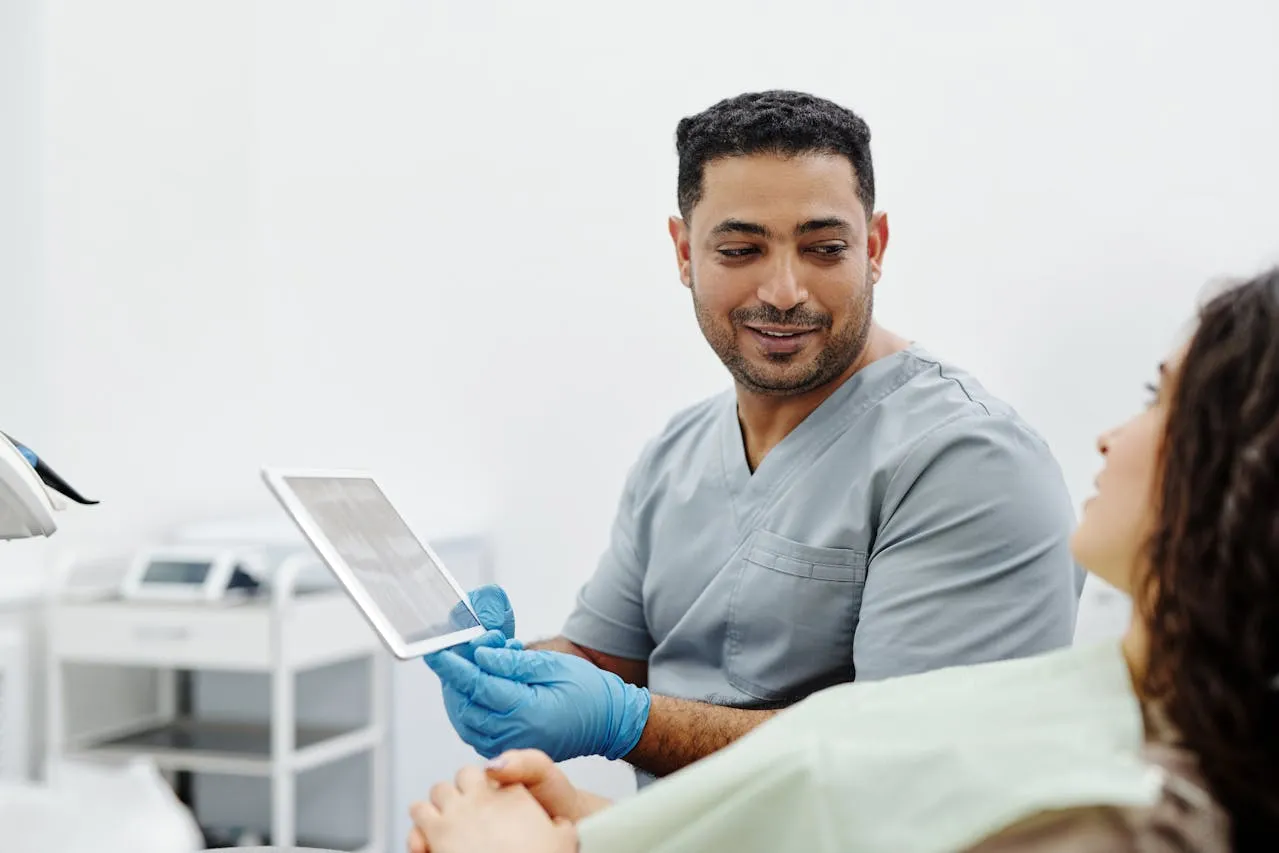
Kin Health believes the solution lies in making healthcare conversations more accessible and understandable. The company’s free mobile application records medical appointments — with appropriate patient consent — and uses advanced technology to translate those conversations into simplified summaries written in plain language. Instead of medical jargon and fragmented notes, patients receive organized explanations about their condition, prescriptions, next steps, and care instructions.
The platform also allows users to create a personalized longitudinal health record over time. Every appointment summary becomes part of a continuously evolving medical history built directly from physician conversations rather than disconnected paperwork or incomplete electronic records. Patients can revisit previous visits, track treatment progress, and share information with caregivers, family members, or specialists whenever needed.
According to Kin Health, this approach addresses one of the most overlooked gaps in healthcare technology. In recent years, hospitals and clinics have rapidly adopted AI-powered ambient scribe technologies designed to assist physicians with documentation and administrative tasks. These systems help doctors automatically generate notes and reduce paperwork burdens. However, most existing solutions are designed primarily for healthcare providers, not for patients themselves.
The company was founded by brothers Amit Parikh and Arpan Parikh, both practicing physicians who witnessed firsthand how patients struggle to process important medical information after appointments. Joining them is Kyle Alwyn, founder of HeyDoctor, a consumer healthcare startup later acquired by GoodRx.
The founders say their personal clinical experiences strongly shaped the creation of the platform. As physicians, they repeatedly saw patients leave exam rooms confused, overwhelmed, or unable to remember critical recommendations. They recognized that even highly skilled medical care loses value if patients cannot fully understand or follow through on treatment plans.
Amit Parikh explained that effective healthcare depends heavily on communication between doctors and patients. He emphasized that patients often leave appointments carrying uncertainty about diagnoses, medications, and lifestyle recommendations. Kin Health was built to bridge that communication gap by giving patients a practical tool to revisit and better understand their care discussions.
Arpan Parikh, who serves as CEO, noted that the physician-patient conversation is the most important moment in the healthcare journey because every future action — from medication adherence to scheduling follow-ups — depends on whether the patient understood what was discussed. He said existing healthcare innovation has largely ignored that crucial interaction from the patient’s perspective, leaving millions without reliable access to the information shared during appointments.
The involvement of GoodRx co-founders Doug Hirsch and Trevor Bezdek adds significant credibility to Kin’s long-term vision. Both executives have joined Kin as founding partners and executive chairmen. Their support reflects confidence in a healthcare business model focused on accessibility and consumer empowerment rather than subscription fees.
Hirsch stated that Kin represents a natural evolution of consumer-focused healthcare innovation. He pointed to the success of GoodRx, which demonstrated that healthcare businesses could scale successfully while remaining free for patients. According to Hirsch, Kin is applying that same philosophy to an earlier stage of the patient journey by helping individuals better understand and navigate medical care from the moment they meet with physicians.
Like GoodRx, Kin plans to keep its core service free for consumers. Rather than charging patients directly, the company expects to generate revenue through downstream healthcare services that naturally emerge after medical appointments, including specialist referrals, prescription fulfillment, laboratory testing, and care coordination opportunities.
Kyle Alwyn explained that the company’s philosophy is rooted in removing barriers rather than adding them. He said the best consumer health products succeed by simplifying healthcare experiences and helping patients follow through on recommended care. The platform’s success, he added, depends on improving patient outcomes and engagement rather than monetizing access to basic health information.
The newly raised capital will support several major growth initiatives for the company. Kin plans to expand its consumer application, strengthen its health record infrastructure, and continue building advanced clinical-quality systems designed to ensure the accuracy and reliability of appointment summaries. The company is also preparing to introduce additional care navigation features that will help patients take action after appointments, such as managing referrals, scheduling follow-ups, accessing treatments, and coordinating with caregivers.
Investors believe the opportunity is massive because nearly every patient faces similar challenges after doctor visits. Natalie Dillon, partner at Maveron, described the lack of reliable appointment records as one of healthcare’s most universal friction points. She emphasized that patients attend roughly one billion physician appointments annually in the United States alone, yet most still leave without a clear, usable record of what was discussed.
Dillon said Kin’s leadership team combines clinical expertise, consumer health experience, and technology innovation in a way that positions the company to solve a deeply rooted healthcare problem. Investors see the platform not only as a productivity tool but also as a foundational layer for future patient-centered healthcare experiences.
As artificial intelligence continues transforming healthcare, Kin Health is entering a rapidly evolving market where consumers increasingly expect digital support, personalized information, and greater ownership of their medical data. The company’s approach reflects a broader shift toward patient empowerment, transparency, and accessibility in healthcare technology.
By focusing directly on the doctor-patient conversation, Kin Health hopes to redefine how patients engage with medical information, ensuring they no longer leave appointments uncertain about what was said or what steps they need to take next.
Kin Health is a free app that records medical appointments and translates them into plain-language summaries, giving patients clarity on what happened and what to do next. Over time, Kin builds a personal health record from the conversations that drive all downstream care, making it actionable, comprehensible and sharable with caregivers and loved ones. Kin is headquartered in Los Angeles and was founded by practicing physicians Arpan and Amit Parikh, Kyle Alwyn, and GoodRx co-founders Doug Hirsch and Trevor Bezdek