It is entirely possible to feel perfectly healthy and still be at serious risk. High blood pressure, medically known as hypertension, is often described as a “silent” condition because it can develop and progress without any noticeable symptoms. While a person may feel completely normal, significant damage could already be occurring inside the body, affecting vital organs and systems over time.
Many individuals are unaware of their condition until complications arise. This makes hypertension particularly dangerous, as it quietly increases the risk of life-threatening events such as heart attacks, strokes, kidney disease, and more.
Hypertension earns its reputation as a silent condition because it rarely presents clear warning signs in its early stages. Unlike other health issues that cause discomfort or visible symptoms, high blood pressure can remain undetected for years. During this time, the force of blood pushing against artery walls remains elevated, gradually causing damage.
Even without symptoms, the body is under constant strain. The heart, blood vessels, brain, kidneys, and eyes are particularly vulnerable. This hidden progression is what makes hypertension so concerning—it does not demand attention until it has already caused harm.
Think of it like a system under pressure. When water is forced through a narrow pipe, the pressure increases, placing stress on the structure of the pipe itself. Similarly, when blood vessels narrow or stiffen, the heart must pump harder to circulate blood, leading to long-term consequences.
The inner lining of blood vessels becomes damaged due to the constant force of blood flow. Over time, this leads to thickening and narrowing of the arteries, reducing their flexibility. This condition, often referred to as vascular stiffness, increases resistance and makes it harder for blood to flow efficiently.
As resistance in the blood vessels rises, the heart must work harder to pump blood throughout the body. This extra effort can cause the heart muscle to thicken and enlarge, a condition known as left ventricular hypertrophy. While this may initially help the heart cope, it eventually weakens its ability to function effectively, increasing the risk of heart failure and abnormal heart rhythms.
Damaged blood vessels are more prone to plaque buildup, a process known as atherosclerosis. These plaques can narrow or block arteries that supply blood to the heart, potentially leading to a heart attack. Reduced blood flow can also deprive the heart muscle of oxygen, further increasing risk.
The brain relies on a steady supply of oxygen-rich blood. When blood vessels in the brain are damaged or blocked, it can result in a stroke. Hypertension is one of the leading risk factors for both ischemic strokes (caused by blockages) and hemorrhagic strokes (caused by ruptured vessels).
The kidneys play a critical role in filtering waste and maintaining fluid balance. They depend on a network of delicate blood vessels to function properly. High blood pressure can damage these vessels, reducing the kidneys’ ability to filter blood effectively. Over time, this may lead to chronic kidney disease or even kidney failure.
The tiny blood vessels in the eyes are also vulnerable. Damage to these vessels can lead to hypertensive retinopathy, which may cause blurred vision or, in severe cases, vision loss.
This widespread impact on multiple organs is often referred to as “end-organ damage,” highlighting how hypertension affects the body as a whole rather than a single system.
One of the most challenging aspects of hypertension is the lack of symptoms. Most people with high blood pressure feel completely fine, which can create a false sense of security.
In some cases, symptoms may appear, but they are often subtle or occur only when blood pressure reaches dangerously high levels. These may include:
However, relying on symptoms is risky. By the time these signs appear, significant damage may already have occurred. This is why hypertension cannot be diagnosed based on how a person feels—it requires proper measurement and monitoring.
Blood pressure is measured using two numbers:
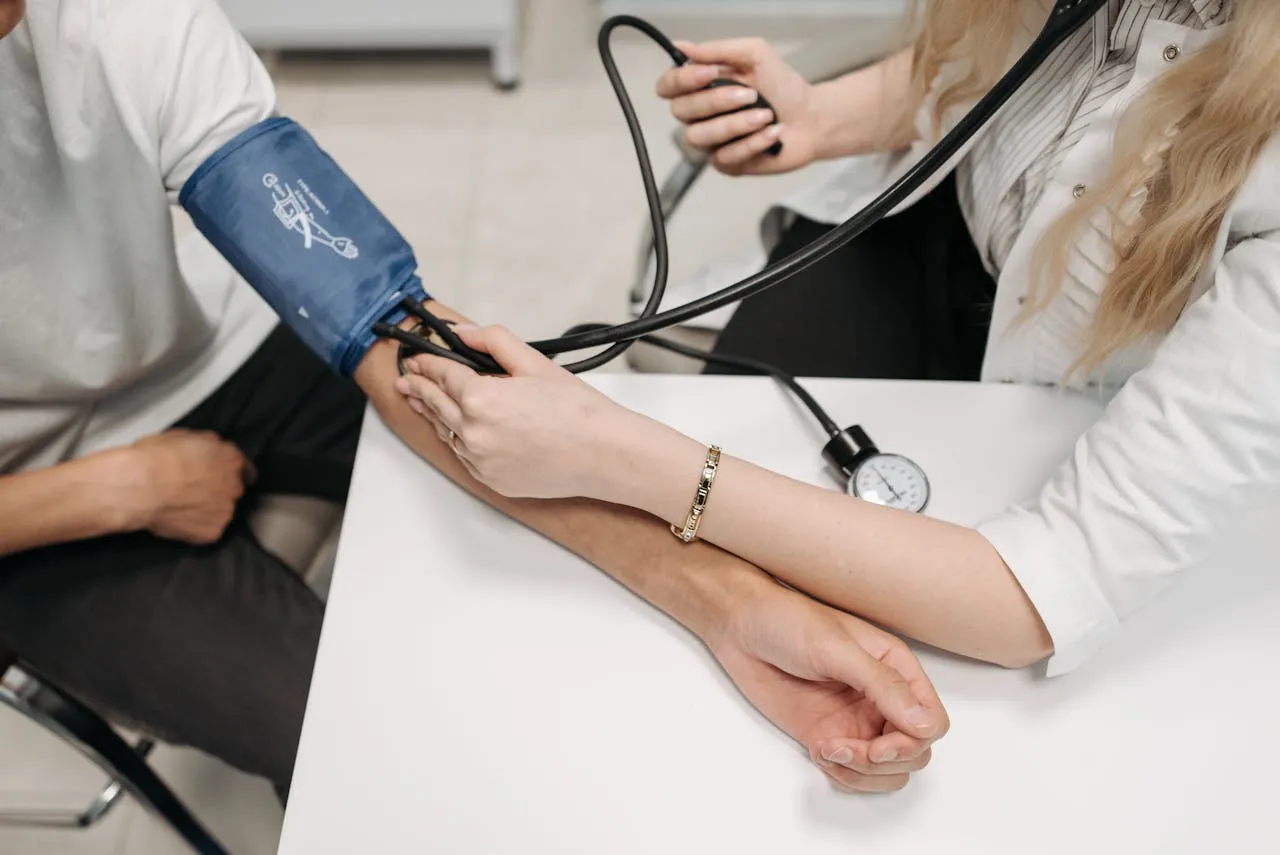
A single reading does not provide a complete picture. Blood pressure can fluctuate throughout the day due to stress, physical activity, or even caffeine intake. For this reason, healthcare professionals look at patterns over time rather than isolated measurements.
Diagnosis is typically based on consistently elevated readings taken across multiple visits or through home monitoring. Doctors also consider additional factors such as:
This comprehensive approach helps determine an individual’s overall risk and guides treatment decisions.
The management of hypertension is not a one-size-fits-all approach. Treatment plans are tailored to each individual based on their risk profile, overall health, and blood pressure levels.
For many people, the first line of treatment involves making healthier lifestyle choices. These changes can significantly reduce blood pressure and improve overall well-being:
These adjustments not only help control blood pressure but also reduce the risk of related complications.
In some cases, lifestyle changes alone may not be enough. Medications may be prescribed to help lower blood pressure and protect organs from damage. The type and combination of medication depend on the individual’s condition and response to treatment.
Ongoing monitoring is essential. Doctors may adjust treatment plans over time to ensure optimal control and minimize side effects.
Because hypertension often develops without symptoms, regular screening is crucial. Routine blood pressure checks can detect the condition early, allowing for timely intervention and reducing the risk of complications.
Screening is especially important for individuals with risk factors such as:
Even those without known risk factors should have their blood pressure checked periodically, as hypertension can affect anyone.
It is always better to be proactive when it comes to health. If there is any concern about blood pressure—or even uncertainty—it is wise to consult a qualified healthcare professional.
Hypertension is a chronic condition that requires long-term management. It is not something that can be addressed with a one-time intervention. Instead, it involves an ongoing partnership between the patient and their healthcare provider.
Regular check-ups, adherence to treatment plans, and open communication with a doctor are key to maintaining control and preventing complications.
High blood pressure may be silent, but its effects are far-reaching. The absence of symptoms does not mean the absence of risk. Understanding how hypertension works and taking steps to monitor and manage it can make a significant difference in long-term health outcomes.
By prioritizing regular screenings, adopting healthier habits, and seeking medical guidance when needed, individuals can take control of their blood pressure and reduce the risk of serious complications.
Ultimately, staying informed and proactive is the most effective way to protect your health—because when it comes to hypertension, what you don’t feel can still harm you.
In conclusion, high blood pressure may not always make its presence felt, but its impact on the body can be profound and long-lasting. The absence of symptoms should never be mistaken for good health, as hypertension can quietly damage vital organs over time. This makes regular monitoring and early detection essential.
Managing hypertension is an ongoing process that relies on awareness, consistent check-ups, and a collaborative approach between patients and healthcare professionals. By staying informed, adopting healthy lifestyle habits, and seeking medical guidance when needed, individuals can significantly reduce their risk of serious complications.
Ultimately, taking proactive steps today can help protect your long-term health. Regular blood pressure checks and timely medical advice remain the most effective ways to stay ahead of this silent condition and maintain overall well-being.