
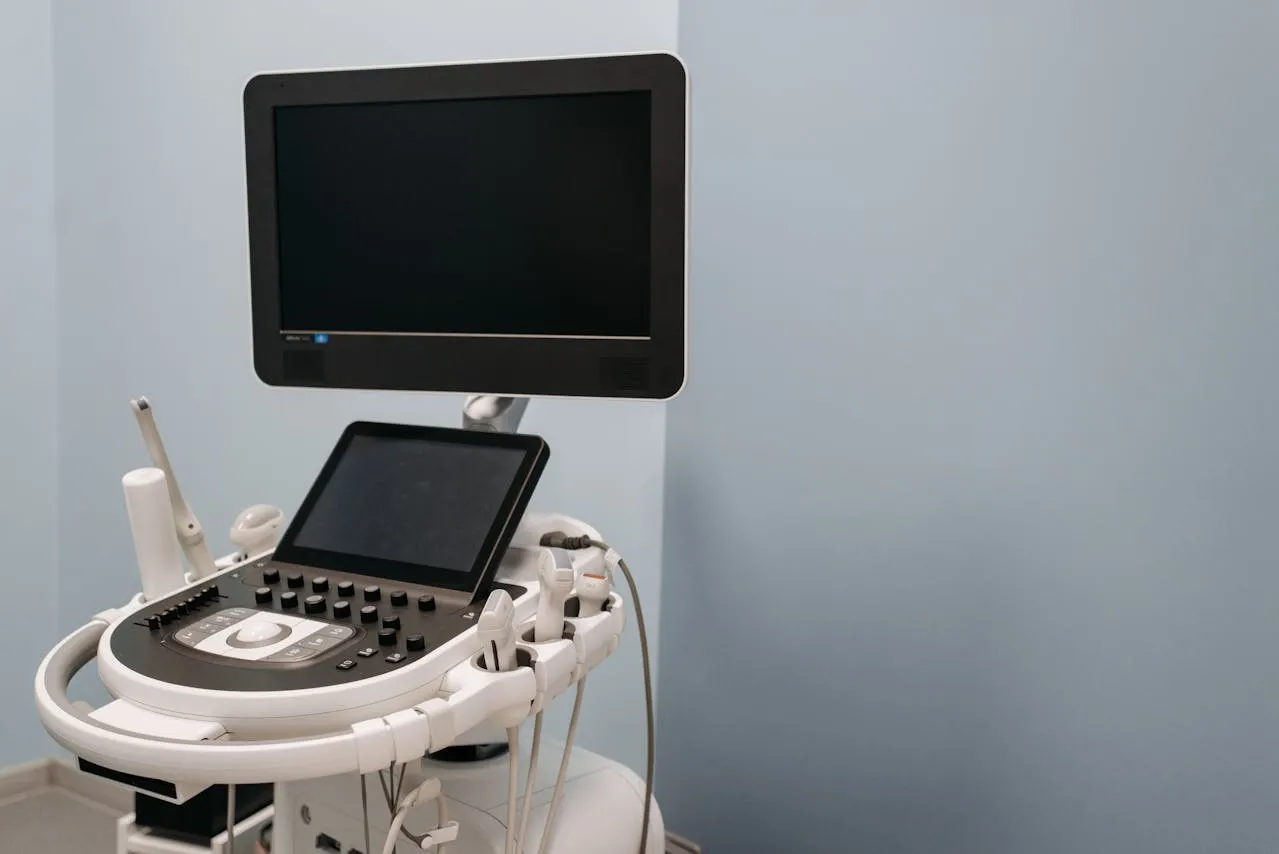
Information Services Group (ISG), a global AI-centered technology research and advisory firm, has initiated an in-depth research study to evaluate service providers supporting the medical device industry in adopting advanced digital technologies. This upcoming ISG Provider Lens® report series will focus on how providers are embedding AI-driven capabilities into medical devices to enhance patient care, streamline operations, and ensure regulatory compliance.
The findings from this study will be published in October 2026 under the title Medical Device Digital Services, offering valuable insights into a rapidly evolving sector that is increasingly driven by digital transformation.
The medical device industry is undergoing a significant transformation. With growing demand for smarter, connected, and patient-centric healthcare solutions, companies are increasingly integrating advanced technologies such as artificial intelligence (AI), cloud computing, and the Internet of Things (IoT) into their products.
These innovations enable real-time data collection and analysis, allowing healthcare providers to make faster and more accurate treatment decisions. For example, connected medical devices can continuously monitor patient health metrics, providing actionable insights that improve outcomes and reduce hospital readmissions.
However, this shift toward digitalization also introduces new complexities. Medical device manufacturers must now manage vast amounts of data, ensure interoperability between systems, and comply with stringent global regulatory standards. As a result, many organizations are seeking external expertise to navigate these challenges effectively.
To address the increasing technological and regulatory demands, medical device firms are partnering with specialized digital service providers. These providers offer expertise in areas such as digital engineering, regulatory compliance, quality assurance, and AI-driven innovation.
By collaborating with these partners, companies can accelerate product development cycles, reduce costs, and bring innovative solutions to market more efficiently. Service providers also help organizations stay compliant with evolving regulations, which is critical in an industry where patient safety is paramount.
According to ISG, this trend reflects a broader shift in the industry—from traditional hardware-focused manufacturing to a more software- and data-driven approach. Service providers play a crucial role in enabling this transition by delivering scalable solutions and advanced technical capabilities.
The ISG Provider Lens® study aims to evaluate more than 100 service providers operating in the medical device digital services space. The research will be conducted in collaboration with ISG’s global advisory team, ensuring a comprehensive and practical assessment of the market.
The study will produce a series of reports that analyze providers across multiple dimensions, including their technological capabilities, market presence, and ability to deliver value to clients. These reports are designed to help enterprise buyers make informed decisions about vendor selection and partnership strategies.
In addition, ISG advisors will use the findings to guide their buy-side clients in identifying the most suitable service providers for their specific needs.
The study will focus on three primary quadrants, each representing a critical area of service within the medical device digital ecosystem.
This quadrant will evaluate providers that offer end-to-end digital engineering and product development services. These services include the design, development, testing, and enhancement of connected and software-driven medical devices.
Providers in this category are assessed based on their ability to:
As medical devices become increasingly software-centric, the role of digital engineering providers is becoming more critical in driving innovation and competitiveness.
Regulatory compliance remains one of the most challenging aspects of the medical device industry. This quadrant will assess providers that specialize in helping companies navigate complex regulatory frameworks while maintaining high standards of quality and safety.
Key evaluation criteria include:
These providers play a vital role in ensuring that medical devices meet all قانونی and safety requirements before and after they reach the market.
The third quadrant focuses on providers delivering AI-based and other digital solutions for post-market activities. This includes monitoring device performance, analyzing real-world data, and enabling continuous product improvement.
Key capabilities evaluated in this quadrant include:
As AI enters an early scaling phase in the medical device sector, it is becoming a key driver of innovation—particularly in post-market scenarios where continuous data analysis can significantly improve outcomes.
The ISG Provider Lens® reports will provide a global perspective on the medical device digital services market, with specific insights into key regions such as the United States and Europe.
These regions are at the forefront of medical device innovation and regulation, making them critical markets for analysis. The reports will examine the products, services, and competitive landscape within these geographies, offering region-specific insights for enterprises operating or planning to expand in these areas.
The study will be authored by ISG analysts Rohan Sinha (U.S.) and Sneha Jayanth (Europe), who bring extensive expertise in healthcare technology and digital transformation.
The insights generated from this study will be highly valuable for enterprise buyers in the medical device sector. Organizations can use the reports to:
By leveraging ISG’s research, companies can gain a clearer understanding of the market landscape and select partners that align with their strategic goals.
A notable feature of the 2026 ISG Provider Lens® evaluations is the inclusion of expanded customer experience (CX) data. This data is based on ISG’s continuous research into enterprise experiences with specific service providers and solutions.
The inclusion of CX insights allows for a more holistic evaluation of providers, going beyond technical capabilities to assess real-world performance and client satisfaction. This approach ensures that the reports reflect not only what providers claim to offer but also how effectively they deliver those services in practice.
While digital transformation presents significant opportunities, it also introduces several challenges for medical device companies. These include:
Service providers evaluated in the ISG study are expected to address these challenges through innovative solutions, robust frameworks, and scalable delivery models.
The medical device industry is poised for continued growth and innovation, driven by advancements in AI, cloud computing, and connected technologies. As these trends accelerate, the role of digital service providers will become even more critical.
The ISG Provider Lens® study aims to provide a comprehensive roadmap for navigating this evolving landscape. By identifying leading providers and analyzing key trends, the reports will serve as a valuable resource for organizations seeking to stay competitive in a rapidly changing market.
ISG’s upcoming study on medical device digital service providers highlights the growing importance of digital transformation in healthcare. By evaluating providers across key areas such as digital engineering, regulatory compliance, and AI-driven innovation, the research will offer actionable insights for enterprises looking to enhance their capabilities.
As the industry shifts toward more connected, data-driven solutions, partnerships with the right service providers will be essential for success. The ISG Provider Lens® reports will play a crucial role in guiding these decisions, helping organizations deliver better patient outcomes while navigating the complexities of modern healthcare technology.
ISG (Nasdaq: III) is a global AI-centered technology research and advisory firm. A trusted partner to more than 900 clients, including 75 of the world’s top 100 enterprises, ISG is a long-time leader in technology and business services that is now at the forefront of leveraging AI to help organizations achieve operational excellence and faster growth. The firm, founded in 2006, is known for its proprietary market data and research, in-depth knowledge and governance of provider ecosystems, and the expertise of its 1,500 professionals worldwide working together to help clients maximize the value of their technology investments.