The global healthcare landscape is undergoing a profound transformation, driven by rapid technological advancements and an increasing focus on personalized, preventive care. One of the most critical intersections in modern medicine is cardio-oncology—a specialized field addressing the cardiovascular complications that arise in cancer patients and survivors. As cancer therapies improve and survival rates increase, the long-term effects of these treatments on heart health have become a growing concern. In response to this challenge, large-scale collaborative efforts are emerging to bridge gaps between oncology and cardiology, with the goal of delivering more integrated and proactive care.
Among these initiatives, the COMPASS consortium stands out as a landmark effort. Established under the European Union’s Innovative Health Initiative (IHI), COMPASS represents one of the most significant public-private partnerships dedicated to advancing cardio-oncology. With a total budget of €50.5 million and the participation of more than sixty partners, the consortium reflects an unprecedented level of collaboration across healthcare providers, research institutions, technology companies, and policymakers.
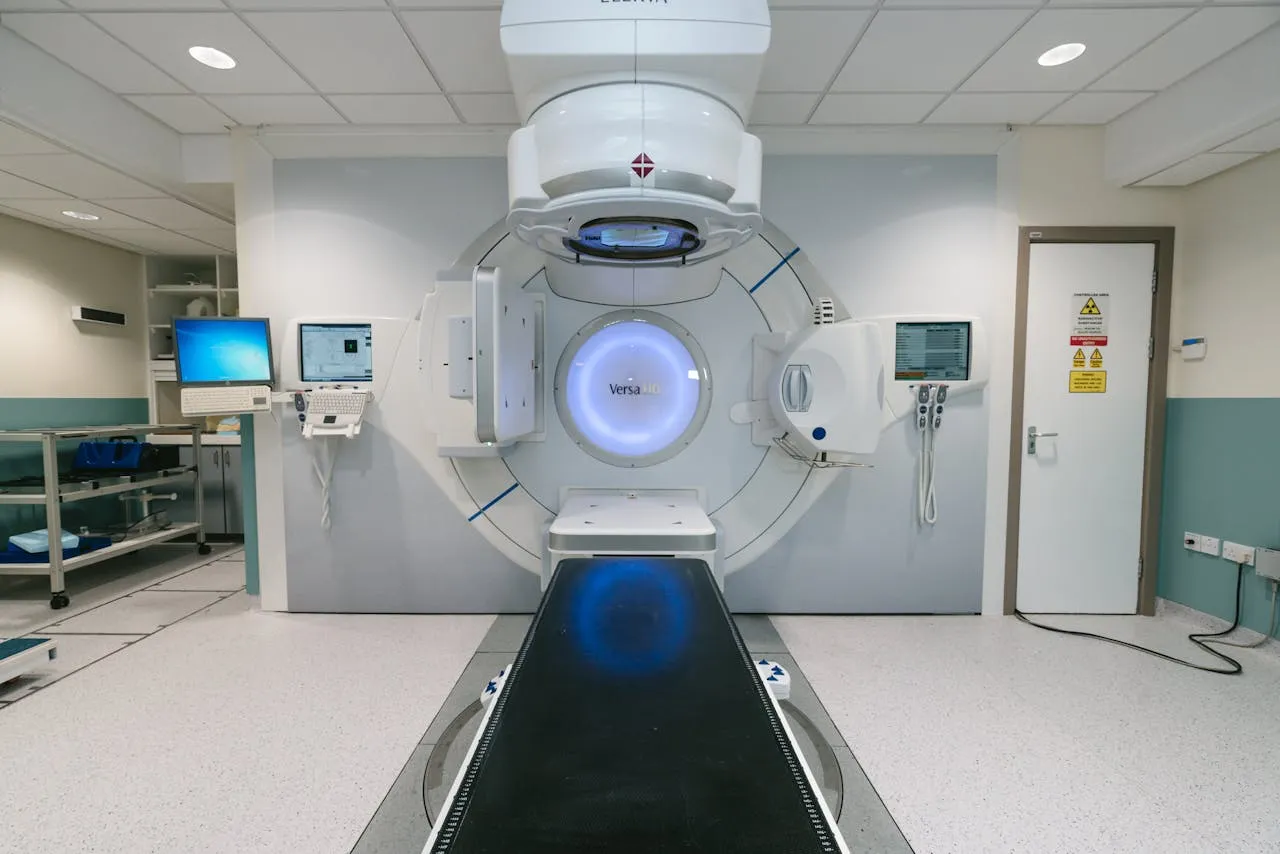
The core mission of COMPASS is to improve the early detection and prediction of cardiotoxicity in cancer patients and survivors. Cardiotoxicity refers to the damage that certain cancer treatments—such as chemotherapy, targeted therapies, and radiation—can cause to the heart. These adverse effects may not always be immediately apparent, often developing months or even years after treatment. As a result, many cancer survivors face an increased risk of cardiovascular disease, which can significantly impact their quality of life and long-term survival.
Recognizing this challenge, COMPASS aims to shift the paradigm from reactive treatment to proactive prevention. By focusing on early diagnosis and risk assessment, the consortium seeks to identify patients who are most likely to develop cardiovascular complications and intervene before significant damage occurs. This approach has the potential to not only improve patient outcomes but also reduce the overall burden on healthcare systems.
A defining feature of the COMPASS initiative is its emphasis on innovation. The consortium will leverage a combination of cutting-edge technologies to achieve its objectives. Artificial intelligence (AI) will play a central role, enabling the analysis of large and complex datasets to uncover patterns and risk factors that may not be visible through traditional methods. Machine learning algorithms can help predict which patients are at higher risk of cardiotoxicity, allowing clinicians to tailor treatment plans accordingly.
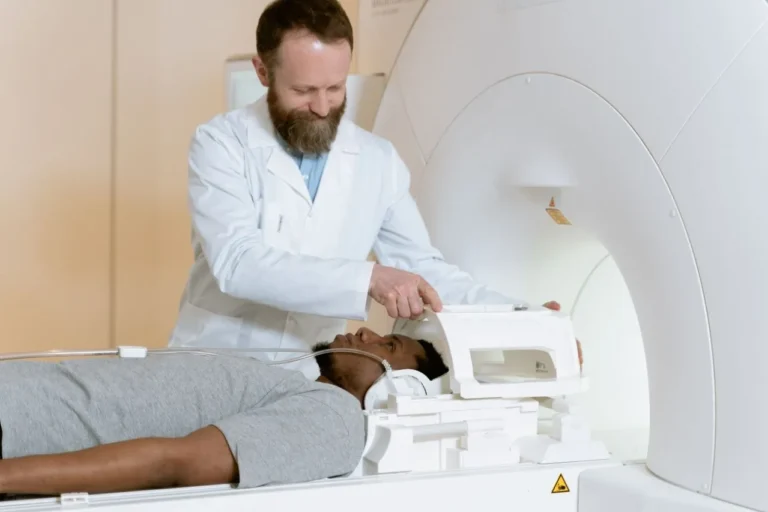
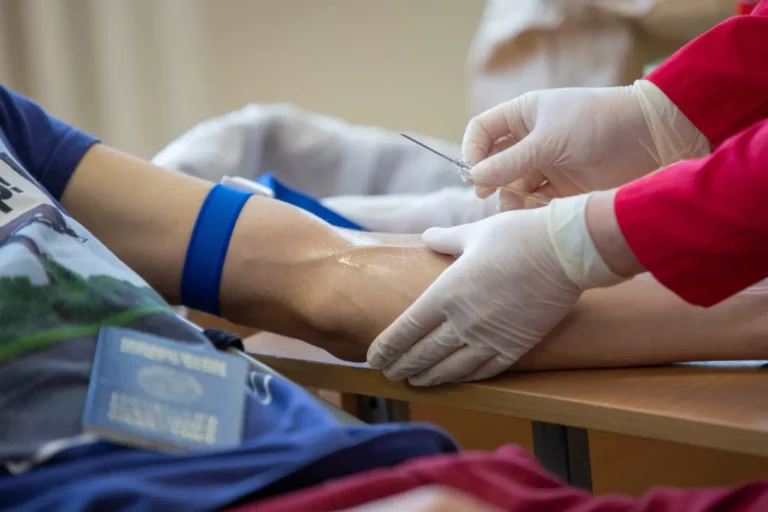
In addition to AI, advanced imaging technologies will be used to monitor cardiac function with greater precision. Techniques such as high-resolution echocardiography and cardiac MRI can detect subtle changes in heart structure and performance, providing early warning signs of potential complications. These tools will be complemented by the use of biomarkers—biological indicators that can signal the presence of disease or physiological changes. By integrating imaging data with biomarker analysis, clinicians can gain a more comprehensive understanding of a patient’s cardiovascular health.
Another key component of COMPASS is the development of integrated care pathways. Traditionally, oncology and cardiology have operated as separate disciplines, often leading to fragmented care for patients. COMPASS seeks to break down these silos by fostering collaboration between specialists and creating standardized protocols for managing cardiovascular risk in cancer patients. This holistic approach ensures that patients receive coordinated care throughout their treatment journey, from diagnosis to survivorship.
The initiative also places a strong emphasis on data sharing and collaboration. With more than sixty partners involved, COMPASS brings together a diverse range of expertise and resources. This collaborative framework enables the pooling of data from multiple sources, creating a rich and comprehensive dataset that can drive research and innovation. By working together, consortium members can accelerate the development of new tools, therapies, and best practices in cardio-oncology.
GE HealthCare’s involvement in COMPASS highlights the critical role of industry leaders in advancing healthcare innovation. By taking on a leading role within the consortium, the company contributes its expertise in medical technology, data analytics, and clinical solutions. This collaboration underscores the importance of public-private partnerships in addressing complex healthcare challenges that no single organization can tackle alone.
The five-year timeline of the COMPASS project reflects both its ambition and its long-term vision. Over this period, the consortium aims to deliver tangible outcomes, including improved diagnostic tools, validated risk prediction models, and evidence-based guidelines for clinical practice. These advancements are expected to have a lasting impact on the field of cardio-oncology, benefiting patients across Europe and potentially serving as a model for similar initiatives worldwide.
Beyond its immediate objectives, COMPASS also has broader implications for the future of healthcare. The integration of AI, advanced imaging, and biomarkers represents a shift toward more data-driven and personalized medicine. By tailoring interventions to individual patients based on their unique risk profiles, healthcare providers can achieve better outcomes while minimizing unnecessary treatments and side effects.
Moreover, the focus on early detection and prevention aligns with a growing recognition that proactive care is more effective and sustainable than reactive treatment. By identifying and addressing health risks before they escalate, healthcare systems can improve patient outcomes while reducing costs and resource utilization.
The collaborative nature of COMPASS also highlights the importance of cross-sector partnerships in driving innovation. By bringing together stakeholders from academia, industry, and healthcare, the consortium creates a dynamic ecosystem where ideas can be exchanged, tested, and implemented more rapidly. This model of collaboration is likely to play an increasingly important role in tackling other complex health challenges in the future.
In conclusion, the COMPASS consortium represents a significant step forward in the field of cardio-oncology. By combining advanced technologies, multidisciplinary expertise, and a strong commitment to collaboration, the initiative aims to transform the way cardiovascular risk is managed in cancer patients and survivors. Its focus on early detection, personalized care, and integrated treatment pathways has the potential to improve outcomes for millions of patients across Europe and beyond.
As healthcare continues to evolve, initiatives like COMPASS demonstrate the power of innovation and partnership in addressing some of the most pressing challenges of our time. By bridging the gap between oncology and cardiology, and by leveraging the latest advancements in technology, COMPASS is paving the way for a future where cancer treatment not only saves lives but also preserves the long-term health and well-being of survivors.
About
The COMPASS consortium marks a pivotal advancement in the evolving field of cardio-oncology, addressing one of the most pressing challenges faced by modern healthcare systems—the long-term cardiovascular impact of cancer treatments. By uniting a broad network of stakeholders under the European Union’s Innovative Health Initiative, the program exemplifies how large-scale collaboration can accelerate innovation and improve patient care.
Through its focus on early detection, predictive analytics, and integrated care pathways, COMPASS is not only redefining how cardiotoxicity is identified and managed but also setting new standards for personalized and preventive medicine. The integration of artificial intelligence, advanced imaging, and biomarker research highlights a future where healthcare decisions are increasingly data-driven, precise, and patient-centric.
Importantly, the initiative underscores the value of breaking down traditional silos between medical disciplines. By fostering closer collaboration between oncology and cardiology, COMPASS ensures a more holistic approach to patient care—one that prioritizes both survival and long-term quality of life.
As the consortium progresses over the next five years, its outcomes are expected to extend far beyond Europe, offering scalable models and best practices that can be adopted globally. Ultimately, COMPASS represents not just a response to current healthcare challenges, but a forward-looking blueprint for how innovation, technology, and partnership can come together to shape the future of medicine.