Global nonprofit now caring for more than 2.7 million people; U.S. operations grow with additions of Tennessee and Michigan
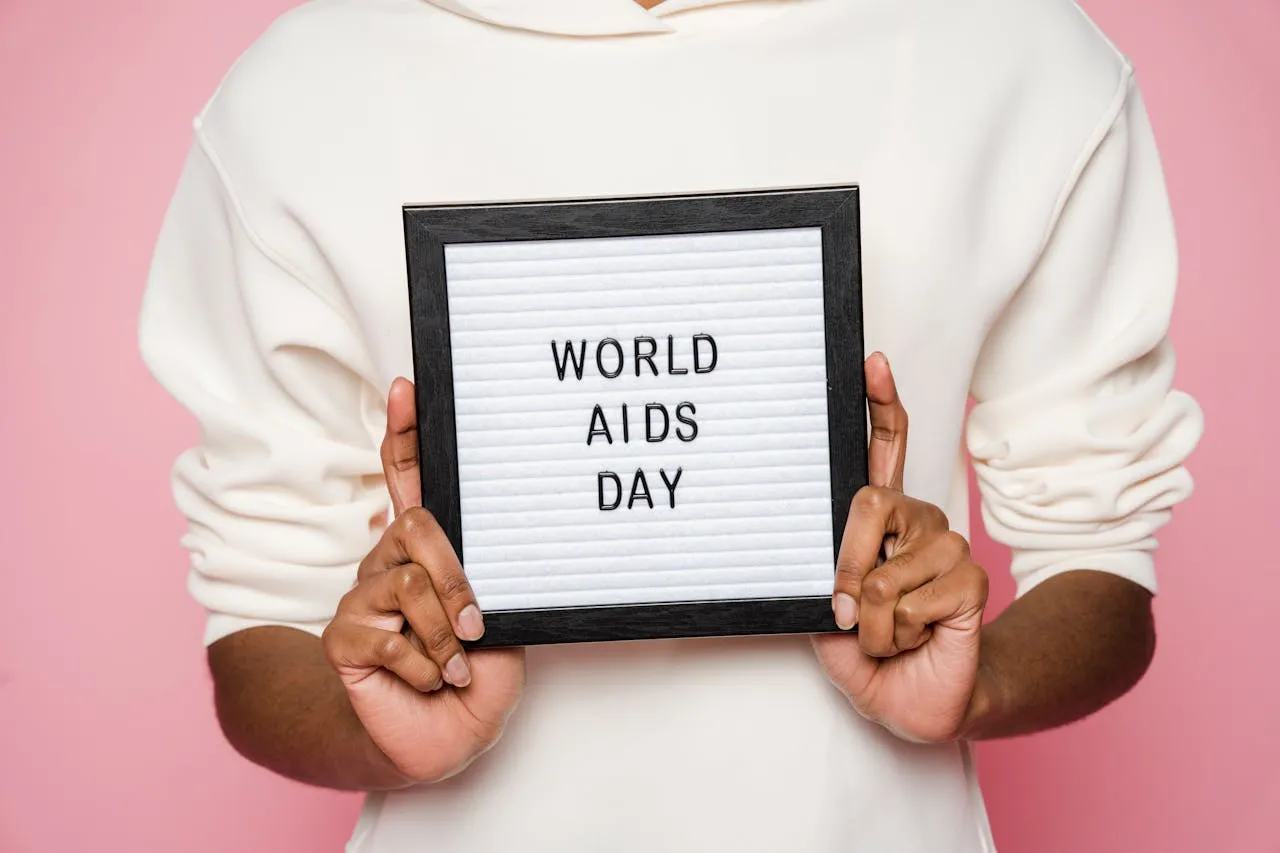
As the world prepares to observe World AIDS Day 2025, AIDS Healthcare Foundation (AHF) is marking the occasion with a series of major milestones, global events, and an ambitious reaffirmation of its mission to confront the ongoing HIV/AIDS epidemic. Each year, World AIDS Day—recognized on December 1—serves as a reminder of the lives lost to AIDS-related illnesses, the communities still affected, and the urgent need for sustained action. For 2025, AHF is using the moment to highlight both the progress made and the challenges that persist in ending HIV/AIDS worldwide.
To commemorate the day, AHF will host a slate of concerts, community programs, and advocacy events across Africa, Asia, Europe, and the Americas in early December. These observances will emphasize that, despite decades of scientific advancement, the fight against HIV/AIDS is far from over. Globally, 1.3 million people continue to acquire HIV each year, underscoring the necessity of prevention, early detection, accessible treatment, and long-term care.
At the heart of AHF’s World AIDS Day message is a commitment to strengthening public health systems, ensuring equitable access to lifesaving services, and confronting the structural, social, and financial barriers that hinder progress. The events will also promote essential tools in the HIV response, including condom access, routine testing, and adherence support, while uniting communities in solidarity with people living with or affected by HIV/AIDS.
This year’s commemorations carry additional significance for AHF as the organization officially marks its expansion into 50 countries worldwide—a milestone more than two decades in the making. Since launching its first international programs in South Africa and Uganda in 2002, AHF has steadily grown into one of the world’s largest global HIV/AIDS service providers.
The recent signing of a memorandum of understanding (M.O.U.) between AHF and the Government of the People’s Republic of Bangladesh formalizes the nonprofit’s presence in the South Asian nation, officially cementing Bangladesh as the newest addition to AHF’s global network. Through this partnership, AHF aims to expand access to prevention tools, testing, treatment, and community outreach for populations in need.
AHF President Michael Weinstein described the achievement as a reflection of decades of commitment from staff, volunteers, and community partners.
“Fifty countries and 2.7 million lives in care—it’s a remarkable accomplishment made possible by thousands of dedicated individuals and the trust placed in us by clients and patients worldwide,” Weinstein said. “But we are not stopping to celebrate. The global public health system remains deeply fractured. STDs are at pandemic levels and largely ignored, and too many patients fall out of care. Bringing as many people as possible into the lifeboat of care is a vast responsibility—and one AHF will continue to take on.”
AHF’s expansion is not limited to its international work. In the United States, the organization recently extended its services into two new states: Tennessee and Michigan. In Tennessee, AHF has opened a new Healthcare Center in Memphis, broadening its reach in the Mid-South. Meanwhile, AHF has launched new operations and treatment programs in Detroit, Michigan, marking another critical addition to its domestic healthcare network.
With these expansions, AHF now operates in 19 states, Washington, D.C., and Puerto Rico, delivering a wide range of services that increasingly extend beyond traditional HIV care. In recent years, AHF has integrated support for food insecurity, housing instability, disaster relief, and mental and physical wellness—reflecting a more holistic approach to community health.
Despite the undeniable advancements achieved in HIV prevention and treatment, the global statistics reveal serious ongoing gaps. Around 40 million people worldwide continue to live with HIV, and women and girls make up more than half of that population. Persistent gender inequities, stigma, and limited healthcare access contribute to heightened vulnerability—particularly in low- and middle-income countries.
Key populations—including LGBTQ+ individuals, sex workers, transgender people, people who inject drugs, and migrants also face disproportionate barriers to testing and treatment. These obstacles are compounded by social discrimination, legal restrictions, and unequal funding distribution within global public health systems.
AHF’s World AIDS Day 2025 events will bring these realities to the forefront, calling attention to the need for renewed, equitable investment in HIV/AIDS responses worldwide.
The global HIV/AIDS fight is further hindered by chronic underfunding. With the world’s attention often diverted to other crises, investment in HIV programs continues to fall short of global targets. AHF leaders emphasize that fully funding mechanisms like the Global Fund to Fight AIDS, Tuberculosis, and Malaria is essential to prevent backsliding in global progress.
Terri Ford, AHF Chief of Global Advocacy & Policy, underscored this urgency:
This World AIDS Day reminds us that the fight against HIV is far from over. Millions still face barriers to testing, treatment, and long-term care, while stigma and high drug prices keep critical tools out of reach,” Ford said. “Expanding access to prevention—especially condoms and new medical innovations—ensuring treatment affordability, and supporting retention in care are absolutely vital. Governments must work collectively to guarantee equitable progress for all communities affected by HIV.”
AHF also points to another major persistent challenge: pharmaceutical practices that prioritize profits over patient access. High drug prices continue to pose significant barriers to widespread treatment availability, particularly in resource-limited settings. AHF argues that true progress requires pharmaceutical companies to place people above profit margins.
“Innovation means little,” the organization maintains, “if the medications created remain inaccessible to the very populations who need them most.”
World AIDS Day remains one of the most important dates on the global health calendar—a day to reflect on lives lost, honor the resilience of those living with HIV, and push for the political commitment necessary to end the epidemic. For AHF, 2025 is a moment to celebrate progress made while recognizing how much work lies ahead.
As the organization steps into its 50th country and expands its domestic presence across the United States, it reaffirms its core mission: to deliver high-quality, affordable medical care to everyone in need, regardless of geography, status, or circumstance.
On this World AIDS Day, AHF’s message is resolute and clear:
It’s Not Over.
The global community must remain committed, vigilant, and united in the effort to end HIV/AIDS once and for all.
About AIDS Healthcare Foundation (AHF)
AIDS Healthcare Foundation (AHF) is a global non-profit organization providing cutting-edge medicine and advocacy to over 2.7 million people in 50 countries worldwide in Africa, the Americas, the Asia/Pacific Region and Europe. We are currently the largest non-profit provider of HIV/AIDS medical care in the world.
source link : https://www.businesswire.com